
Hey all,
This week I wanted to chat through a huge parenting shift that really worked for me, especially when it comes to remaining calm and better connecting with my little ones.
Like many parents, I used to focus almost entirely on the behaviour in front of me. If one of my children refused to leave the park, ignored me when I asked them to get dressed, or completely fell apart over something that seemed incredibly small, my instinct was to figure out how to stop the behaviour as quickly as possible. And if I’m honest, I’d take their behaviour personally!
But over time, I began to notice something. The moments that felt the hardest weren’t usually caused by my little ones who wanted to “make my life difficult”. They were caused when they were struggling with something they didn’t yet have the skills to express.
That realisation changed far more than my parenting, it changed how I saw my children.
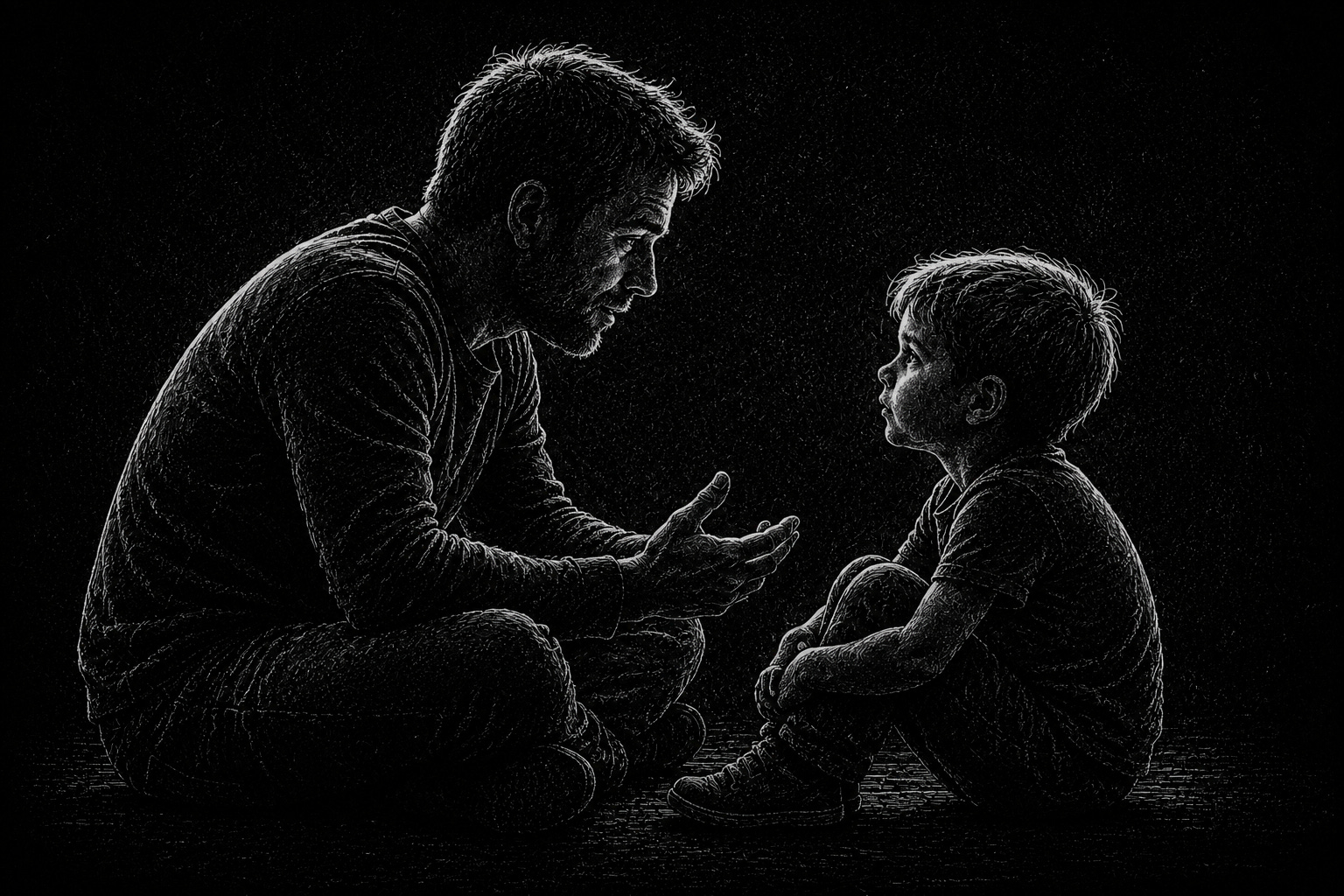
Let’s take an example. Imagine you’re having one of those positive days. The kids are having fun playing, laughing and running around without a single argument. Everyone is happy, and parenting feels wonderfully easy.
Then you say five words.
“It’s time to go home.”
Within seconds everything changes.
One child immediately protests. The other suddenly discovered there was one last thing they absolutely have to do before leaving. The laughter disappears and is replaced with tears, frustration and complete refusal to cooperate.
Thinking about this example specifically, years ago I would probably have interpreted that as defiance. After all, a lovely afternoon was being had together, so why end it like that? Why make such a fuss over something so simple? But parenting has taught me that what looks simple to us rarely feels simple to our children.
Leaving the park isn’t just walking through a gate. It’s saying goodbye to something they were deeply immersed in. It’s stopping an activity before they feel emotionally ready. It’s coping with disappointment while their brain is still developing the ability to regulate those feelings. I experience this most evenings, when I need to put a stop to playing football with our oldest, because it’s 8pm and we need to start bedtime!
I think this is one of the reasons parenting can feel so exhausting. We spend so much energy reacting to what we can see that we never get the opportunity to understand what’s happening underneath it.
When a child screams because they’ve been asked to put their shoes on, we see shouting.
When they hit their sibling after a long day at school, we see aggression.
When they ignore us for the fifth time before bedtime, we see defiance.
But behaviour is only ever the visible part of the story. Beneath it might be tiredness after holding themselves together all day. It might be disappointment that playtime has ended. It might be anxiety about tomorrow, overstimulation from a busy environment or simply emotions that feel much bigger than the skills they currently have available.
None of that excuses hurting others or ignoring boundaries, those moments still need us to step in. But understanding the reason behind the behaviour changes how we react. Instead of trying to overpower the behaviour, we begin supporting the child who is struggling to manage it.
One question has transformed more difficult moments in our house than almost anything else.
Instead of asking myself, “How do I stop this behaviour?” I now try to ask, “What might my child be finding difficult right now?”
That response reminds me that children aren’t miniature adults making calculated decisions. They’re still learning how to cope with disappointment, frustration, boredom, waiting, losing, sharing and hundreds of other experiences that we now take for granted because we’ve practised them for decades. It’s not an easy shift in response, however being aware of it, and reading reminder such as this one, put us in a much better place to make intentional changes when it comes to how we respond to our kids.
We often expect emotional skills from children that they simply haven’t had enough opportunities to develop yet. When I remind myself of that, it becomes much easier to respond with confidence instead of control.
Looking back, I think many of my biggest parenting reactions came not from what my children were doing, but from the story I was telling myself about what it meant.
If they ignored me, I worried they were becoming disrespectful. If they melted down in public, I wondered whether other people thought I couldn’t parent. If they argued over something tiny, I feared I was losing control.
And this will be different for every parent, we all respond differently to these situations. But try to reminder, children aren’t defined by their behaviour in one single situation. They’re defined by building it across thousands of ordinary moments where they experience disappointment, make mistakes, receive guidance and slowly develop emotional skills over time.
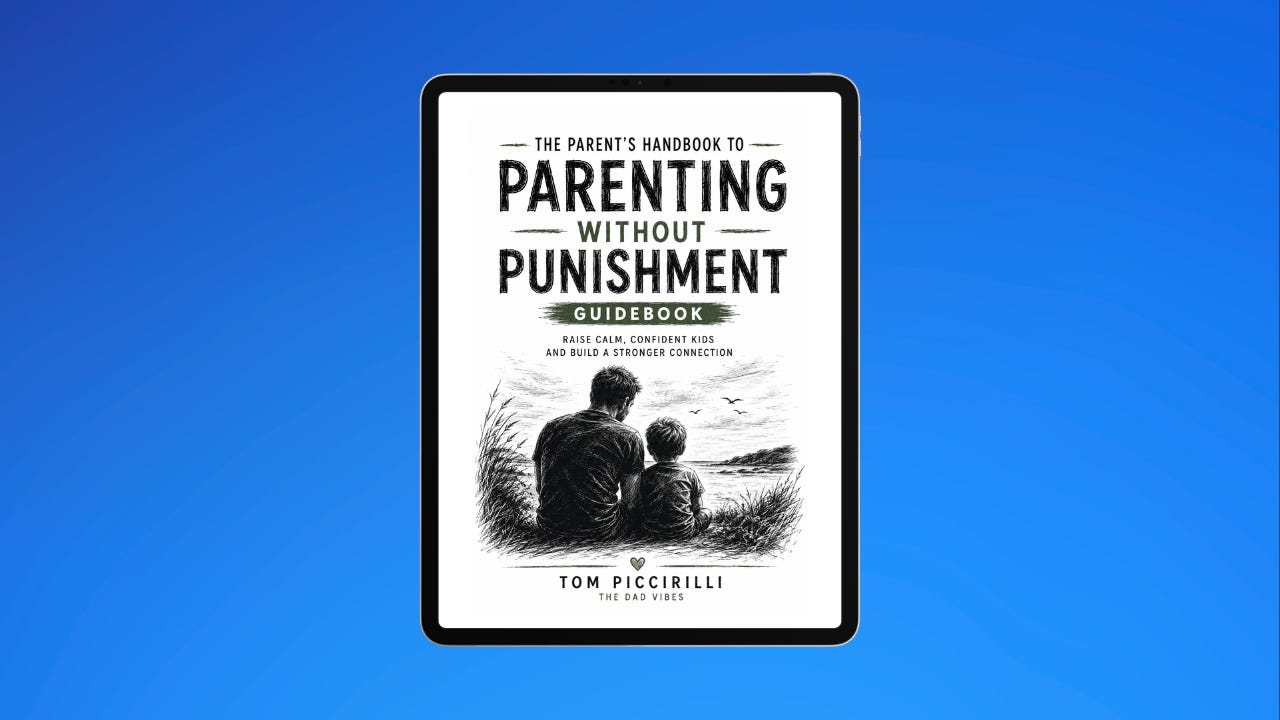
If this article resonated with you, I’d love you to download my free Parenting Without Punishment Guidebook. It explores this way of thinking in much more depth and gives practical examples of how to respond to everyday challenges without relying on punishment or fear…
Thank you for being part of my community. Too Much, Too Soon is a reader-supported publication. If you can and value my work, or if you take value in my daily content over on Instagram, please consider becoming a paid subscriber ($5/month), so I can continue to show up and make a positive impact.
Tom Piccirilli, Founder of The Dad Vibes
No posts
Comments
Nothing yet. Say the first thing.
Sign in to join the conversation.