
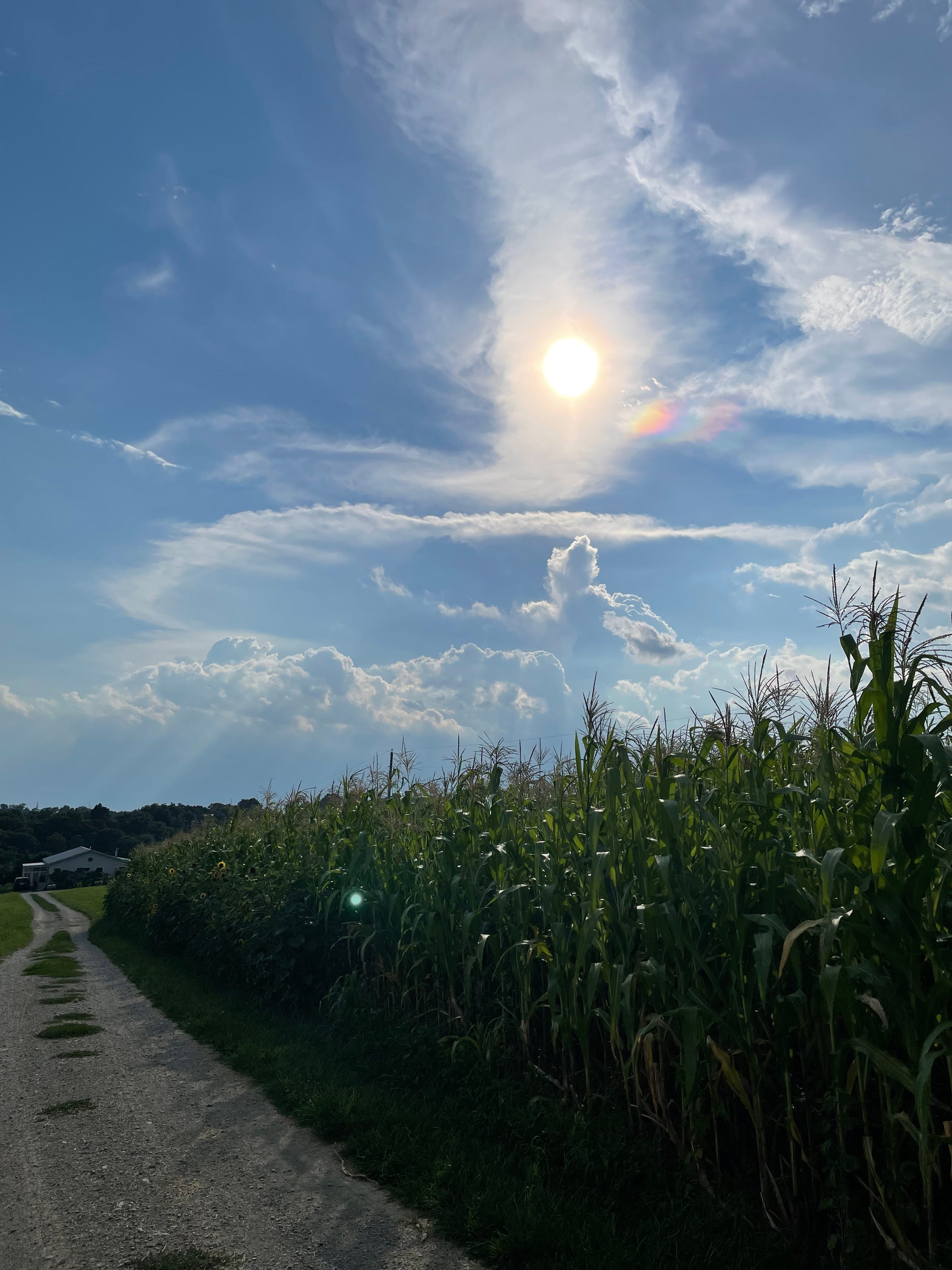
Hello friends. This post will be a change of direction in topics from our last post, which had a decidedly lunar emphasis, appropriate for Cancer season, in which we discussed the nocturnal goddess cults of the early Middle Ages. This time it’s all about the brilliant light and the magical potency of the Leo Sun. As a person born under a cool Libra Sun myself, the bright summer sunshine can be a bit withering, especially since I often have to work long hours under its punishing heat. This time of year, I often prefer to do my magical work in the woods in the cool of the night, but the opportunity of being able to work with the powerful energy of a dignified Sun is one that is too good to pass up.
As the heat and humidity continue to ramp up during the northern hemisphere summer, the Sun, continuing its eastward journey through the Zodiac, will ingress into the sign of Leo on July 22. While in the sign of its domicile, the blazing July Sun appropriately regains its full essential dignity, which presents magicians with certain unique opportunities to call upon its energies. The Sun in Leo represents him at his boldest and most potent, at the zenith of his power, imparting to those born with the Sun in this sign that power, vigor, boldness and heat. Those of us born with the Sun in signs with less dignity can nonetheless partake of the power of the Leo Sun through devotional practice and solar magic.
While there is some concern within the tradition of astrological magic that those magicians who have a challenged planet in their natal charts should avoid working with that planet talismanically, I have not found that concern echoed in the ancient texts I have come across and my own experience working with the several afflicted planets in my own chart has not substantiated that concern. I find, on the contrary, that a consistent practice of devotion to the planets makes up for many of the shortcomings presented by an afflicted planet in the natal chart, at least as far as a magical relationship is concerned. Indeed, as we shall see, the use of solar magic as a remedy for a deficit of choleric energy was recommended by Marsilio Ficino for those who suffer from an excess of the melancholy humor, such as the elderly, students, and contemplatives.
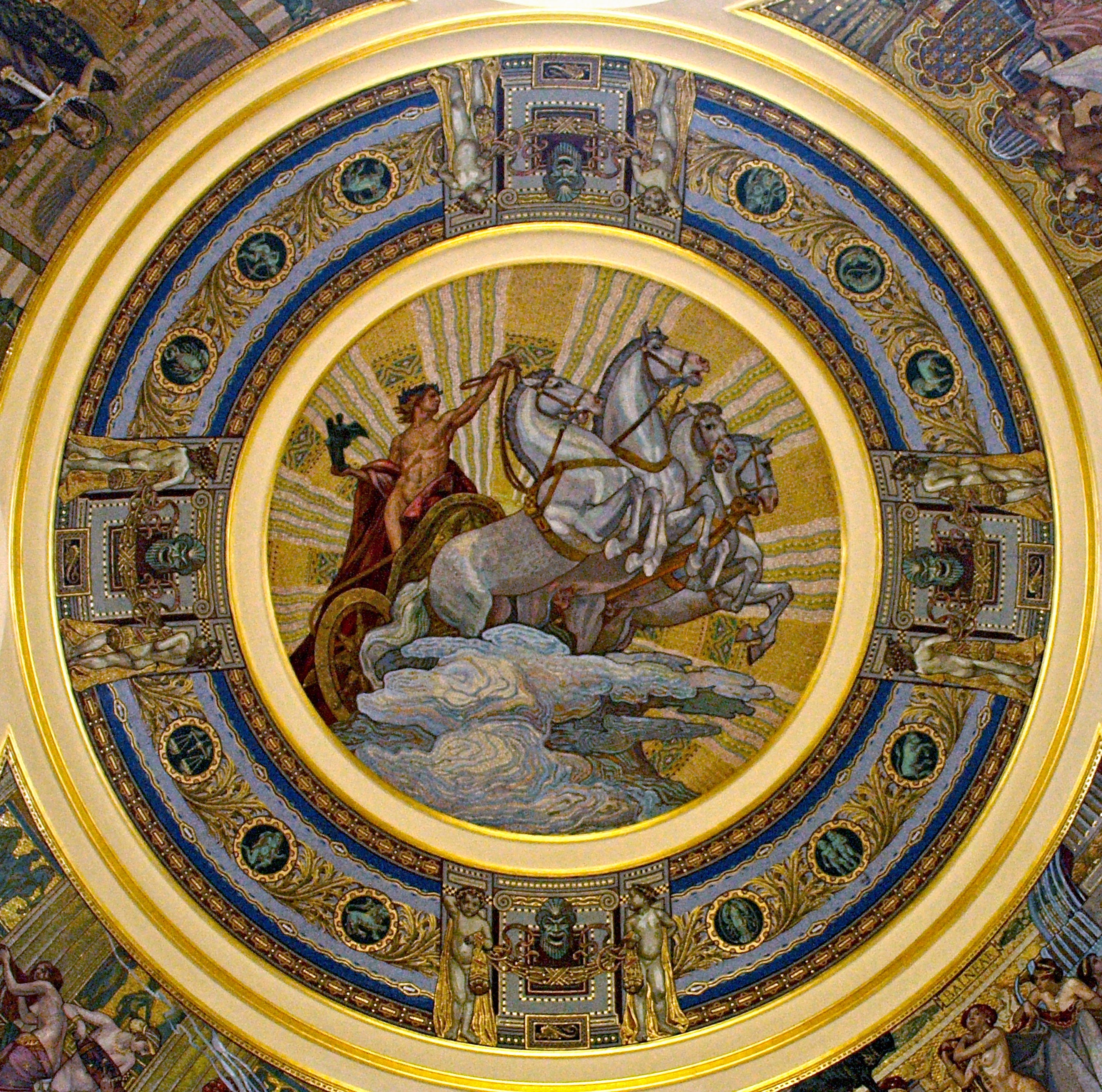
Helios in Hermetism and Platonism
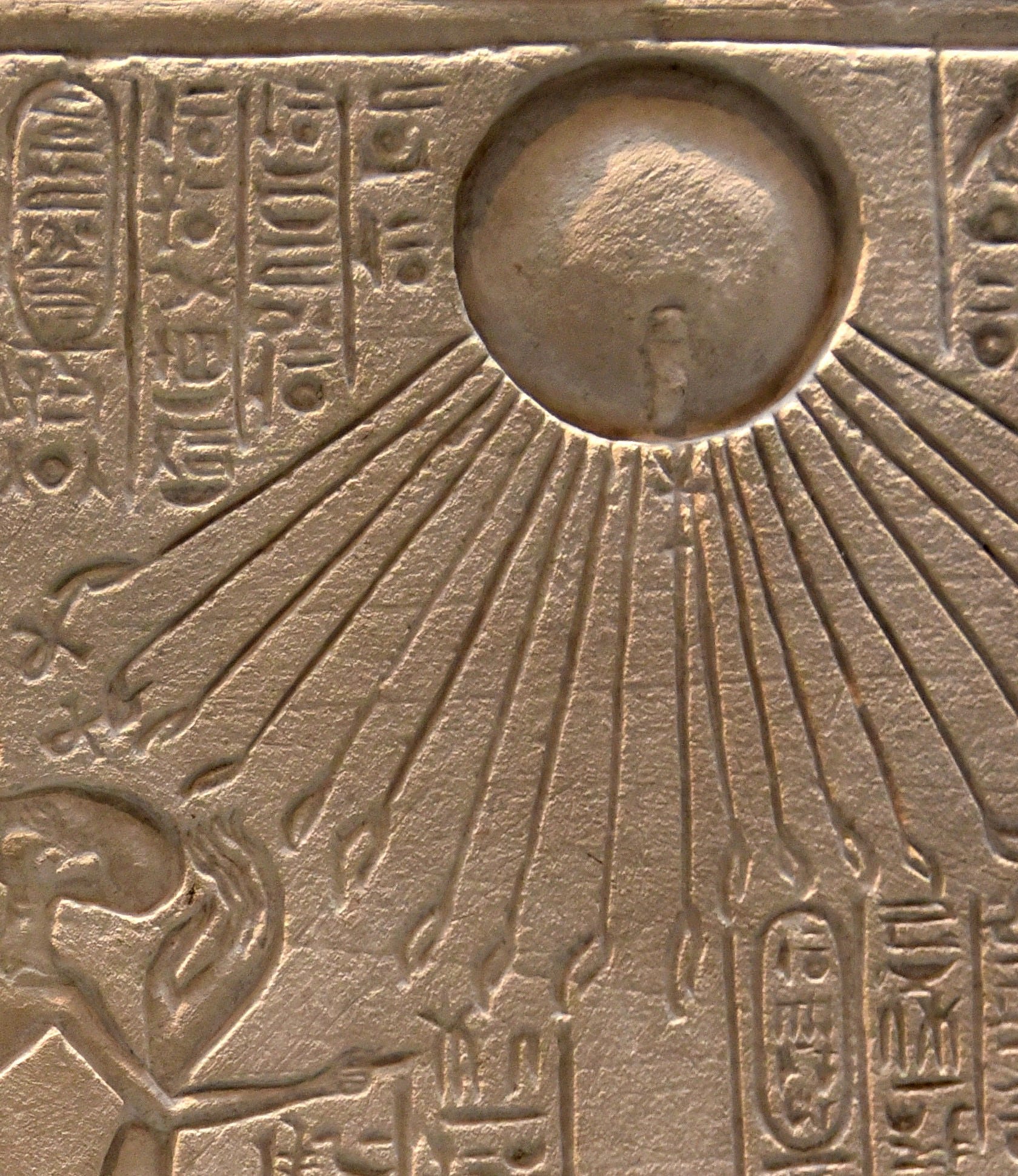
To the ancient Hermetists (the followers of the teachings of the semi mythical Hermes Trismegistus) of Hellenistic Egypt, the Sun was a living symbol of the highest level of divinity, both a divine being in and of itself and a reflection of a transcendent and ineffable reality. The blazing light of the physical Sun, an analogy for the invisible non-corporeal noetic life from which the cosmos has been created and by which it is eternally sustained. Due to the infinite potency of the Sun as a source of cosmic energy, Helios, the personified Sun, was a favorite of both mystics and magicians in the period. As the Source (or more accurately, a visible sign of that Source) of the whole cosmos, he is a potent force for manifesting power and change. It is for this reason that so many of the spells in the Greco-Egyptian Magical Papyri (henceforth PGM, which stands for Papyri Graeci Magici) are addressed to the Divine Sun, Helios.
In Plato’s Republic (508e to 509d) an analogy is drawn between the Sun as the source of light and life in the physical cosmos, and the transcendent Good which is beyond being. The noetic (a word that is often translated, poorly in my opinion, as “intellectual”, and which more closely approximates the English word “spiritual”, but is better left untranslated.) Sun is the source of noetic light, of beauty, knowledge, and truth, and the true archetypal reality underlying all physical existence. In later traditions both were explicitly equated, the physical Sun as the manifestation of the archetypal reality of the noetic Sun, the former the source of physical light and life and the latter the fount of the true spiritual life and light from which all things are created. In Hermetic theology the Sun is the spiritual sovereign of the cosmos, standing in the middle place between the transcendent Source and the physical world, the demiurge who commands all of the spiritual forces of the cosmos to do their proper duty. As tractate XVI of the Corpus Hermeticum says:
“The Sun is the preserver and provider. Just as the intellectual cosmos that encompasses the sensible cosmos fills it by making it solid with changing and omniform appearances, so also the sun that encompasses all things in the cosmos strengthens and makes solid all of them that are generated, as it takes in those that are spent and dwindling away. The sun sets in array the troop or, rather, troops of demons [daimones, that is], which are many and changing, arrayed under the regiments of stars, an equal number of them for each star. Thus deployed, they follow the orders of a particular star, and they are good and evil according to their natures - their energies, that is. For energy is the essence of a demon. Some of them, however, are mixtures of good and evil.
They have all been granted authority over the things of the earth and over the troubles of the earth, and they produce change and tumult collectively for cities and nations, individually for each person. They reshape our souls to their own ends, and they rouse them, lying in ambush in our muscle and marrow, in veins and arteries, in the brain itself, reaching to the very guts.” (Copenhaver, 1992: 60.)
So the Sun, as demiurge is the commander of all of the ranks of daimones who issue from the stars and planets and who administer astral fate, the destinies accorded to us by the celestial bodies. Hence, his secret names are powerful charms to command the various astral powers that shape worldly events, by ordering them to arrange fortune in our favor. According to the cosmology of the ancient Hermetists, the Sun has power over the daimones who control fate, therefore Helios, the personified Sun as cosmic ruler, symbolizing sovereignty, has the power to control them. In the logic of Hermetic magic therefore, a properly timed solar petition can help to compel the daimones assigned to have power over our lives from the level of our health and bodies to the level of the collective, our cities and nations as mentioned in the quote. I do think, however, that for the beginner, the size of the system to be transformed should be reasonable, think of your personal circumstances, areas that need a boost, like health and prosperity, for instance.
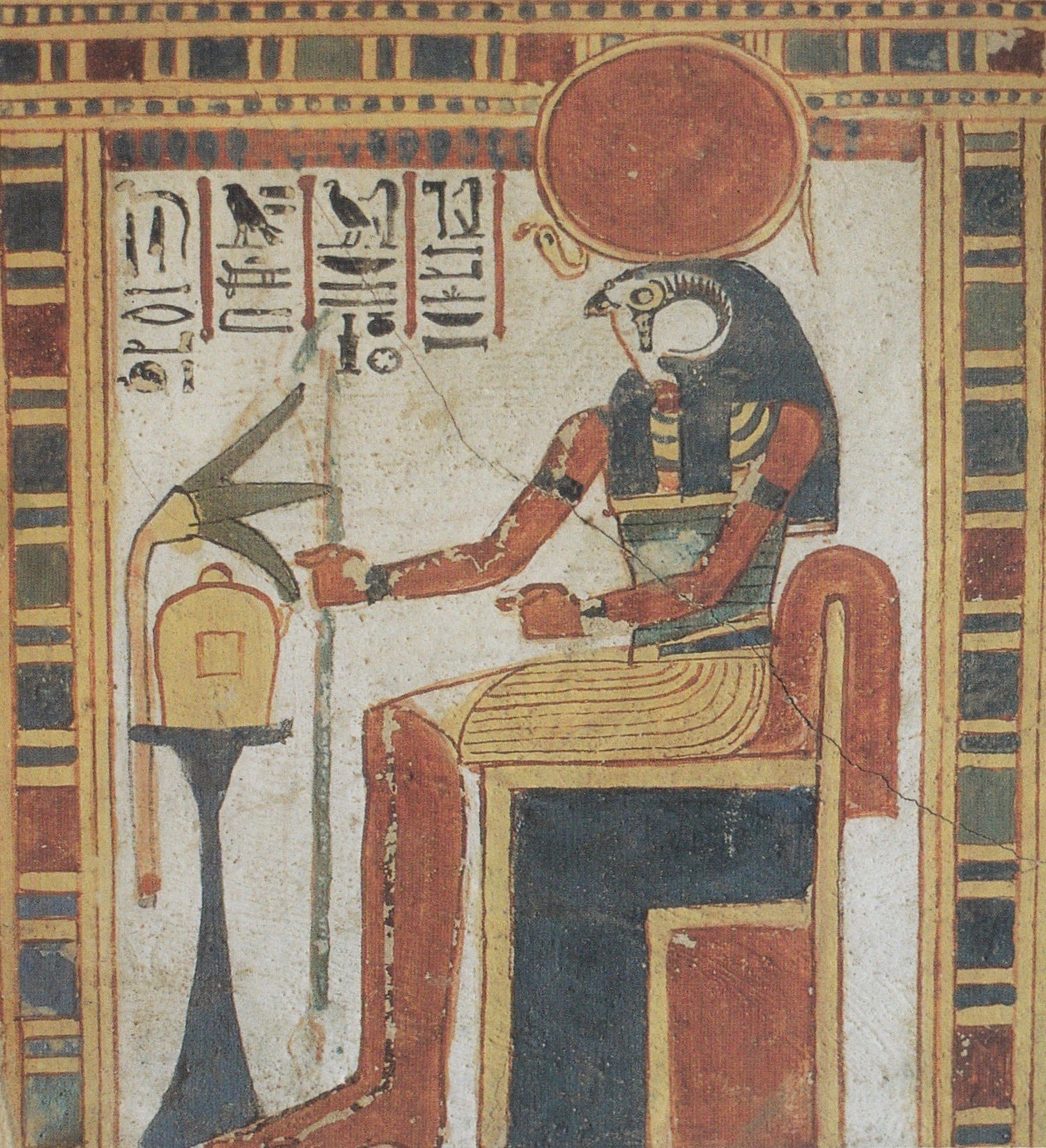
However, there is a “darker side” to solar magic. According to the medieval Andalusian grimoire of astrological magic, the Picatrix, the Sun is capable of being used magically for both destructive and constructive ends, “The Sun is hot and dry, mixed with good and evil in his makeup. He rectifies and condemns, doing both good and evil— a fortunate and an unfortunate planet. He symbolizes and provides the senses and the mind, exaltations and high honors, yet without fear, and easily makes one gain at the expense of others and easily afflicts violent deaths.” But for the most part, Picatrix recommends the use of solar petitions to gain favor in governmental, financial, or business work, in works for attaining wealth, prosperity and fame.
A different and later take on the potency of solar images comes from Renaissance magus and philosopher Henry Cornelius Agrippa, writing of talismanic images made in exactly the configuration, on the day and hour of the Sun (sunrise on a Sunday) with the Sun rising in the first decan of Leo, we a will be experiencing:
“From the operations of the Sun, they made an Image at the hour of the Sun, the first face of Leo ascending with the Sun, the forme of which was a king crowned, sitting in a chair, having a Raven in his bosom, and under his feet a Globe; he is clothed in Saffron coloured clothes; They report that this Image rendreth men invincible, and honorable, and helps to bring their businesses to a good end, and to drive away vain dreams; also to be prevalent against feavers [fevers], and the plague; and they made it in a Balanite stone or a Rubin [ruby], at the hour of the Sun, when it in his exaltation fortunately ascendeth; They made another Image of the Sun in a Diamond [how did they carve a diamond?], at the hour of the Sun, it ascending in his exaltation; the figure of which was a woman crowned with the gesture of one dancing and laughing, standing in a Chariot drawn with four horses, having in her right hand a looking glass, or buckler, in the left a staffe, leaning on her breast, carrying a flame of fire on her head; They report that this Image rendreth a man fortunate and rich, and beloved of all; and they made this Image, on a Corneoll [carnelian] stone at the hour of the Sun ascending in the first face of Leo, against Lunatick passions which proceed from the combustion of the Moon.” ((Agrippa, Tyson, 1993: 386.)
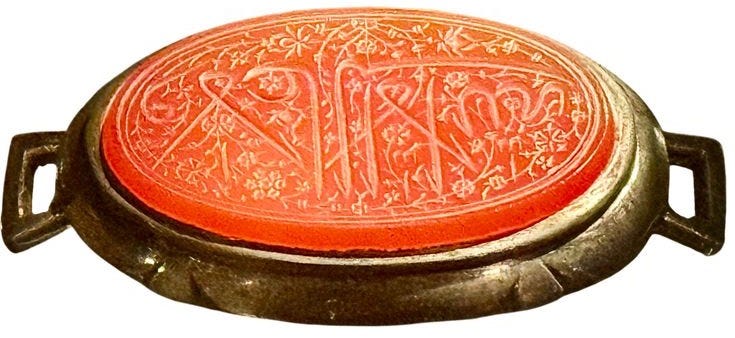
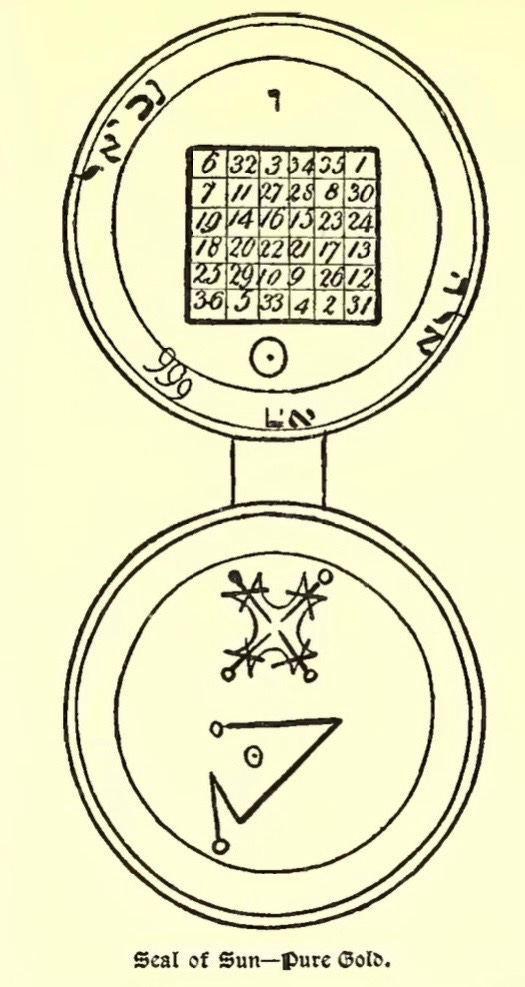
Although Agrippa here describes the engraving of talismanic images on stones, it is also possible for the artistically inclined to draw the above images as well as those in the illustration below on virgin paper at the proper moment. Paper talismans are reported to be less permanent and perhaps less powerful, but are still definitely a part of the tradition of astrological magic. Below are shown the seals and kamea (magic square) of the Sun from Francis Barrett’s The Magus, which are intended to be inscribed on a medallion of pure gold at an election such as we will be discussing here. Those unable to afford gold can settle for any metal, brass would work nicely. (according to the medieval Sabian mage Thabit Ibn Qurra, the metal used for talismans is of little importance, since the most important factor is the election) or for paper, as mentioned.
In the view of theurgic magicians like Agrippa, magic is not only concerned with the attainment of worldly success and power, but, through the cultivation of the interior virtues and the attainment of wisdom. The magician cannot work with the celestial powers of the cosmos without being transformed by them in turn. We must contemplate the souls of the stars, the enlivening intelligence which animates each of the cosmic powers, in this case the Sun as the Divine Helios, not merely the body of the Sun, the burning ball of gas at the center of the solar system. These practices invite the light of the noetic, supernal Sun to shine within us, which can be helpful to those who suffer from depression or melancholy. Indeed for another of the great minds and mages of the Renaissance, Marsilio Ficino, a true polymath, but one who specialized in astrological medicine, as we shall see, among the best operations to be performed under a dignified Sun are the production of astrological remedies.
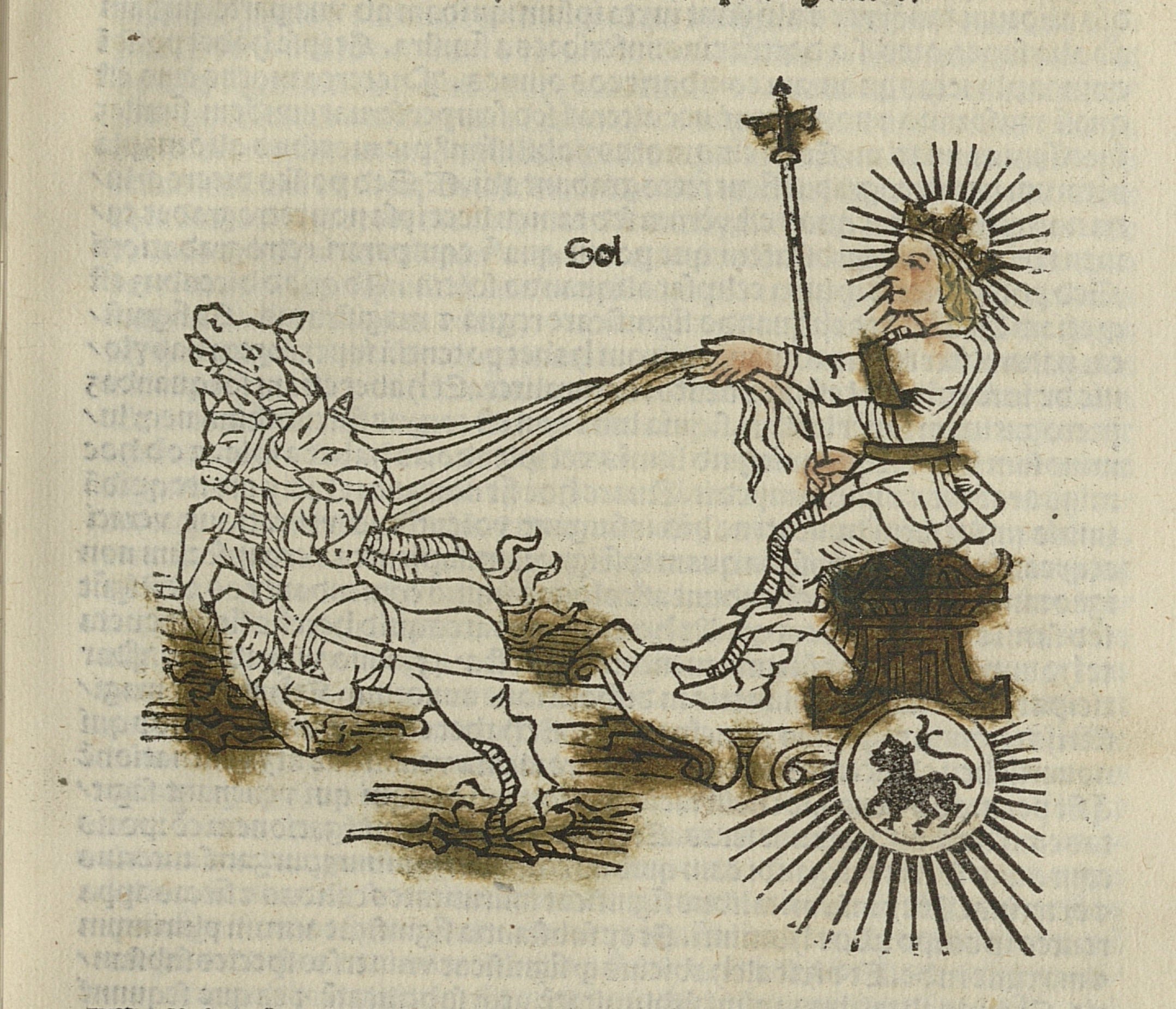
Agrippa says of the Sun: He “is the King of Stars, most full of light, but receives it from the intelligible world above all other Stars, because the soul thereof is more capable of intelligible splendor. Wherefore he that desires to attract the influence of the Sun, must contemplate upon the Sun, not only by the speculation of the exterior light, but also of the interior. And this no man can do unless he return to the soul of the Sun, and become like to it, and comprehend the intelligible light thereof with an intellectuall sight, as the sensible light with a corporeal eye. For this man shall be filled with the light thereof; and the light thereof which is an under type impressed by the supernal Orb it receives into it self, with the illustration whereof his intellect being endowed, & truely like to it, & being assisted by it shall at length attain to that supreme brightness, and to all forms that partake thereof. And when he hath received the light of the supreme degree, then his soul shall come to perfection, and be made like to the spirits of the Sun, and shall attain to the vertues, and illustrations of the supernaturall vertue, and shall enjoy the power of them, if he hath obtained faith in the first author.” (Agrippa, Tyson, 1993: 431.)
The magician must therefore draw into his or her soul not only the visible power of the physical Sun, but the noetic power of the Supernal Sun, elevating the consciousness as the solar power descends from the heavens.
Returning to the ancient tradition of Hermetic magic: The vast treasure trove of Hellenistic magic known as the PGM is full of excellent prayers and spells, many of which call on the power of Helios to command both deities and daimones to effect magical change on behalf of the operator. Some of the spells have complicated instructions and require exotic ingredients to perform, but others come with minimal instructions beyond a powerful prayer and can be personalized for a number of magical tasks. Most of the spells in the PGM feature powerful language and nomina barbara, literally “barbarous names”, the long strings of nearly unpronounceable vowels and consonants that empower the magic.
In Chaldean theurgy, the names themselves are spiritual beings, divine thoughts known as Iynges (actually the origin of our word jinx), living symbols of the gods and spirits they invoke, providing a direct link to the power summoned, the proper performance of the ritual effecting a union with the divine power invoked, known as a conjunction (systasis, σύστασις). In the words of Ruth Majercik, “The principle means of effecting this contact was through the use of various invocations: the adept ‘called upon’ the god by uttering his divine names, which amounted to a lengthy recitation of unintelligible vowel and consonant sounds. Such nomina barbara or voces magicae … are found throughout the magical papyri as well as in certain Gnostic and Hermetic texts and are a staple of late Antique magical practice….By rhythmically chanting these sounds (which equalled the ‘hidden’ or divine name of the god), the adept was able to effect the proper conjunction with the god.” (Majercik, 2013: 25,26) For maximum effectiveness, it is not enough to simply chant the names, one must be focused, and one’s intention purified. Time must be taken and the magician dedicated to the task at hand. Sympathetic substances, in the way of herbs, flowers, gems, colors and fragrances, can be assembled and used to aid the enticement of the celestial powers to descend to aid the theurgist.
As a sourcebook for authentic late Antique Hermetic magic, I consider Hans Dieter Betz’s book The Greek Magical Papyri in Translation an essential book from a magician’s library. It has an honored place in mine. I refer to it so often and read from it so much that it usually stays on my altar. The book is a fascinating compilation of the workbooks of professional magicians, it is a translation of hundreds of papyri found in various locations in Egypt. It is also an amazing work of scholarship and an invaluable resource. There are literally hundreds of spells and recipes for a variety of magical purposes, from lofty theurgic rituals to prosperity magic, curses and bindings, as well as spells to get ahead in business. There are also a surprising number of examples of the most manipulative and coercive love magic, the erotic binding spell. The spells and rituals call upon a number of deities and spirits in a diverse mix which includes native Egyptian, Hellenic, Mesopotamian, Jewish, and Christian elements, showing the syncretic character of the magical practice of Hellenistic Egypt. There are also a fair number of examples of the following type of work, the victory spell, which are intended to help the ritualist get ahead in a competitive world.
Dear readers and subscribers, thank you for reading and supporting The Cunning Farmer. In the following section, I provide the text of a ritual for empowerment based on an ancient prayer from Hellenistic Egypt, and an astrological election chart for when it should be performed as well as other suggestions for magically taking advantage of the potent astrological moment coming up this week. To get access to this and other paid content, simply upgrade your subscription here.
Comments
Nothing yet. Say the first thing.
Sign in to join the conversation.