
We were at a nice restaurant on our last night in Maui, the kind with cloth napkins and a check that comes in a leather folder, and I picked up that folder, looked at it, and said, “Wait. How do you find twenty percent of something again?”
Silence. My son looked at me like I’d asked him what year it was.
I kept going. “Is it the number on the left or the whole thing? Do I move the decimal or multiply first?” I was not acting confused. I was acting gone. My husband, who is genuinely a sharp guy, decided in that moment his brain had also stopped working. He squinted at the folder like it was written in a language he used to know.
Our kids looked at each other. Then Elise, who is twelve, grabbed the folder out of my hand, did the math out loud, and told us exactly what to leave. Lyon, fifteen, checked her work. Neither of them asked why their parents had suddenly forgotten fifth grade math. They just did it. Because someone had to.
That was the whole trip, actually. Not one moment. A strategy.
The more capable you are, the more you’ll do. And the less they’ll learn.
I’ve been saying this to other moms for years and I finally have a name for what I do about it: I make myself as useless as possible.
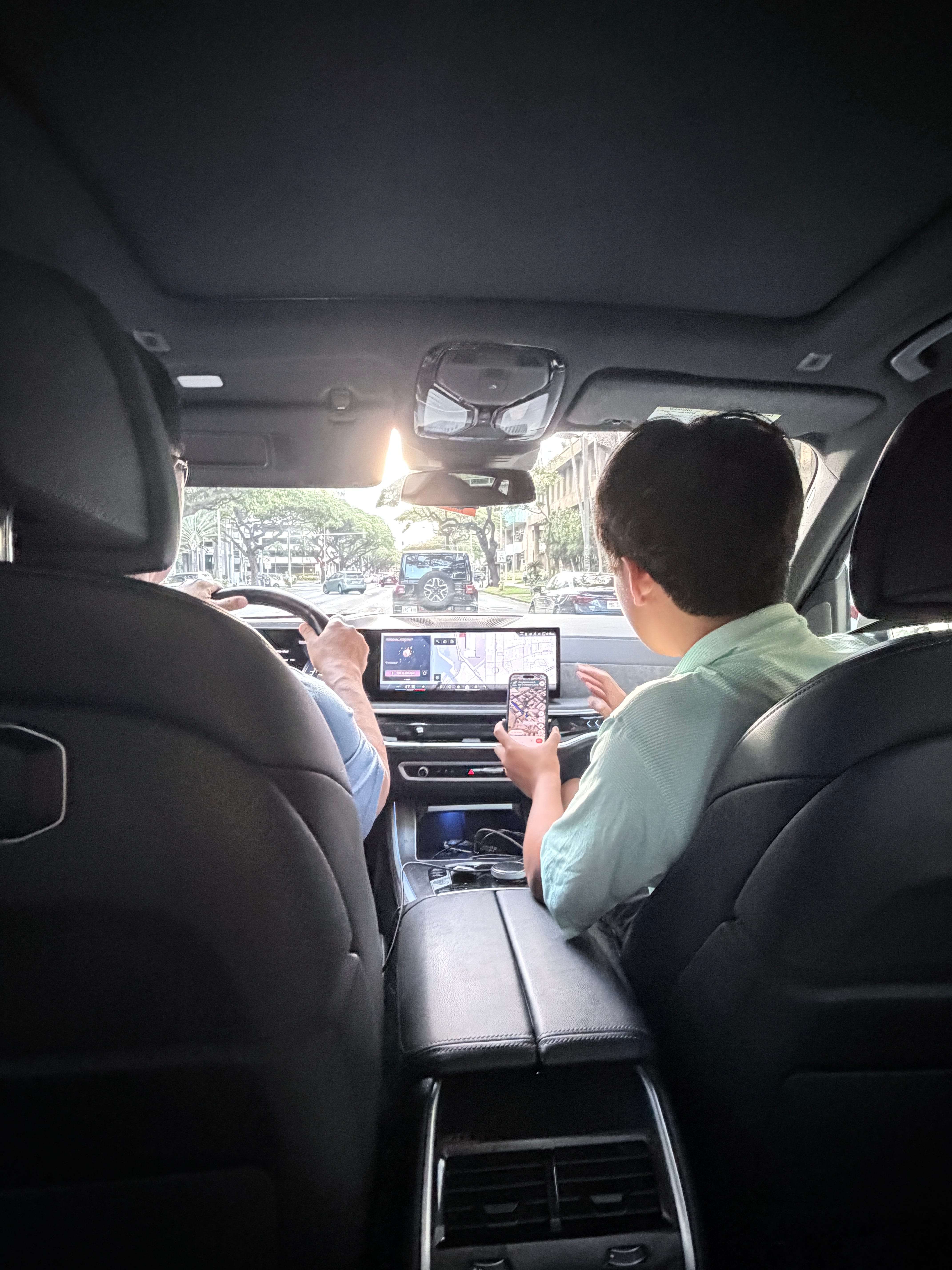
Here’s the thing I know for a fact, because I lived it. I was flying internationally by myself at Lyon and Elise’s age. Nobody drove me to the gate. Nobody translated the customs form. I figured it out because I had to, because the adults around me were not available to do it for me. My kids are capable of the same thing. I know because I was them. The only difference is whether I get out of the way long enough to let them prove it.
So on this trip, my job was not to be the most helpful mother in Maui. My job was to be the most incompetent one. I forgot how English worked. I forgot how math worked. I forgot how maps worked. I turned into a woman who apparently could not function outside her own driveway, and it was, without question, the best parenting I did all year.
Here is what that actually looked like, and what it taught them.
The restaurant bit wasn’t a one-off. I do this everywhere. Somebody has to add the tip, split a bill three ways, or figure out if the “deal” at the shave ice stand is actually a deal. I go blank on purpose, every single time. My husband does the same thing, and it works better as a tag team because the kids can’t appeal to the other parent for a rescue. Both adults are suddenly terrible at arithmetic.
What I’ve noticed is that the first few times, they’re annoyed. By day three, they’re just doing it without the eye roll, because they’ve realized nobody else is going to.
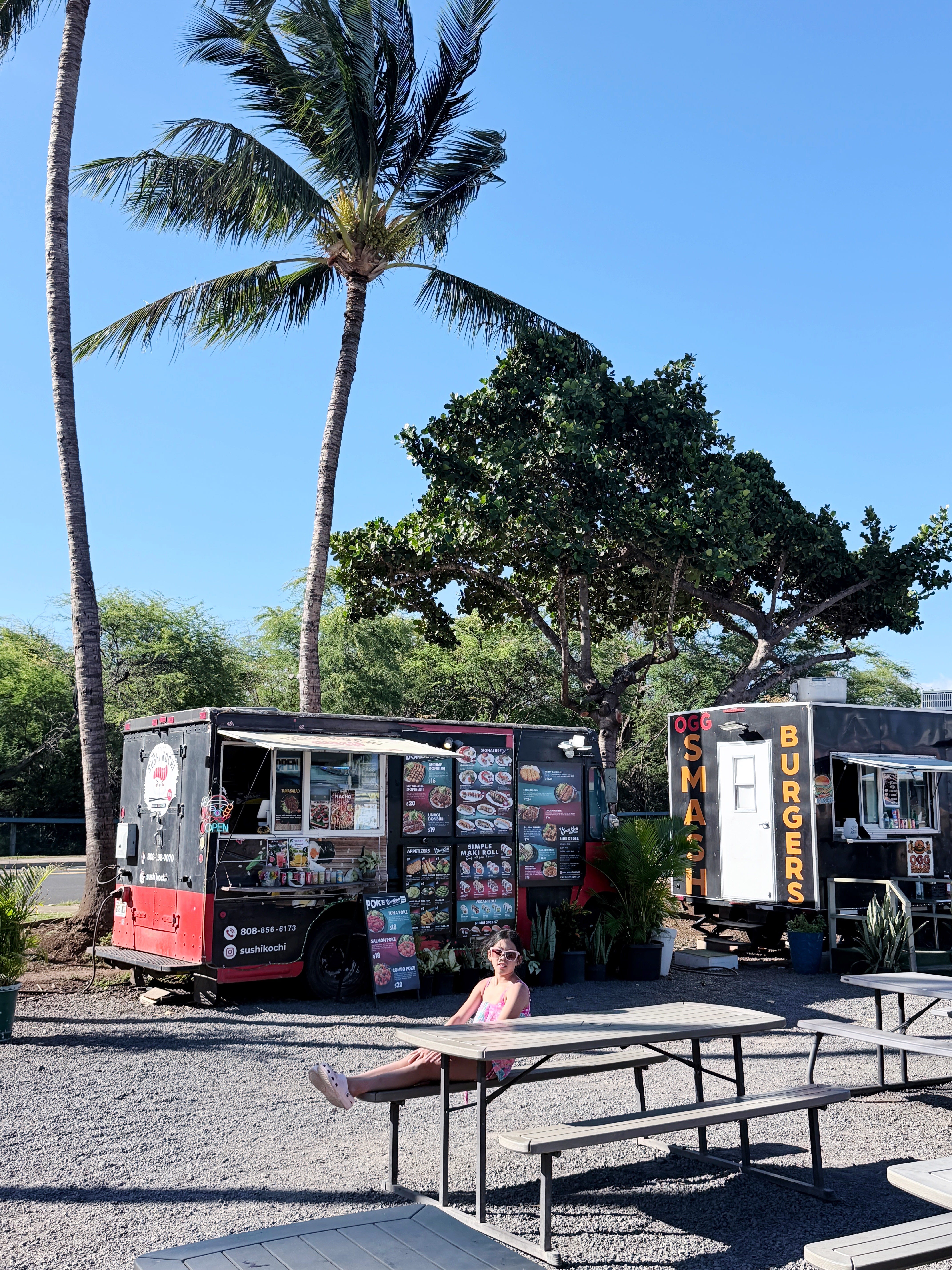
My kids have ordered their own food since they were six and seven years old. Not “picked what they wanted and pointed.” Ordered. Talked to the server. Said please. Handled it when the kitchen got their order wrong.
This one isn’t new to Maui, it’s just policy in our family, and I bring it up because it’s the lesson that makes all the other ones possible. A kid who has been talking to strangers on his own behalf since first grade does not freeze up at a rental car counter or a hotel front desk. He’s had years of practice being the one who speaks.
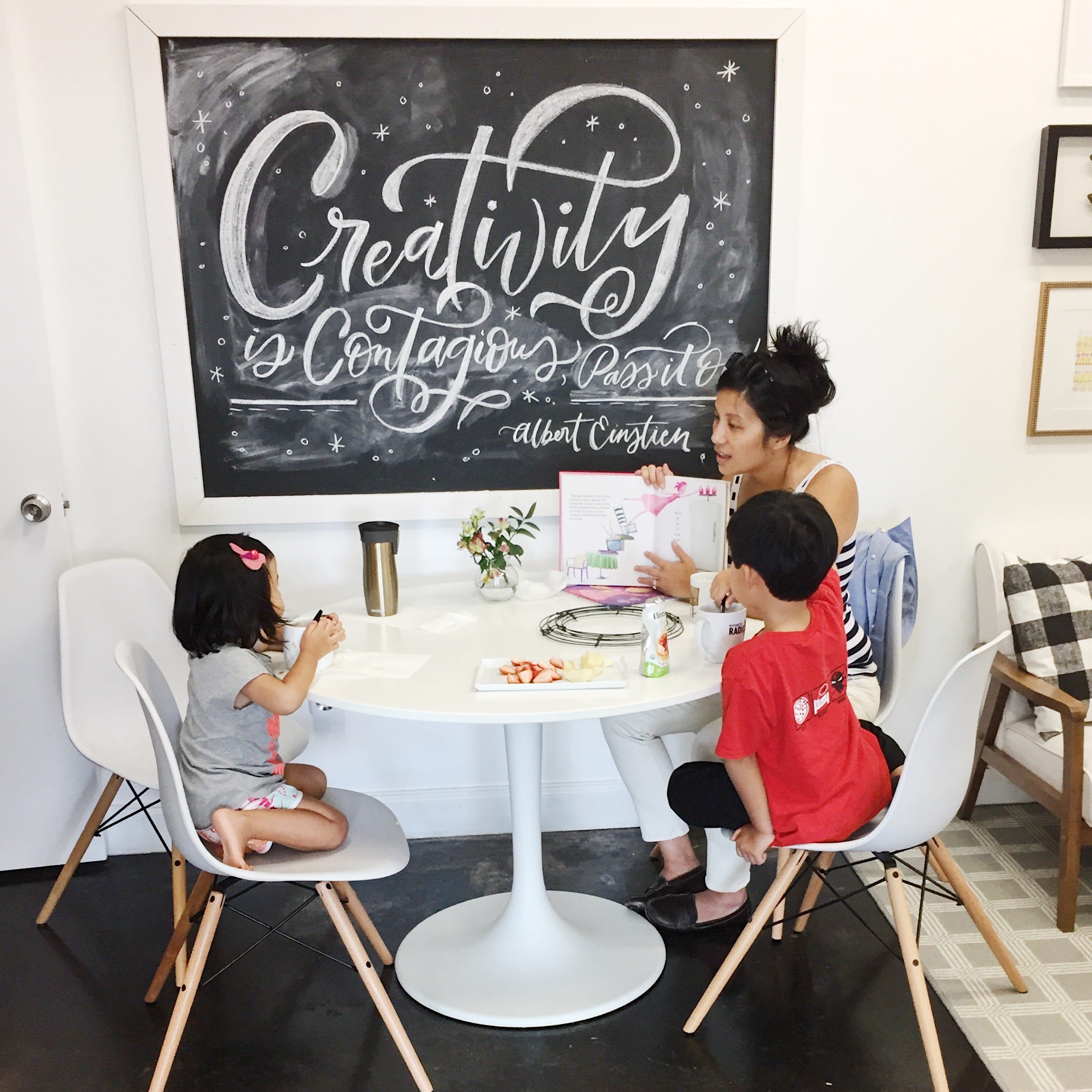
In every airport, I do the same bit. I act like I can’t read English. I’ll turn to my kids and ask, in another language, how we get to the gate. I’m dead serious about the performance. Confused, apologetic, a woman abroad in her own country.
They’ve been navigating airports since they could read, which in our house happened early, so this one’s rarely a real stretch for them anymore. But watching Lyon scan a departures board and just start walking, no hesitation, no checking if I approve of the direction, is the whole point of this essay in one image. He didn’t need a translator. He needed a mother who stopped pretending to be his.
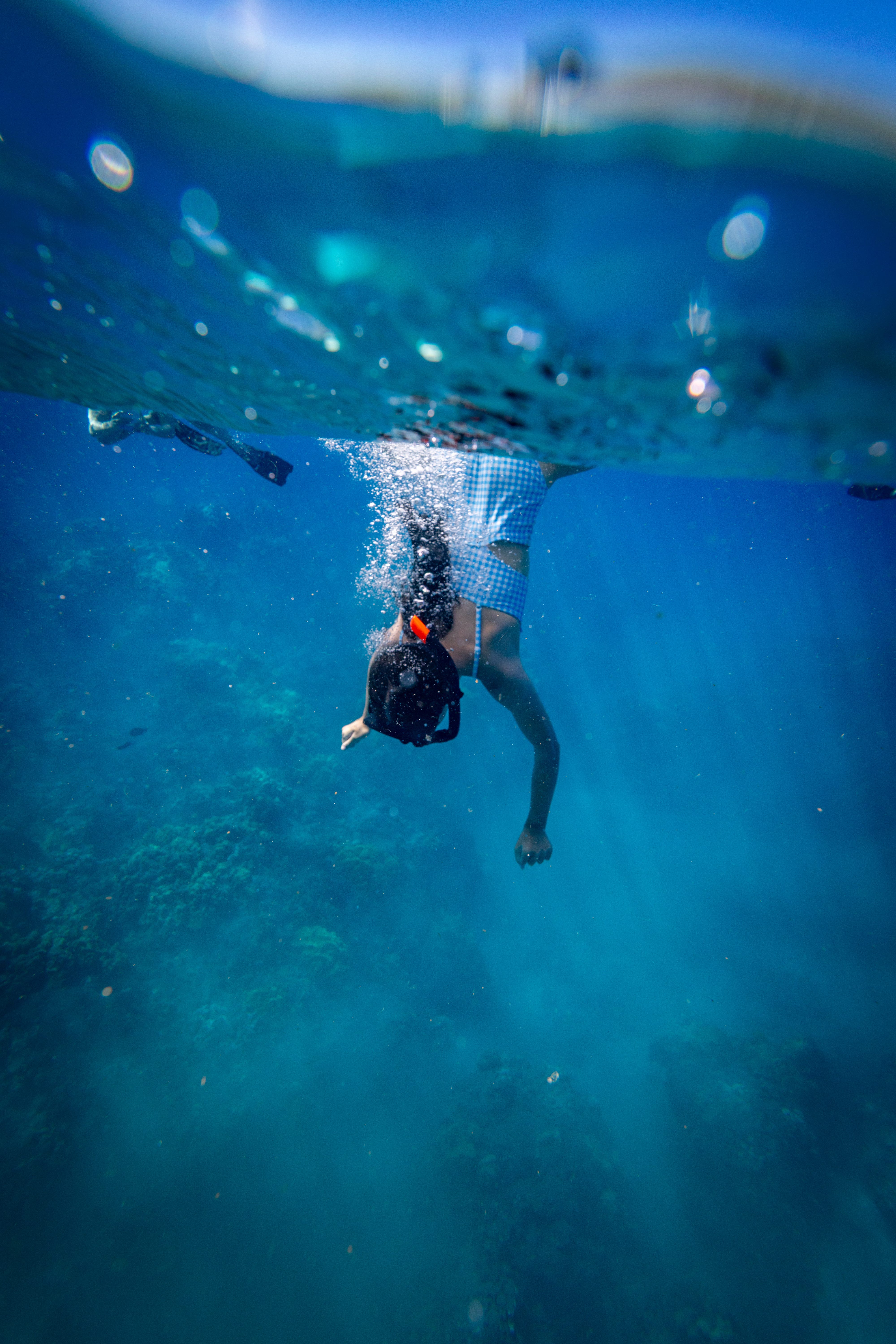
There’s real research on this, by the way, not just my own theory. Kids in immigrant families who translate for their parents, who have to be the ones who understand the world when the adults can’t, come out of it with more confidence and sharper problem solving, not less. We treat “figuring it out yourself” like a hardship we should protect our kids from. It’s actually one of the fastest paths to competence there is.
I gave each of them a hundred dollars at the start of the trip. Theirs. No strings, no “ask me first,” no running total I was keeping in my head to correct them later. Spend it on shave ice every day and have nothing left by Wednesday? That’s a decision, and it’s yours to live with.
What actually happened is more interesting than what I expected. They stopped asking me to buy them things. All the “can I get this” that usually background-hums through a family vacation just went quiet, because the answer was already in their own pocket. A hundred dollars taught them more about trade-offs than I could have lectured them into in a year.
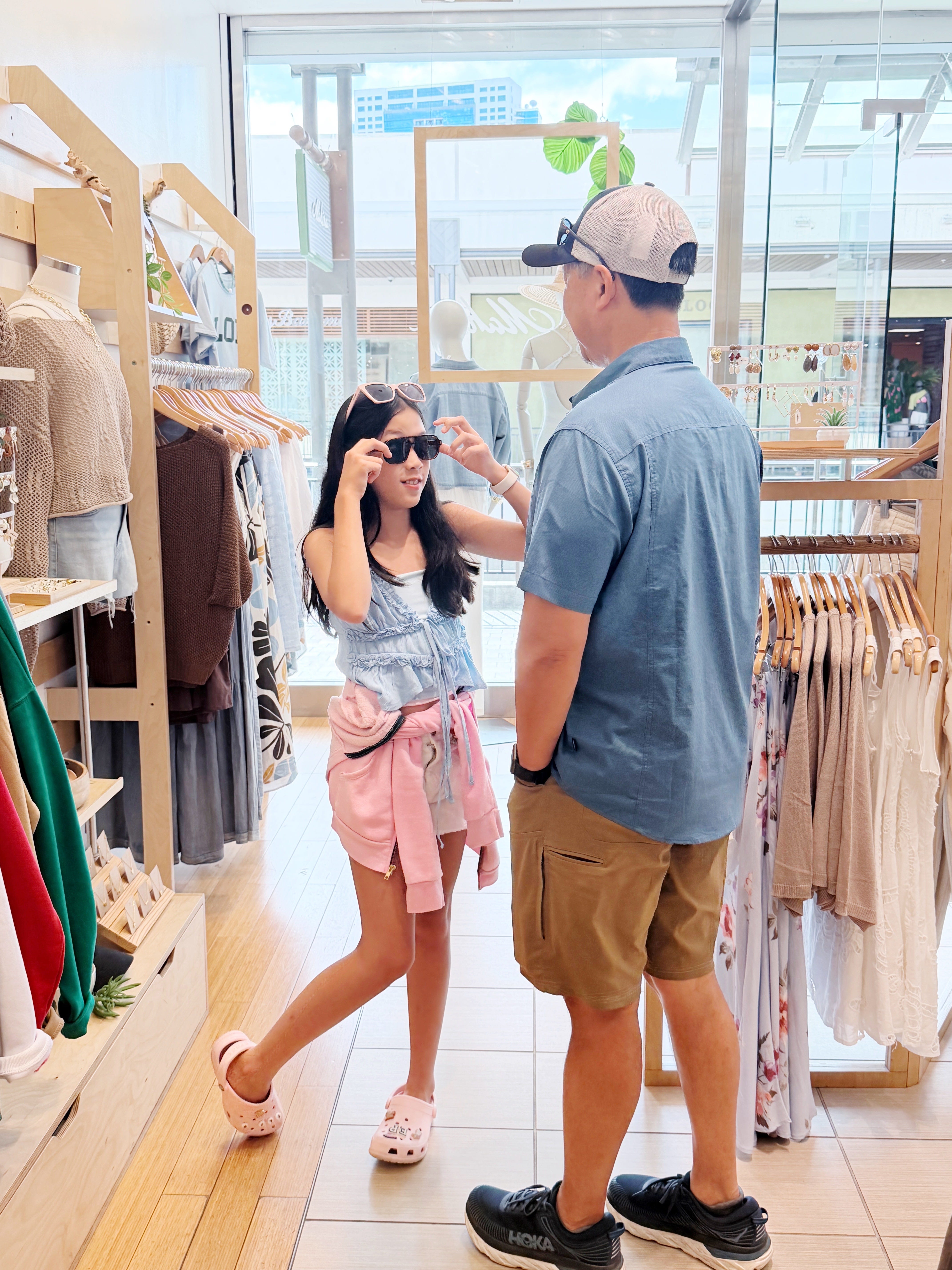
We got lost. We were late to things. We got mildly ripped off by someone who could clearly spot a tourist a mile away. This happens basically every trip we take, and I used to think of it as the cost of travel, the stuff you tolerate to get to the good parts.
I don’t think that anymore. The going-wrong isn’t the tax on the trip. It’s the trip. It’s the only part where we’re actually outside our comfort zone together, which means it’s the only part where we’re actually learning anything. A vacation with zero hiccups is just an expensive way to sit somewhere warmer than home. The wrong turns are where the kids and I figured it out side by side, and where I learned to sit on my hands a beat longer than felt natural.
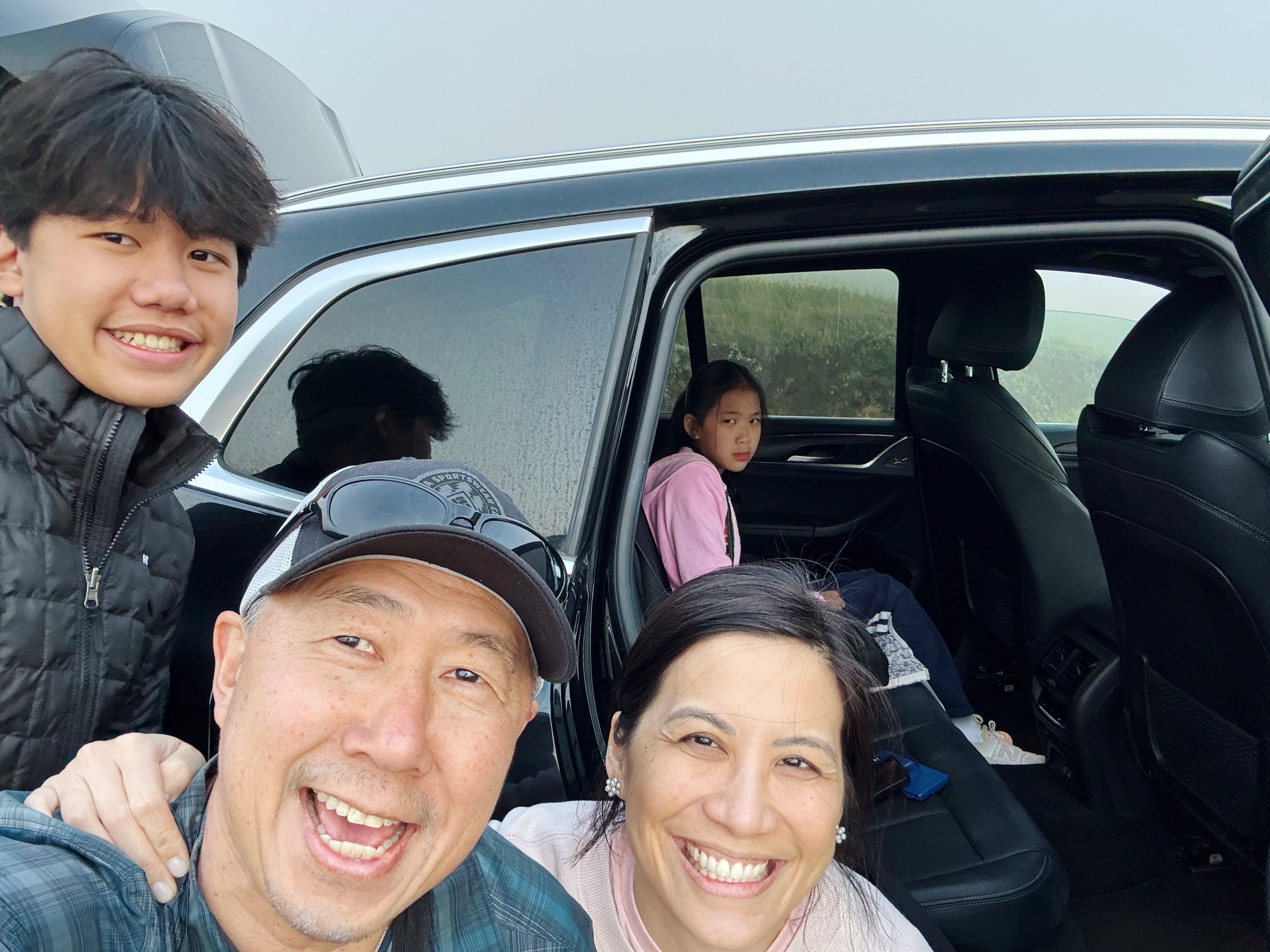
Lines. Layovers. The long stretch of highway between one side of the island and the other. We are bored constantly on trips like this, standing around waiting for something, and I’ve stopped seeing that as dead time.
That’s when the real conversations happen. Not the ones I schedule, the ones that show up because there’s nothing else to do but talk to each other. My kids have gotten genuinely good at entertaining themselves and each other in the gaps, and it turns out those gaps are where a lot of the actual closeness gets built. Not the luau. The line for the luau.
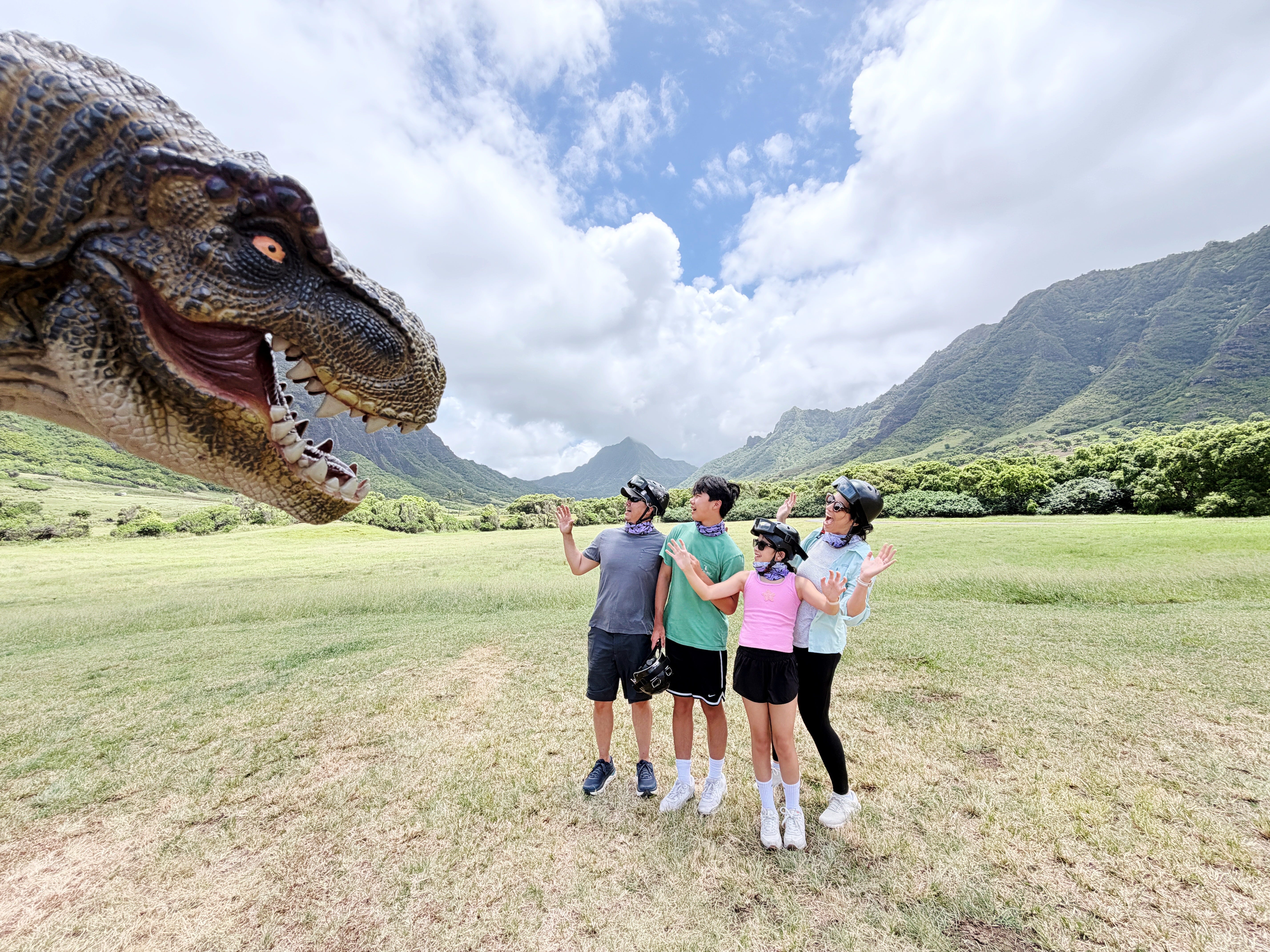

Here’s the part nobody puts on the postcard. Family travel crams an insane amount of togetherness into a few days. No school to break up the hours, no separate schedules to retreat to, just all of us, in it, together. You see each other at your best and your worst. They test us. We test our own patience. And that friction, all that forced proximity, is exactly what creates the opening to teach them something real about life. Not despite the mess. Because of it. That’s why we do it.
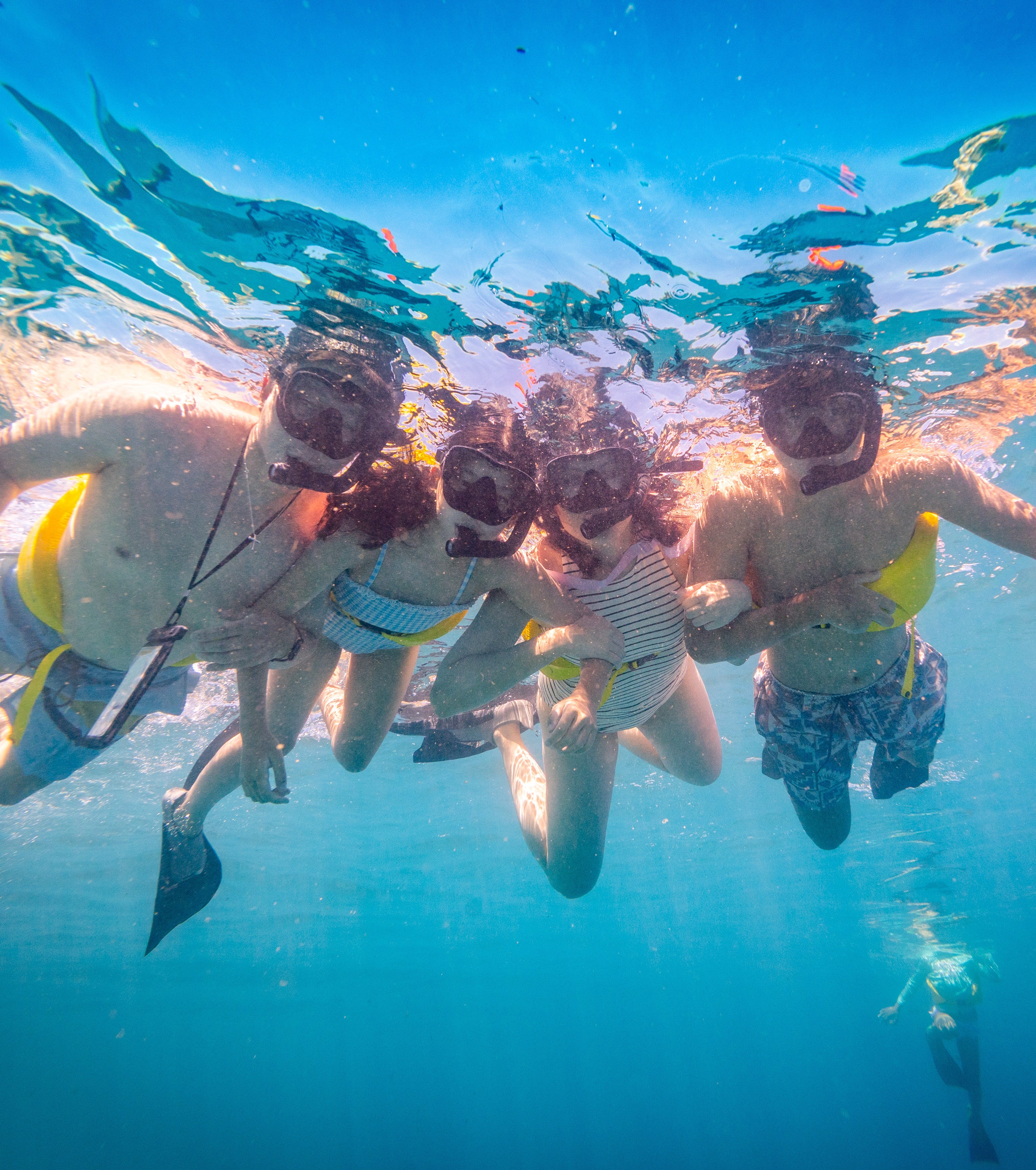
Here’s what I want the moms reading this to sit with. Somewhere along the way we started treating our own competence as the gift we give our kids. Look how well I planned this trip. Look how smoothly it went. Look how nothing ever goes wrong on my watch.
I think we’ve had it backwards. The gift isn’t how well I handle things. It’s how convincingly I can step out of the way while they handle things themselves. Strong roots don’t mean I hold the branch forever. They mean I built something sturdy enough that letting go doesn’t feel like a risk, it feels like the plan working.
My kids don’t know they’re being taught anything on these trips. They think their mother is just a little bit hopeless with maps and menus and mental math. Good. Let them think that. It’s the most useful lie I tell all year.

If you try this, even once, comment INCOMPETENT and tell me what you pretended you couldn’t do.

If this one hit home, hit subscribe. This is exactly the kind of thing I write about - the real stuff, not the polished version. And if you know a mom who overpacks, overplans, and over-functions on every family trip the way I used to, send her this. Give her permission to forget how to read a menu too. Like this post while you're at it. It's how more parents find their way here.
No posts
Comments
Nothing yet. Say the first thing.
Sign in to join the conversation.