
We’ve got some great books to talk about this week, a few not so great ones, and why I think the barrier to entry for new comic book readers is so much higher than it is for new comic book movie fans. But first, some sad news.
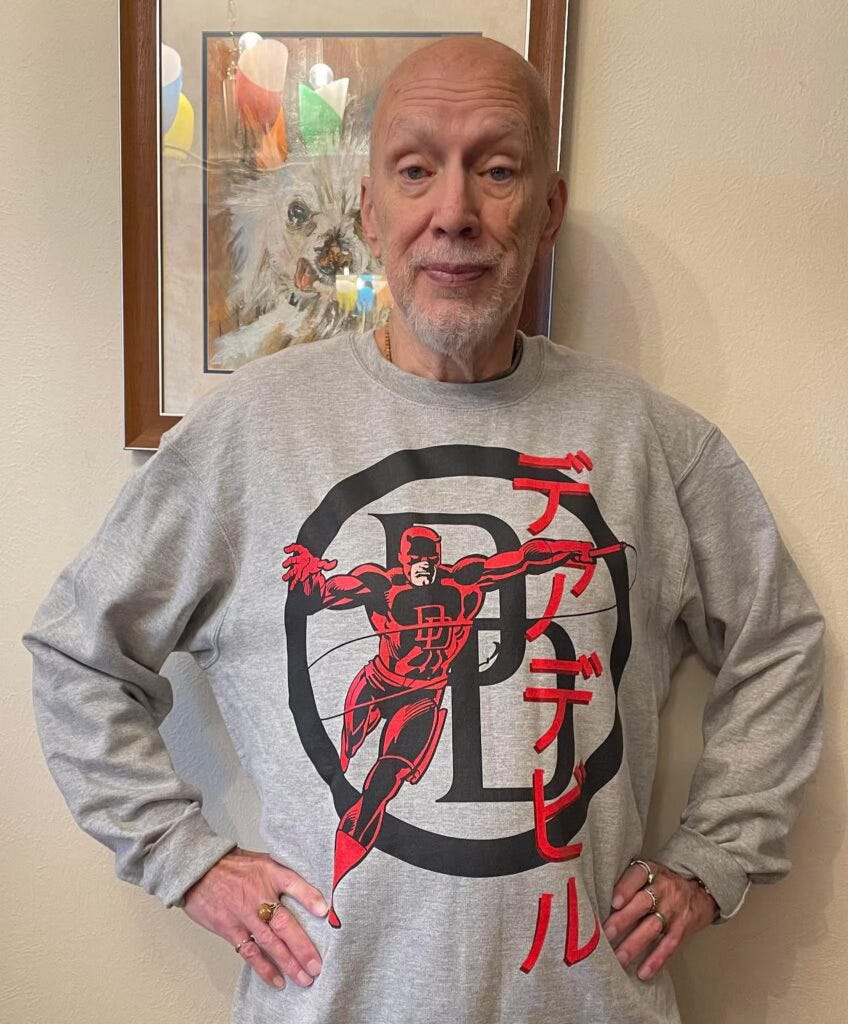
Roger McKenzie, a comic book industry icon, died earlier this week. McKenzie had one hell of a career, with notable runs on Captain America, Ghost Rider and more. But for me, it was his time on Daredevil that will always be memorable. He was responsible for creating one of my all-time favorite Marvel supporting characters — intrepid reporter Ben Urich.
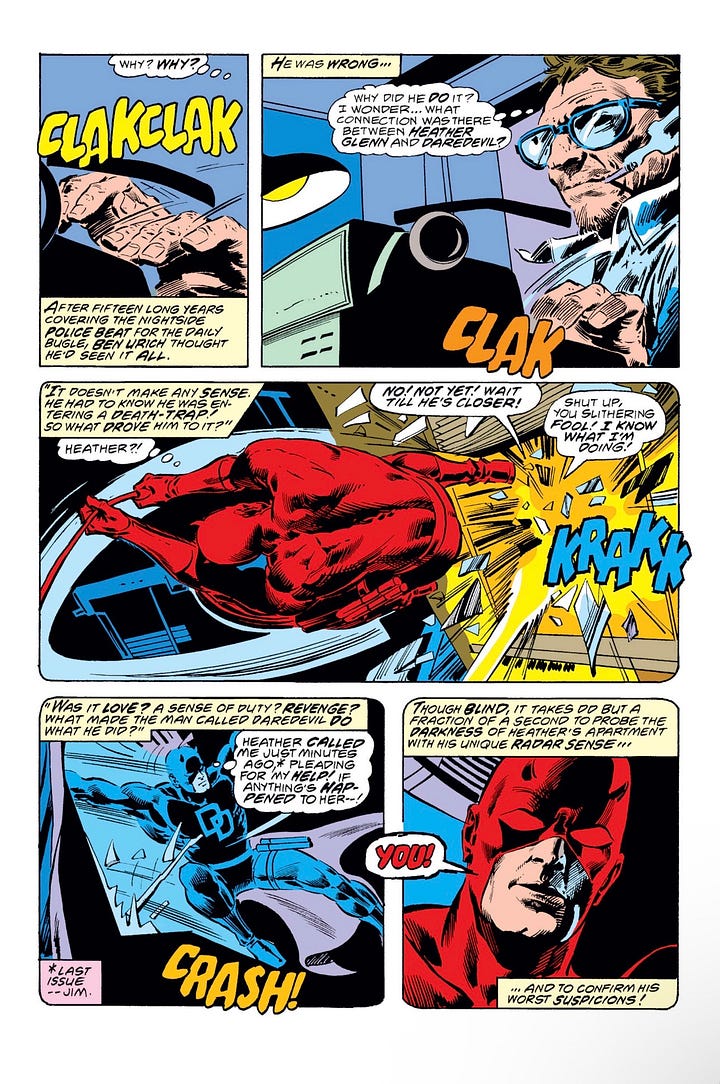
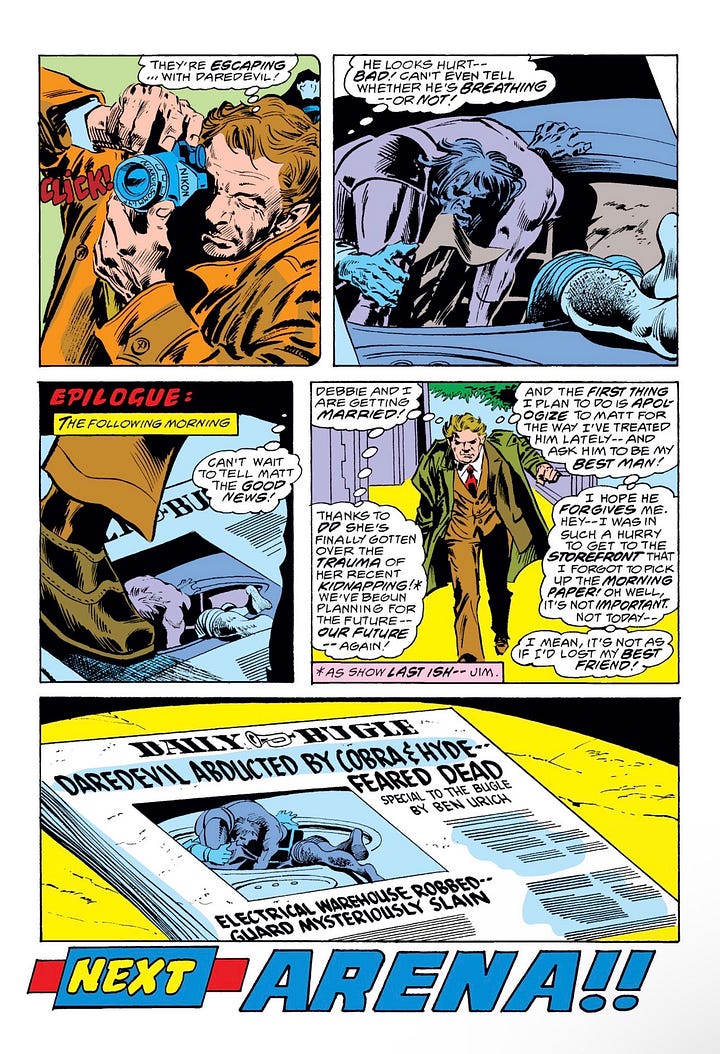
RIP, Roger McKenzie. Another legend of the biz lost.
One of the best things about comic book movies and TV shows is that the barrier to entry is so low.
You can sit down and watch Lanterns without knowing 70 years of Green Lantern history. You don’t need to know every Earth, every Corps or every weird thing that happened to Hal Jordan, John Stewart or Guy Gardner over the decades.
You can watch Daredevil on Netflix or Disney+ without having to know Frank Miller’s run from Brian Michael Bendis’ run from Ed Brubaker’s run from Chip Zdarsky’s run. The show gives you what you need. You meet the characters, understand the world and decide whether you want to spend more time there.
That’s part of why these adaptations work. They don’t make you feel like you need homework before you can enjoy the story. Comics, on the other hand, can be intimidating as hell for someone who’s never read them before.
If a person watches a movie and decides they want to read more about the character, they can go online or walk into a comic shop and immediately get hit with 700 issues, multiple relaunches, Legacy numbering, different creative teams, alternate universes, tie-ins, events and contradictory reading lists.
Maybe the series started at #1 four different times. Maybe it went back to Legacy numbering twice. Maybe the writer who got people excited left after 10 issues. Maybe another creative team stayed for 50. Maybe the story they want is out of print, maybe it’s only available digitally, maybe it’s in a huge omnibus that costs more than they want to spend just to see if comics are for them.
That’s a lot. And for a new reader, it can turn into paralysis by analysis. They don’t know where to start, so they don’t start at all.
It’s the same thing as sitting on your couch scrolling through Netflix, Disney+, Apple TV and every other streaming service trying to find something to watch. You spend an hour looking at options, watching trailers and adding stuff to your list. Then you look at the clock, it’s 11 p.m. and you just throw in the towel because you’ve spent so much time deciding what to watch that you don’t have time to actually watch anything. That’s what happens when somebody new to comics tries to figure out where to start. They get hit with too many choices, too much conflicting advice and too much history to sort through, then they decide it’s easier not to read anything at all.
Marvel and DC need to do a better job of creating a path from viewer to reader.
James Gunn did a good job pointing people toward Supergirl: Woman of Tomorrow while promoting the Supergirl movie. But that’s the kind of thing they need to be doing all the time, not just once in a while when a creator happens to care enough to bring it up.
There should be official podcasts tied to the cinematic universes that say, “You liked this character? Here are three comic runs you can read right now.” Not a 45-minute lore dump. Just a simple guide with a couple of easy entry points.
Before movies, theaters could run short promos the same way they run trailers: “Loved Daredevil? Start with these stories.” Streaming services could do the same thing with a card at the end of an episode. Credits for movies and TV shows should include suggested reading. Not every issue the adaptation borrowed from, just a handful of books that make it easy for someone to take the next step.
And they should be working more directly with local comic shops. Do release-day events. Give shops posters, reading guides and exclusive material they can hand to people who walk in after seeing the movie. Make it easy for the person who loved the show to find the book.
I don’t expect much of this to happen, to be honest. The corporate parents are going to look at the potential return on investment and decide it isn’t worth the effort. But if we care about the survival of the comic book industry, and not just the film and TV side that borrows from it, this is the kind of synergy I want to see most.
The movies and shows can bring millions of people to these characters. The publishers just need to stop making those people guess where to go next.
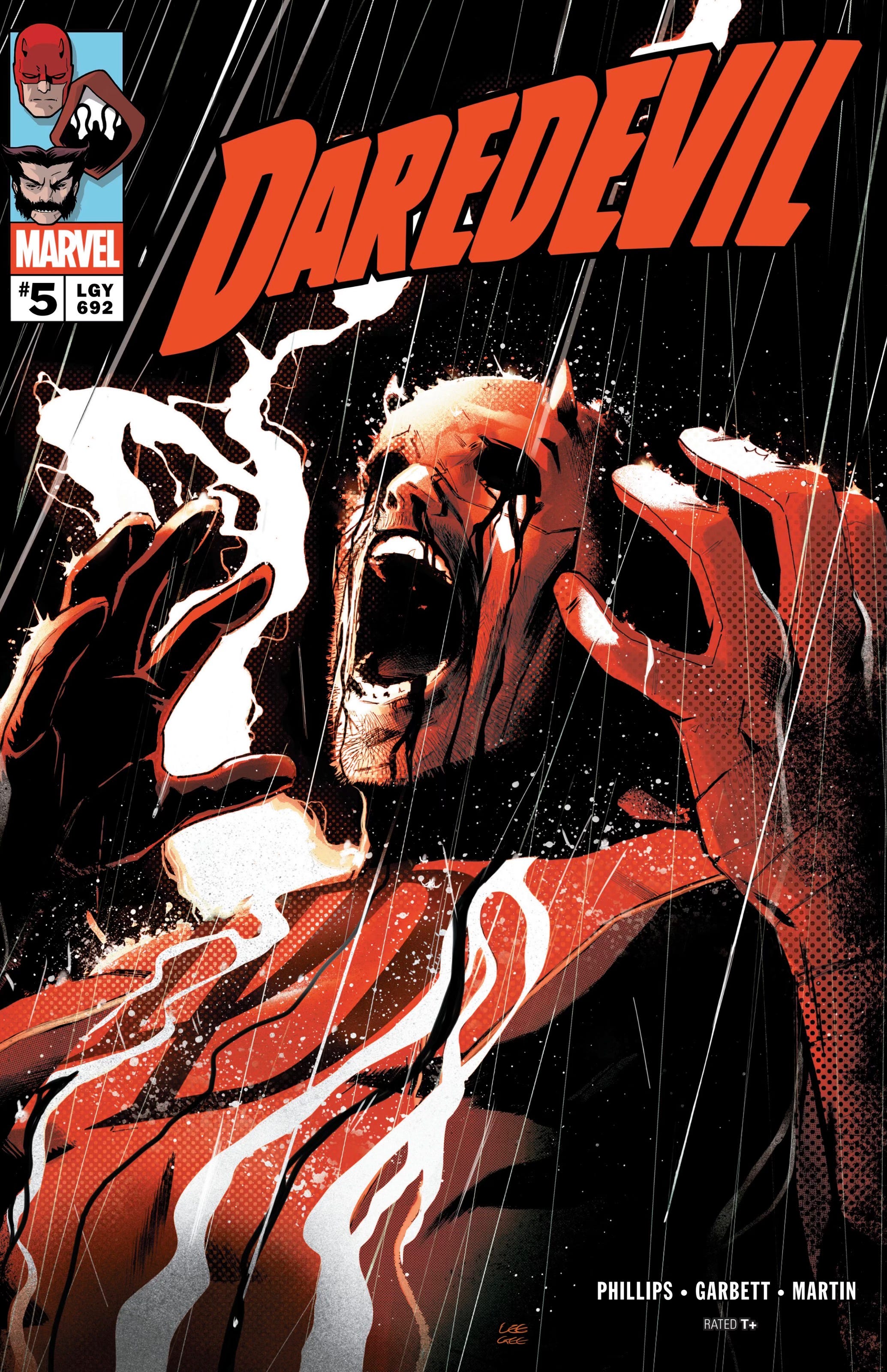
After 60+ years for the character, you want a creative team that can balance honoring the legacy of Daredevil with the responsibility of adding new things worthy of that legacy. And with the first arc of Stephanie Phillips’ and Lee Garbett’s new Daredevil run, they’re fucking nailing it.
They’re adding new toys to the sandbox instead of just playing with the old ones. We’ll still get legacy characters we love, or love to hate, but this team is building out the mythos in a way that gives us new stories to enjoy.
The new villain, Omen, is awesome. From the character design to the dialogue and action, he’s been a great addition to Hell’s Kitchen. And this first arc is definitely not the end of Omen’s story. We still don’t know a lot about who he is, why he’s targeting Matt Murdock or what’s behind his killing spree. But that’s fine because Phillips and Garbett haven’t rushed any of it. They’ve given us enough to make him interesting and dangerous while still leaving plenty of room to dig into the mystery later.
They’ve also introduced a bunch of supporting characters without trying to force-feed their backstories right away. We’ve gotten enough to be interested in them but there’s still plenty to explore as the run goes on. Detective Forte is particularly interesting to me. The trauma he suffered in these first handful of issues is bound to fuck him up in some major ways. I could see him being an ally in the police department for Daredevil, but I could also see this being the beginning of a series of events that pushes him over the edge and starts his origin story as a villain.
But, like I said, Phillips and Garbett aren’t rushing anything. The book is paced really well. It’s got the action, the noir and the mystery you want from a Daredevil book, but it doesn’t feel like it’s trying too hard. The story has room to breathe and they’re not constantly trying to remind you that Matt’s Catholic or a lawyer.
It’s easy to miss the little things that make Daredevil such a compelling character and you can’t just throw in Bible quotes and legalese and call it a day. Matt needs to feel like a real guy trying to keep his life together while also feeling like he can’t stop being Daredevil. Phillips and Garbett get that.
There’s a two-issue interlude next month with Flaviano on art, then a Mr. Fear arc starts in October. Meanwhile, Omen’s still out there. It’s clear that Phillips and Garbett have a real plan for this run and after the first arc, fucking sign me up for more. A lot more.
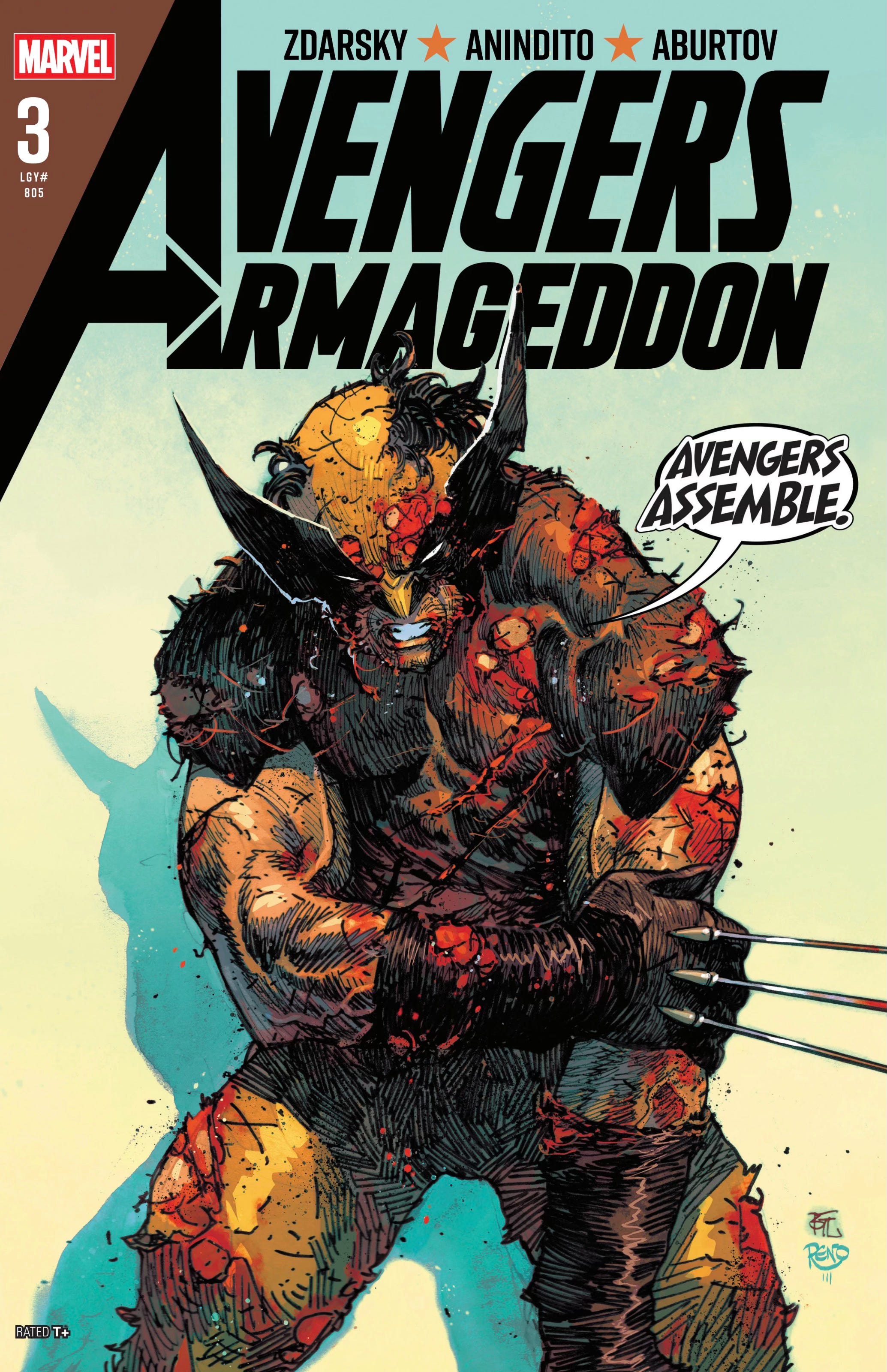
Chip Zdarsky is the fucking man.
He knows how to make a story feel big. Not just by throwing a bunch of characters into it or selling a million tie-ins, but by making the actual story and the choices the characters make feel big.
His Daredevil run did that. Devil’s Reign did that. Avengers: Twilight did that. And now Avengers: Armageddon is doing it, too.
This isn’t about some mad man hell-bent on taking over the world. There are real philosophical questions at the center of this thing. Ethical minefields. Thunderbolt Ross started all of this by deciding countries like the United States weren’t really committed to democracy and that he was going to force them to be. Now David Colton, a former Captain America who basically got Sentry powers from one of the Origin Boxes, has decided he’s going to forcibly get rid of every nuke on the planet.
And look, nobody’s saying nukes are good. But does David Colton get to make that choice for the whole planet? And do it by force? Does great power mean you have a responsibility to do something, even if nobody elected you to do it? Or does having that much power mean you’ve got even more of a responsibility to know when it’s not your call?
My favorite part of this issue is a scene with Colton, Wolverine and Bucky Barnes debating that question. You’ve got three former super-soldiers who were experimented on by their own governments and turned into weapons. Governments that were supposed to be by and for the people.
Is Colton right when he says no more? Is Logan right when he says it’s not their call? What does Bucky think after everything that was done to him?
The action and art are both great, but it’s the human conflict that makes this book so good. These people have the power to change the world and they’re trying to figure out if they should. It’s like Jeff Goldblum’s line in Jurassic Park. Colton is so pre-occupied with whether he could do it that he never stops to really ask if he should do it.
Zdarsky says the next issue — issue #4 — changes the Marvel status quo forever. I can’t fucking wait.
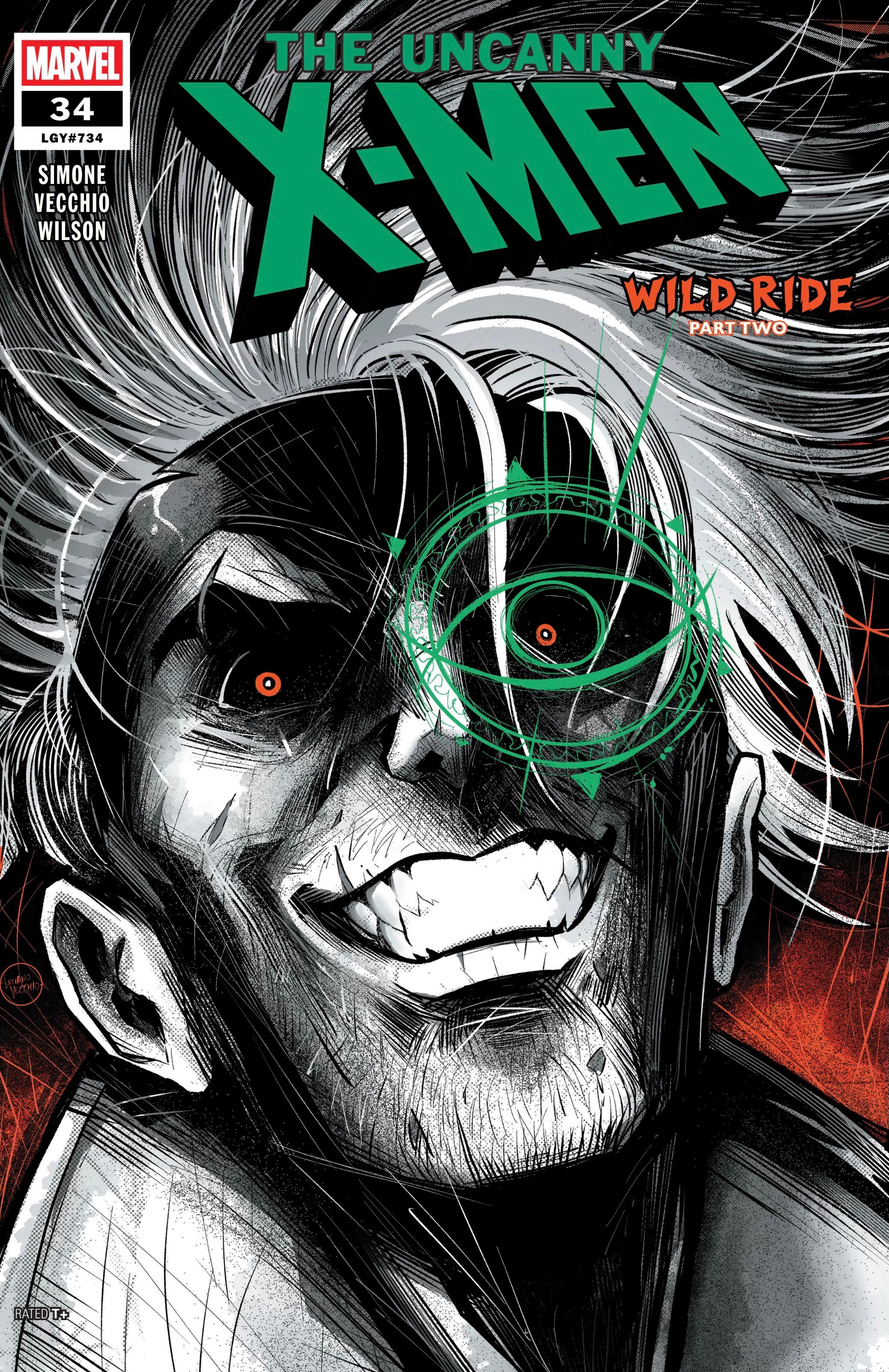
I’m loving this Gambit and Rogue story about trying to exorcise the demon that’s infected Remy.
Some of the best issues in Gail Simone’s run have been built around Gambit and Rogue’s inner monologues and this issue is a perfect example of why that works so well. Gail just gets their voices.
I’ve always been a sucker for stories where a hero gets infected or corrupted by something evil and has to fight it before it completely takes them over. It works in comics, movies, TV shows, whatever. It’s a great kind of story when you care about the person going through it. And you care about Gambit here. Having Rogue beside him the whole time, fighting with him and never wavering, says a lot about both of them. It shows how strong they are as characters and how strong they are together.
Luciano Vecchio and Matthew Wilson are absolutely crushing the art. The color palette of purples, pinks and grays in the Gambit and Rogue scenes look incredible. Combine that with Gambit’s demonic transformation and you get some really stunning pages. I also love the demonic Sentinel designs. They’re creepy as hell and they’re a great new spin on a classic villain design.
The B-plot with Monet, Wolverine and the rest of the team finding this young mutant who has clearly been abused and treated like an animal by his “handlers” feels like it’s going to hit hard once we get deeper into it. We haven’t even met these handlers yet and Gail has already done a good job of making me want to see them get what’s coming to them.
And a strong villain you can really despise is always a good sign.
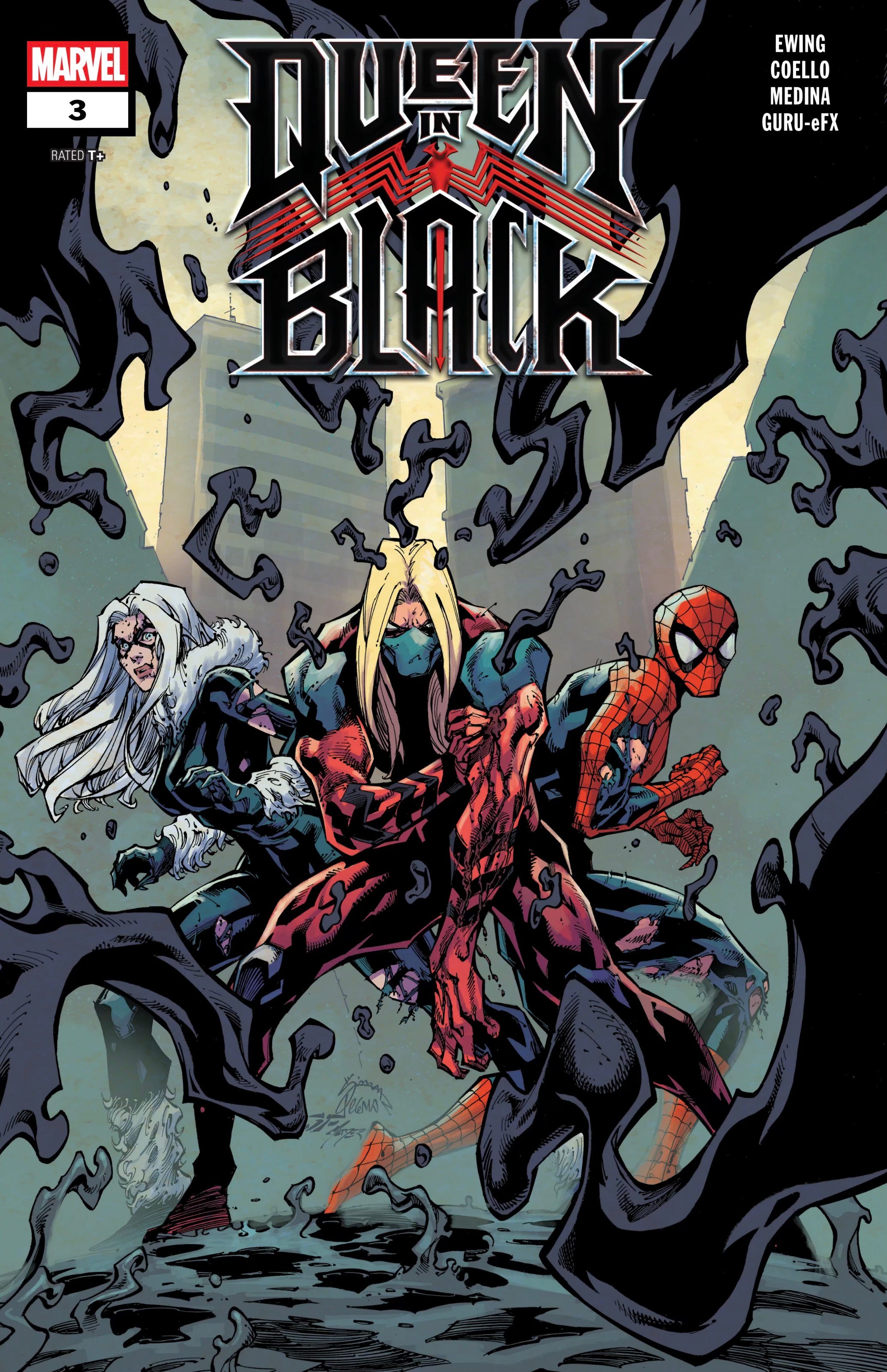
I’m getting really frustrated with how this event is going.
The first issue was good. It had scale. Hela’s invasion of Earth made it feel like a real event and like the Marvel Universe was dealing with something huge. Then issue #2 pretty much killed that momentum by giving us a generic battle that somehow felt smaller than the first issue.
Now issue #3 does more of the same. And Hela, the fucking Queen in Black, isn’t even in the issue. Not one panel. Instead, Captain Marvel and a few giant-sized heroes fight symbiote kaiju in a shockingly unoriginal clusterfuck. Then the Spider-family fights Skrullbiotes on the way to the Baxter Building. There’s action, sure, but none of it has weight because there’s no real villain driving the conflict.
The symbiotes are just generic monsters. They don’t have personalities. They don’t have some bigger plan. They don’t have any kind of villainous intelligence that makes them interesting. They’re just there for the heroes to punch. So why are they giving the good guys such a hard time? Spidey and company should be mopping the damn floor with them.
Spider-Man is also weirdly preachy and judgmental here. He’s not even especially likable. Eddie Brock is wasted in this issue. Black Cat gets mentioned a few times but never shows up, which is extra annoying because the cover makes it look like she’ll be a major part of the issue.
But seriously, Hela isn’t in the fucking book.
You’ve got this cool premise with Hela taking on the power of Knull and launching an invasion of Earth. That should be huge. It should feel dangerous. Instead, the event keeps falling back on generic symbiote fights with no real stakes or personality.
They had a really cool setup here and they’ve shit the bed with it at almost every turn.
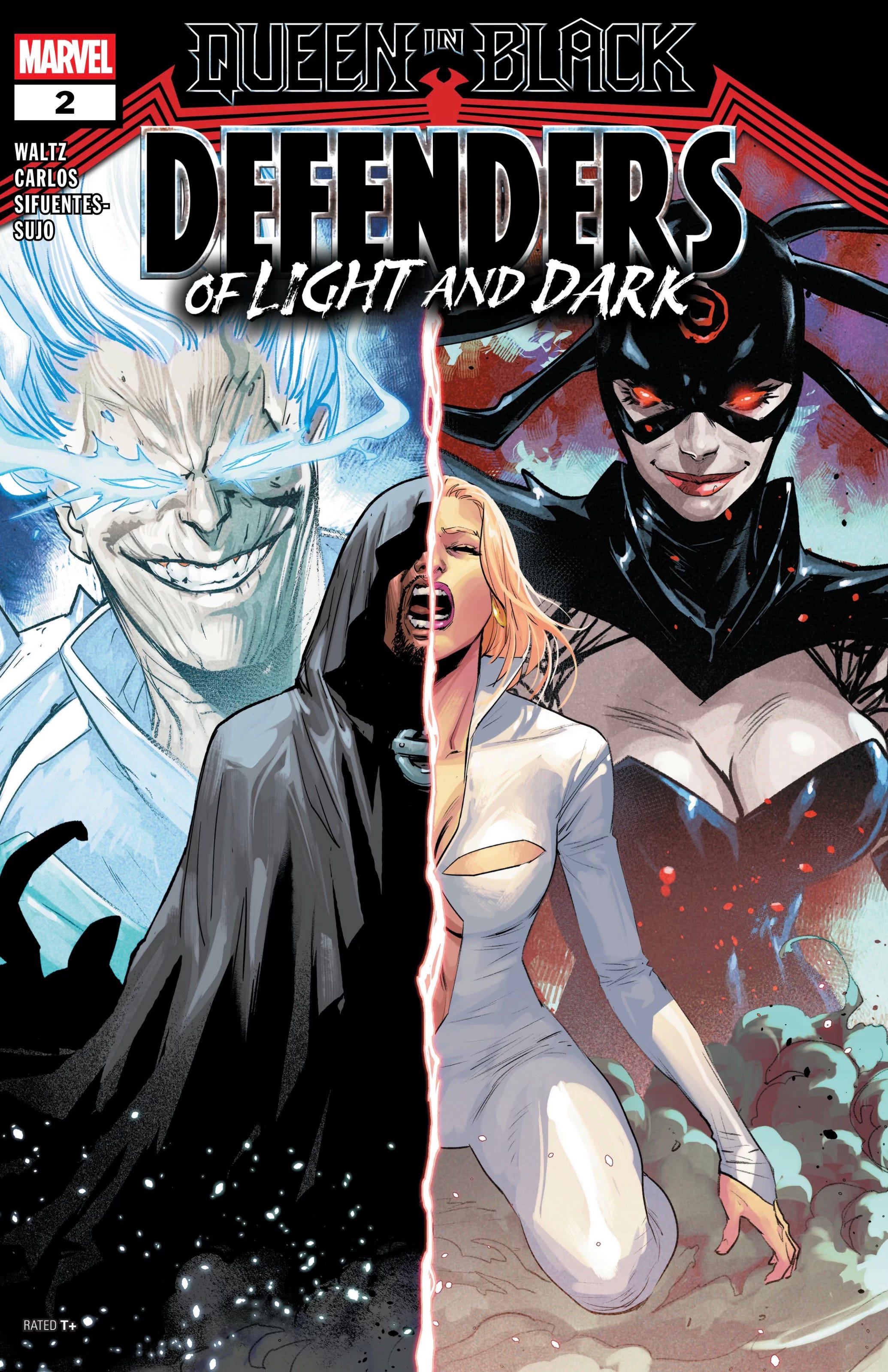
This is so much better than the last couple issues of the main Queen in Black book and that’s a big problem.
This one focuses on Cloak and Dagger, which makes total sense. They wield the Lightforce and Darkforce, so they’re a natural fit for a story involving Knull and Hela as gods of light and dark.
But it’s not just that their powers fit the story. Cloak and Dagger have real chemistry and that gives this book an emotional center the main event has been missing. The main Queen in Black issues have mostly been heroes fighting generic symbiotes. This actually feels like it’s about something. It takes the mythology seriously and gives you characters you want to follow.
And somehow, we get more Knull and Hela in this tie-in than we got in the last main event issue. That’s just fucking stupid.
The main book should be doing the heavy lifting for the event. That’s where the big villain moments and the core story should be happening. Instead, this tie-in feels more important than the actual event series right now.
The sad reality is that the main book is so disappointing a lot of people will probably skip this miniseries, which has actually been pretty damn good.
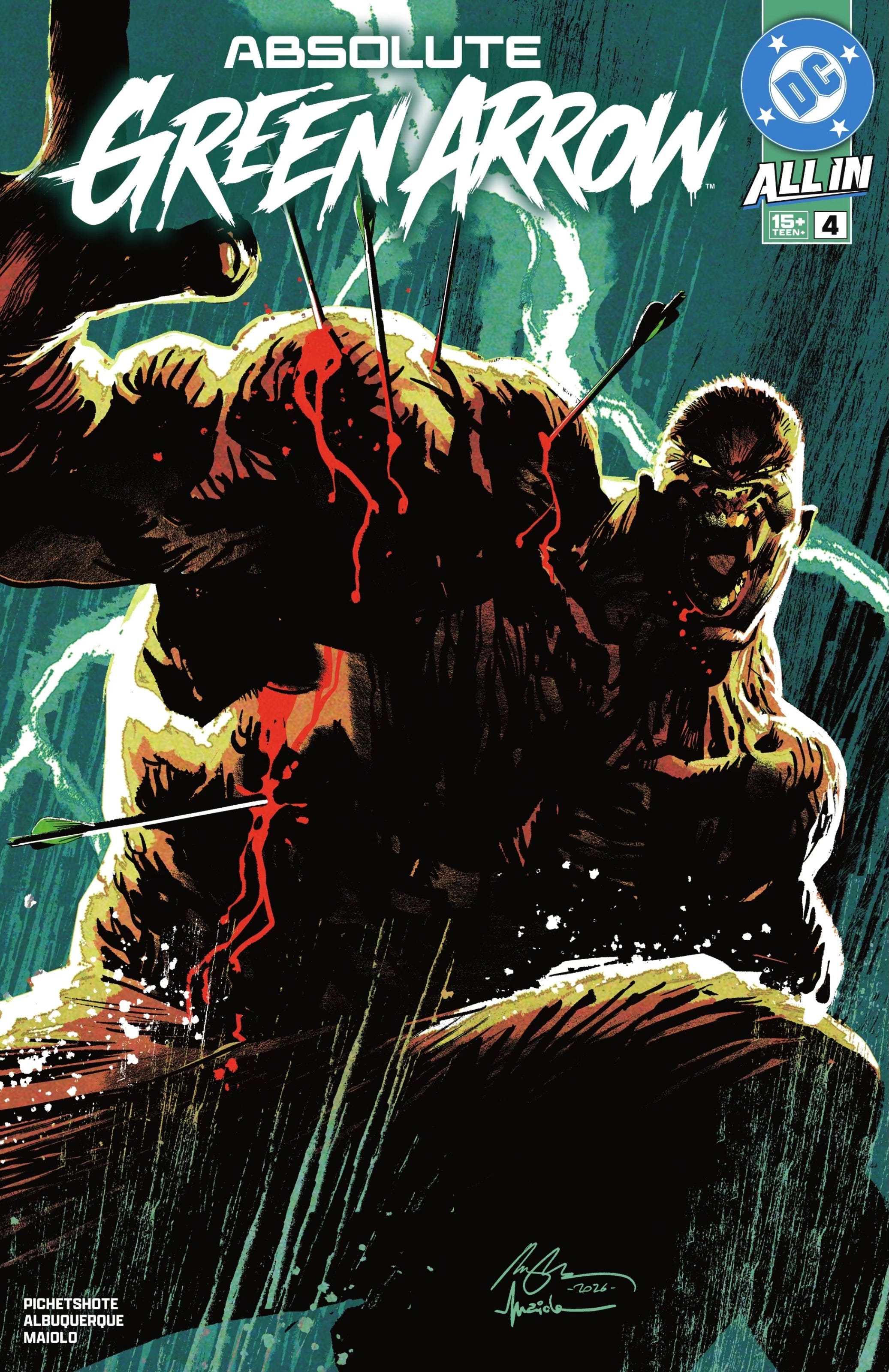
When this book was first announced, I never thought Absolute Solomon Grundy would end up being one of the coolest and scariest-looking villains in the whole Absolute Universe. But fuck yeah, he is.
Rafael Albuquerque’s design for Grundy is horrific and I can’t get enough of it. He looks like something out of a nightmare but he doesn’t feel like a boring retread of the main DC Universe version of Grundy.
Combine that with the story Pornsak Pichetshote is telling and it’s hard not to put Absolute Green Arrow right up there with the Trinity titles as one of the best Absolute Universe books so far.
Albuquerque is doing some of his best work here. The atmosphere, the shadows, the facial expressions and the way he handles action all work so well for this book. It’s got this really cool noir feel that comes naturally to Pichetshote.
The reality is, while the book is called Absolute Green Arrow, Dinah Lance is 100% the main character of this story. In only four issues, he’s made her one of my favorite characters in the Absolute Universe. I’m even more excited for her one-shot now.
This issue answers some questions we’ve had since the beginning, but it raises a bunch more as we get closer to the end of what was originally supposed to be a six-issue story. Now the series is going 12 issues. I don’t know if the back half is going to be a completely new arc or if Pornsak already had a bigger story ready if they got more room to tell it.
Either way, he’s earned my trust. This book is fucking great.
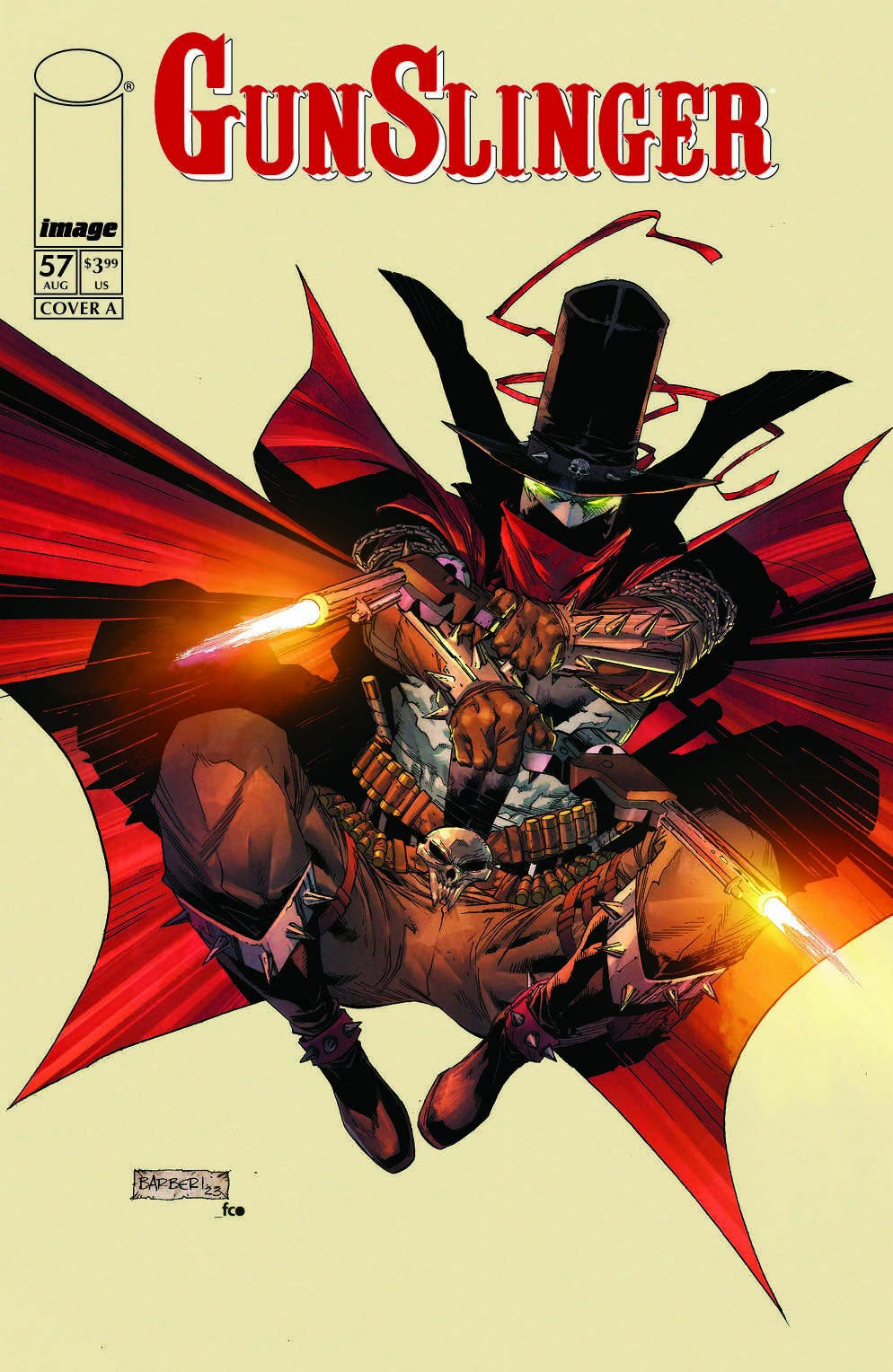
This is a strong issue. You get plenty of Gunslinger action, but Dakota gets some badass moments, too. I’m liking her more and more as a character and it’s good to see her getting more to do.
Sometimes the art can get a little chaotic, especially during the bigger action scenes. There are moments where it’s hard to tell exactly what’s happening. But for the most part, it looks great and has the kind of energy you want from this book.
I still prefer the version of Gunslinger we get in Jimmy Palmiotti’s Deadly Tales series, but that’s just a matter of taste. It’s like people who prefer Johnny Blaze over Danny Ketch, or the other way around. I’m more into the Western setting and the style of storytelling in Deadly Tales.
But Erica Schultz is a great fit for these modern Gunslinger stories. She’s writing the hell out of this book and she clearly understands what makes the character work in this setting. It was great meeting her at Terrificon a few weeks back, too. She’s doing really good work here and I’m enjoying this title every month.
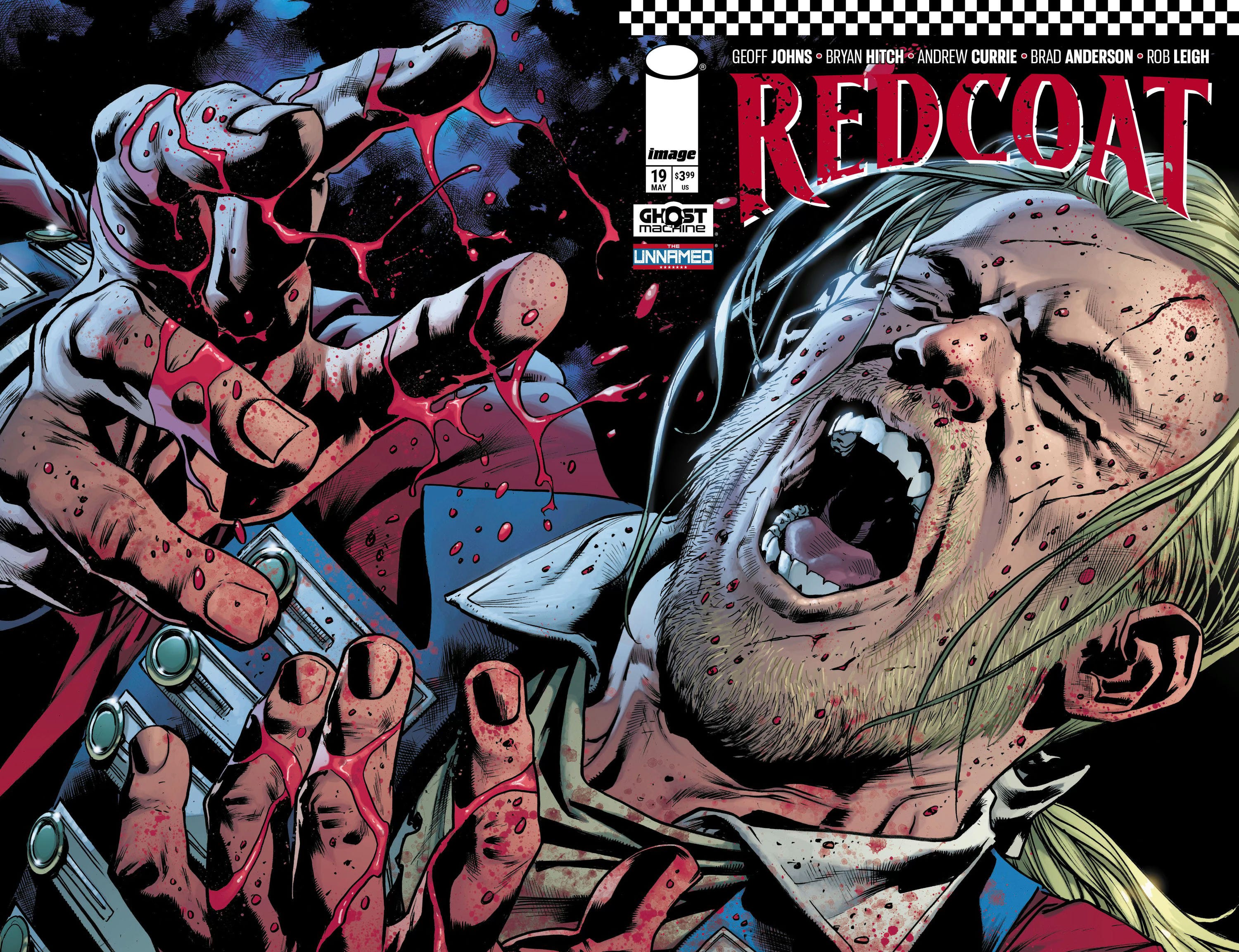
I go back and forth between Redcoat and Rook: Exodus as my favorite Ghost Machine book. But goddamn, this issue makes a really good case for Redcoat being number one.
Geoff Johns and Bryan Hitch can still surprise the hell out of you. You never really know what they’re going to do next with this book and that’s part of why it’s so much fun. There’s a lot of adventure here. There are big ideas. There’s history and plenty of stuff you won’t get from most superhero books. But underneath all of that, it’s really about the characters, what they go through and how it changes them. This issue goes to some dark places I never expected it to go.
And that’s what makes it hit. Redcoat isn’t just a fun adventure comic. It’s got real emotional consequences and this issue proves it isn’t afraid to let the characters get hurt or make choices that come back to haunt them.
The delays and hiatuses since the series launched have sucked, but there’s no world where a new issue of Redcoat comes out and I don’t buy it.
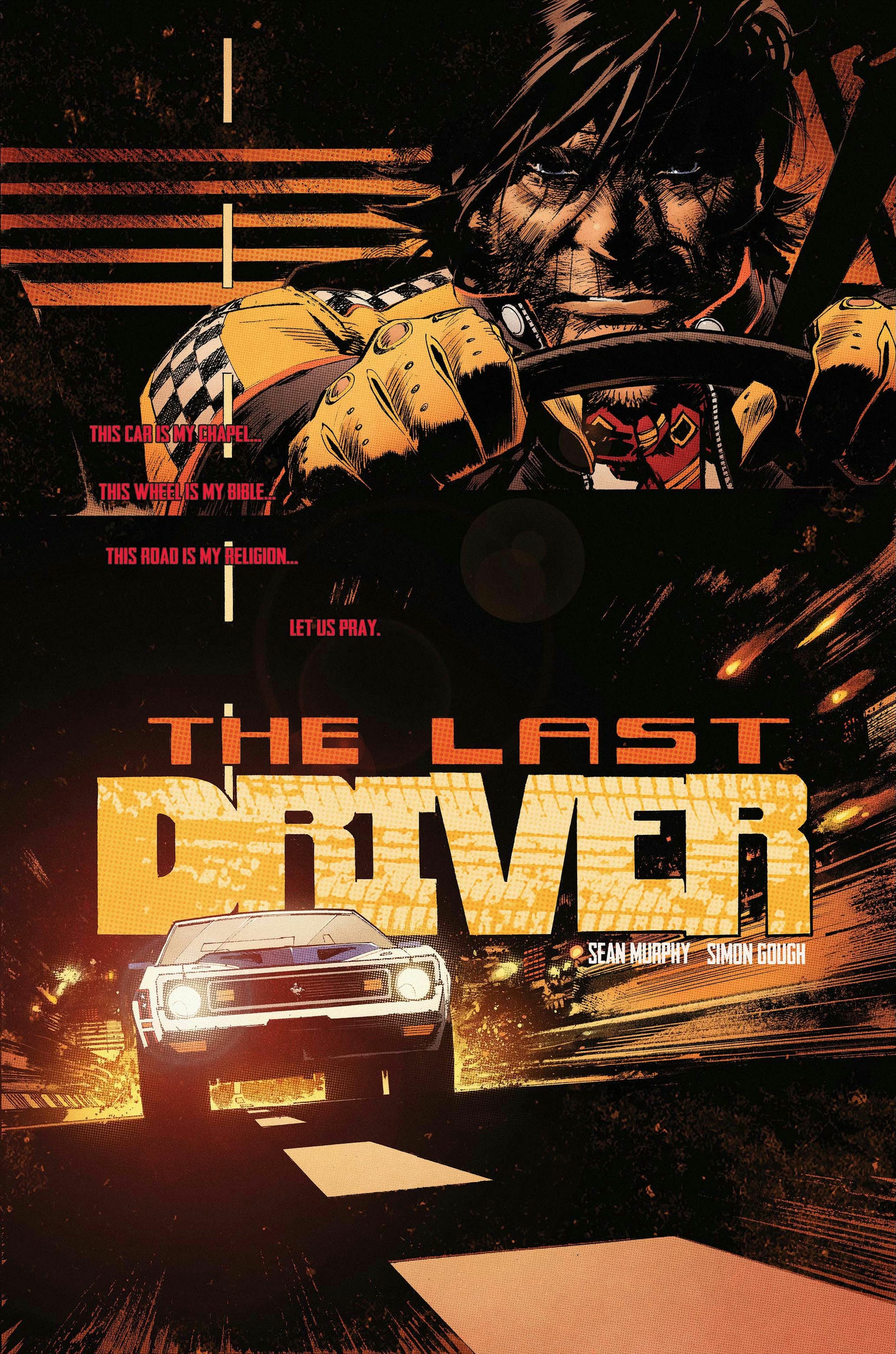
Sean Murphy is a fucking amazing storyteller, so it’s no surprise that The Last Driver is this good. I’ve known about this project for a while and was really looking forward to it. But somehow, in all the lead-up to its release, I missed the fact that it was going to be a landscape-oriented (horizontal) comic.
Now that I’ve read it, I can’t imagine it being done any other way. Opening this book and taking in the art, the whole thing feels like a movie in your hands. The wide format lets Murphy give you these huge cityscapes, long stretches of road and action scenes that have room to breathe.
Please, dear fucking God let this get an oversized collected edition when it’s done.
The world Murphy creates is scary because it feels like a future that could actually happen. Cities are controlled by the rich and powerful. Technology has taken over virtually every part of life. Automated police robots have turned society into something that feels like one giant authoritarian state.
Clutch is one of the only people who remembers what the world was like before all of that. He gets pulled back into the underworld he used to be part of as a smuggler, then has to race across the city in a classic Corvette Stingray to save his granddaughter.
That’s already a badass setup. But there are bigger forces at work, shady people with their own agenda and Clutch is clearly being used as a pawn in a much bigger game. Murphy makes the book move like a great chase movie, but it’s not just action for action’s sake. You can kind of relate to Clutch and this world because it doesn’t feel that far off from what we could plausibly see ourselves one day. That makes you actually care what happens to Clutch in the end because you can almost see yourself in him.
Sean Murphy is doing a signing at a comic shop near me in September. I’ll 1,000% be getting him to sign this first issue.
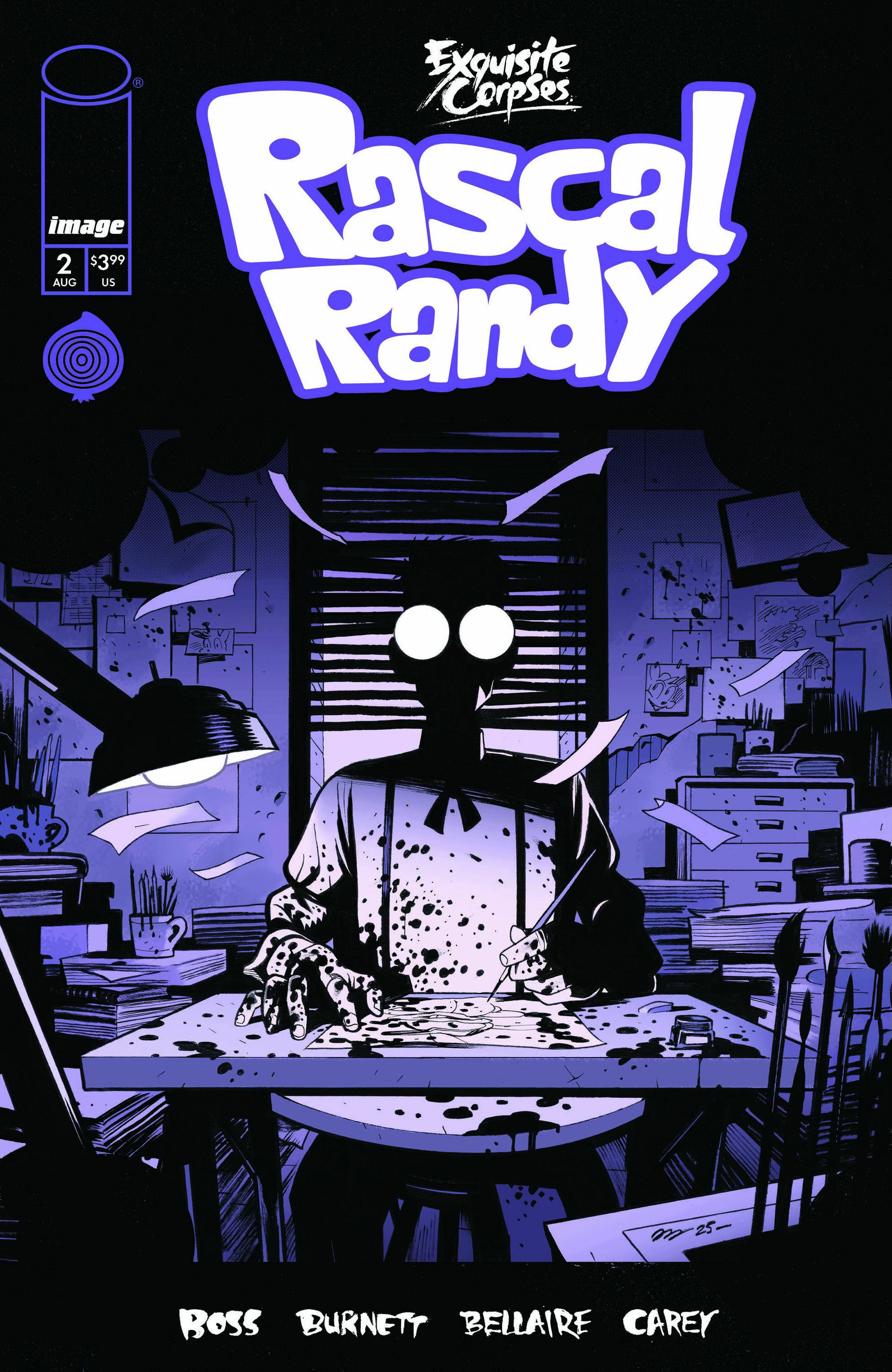
Another creepy as all hell and really entertaining book in the Exquisite Corpses world.
This issue gives us more of the origin of Rascal Randy, who started as a comic-strip character and became a movie property before his likeness got co-opted by killers. But the history of the character is bloody from the start. There’s commentary here about corporate ownership of characters created by artists who are then mistreated, which gives the story something extra beyond the horror.
I’m not sure if it’s supposed to be a full-on indictment of how big companies handle characters created by writers and artists, or if it’s more of a statement in support of creator-owned projects. Maybe it’s both.
Either way, it works. Rascal Randy isn’t just a creepy mascot. He’s a character who got turned into a product and outlived the people who created him. That makes the horror feel a little nastier. If you’ve been enjoying Exquisite Corpses, you’ll dig this.
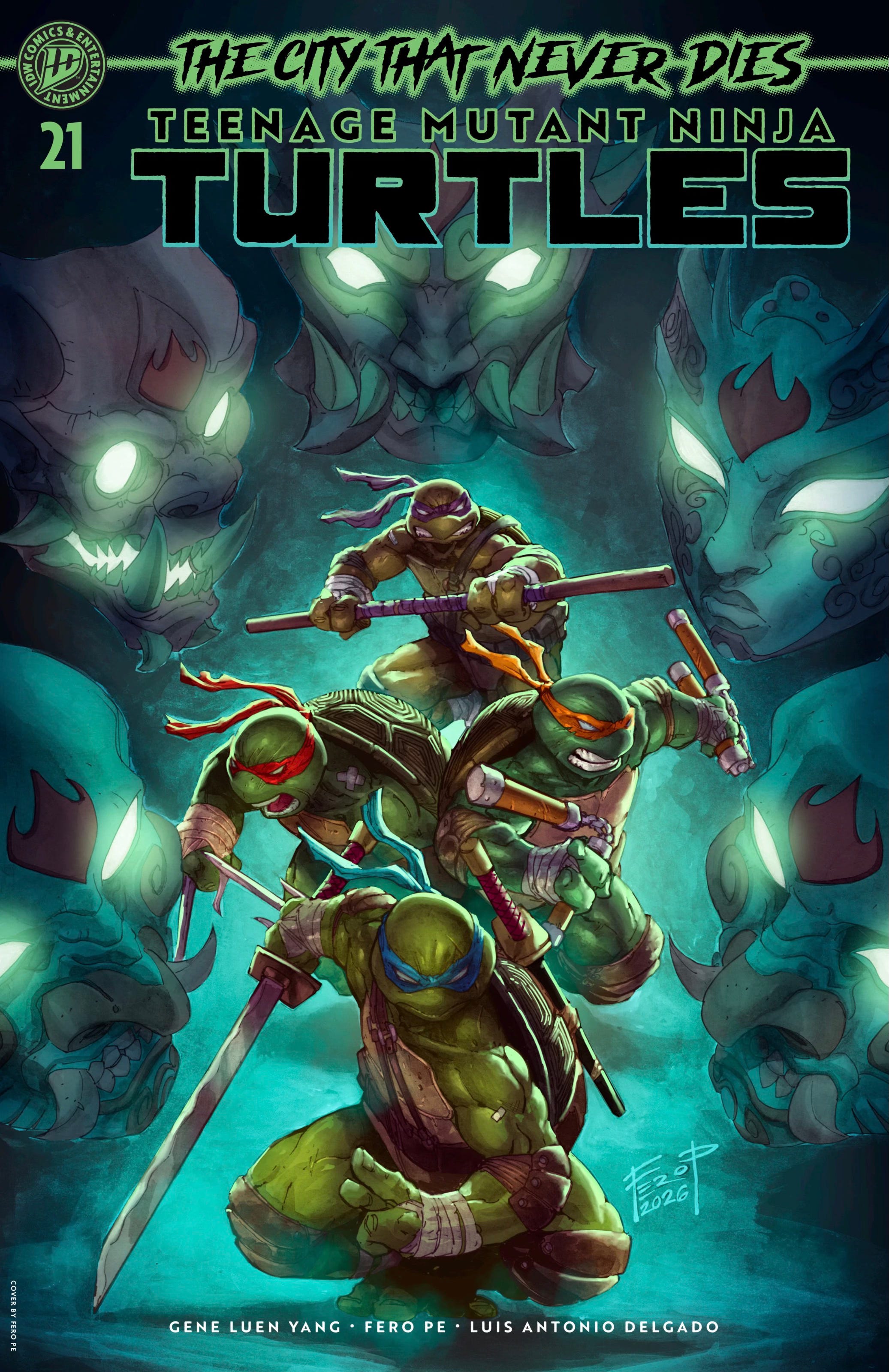
The Turtles have to stop Baxter Stockman and Karai from using a portal to bring more Foot Clan warriors back from the dead. There’s a lot of action in this one and we get the return of Shredder. I was kind of bummed that those two things didn’t happen at the same time. I was hoping we’d get some badass Shredder fight scenes, but I guess they’re building anticipation for that.
Tang Shen gets to use her mystical kusarigama again to send people and creatures back to the land of the dead and it’s cool every time she does it. Kusarigamas are just cool weapons in general, so I’m always good with them using it more.
Baxter Stockman also proves once again what an evil prick he is. That makes him a good villain alongside Karai and the Foot Clan.
I’m still not sure how they’re going to use Shredder going forward. I prefer him as the main bad guy in TMNT, but at least for now he seems to be more of a tentative ally. That could be interesting, but eventually I want him back as the real threat.
Overall, it’s a good issue and a good arc so far. I would’ve liked to see Casey show up, though. After the emotional gut punch from last issue, it would’ve been good to sit with that a little more. I also wanted more character moments for the Turtles. I feel like the Jason Aaron run did more with the individual brothers than we’ve been getting lately.
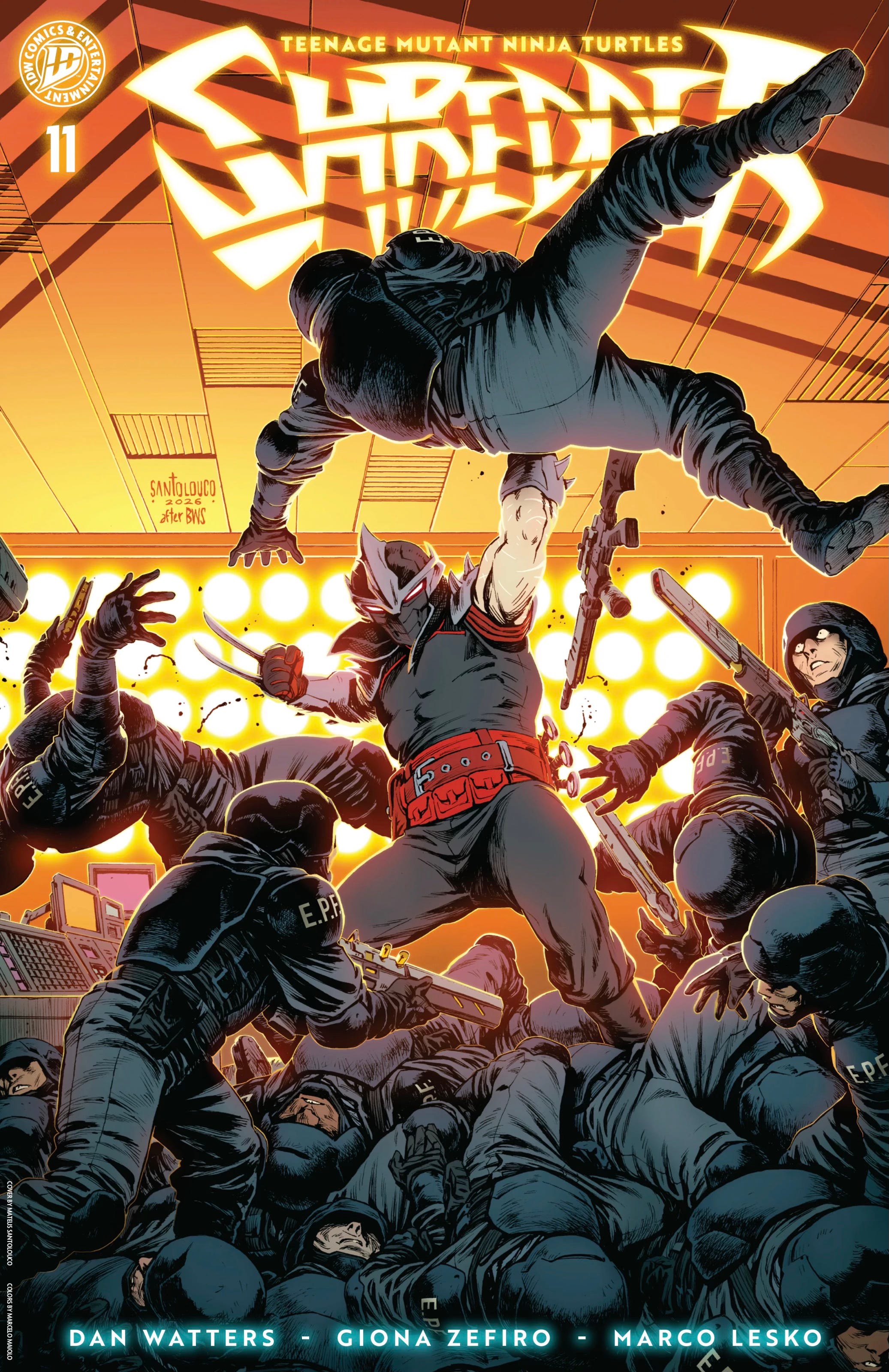
I’ve felt like this series had run its course for a while and that Shredder should just be back full-time as the main villain in the TMNT book. But I really dug this issue.
It kind of reminded me of the J.J. Abrams show Alias with Jennifer Garner back in the day, at least in the way it’s structured and paced.
You’ve got the director of the EPF talking to military and government leaders through a bunch of computer screens in a dark room. He’s going over everything that happened in the last few days, starting with them capturing Shredder. Except that was Shredder’s plan all along.
He turns the tables on them and the story slowly catches up to the present to show you how it all ends. You know things went sideways, but it keeps you reading because you want to know exactly how bad it got.
I went from thinking this series needed to wrap up to wanting to read the next issue right away. That’s a pretty good turnaround.
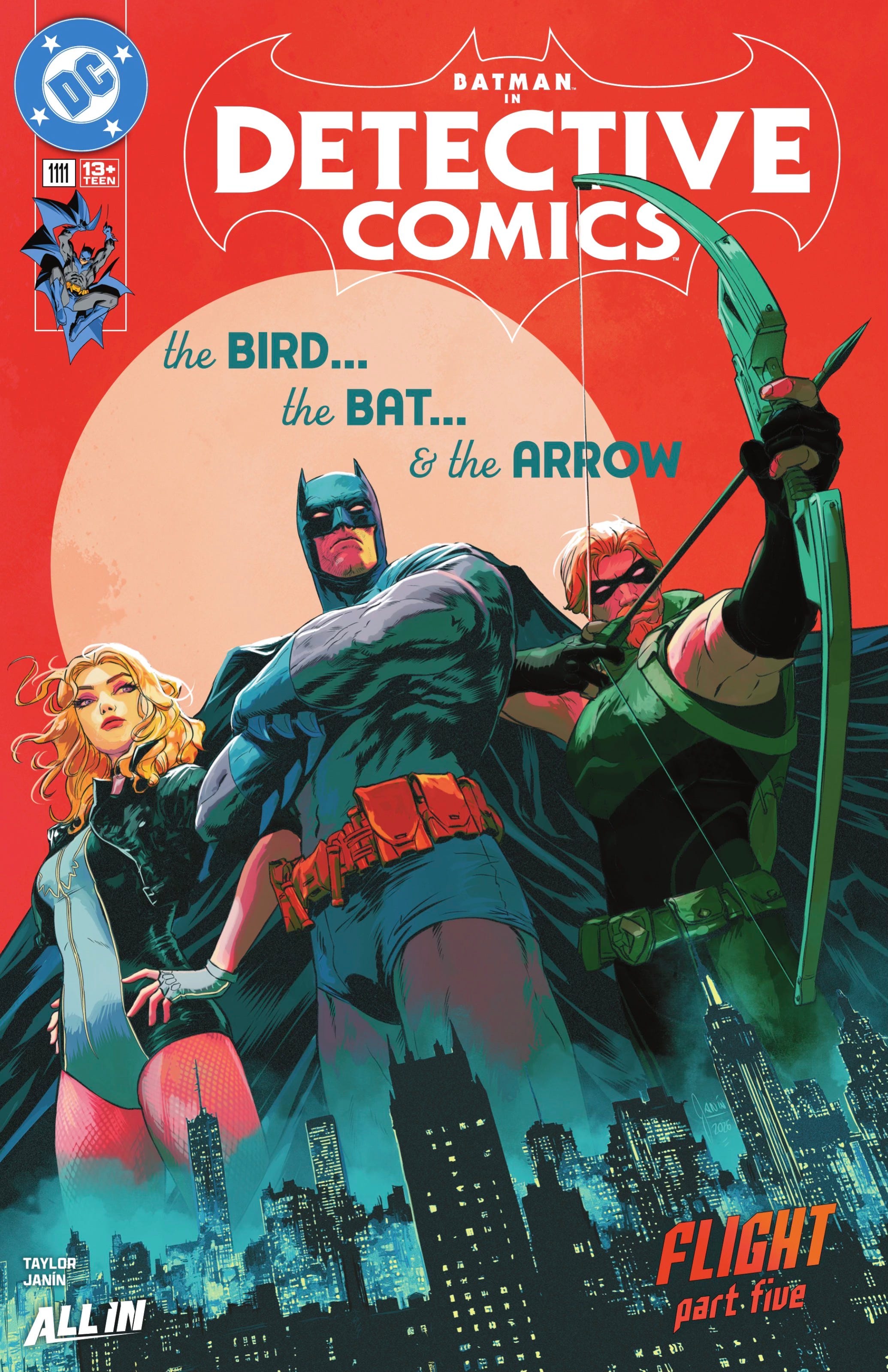
Tom Taylor’s whole Detective Comics run has been excellent, but this might be my favorite arc he’s done so far.
It’s a fun, action-packed, mystery-driven team-up with Batman, Green Arrow and Black Canary. But there’s also a new character in the mix named Prion, and he’s not just some random new guy created to move the story along. There’s real heart behind him.
This issue gives us answers to a bunch of questions we’ve had since the arc started, but it also opens up a whole new batch of questions I want answered immediately. And the dialogue is great.
At one point, one of the villains tells Batman that if he doesn’t do what she wants, she’ll kill everyone he holds dear. This woman has to be in her seventies. Batman asks if that means he and his allies will be spared.
She says, “No, your lives are forfeit. But your loved ones will be spared.”
Who says that to Batman?! I’m going to kill you no matter what, but I’ll show your family mercy if you bend the knee.
Total badass grandma. The next issue can’t come fast enough.
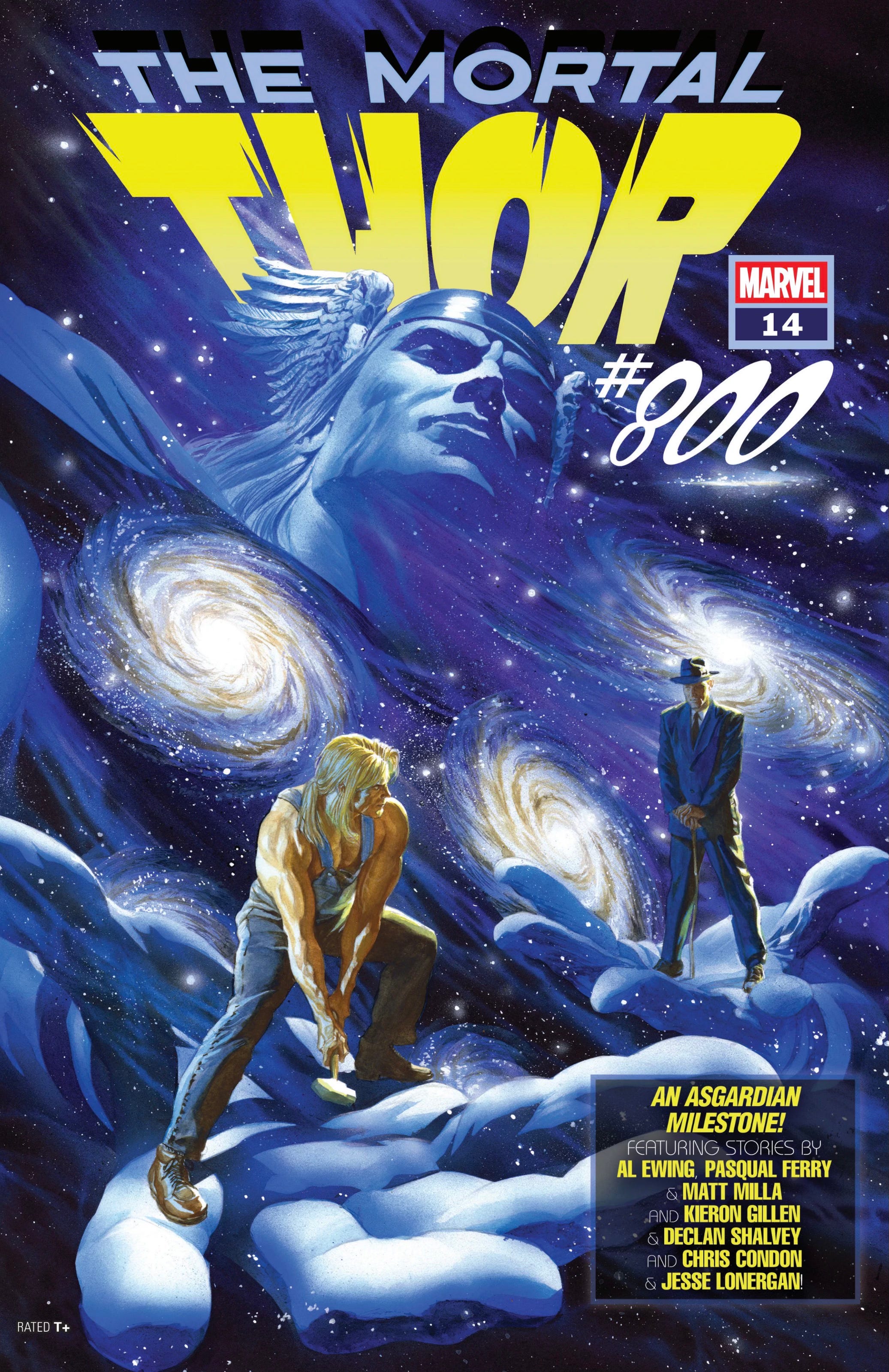
This issue is all about the trials of Sigurd Jarlson, the guy who was Thor but not really, but kind of, but doesn’t remember, but might be able to bring Thor back. It can get a little confusing, but that’s par for the course with a lot of Al Ewing’s books.
There are some cool twists involving Loki, Odin and the World Serpent that I liked. Ewing’s always good at coming up with weird, creative ideas and this issue has some of that.
The problem is the whole Sigurd storyline has gone on too long for me. There have been some standout issues during this part of the run, but it’s been more than a year since we’ve had a proper Thor comic where Thor is actually the main character. I like that they’re going back to the simple Thor title and legacy numbering after this. But it sounds like the next arc is still going to be Sigurd on a quest to remember Thor or bring Thor back.
That’s got me worried.
At some point, this story needs to move toward a payoff instead of continuing to circle the same mystery. I’m also worried Thor won’t factor into Queen in Black very much because of this, and that event is already pretty underwhelming.
I’ll give it one more issue. But if it doesn’t make me excited about what’s next, the rest of Ewing’s Thor run might be a Marvel Unlimited book for me. I’ll catch up when it hits the app three months after it hits stores.
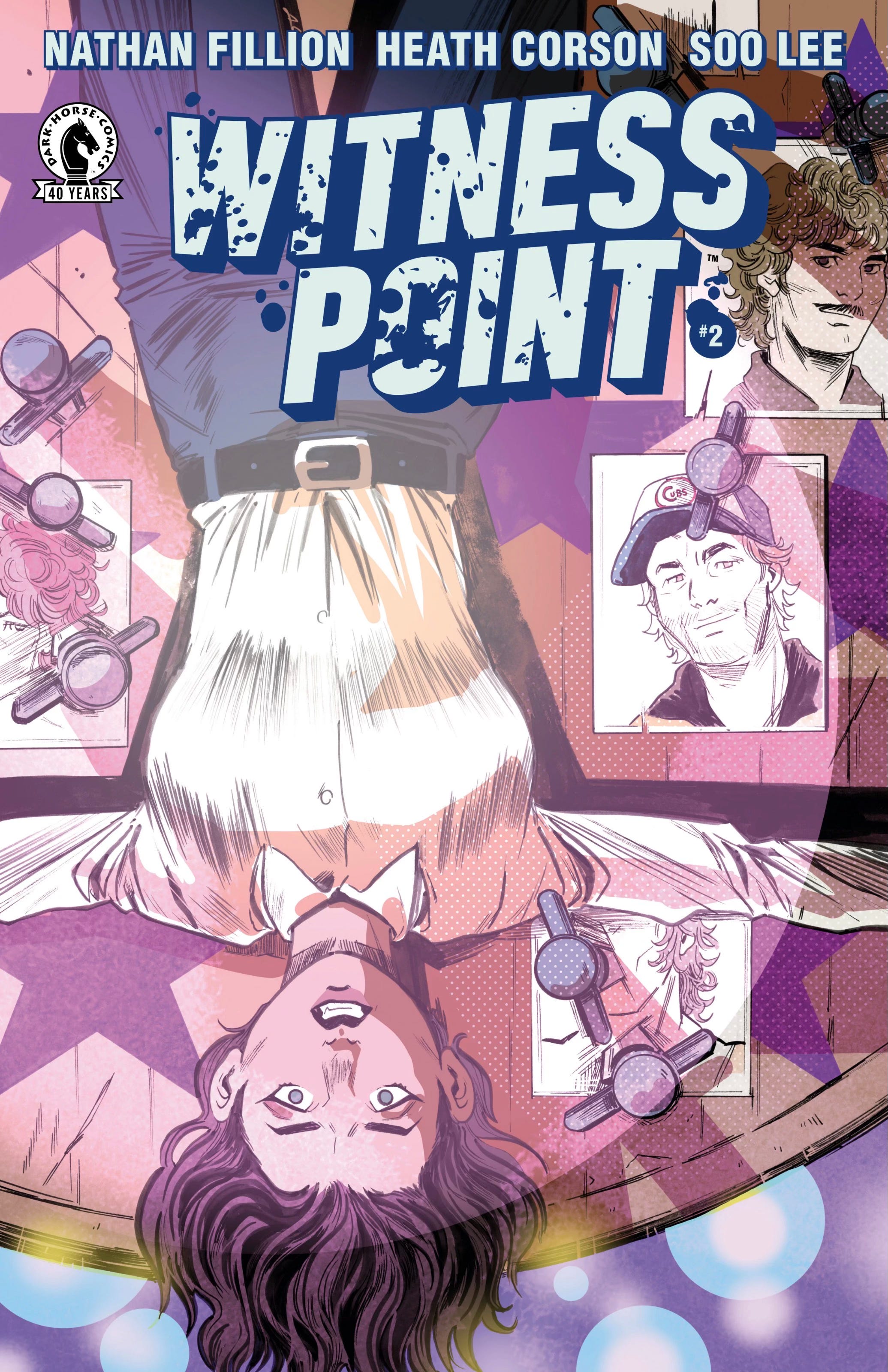
I really like this book. A lot.
It’s a fun murder mystery set in a Small Town America where more than 60 criminals from the Witness Protection Program have been hidden away. A lot of them have built new and productive lives, but every single one of them becomes a suspect when a man posing as a U.S. Marshal gets murdered.
The local sheriff and a real U.S. Marshal are trying to solve the case before all hell breaks loose. At the same time, a group of local teens in the town’s true crime club is trying to break the story for their podcast and Substack. The whole setup feels like it could be a Netflix show.
The writing is sharp. It’s funny without getting too cheesy and the characters are likable. The dialogue and narration flow really well, so the book has a good rhythm as it moves through the mystery.
We’re two issues into a four-issue story and I’m already wishing it was longer. That’s always a good sign.
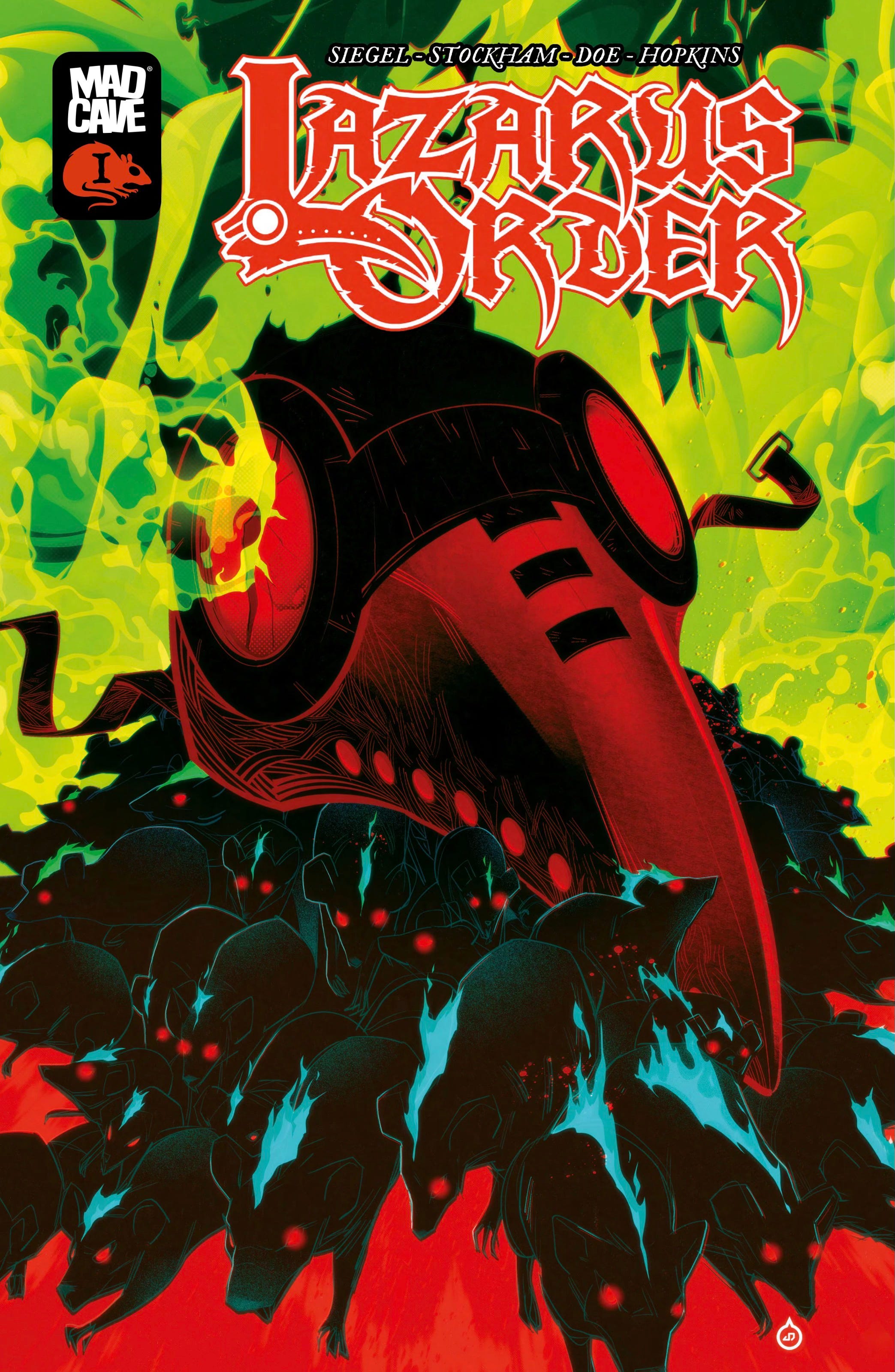
I read a preview of this about a month ago and it had me curious. The first issue more than delivered.
The setup is great. A secret order of plague doctors uses supernatural powers to fight threats to mankind that also seem to have supernatural origins. We don’t know exactly how they got their powers yet, but I want to find out.
Damien is a young member of the order who follows the rules. Edward is a veteran who isn’t afraid to bend them or think outside the box. It’s a familiar kind of pairing, but they both have enough personality that it works. They’re called in by a woman whose husband has been infected by something that’s turning him into a giant rat-man with supernatural powers.
The art is colorful and vibrant. There’s a ton of action that feels like it could’ve been pulled out of a Doctor Strange book. We also get hints of a much bigger world full of supernatural threats and mysteries.
I immediately want to know more about the Lazarus Order. Usually in stories like this, someone high up in the secret organization is hiding something or isn’t on the up and up. I’m curious if that’s where this is headed and who or what the real big bad is.
Definitely picking up issue #2.
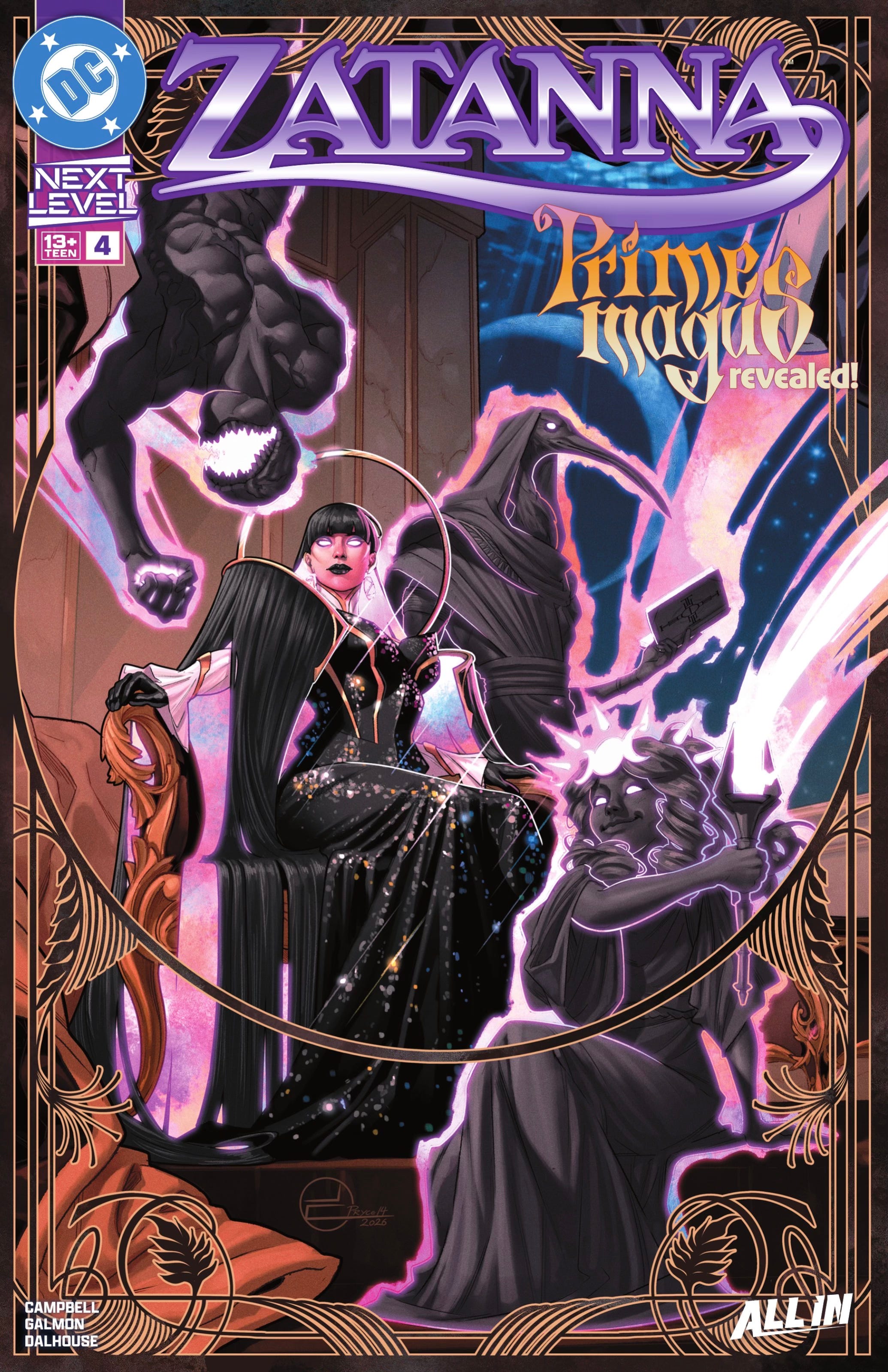
As I started reading this issue, I realized there wasn’t going to be a real villain in it.
That had me a little skeptical because with magic-driven comics, I feel like you need a strong villain. Otherwise, everything can seem too easy for the main character. But this issue wasn’t about a villain. It was about the truth behind the Prime Magus title that Zatanna now holds.
The Shades of Magic are introduced here. They’re basically manifestations of the previous Prime Magi, and it’s a cool way to start peeling back the layers of what the title actually means and what it’s supposed to do.
The Prime Magus is very different from Marvel’s Sorcerer Supreme and I appreciate that. There’s a chance here to build new lore and rules in DC’s magical world without making it feel like a copy of Marvel.
It’s not the most action-packed issue, but it’s an important one for building out Zatanna’s corner of the DC Universe.
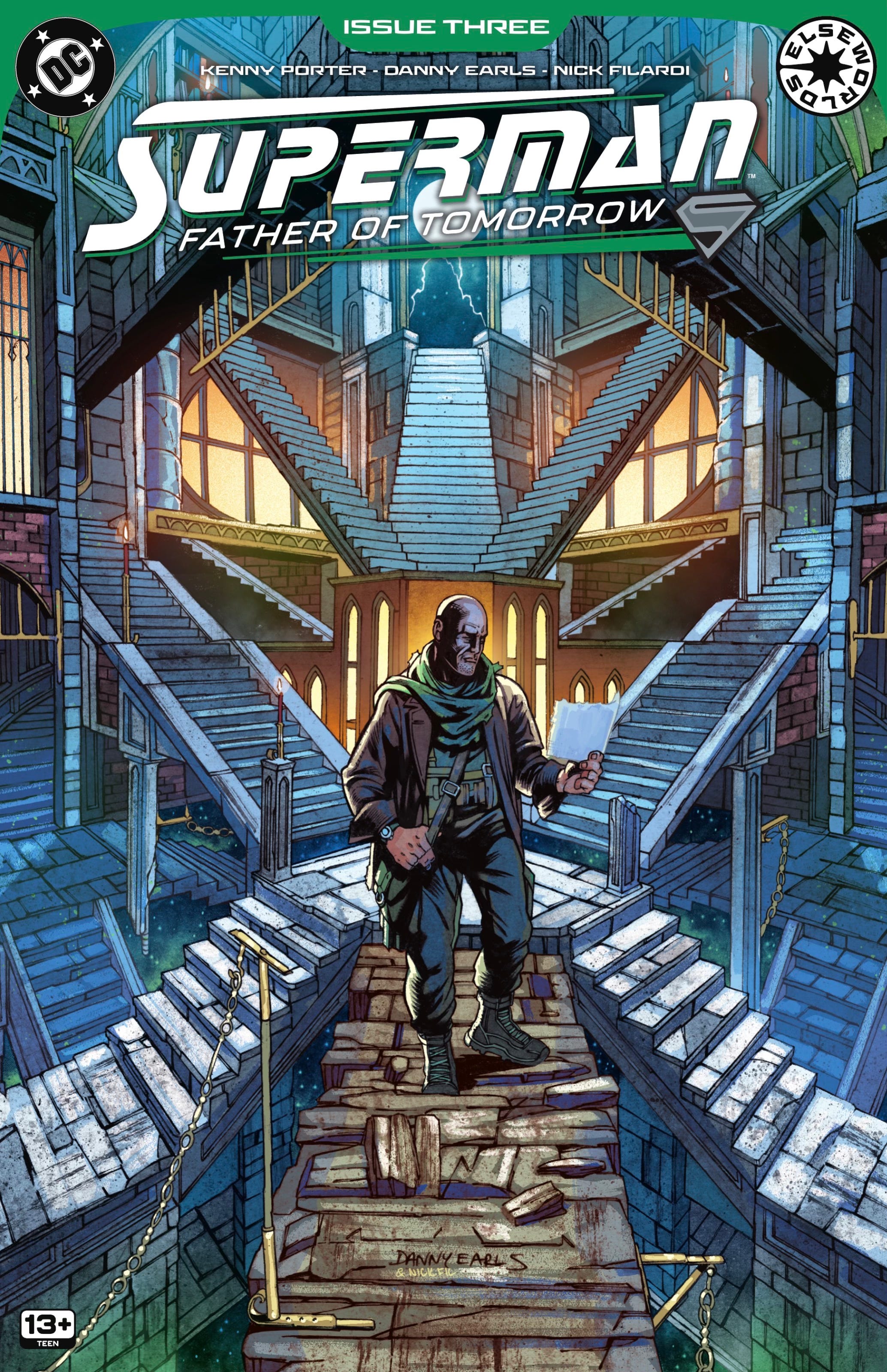
With every issue, it feels like we’re heading toward a tragic ending for Jor-El.
He’s trying to save humanity from itself, but Lois Lane and Martha Kent are both asking whether he’s really helping. Is he trying to make up for losing Krypton by forcing something on humanity that it isn’t ready for? That’s where this book gets interesting.
Can you do more harm than good, even with the best intentions, if humanity isn’t ready for what you’re trying to give it? Do we need to be allowed to make our own mistakes, as horrible as they can be, if we’re ever going to create a better tomorrow? It’s actually pretty similar to what’s going on with David Colton in Avengers: Armageddon, actually.
Jor-El has knowledge and technology that could make Earth better. But he didn’t grow up here like Clark did. He doesn’t have Superman’s connection to humanity or that same faith in people. Could that be the difference between a hero and someone who becomes a tragic figure? Could Jor-El become a villain, or even a dictator, because he thinks he knows better?
I like books that make you sit with questions like that. I’m enjoying this one a lot so far. I’m just hoping the ending isn’t as predictable as it looks right now. Give me a few surprises along the way.
Until next time, here’s this week’s Pull List …
X-MEN #36
AMAZING SPIDER-MAN #35
QUEEN IN BLACK: VENOM UNCHAINED #2
BATMAN: BAD SEEDS — SUNSET #1
ABSOLUTE WONDER WOMAN #23
ABSOLUTE CATWOMAN
HAMMERFIST #1
KING SPAWN #58
SPAWN #378
OPERATION: IRON COFFIN #2
DENVER #1
ZORRO #3
DETECTIVE COMICS 2026 ANNUAL #1 (DC UNIVERSE INFINITE ULTRA)
JUSTICE LEAGUE: KNIGHT VISION SPECIAL #1 (DC UNIVERSE INFINITE ULTRA)
INGLORIOUS X-FORCE #5 (MARVEL UNLIMITED)
ROGUE #5 (MARVEL UNLIMITED)
…and much more.
Thanks for reading! This post is public so feel free to share it.
No posts
Comments
Nothing yet. Say the first thing.
Sign in to join the conversation.