
We are Stella and Amy. We share firsthand stories at the crossroads of tech, business, and culture, helping leaders craft actionable cross-cultural strategies. Together, we bridge cultural divides and bring the world a little closer—one step at a time.
There are so many tech startups launching every day, but not all of them make it into the news.
In our latest episode, we sat down with Yingzi, an experienced PR professional in tech, to talk about startup stories and the founders who would do everything to push their companies into the spotlight.
🎙️ Not every company has defensible technology. PR, in many cases, is about manufacturing hype to help startups fight for media attention.
PR’s role is to help founders craft stories, connect them with the right journalists, and secure exposure at the right time. But the job is not only about messaging. It is also about interpreting what kinds of stories journalists actually want to write, and strategically delivering the stories.
Still, there is a shift happening. Journalists increasingly prefer to hear directly from founders. PR is no longer just a gatekeeper; it is becoming more of a coach.
🎙️ Journalists would rather talk directly to people on the front line… Many times they skip the PR and go straight to the founder.
“Instead of letting someone else tell my story, I’d rather tell it myself. As a founder, my voice carries more weight.”
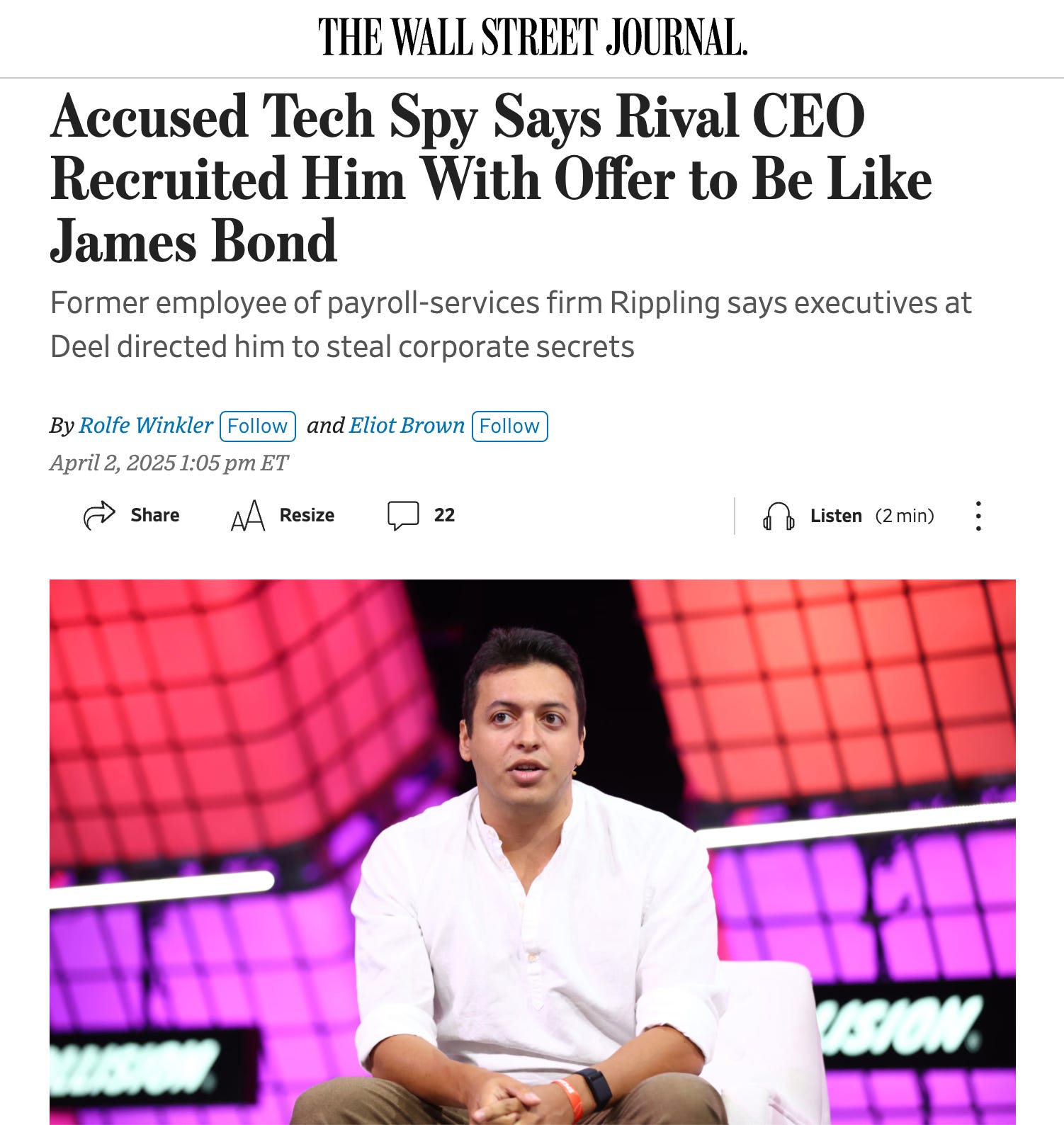
Journalists want founder voices. They want stories with bite. As a result, founders are under pressure to “perform” narratives, sometimes stretching the truth and often leaning into clichés.
Common persona tropes we discussed:
“I felt the gap”: a seasoned insider spots a missing piece in the market and quits their big tech job to fix it.
Tragic backstory: childhood hardship, divorced parents, or losing a loved one to illness, which then becomes the “why” behind the company.
Epic comeback: the disgraced founder who rises again after failure, like Adam Neumann of WeWork.
The “tech bro”: brash, provocative, sometimes outright offensive, but rewarded within their own bubble for being louder and edgier.
As Yingzi noted:
🎙️ Tech bros… the more annoying they are, the more people follow them. The more provocative, the more attention they get.
In this new media landscape, founders no longer rely only on journalists. They build their own followings and show them off to investors.
🎙️ Many founders now include in their pitch decks how big their following is… how many X (Twitter) followers, how many TikTok followers. It’s about becoming your own media.
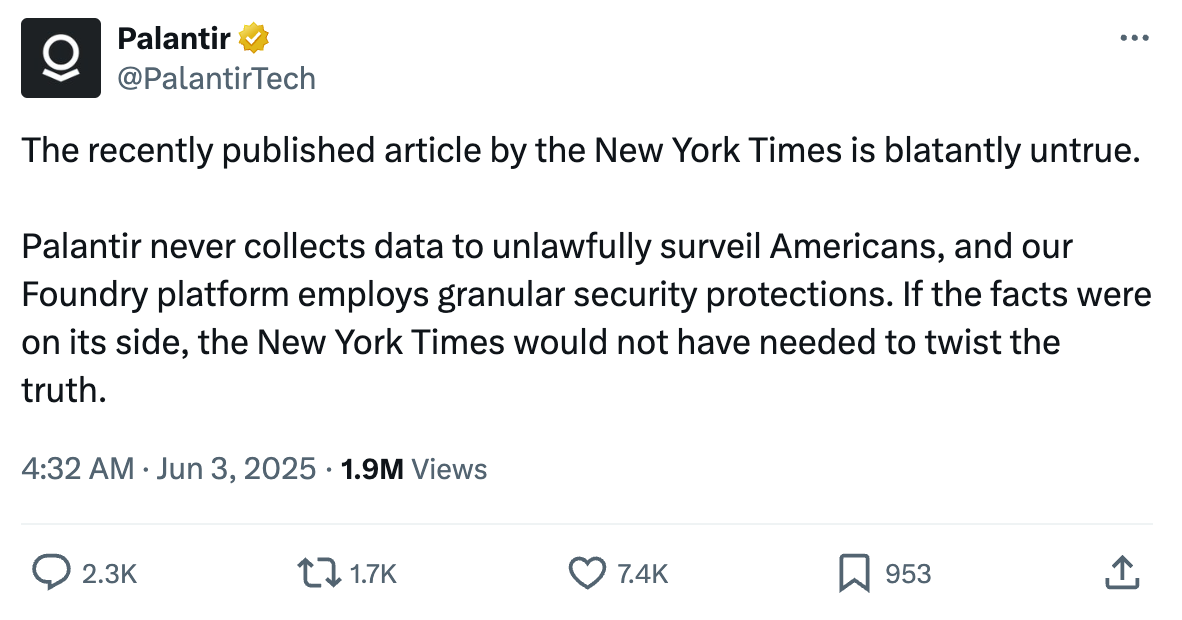
This shift is partly due to growing mistrust of traditional media. Some startups have begun directly calling out reporters on their own accounts.
In this ecosystem, hype and visibility often outweigh traditional measures of credibility.
We see so many male founders with strong personalities. But where do female founders fit?
The playing field is still uneven. Female founders remain the minority, and those who succeed often feel they need to adopt styles coded as “masculine,” such as being decisive, blunt, and unapologetic. Characteristics often associated with women are still dismissed as “soft” or “weak,” considered ill-suited for startup leadership. Traits like empathy, emotional intelligence, or collaborative instincts rarely get valued in the same way as aggression or decisiveness, even though they can be just as critical for building resilient teams and sustainable companies.
🎙️ Female founders are still few… Successful women founders act more like men in their working style. In the tech world, you can’t rely on empathy or ‘feminine’ qualities… it just doesn’t work in this circle.
Women in tech face the added burden of reshaping themselves to fit founder personas originally designed around male archetypes. The open question is whether that mold will ever broaden enough to embrace more authentic and diverse styles of leadership.
If you are interested in working with us more closely, we offer tech / business consulting service. Refer to [this article] to see why working with builder-strategists like us is different from traditional business consultants.
Email us at stellaxamy@gmail.com or
Become a member and meet with us monthly.
Comments
Nothing yet. Say the first thing.
Sign in to join the conversation.