
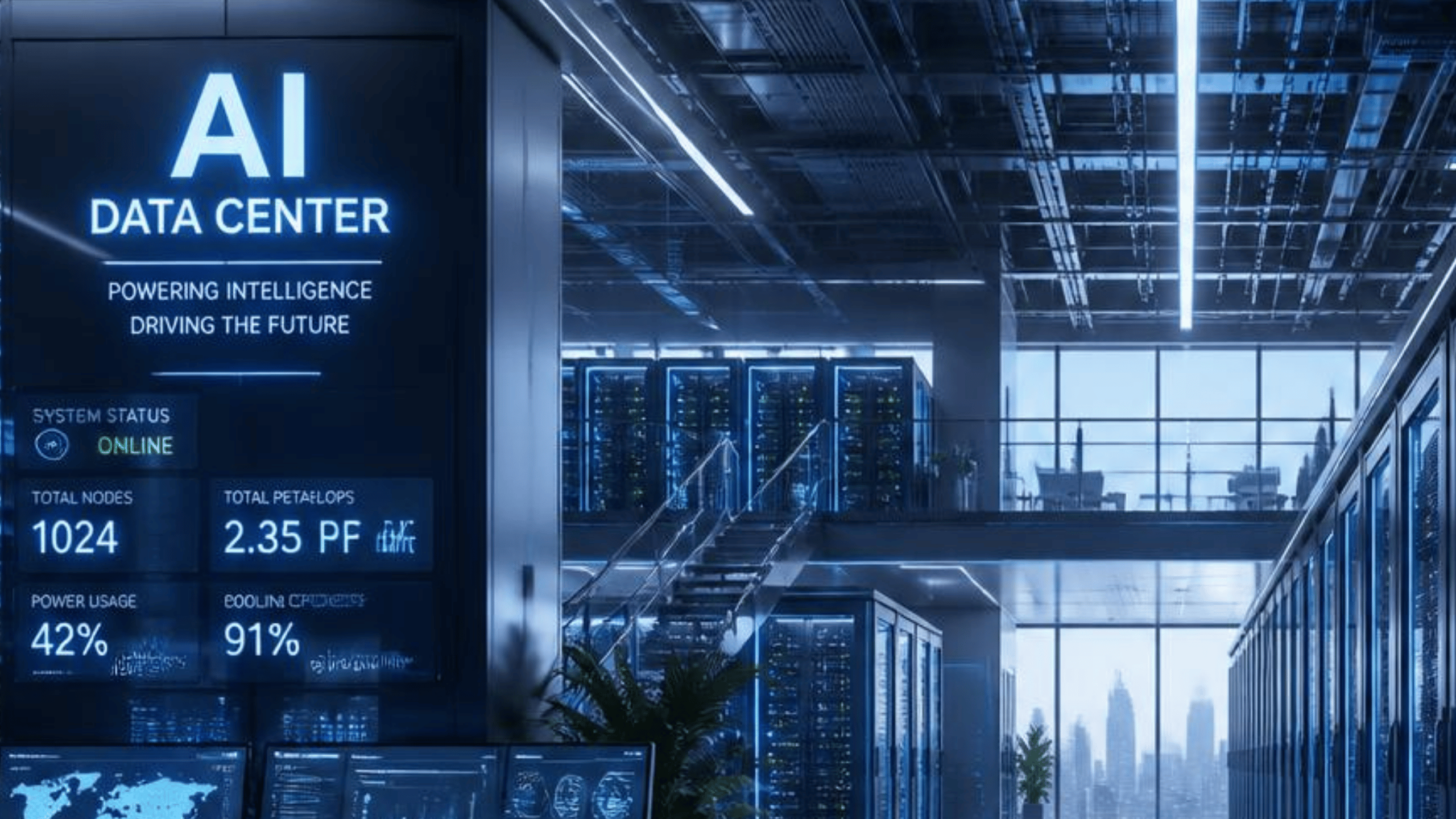
AI data center debates are growing, and I see four basic positions so far, but I welcome your suggested additions or revisions. In addition, there are ethical and spiritual implications for each of the four that warrant further thought and actions. I don’t get at that important strand of thinking in this post, but perhaps I will be able to do so in the future.
1) We should not have AI data centers anywhere?
If we reject AI data centers as a new category, then we must be ready to reject or limit the related discoveries and services they make possible, or depend upon other nations who choose a different path.
2) We should use AI, but not build data centers in our state or community?
This is basically saying that we want to benefit from these data centers, but we want others to take on the risk and burden. This position only works for some people if there are locations or communities that embrace position three or four.
3) Build data centers, but only under very strict conditions.
This might include rules like they can only use non-potable water, center operators pay full electrical cost instead of passing on to residents, operators pay a presence fee to residents within a given range while guaranteeing careful monitoring and rapid response to identified health or environmental problems, there are strict emission rules, they must use nuclear or renewable power to run them, there are specific regulations that limit the impact on agriculture, etc.
This is saying that we want some or all of the benefits of AI data centers, but we want to do the work needed to minimize the negative impact on the communities where they operate. With these restrictions will likely come a price, so we should expect to pay more for the services when we benefit from them.
A version of this could also be strict or identified locations. We build the centers in places where there are few residents and/or we think we can control the negative impact on people and communities. This likely connects again to position number two.
4) The claims about the harms are exaggerated.
This is the argument for moving forward with few restrictions, and accepting that there will be benefits and downsides, but that the benefits outweigh the risks. Costs potentially stay lower (but not guaranteed), technologies and the projected benefits are realized, the economy is strengthened by the innovation, and maybe the AI supported by these centers will help solve some of the problems that they created. If these people are wrong, lots of people are negatively impacted and we have done little to mitigate the harm.
What do you stand? What have I left out that should be added?
No posts
Comments
Nothing yet. Say the first thing.
Sign in to join the conversation.