
Is it right to champion only one kind of beauty in children’s illustration?
To dismiss an entire visual language, and the artists who work within it, because you consider the work processed or cheap? I was alerted to an opinion voiced in an online lecture which denigrated and vilified a certain style of art as just that…
I believe it is not right. And I believe the consequences of that view are more serious than they might appear.
It is out of touch. It displays a fundamental disconnect from where the market for illustration actually is, from the opportunities and pressures facing working illustrators, to the realities of the children’s publishing industry, and from what parents and children are genuinely buying, reading and reaching for. But beyond the commercial argument, the language being used is unkind and dismissive. And in an industry built on creativity, sensitivity and the belief that every child deserves to see themselves in a book, that matters enormously.
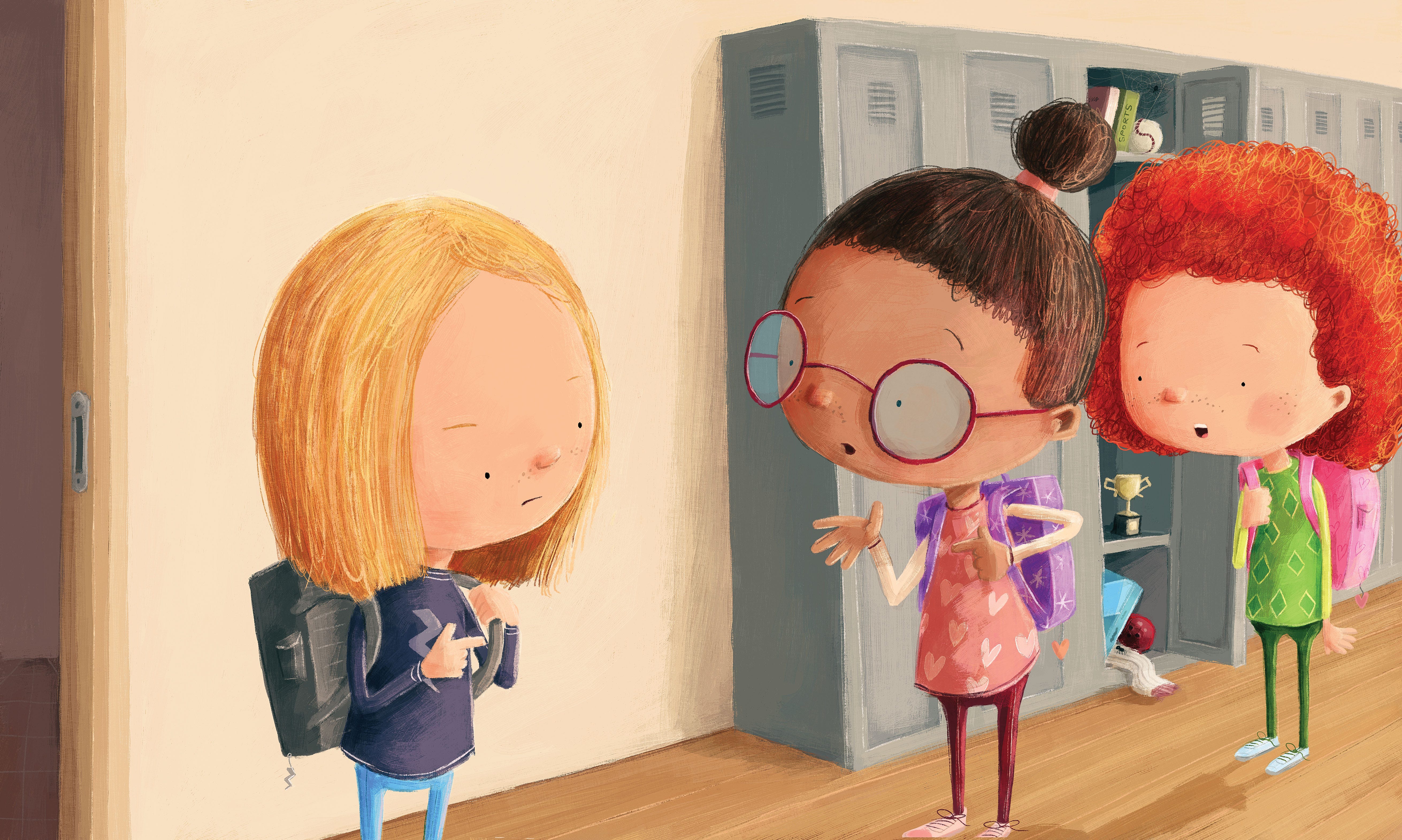
Illustration is not fine art. That distinction matters. Fine art exists for its own sake, it asks nothing of the viewer but their attention. Illustration has a purpose. It enhances, entices, draws the audience to something that exists in its own right; be it an ad campaign, editorial or children’s books, which I am discussing here specifically. The art must make a child want to read. In a world where governments are actively trying to pull children away from screens, books need to work harder and reach further than ever before. That means all styles. All voices. Every kind of artist matters.
The publishing industry has spent the last decade being rightly challenged on who it includes and who it leaves out. The child who eats turkey Twizzlers because that is what their family can afford deserves books that feel like they were made for them too. Not just beautifully designed books for aspirational shelves. Books that say ‘this is for you’. Reading and education are not the preserve of the high-brow. And high-brow art is not the only art.
In 2012, I agented a title called Barry the Fish with Fingers by Sue Hendra. It became the fastest-selling picture book in five years - a runaway success that nobody predicted, in a market that had grown stale. It was funny, original and completely itself. Crucially, it crossed every retail border: literary enough for Waterstones, accessible enough for Sainsbury’s. It flew off shelves wrapped in what I can only describe as a Quality Street energy - unpretentious, joyful and impossible to resist.
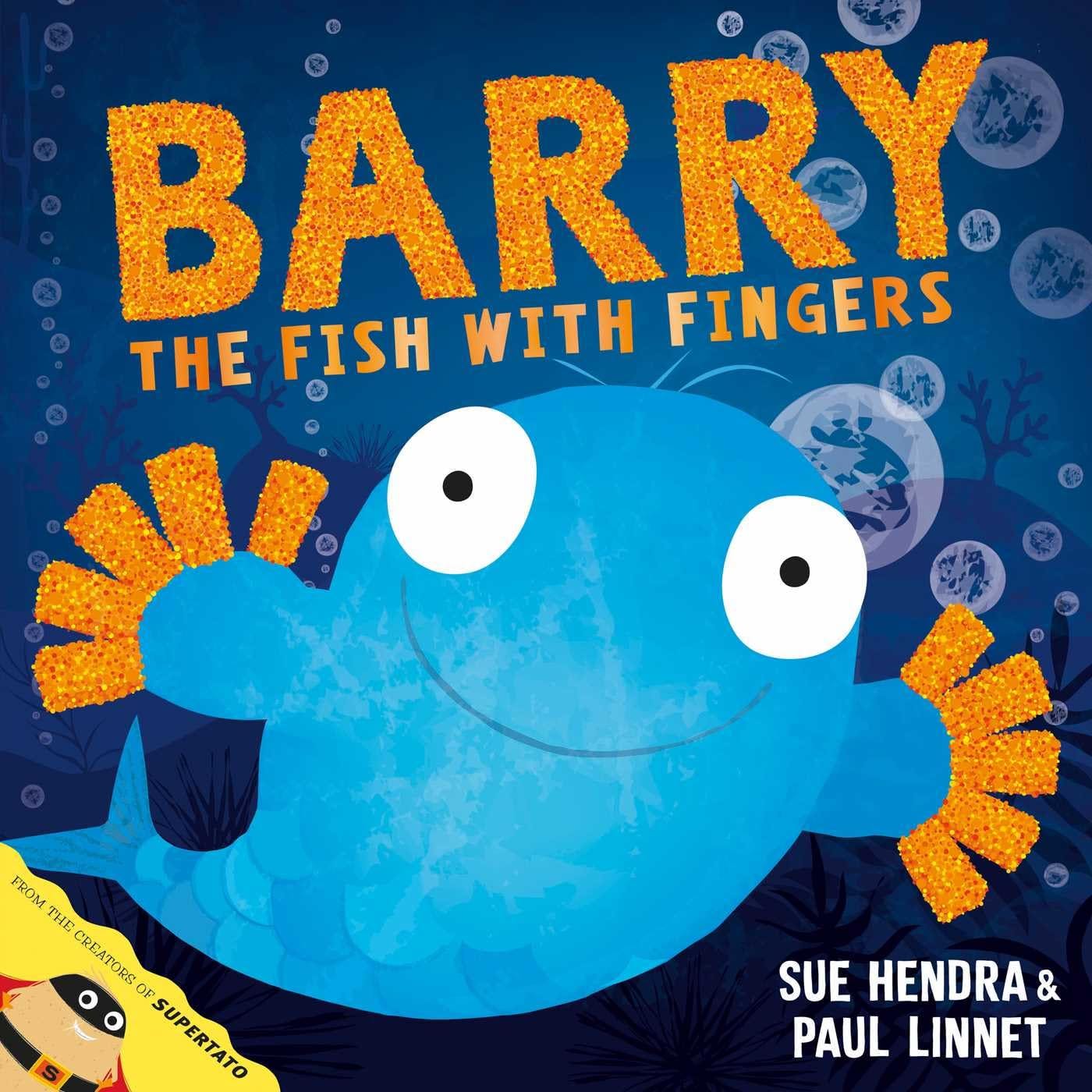
But Barry was not Sue’s first book in this style. That was Dave. Dave was pitched to Hodder as an author-illustrator project - Sue’s own art and text together. The editor loved the writing but rejected the illustration, calling the artwork too mass market. They bought the text, brought in a different illustrator, with a more high-end aesthetic and published it with a more conventionally literary visual style. Dave sold modestly.
Simon & Schuster saw something different. Emma Blackburn and Nia Roberts took the risk on Sue’s own illustration alongside her writing. The result was Barry - effectively book two in what became a beloved series: Barry, Norman, Keith, George and beyond. The first book made the ‘right’ way with the ‘right’ kind of art, barely registered. The second, made entirely on Sue’s own terms, became a phenomenon.
If that is not the clearest possible argument for why children’s publishing needs every style, every voice and every kind of illustrator - I’ll eat my hat.
It is worth asking precisely what was being referred to as the turkey Twizzler. Is the contempt for commercial digital style as a category, in which case Chris Chatterton, Alex Wilmore and Nicola Slater would presumably be included in that dismissal. Making the children’s publishers the Bernard Matthews to the Turkey Twizzler? These artists are some of the most successful and best-selling picture book illustrators working today. Or was the point that the artists shown on the slide (some of whom were in the lecture) are just not good enough yet and unfinished versions of something that might be accepted in time?
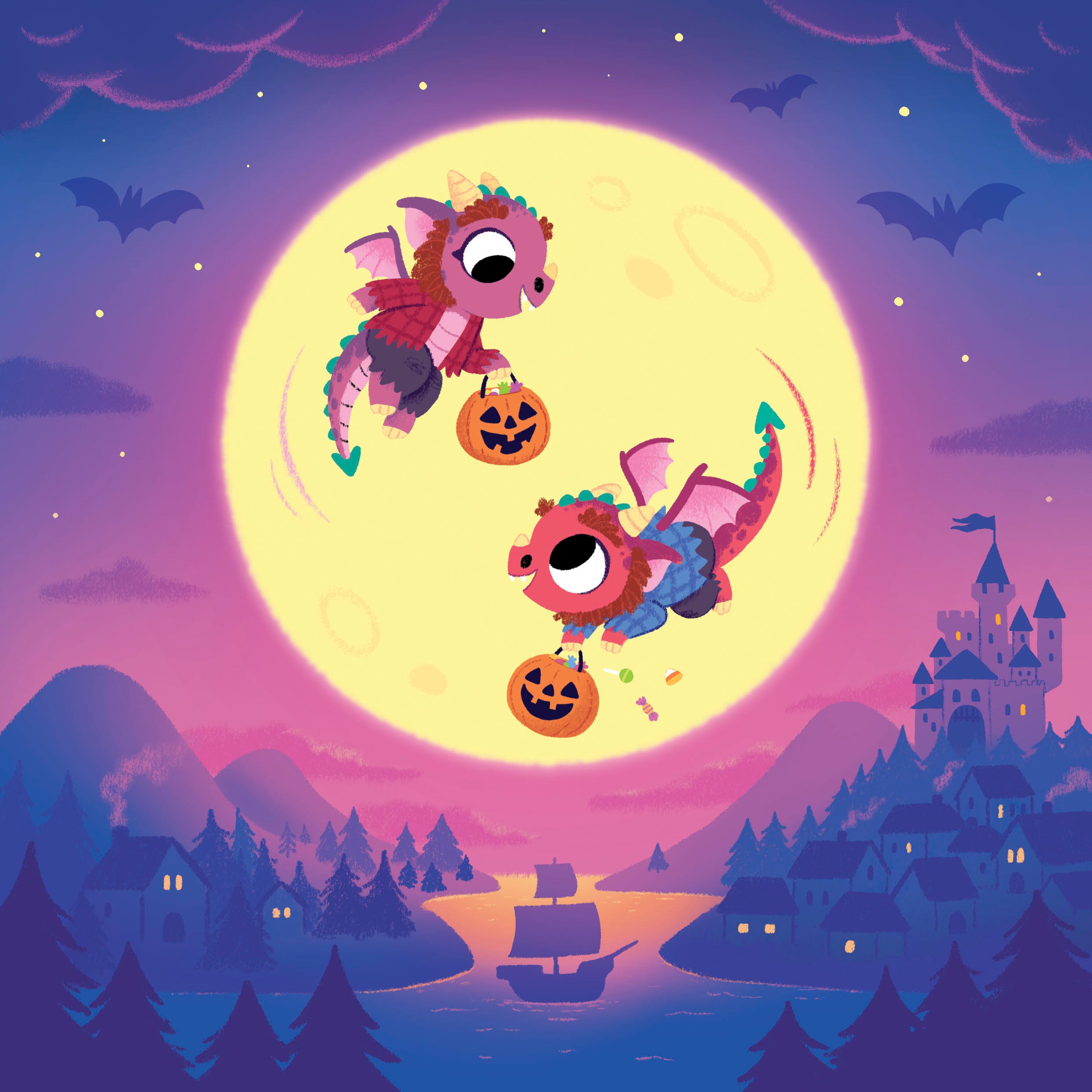
Because those are very different arguments. And neither is comfortable.
If it is the former, we are then dismissing art that has produced bestselling books that children reach for again-and-again and publishers making books that include everyone and introduce books to a previously locked-out demographic. So the question becomes: when should an artist be written off? Can you tell immediately? Where exactly do we slash the ambition if they are just ‘not yet good enough’?
Every artist working in children’s publishing, whatever their style, whatever their stage, is a person who has chosen to dedicate themselves to a craft. A working artist. Someone who draws and creates images for a living, who puts their name on a book and sends it out into the world. Who sees themselves as and identifies as an artist.
History has a habit of remembering only the William Morrises; the artisans, the name-makers, the ones whose aesthetic became a movement. But for every Morris there were thousands of spinners, weavers and makers whose work sustained an entire industry. One man’s taste does not define the value of all of them.
And what even constitutes art now? Is a digital file art? Publishers embraced digital illustration enthusiastically, in part because it removed the cost of scanning. Drawing with a Wacom tablet, colour blocking on a screen, visualising something in your mind and translating it through prompts, is that art? (I think not) But where does illustration end and digital enhancement begin? These are genuinely terrifying questions. But the answer is not to dismiss an entire category of human creativity because it does not conform to one person’s aesthetic ideal.
Here is the irony. With AI now capable of generating imagery at scale, the value of human-made illustration of any kind is urgently reasserting itself, as I have written about. The hand-drawn work being held up as the gold standard that cannot be replicated by a machine. The artists in that room want to evolve their work, to grow toward that standard, and they deserve to do so without ridicule.

And that full circle may be arriving faster than expected, the Turkey Twizzler, it turns out, was made by a human and not a prompt. The warmth, the wit, and specific joy of a funny commercial illustration that makes a child laugh out loud a machine cannot make that - yet. And that now matters more than ever.
To combat AI, which threatens to displace both the literary illustrator and the commercial one, we must stand together. Not rank each other. Not dismiss each other. Not strip away the confidence of the very people we need in this fight. Every human-made mark, in every style, is now part of the same resistance.
I say this as someone with a degree in visual communication who understands mark-making, visual language and the difference between following a trend and developing a genuine artistic voice. When an illustrator has done the work and built their portfolio, found their handwriting, refined their craft whilst holding a good working knowledge of the market is not a betrayal of artistic integrity. Knowing that a capybara is having a moment over a koala is not selling out. It is knowing where the commissions are, what the retailers are looking for. You are not designing to a trend brief, yet it is frankly quite useful to know whether you adopt it or not.
My experience is that there are brilliant artists coming through various courses, but perhaps not all are making it to working illustrators. Part of the reason is that they generally point in the same direction, aesthetic, the same vision of what a children’s book illustrator should look like. If we look at the work being championed: Alexis Deacon (Slow Loris is my absolute favourite - a genius book), Ella Butler, another masterful artist with 20 years of book designing experience behind her, brilliant stuff, all beautiful, yes. A legitimate and treasured part of the illustration world, absolutely. But one corner of it. One visual language among many.
But where are the artists who could have gone in the direction of Sue Hendra? Of Jane Foster? Of Britta Teckentrup or Marc Boutavant? Those are not lesser paths. Those are extraordinary, distinctive, successful careers built on styles that are entirely their own and entirely different from each other. If students are in the room, were they encouraged? Or were they quietly steered away from what they were naturally drawn to, toward a single idea of what good looks like?
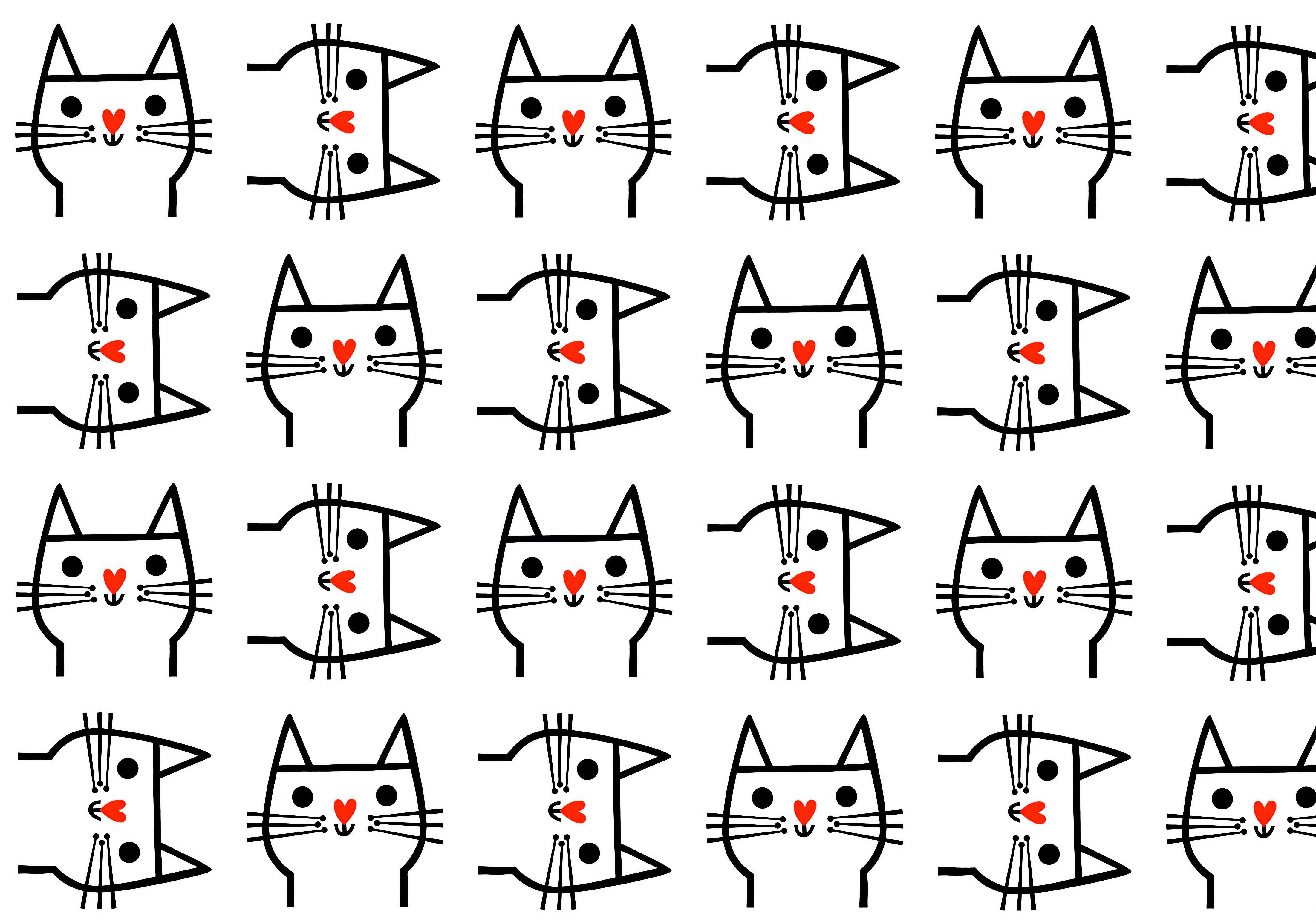
Children’s books are not one-size-fits-all. They never have been. And a course that trains artists as though there is only one acceptable way forward is not preparing them for the industry. It is preparing them for one man’s version of it.
These are freelance artists. Sensitive, skilled, often underpaid people who have built careers by putting their work into the world and accepting that not everyone will love it. To speak about them with casual cruelty to a paying audience, an audience that included the very artists being discussed, is not criticism. It is not even taste. It is a failure to recognise the humanity on the other side of the work.
The words were unkind. Unconsidered. And they went out to a platform of people who had paid for guidance and left feeling diminished. That is not what education is for.
In a world where we can be anything, kindness still matters most. The “Turkey Twizzler” comment didn’t feel brave or honest, it felt rooted in aesthetic privilege. It echoed a familiar, academic way of judging culture, much like the Jamie Oliver moment, where certain tastes were positioned as inferior. But that perspective no longer reflects the world we live in. And it’s one we should leave behind.
We at Bright have always worked across the full spectrum: literary, commercial, digital, handmade. If you judged us only by one part of our list, you would be making a serious mistake. There is no one more committed to an artist’s craft, development, nurture and wellbeing than Bright. And the work we have done as agents to bring artists into award-winning, trade picture book spaces speaks for itself.
But we have always believed that quality and craft live in every style. That the ecosystem of children’s publishing only works when all of it is valued. And that an artist does their best work when they are not worried about the financial wolf at the door. Unlike academia, we are not protected by employment contracts and institutional salaries. Our job, every single day, is to find and secure work for our artists. We feel the weight of that responsibility acutely. We are not just paying our own mortgage. We are, in very real terms, helping to pay for many more.
The speaker mentioned in the same session that the artists whose work he was holding up all come from one agency. That agency is mine.
Which tells me something. The narrow view of what illustration should look like is, it appears, the same narrow view he holds of Bright. He has seen one corner of our roster and concluded that is all we are. He has missed, or chosen to ignore, that yes, we proudly represent artists in the beautiful, considered, literary tradition he so clearly favours. Richard Jones, Matt Hunt, Paige Keiser, Hannah Peck, Fiona Woodcock, and others who work in the visual language being discussed. That work is real, it is treasured, and we champion it wholeheartedly.
But we also represent the full spectrum. Because we represent people. Human beings with mortgages and families with bills to pay. Artists who cannot supplement their income with £16 podcasts and academic salaries. Working illustrators who need the market to work for them all of it, not just the corner that wins awards and gets discussed in lecture theatres.
And that commercial corner of the industry plays two important roles that are too often overlooked. First, it is where many artists begin. Not where they finish, but where they start building confidence, developing craft, earning enough not to work in a bar while they find their voice. Many of our artists started in commercial work and evolved from it. Some have developed more than one visual language entirely, one for the commercial, bread-and-butter work that keeps the lights on, another for the more personal or literary projects they love. Some only work in the high end royalty led work, others love to do puzzles and products, others editorial. Who are any of us to say they shouldn’t? To dismiss one in order to elevate the other is to misunderstand how creative careers actually work.
The narrow view of illustration and of Bright are, it turns out, the same mistake. And it is a significant one. Because the whole point of a healthy publishing industry, of a well-run agency, of a genuinely useful illustration course and of a peaceful society and world we all wish to live in is that many visual languages are needed. Many styles. Many artists. Many children picking up many different books and finding themselves inside them.
That is not a compromise. That is the whole point.
And if someone wants to stay in their own lane, and that is entirely their choice. But you do not firebomb the rest of the motorway so nobody else can get through.
All of it. Every style. Every artist. Every child who picks up a book - they matter. And they deserve to not be ridiculed or judged.
No posts
Comments
Nothing yet. Say the first thing.
Sign in to join the conversation.