
Want to know a secret? The illustrators who navigate the ups and downs of a freelance career with the most equanimity are rarely the ones with the most talent alone. They tend to be the ones who have built more than one way of earning. Not because they were less passionate about their primary practice, but because they understood that protecting it sometimes means building around it.
Teaching, licensing and workshops are three of the most accessible and sustainable ways to do that. None of them requires you to abandon your illustration work. All of them, done thoughtfully, can end up enriching it.
“Those who can, do; those who can't, teach.” - George Bernard Shaw
Not to upend one of the most brilliant playwrights of the 20th century, but neither is true. Teaching is a skill in its own right, and one that tends to make the people who practise it sharper, more articulate about their own process and more reflective about what they do and why. Some of the most commercially successful illustrators working today also teach. The two are not in competition.
The practical routes into teaching are more varied than they once were.
University and college lecturing is the most formal end of the spectrum. Many illustration degree programmes employ working practitioners as visiting lecturers or part-time tutors, precisely because they want students to learn from people actively navigating the industry. If you have five or more years of professional experience, you are likely already qualified in the ways that matter most to these institutions. The pay is modest, but the regularity and the relationships it builds can be valuable.

Online courses have changed the landscape enormously. Platforms such as Skillshare, Domestika and Teachable allow illustrators to record and sell courses on everything from developing a personal style to the business of freelancing. The upfront investment is time rather than money, but once a course is live, it can generate income passively for years. An illustrator who records a well-structured ten-hour course on editorial illustration, character design, or working in gouache can continue earning from it for years.
Mentorship is a more informal version of teaching that is growing in prominence. Platforms such as ADPList and Mentorcam connect practitioners with people looking for one-to-one guidance. Sessions are typically an hour, paid at a rate you set, and focused on whatever the mentee brings. For an experienced illustrator, it requires no course-building, no platform fees, and very little overhead. For the mentee, access to someone with real industry experience is often worth considerably more than they are paying.
Licensing is perhaps the most misunderstood income stream available to illustrators, and also one of the most powerful.
At its simplest, licensing means granting permission for someone else to use your artwork, in exchange for a fee. That fee might be a flat one-off payment, or it might be a royalty: a percentage of every product sold that features your work. The artwork continues to belong to you. You are selling the right to use it, not the work itself.
The products that can carry licensed illustration are vast: greeting cards, stationery, fabric, wallpaper, homewares, apparel, gift wrap, ceramics, puzzles, calendars, prints. Many illustrators whose work appears on these products created the original artwork for something else entirely, and then licensed it separately. The painting made for an exhibition, the pattern developed for a personal project, the character designed on a quiet afternoon: any of these can become a licensed property if the right conversation happens.
Working with a licensing agent is the most structured route into this world. Agencies such as ours represent illustrators specifically for brand partnerships and licensing, handling the commercial conversations, contract negotiation and client relationships on their behalf, in exchange for a commission on earnings. For illustrators who want the income without the overhead of managing it themselves, this is often the most effective option. An agent with existing relationships across the stationery, homewares and gift sectors, for example, can open doors that would take years to reach independently.
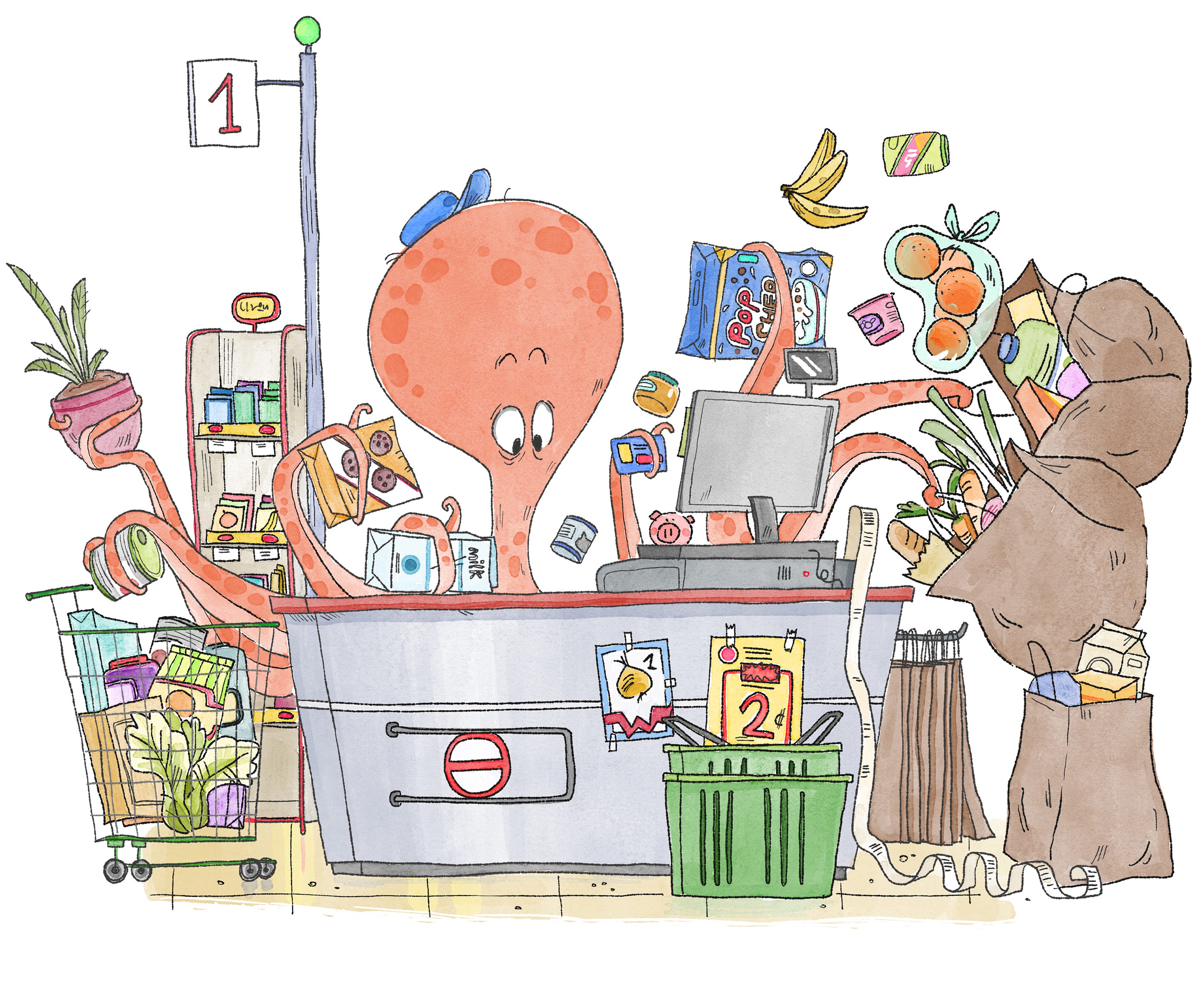
Self-managed licensing is also possible, particularly for illustrators with an established online following. Print-on-demand platforms such as Society6 or RedBubble allow you to upload artwork and earn royalties each time it is purchased on a product, without holding stock or doing the post. The royalties per sale are modest, but the model is passive: once the files are uploaded, there is very little ongoing work involved.
The most important thing to understand about licensing, especially if you are new to it, is the contract. Rights can be licensed exclusively or non-exclusively, for a defined territory or globally, for a fixed period or in perpetuity. Understanding what you are agreeing to, and what you are retaining, matters enormously. A rights grab buried in a licensing contract can prevent you from using your own artwork in other commercial contexts for years. If in doubt, have a publishing or contracts lawyer review anything before you sign.
For more information on Rights and Royalties, take a look at our complete guide:
Rights and Royalties for Illustrators
·
Feb 3

We champion our artists’ work from their roughs all the way through every level of rights exploitation that we assess to be appropriate for them. Although a given for any agency, we vet every contract for every job we agree for our artists and authors and add value to their contract, from not only a financial perspective but from a creator’s intellectua…
You could also consider hosting workshops. These can take almost any form: a Saturday morning session on watercolour for beginners, an evening class on developing a sketchbook practice, a full-day intensive on illustrating for picture books. They can be held in your studio, in a hired venue, at a gallery, a festival, a school, or online. They can be aimed at children, adults, other illustrators, or complete beginners with no creative background at all.
A half-day workshop for twelve people, charged at £60 per head, generates £720 before costs. A full-day workshop for the same group at £100 per head generates £1,200. Those numbers may feel ambitious, but people pay for access and attention.
Finding your audience can be the sticking point. Social media is the most obvious channel, but local networks often move faster: arts centres, libraries, independent bookshops, community organisations and schools are all potential partners. A relationship with a local arts venue that can help you promote and fill sessions could be more valuable than a large Instagram following, especially in the early stages.
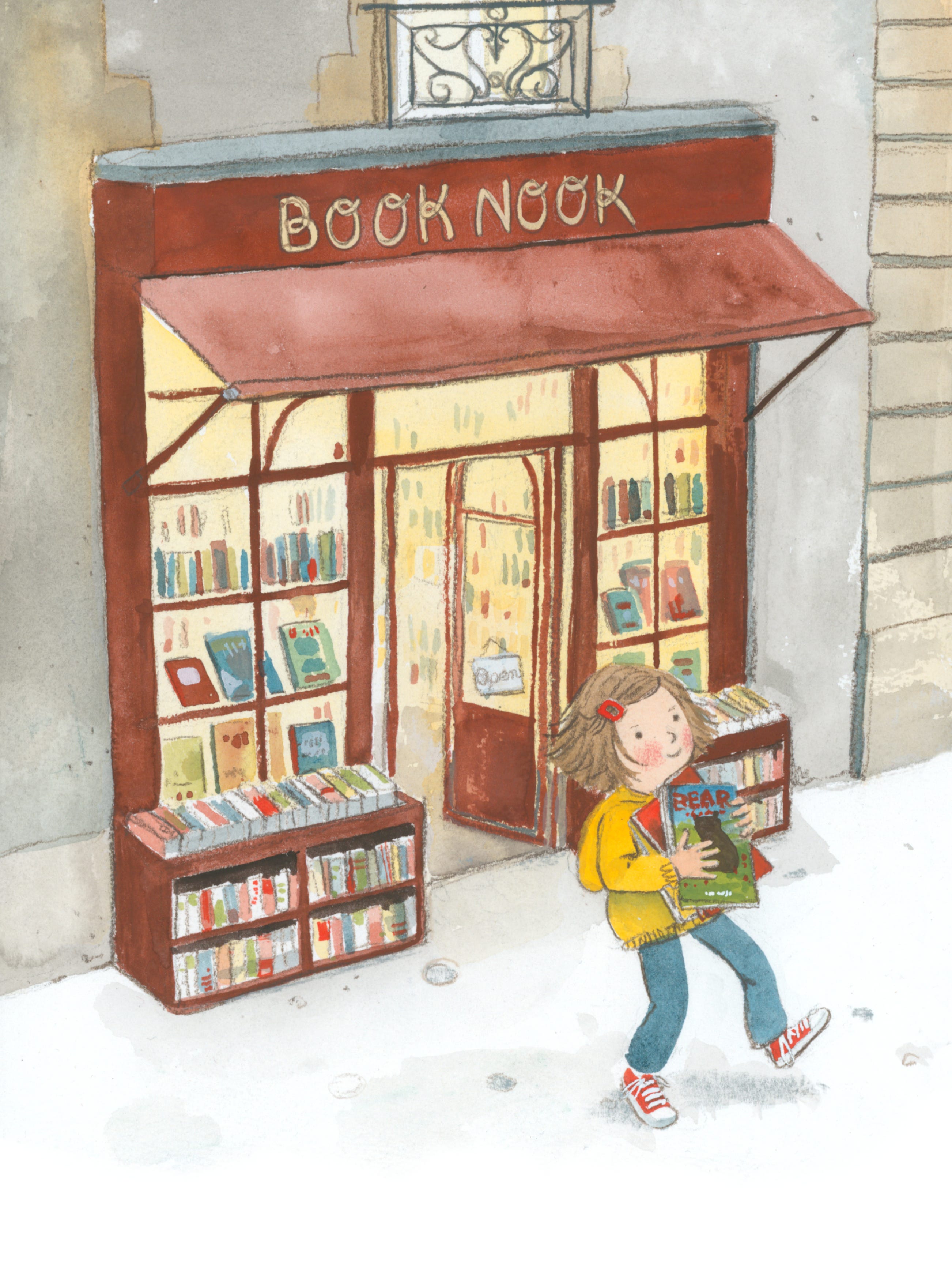
Festival and event appearances are a specific version of the workshop model that can open up further. Illustration festivals, literary festivals, book fairs and school events all book practitioners to run sessions, often with fees and travel covered. The audience is built in, the promotional work is done by the organiser, and the exposure to new audiences can feed back into your broader practice. Building a reputation as someone who runs good sessions, not just someone who makes good work, is genuinely career-expanding.
Take a look at our recap of David Litchfield at Hay Festival
Online workshops deserve particular mention. The pandemic forced many illustrators to move their sessions online and, in doing so, discovered that the geographic constraint had always been an artificial one. A workshop delivered via Zoom can draw participants from across the country or across the world. Recorded versions can be sold as on-demand content indefinitely. The reach of an online session, combined with lower venue costs, can make the economics considerably more attractive than in-person alternatives, even if something is inevitably lost in the room.
None of this happens by accident. But it also does not require a grand strategic plan. It requires small, consistent decisions to say yes to the right things: the invitation to guest lecture, the conversation with an agent about a licensing opportunity, the venue that has been asking about a workshop for six months.
Start small. Record a short free tutorial and share it online, not to immediately monetise it, but to see how it feels to teach publicly and to understand what your audience responds to. Run one workshop, for a small group, in whatever space is available. Have a conversation with a licensing agent about whether your work might be suitable for their roster. None of these is a commitment. All of them are a beginning.
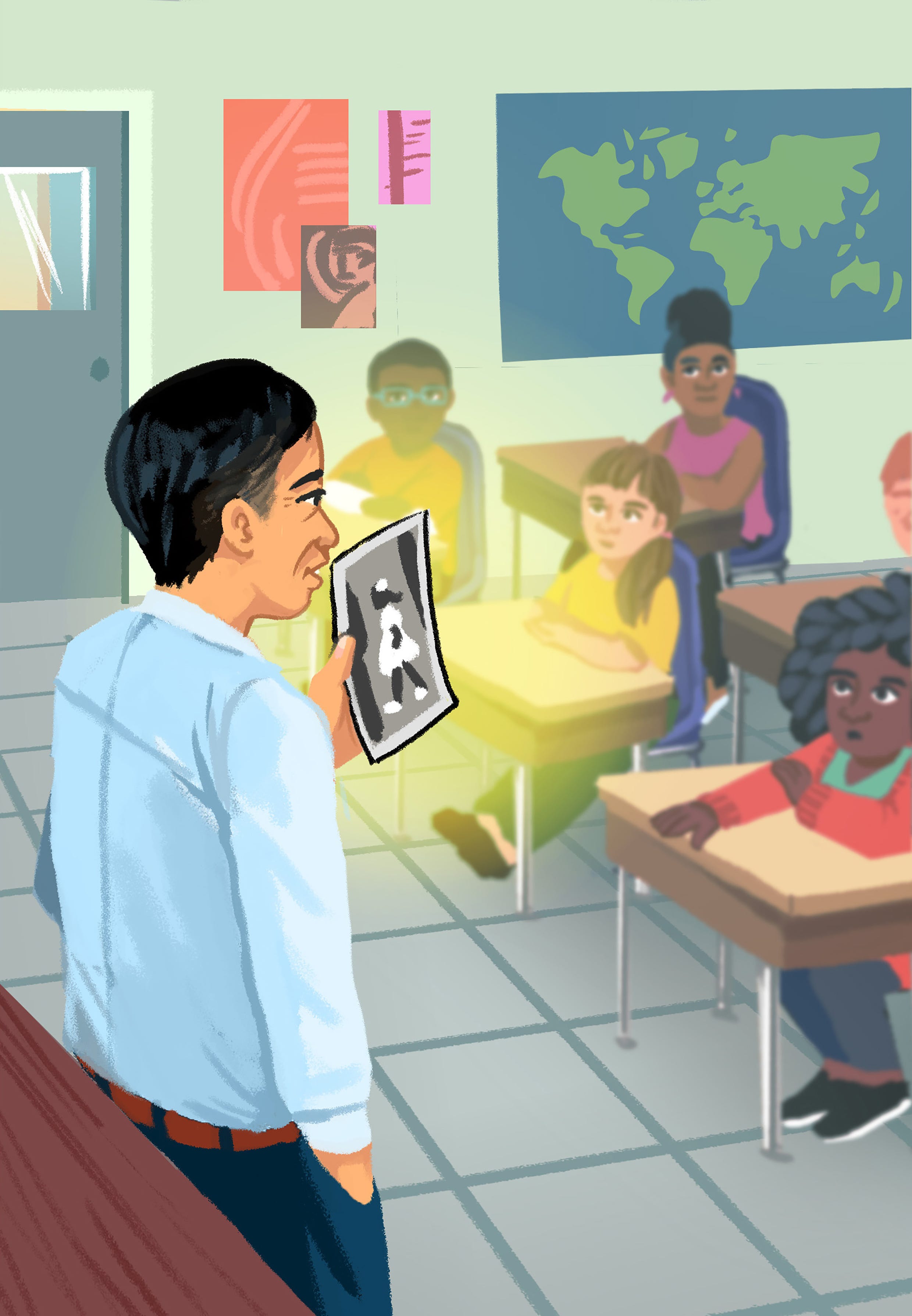
The freelance illustration career that sustains you for decades is rarely built on one thing alone. It is built on a set of overlapping practices, each of which supports the others, each of which gives you something different: creative freedom, financial security, connection to a community, and the satisfaction of a working life that is genuinely, durably yours.
That is worth building towards. And the building starts with one small step.
Until next time, Team Bright
Are you already teaching, licensing, or running workshops alongside your illustration practice? We would love to hear what has worked for you, and what has not. Share your experience in the comments.
No posts
Comments
Nothing yet. Say the first thing.
Sign in to join the conversation.