
I was sitting on the sofa in my apartment with my computer on my lap, holding the sides of my face like it might prevent my head from exploding. I had just listed six projects I was working on. Each was navigating some stage of ambiguity. It was 8am in Washington, DC, and Sparkinglot was in full effect.
“Can you help me see what I’m not seeing?” I asked.
Four thousand miles away, at 2pm Potsdam time, my friend Manuel chuckled. “I can tell you what I can see,” he said.
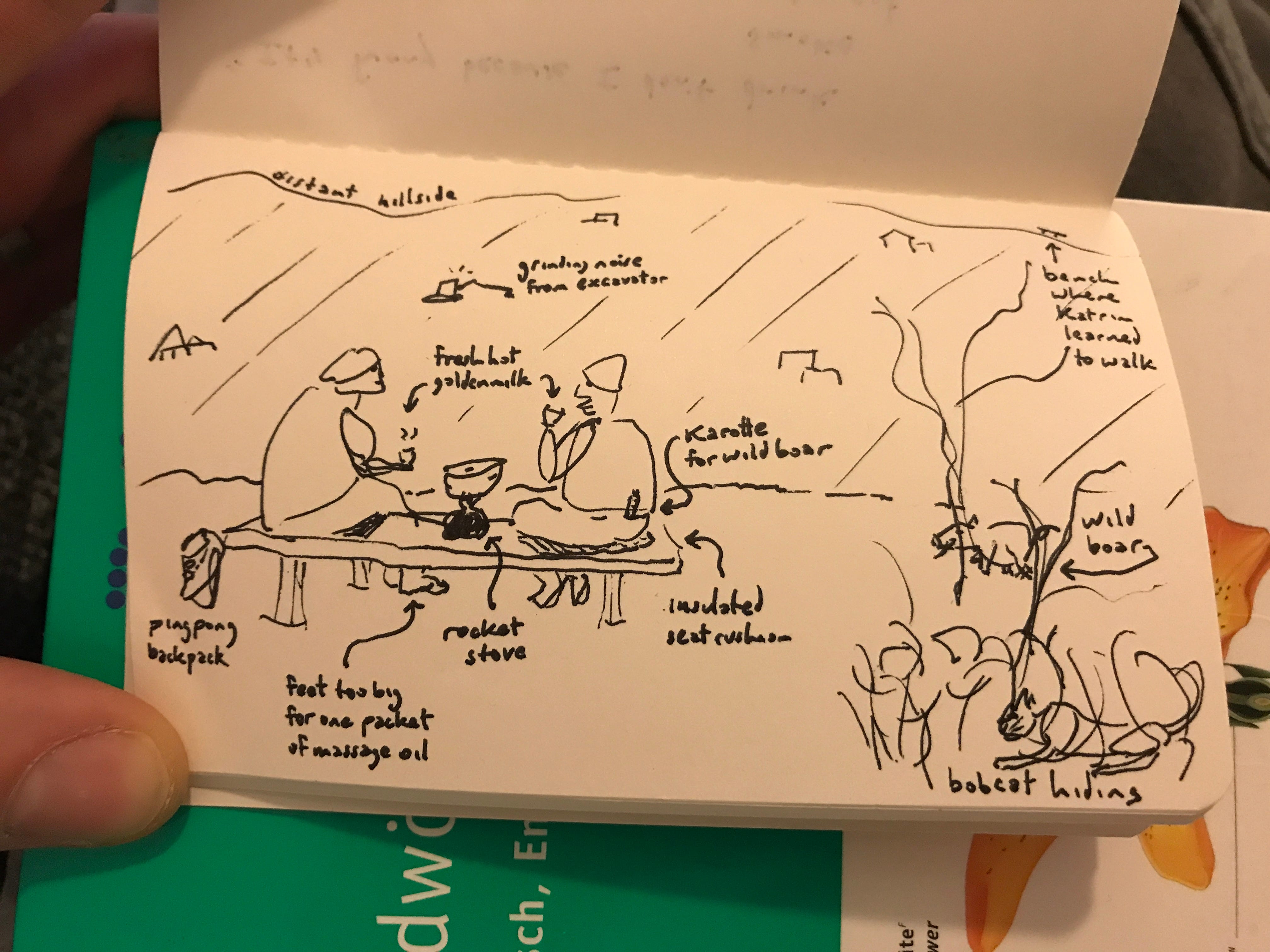
I met Manuel in Berlin at the 2015 Service Experience Camp (SXC). The two day un-conference1 was masterfully well-organized and replete with presentations from many wise and inspiring practitioners of design thinking. I held the first official BrainSpin workshop there, claiming an open “bar camp” slot on the schedule.
Having recently begun my role as Lead Experience Designer at Johns Hopkins Sibley Memorial Hospital’s Innovation Hub, I’d been eager to connect with folks who were similarly obsessed. At SXC, I found my people. XDers from Germany, Lithuania, Japan, Poland, the Netherlands, Austria, Spain, South Africa, the UK, and beyond had come together for that exact same reason.
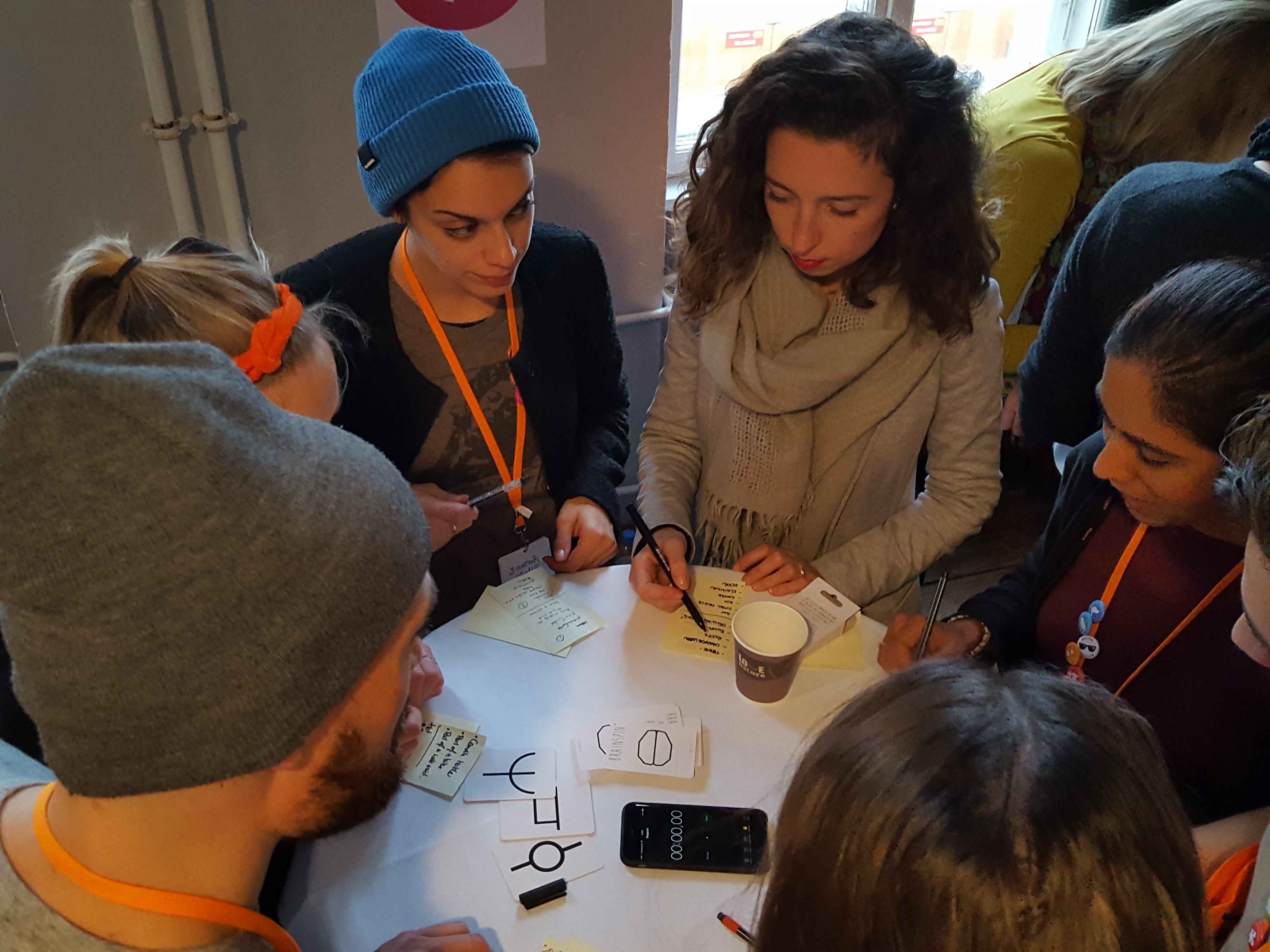
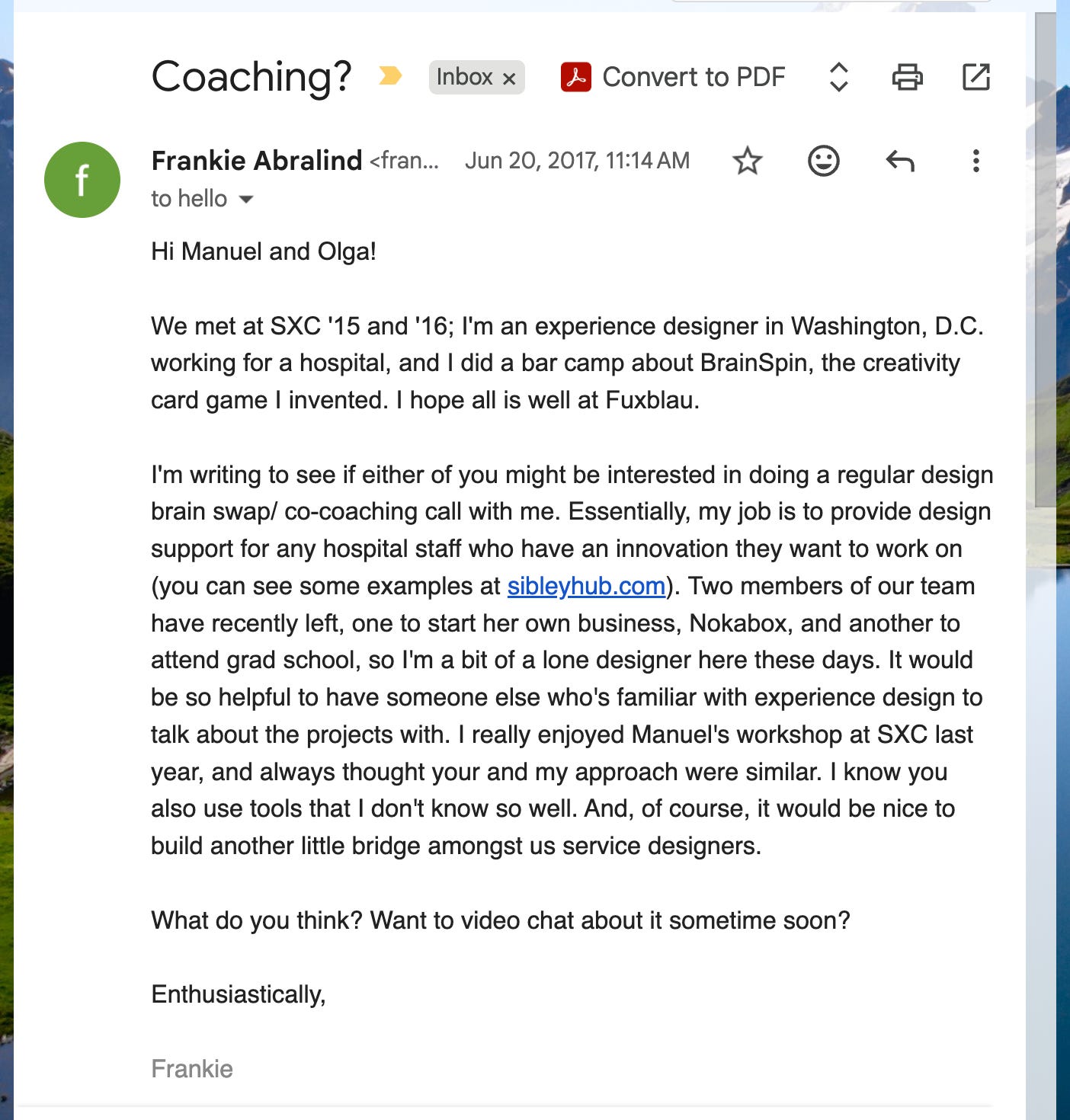
Afterward, invigorated and brimming with bridge-building potentiality, I reached out to two of the gathering’s charismatic organizers.2 Would either of them be interested in regular brain-swapping with an American?
One of them, Manuel, wrote back with an immediate yes.
Although SXC concluded its run in 2018,3 its legacy of cross-cultural collaboration continues to echo. This summer marks the tenth year of Manuel’s & my extended co-mentorship. Nearly every Monday morning, we spent 45 minutes leveraging each other’s perspectives in a thoroughly BrainSpin-y arrangement which we’ve come to call Sparkinglot.
Three main things happen in these Google Meets:
We check in on how we’re doing, personally.
We spend about half the time exploring an issue Manuel is puzzling through.
We spend about half the time exploring an issue I am puzzling through.
Given the call’s limited timebox and the fluctuations of life and work, no call is exactly split down the middle. Sometimes it’s all me. Sometimes it’s all him. Sometimes one of us brings a full topic and the other shows up with only minor updates. Nevertheless, we strive for mutuality.
Students of The BrainSpin Method will not be surprised to hear that psychological safety is at the core of Sparkinglot. In practice, the main way it shows up is the space we hold for each other, and how we listen.
Before we share any reflections, we repeat back, non judgmentally, what we think the other is trying to sort out. I literally say this sentence: “Okay, first, lemme tell you what I heard,” then enumerate the points I heard him mention.
“Is that right?” I say when I’ve finished. “Did I miss anything?”
This technique is a cornerstone of many effective communication methodologies, including Chris Voss’s Never Split the Difference, a book Manuel recommended to me years ago. Here’s why it’s so effective:
It verifies that I was present during Manuel’s sharing.
It reassures him that what he said registered and made sense.
It confirms that we are connecting around a common reality, which makes the insight I’m about to offer relevant.
Sparkinglot is a markedly different relationship from “accountabilibuddy” arrangements. In Sparkinglot, we are there to filter our challenges through the other’s brain. We don’t make commitments to hold each other accountable to. We don’t do homework. We embrace neurodiversity as the cognitive advantage, pure and simple.
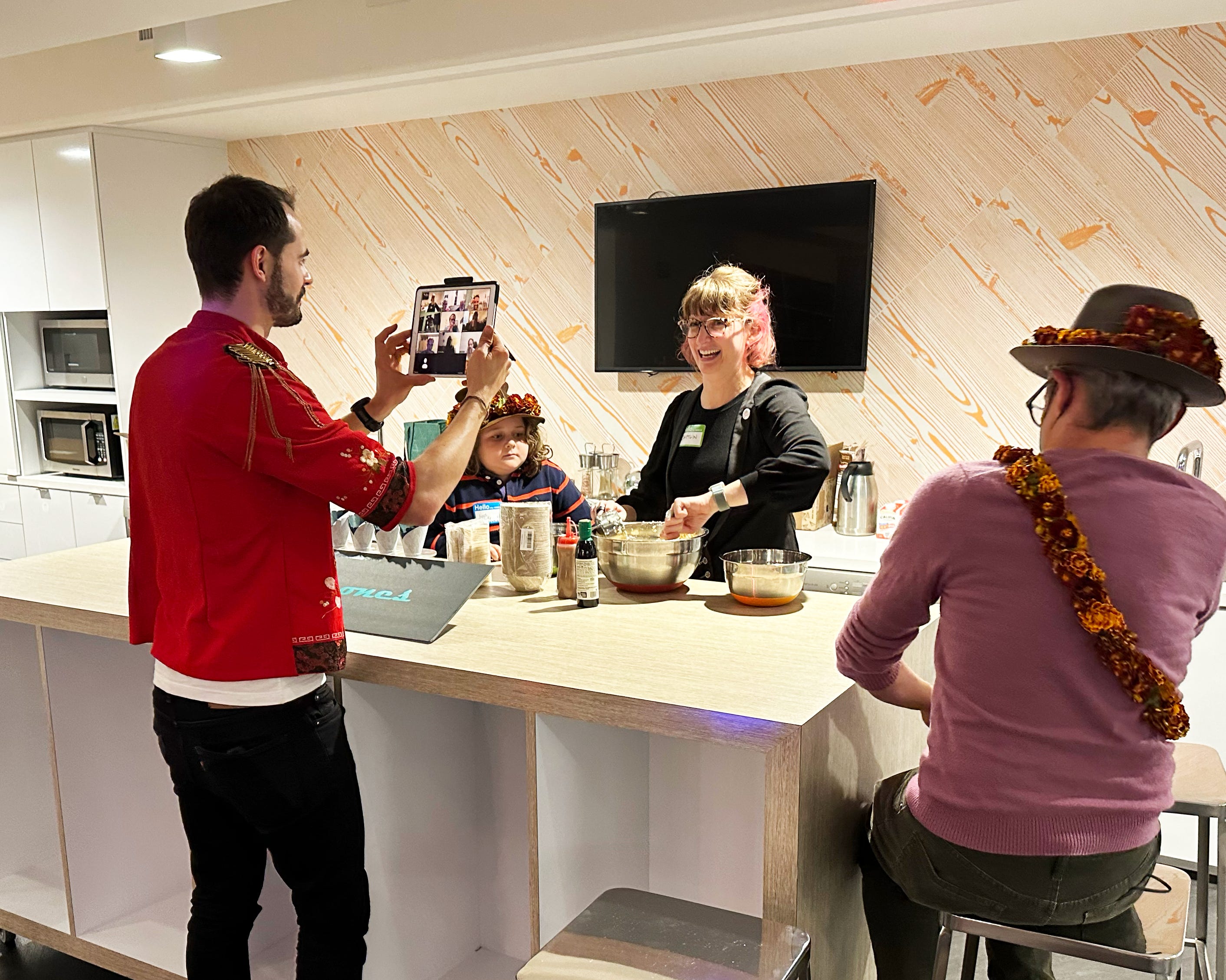
Though there are many possible ways to do a co-coaching arrangement, I want to note good meeting etiquette as a big factor in Sparkinglot’s success. Manuel and I are both professionally dedicated to the craft of facilitation. Techniques such as:
starting on time and ending on time,
staying generally on topic, and
checking what kind of perspective is desired, i.e. “What sort of feedback are you looking for right now?”
show up subtly in a two-person conversation, but they’re key reasons that the Sparkinglot tradition has stayed strong for so many years.
Oh, another big reason: we don’t hesitate to cancel. When we’re crunched on other deadlines and we don’t have the brainspace to do the conversation justice, we know it’s okay—better, even—to skip.
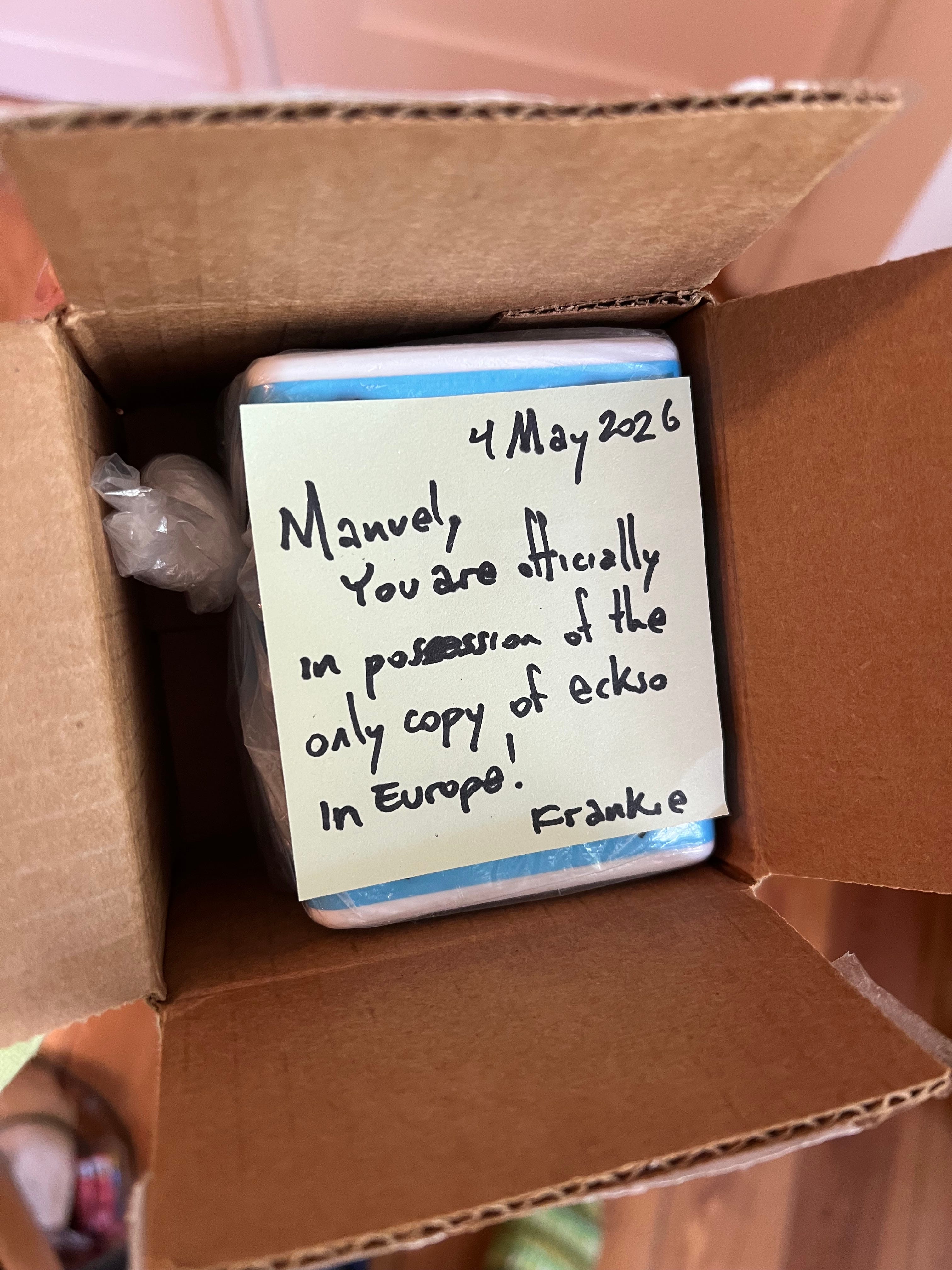
Sparkinglot is a case study in the value of neurodiversity. Being different people with different life experiences, Manuel & I perceive the world differently. By comparing notes on what we see, we attain a much higher-fidelity view.
It’s like the ancient parable in which three blind friends encounter an elephant for the first time:
The first reaches out to touch the unfamiliar animal, and the first thing he touches is its tail. “The elephant is like a rope,” he says.
The second, approaching from the other end, feels its trunk. “Over here, it’s more like a hose!” she calls back.
The third, coming from the side, wraps their arms around a leg. “From where I’m standing, the elephant is like a tree!”
By welcoming each other’s differing observations as also true, instead of contradictory, the friends slowly grow their communal understanding of the heretofore unknown creature.
Sparkinglot-adjacent calls4 have become a fixture in my life. I can’t recommend them enough. If you’re at all inspired by the prospect, I encourage you reach out to someone you vibe with and ask if they’d be game. Take a chance, it’s super worth it. In case it’s helpful, I’ve screenshotted the email I sent to spark the original in footnote #2, below.
Of course, if you’ve ever done something similar of your own, I’d love to hear about it. Please feel free to write me back, or join the discussion in the comments.
Unconferences are participant-led gatherings, typically featuring no prepared program so as to avoid hierarchy of expertise or wisdom and increase inclusivity. Attendees claim time and space at the venue and invite others to join them for discussions on topics related to their specialties.
Here’s my original email proposing the transatlantic exchange.
Though it was a characteristically fantastic event, SXC’s core organizers were taking jobs in distant cities and beginning to start families, and they no longer had the capacity to continue it. Many of the talks from the final SXC are still available online, including my keynote about building trust in experience design work, Design for Implementation.
Shoutouts to Corinne! John! Elena! Zina (xPanda)! Alan! Chantl! Jenny! Ru! and the fabulous Comentorpals: Susannah, Paige, and Shannon!
No posts
Comments
Nothing yet. Say the first thing.
Sign in to join the conversation.