
One of my favorite things about game development is that the final product is never defined solely by the classic project management triad of cost, time, and quality. Games, unlike traditional software, are living contradictions: they are thousands of lines of code and assets neatly put together that make us feel things in ways a movie or a book aren’t able to.
That is the reason why there’s a long-standing debate over whether games should be considered art. Those who defend this view say their emotional engagement rivals cinema or literature. Opponents argue that games are ultimately pieces of software governed by logic instead of emotion, and that their artistic ambitions are merely decorative. But reality is far messier than either camp admits.
What really make games unique is that even the most disciplined game development project, with its Jira boards, sprints, and QA cycles, is vulnerable to the unpredictable element that makes any creative endeavor human: circumstance. Company politics, individual frustrations, technological constraints, market shifts… all of these can shape the soul of a game as much as its budget or schedule.
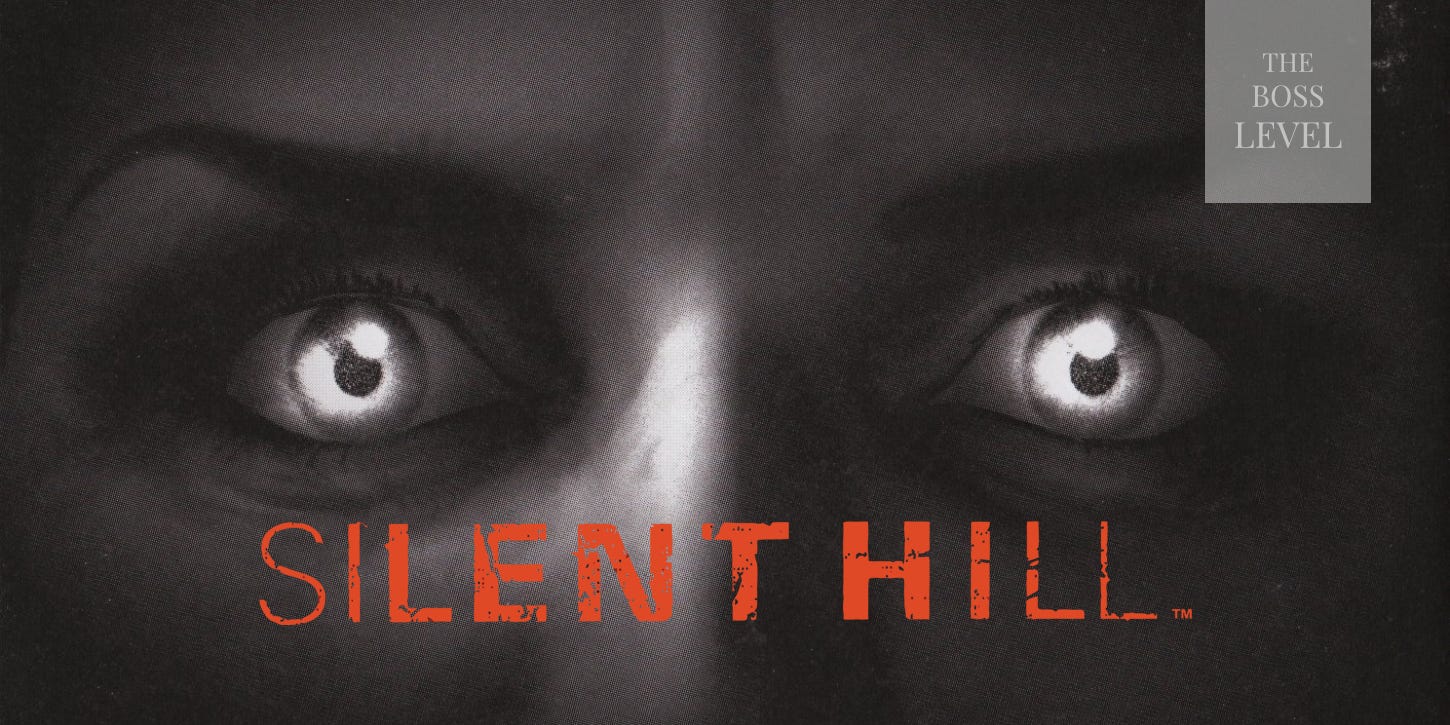
That brings us to today’s topic: the development behind 1999’s seminal survival horror classic Silent Hill.
The original Silent Hill is rarely cited as the best in the series (Silent Hill 2 and 3 often take that crown), but it remains the most mysterious. I acknowledge that its sequels are far superior games than the one that started it all, but Silent Hill uniqueness makes it my personal favorite in the series and one of my favorite games of all time. There’s a rawness in its atmosphere, a palpable sense of alienation that later entries could never quite replicate.
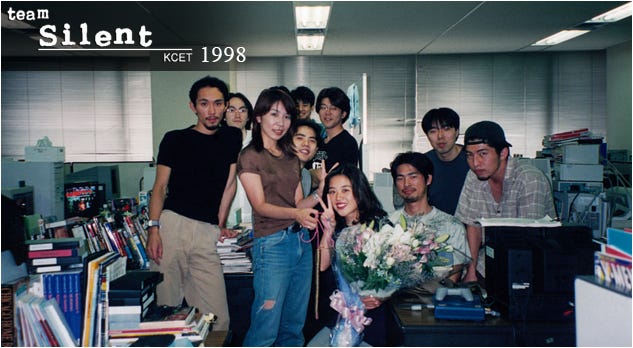
What makes this perception more potent is the fact that such result didn't came from an ambitious plan, but was the by-product of failure, lost faith and the blatant ostracism in which its creators were relegated. In the mid-1990s, Konami wanted a piece of the survival horror market dominated by Capcom’s Resident Evil and they assembled a new internal team tasked with creating a Western-friendly horror game.
However, there were a lot of caveats on this plan. To begin with, nobody at Konami knew what “Western-friendly” meant, so the team was given contradictory directions, tight budgets, and minimal executive support. To make things even more complicated, the people responsible for this project wouldn’t be the most stellar at the company. This misfit group, later nicknamed Team Silent, consisted of developers who had failed or clashed in other departments. Instead of elite talent, they were effectively exiled to what was considered a low-priority project.
Management expected little from them. Their mission was vague, their communication with headquarters scarce, and their morale shaky. In traditional delivery terms, this was a high-risk project with unclear requirements, weak stakeholder alignment, and low executive sponsorship. Or, in more endearing terms, a recipe for disaster.
And yet, against all odds, the extraordinary happened. When the game was released in 1999, it received high critical praise, surpassed sales expectations and became one of the defining moment in the genre. All from a game created in less than ideal circumstances that were never replicated with such success to this day.
But what were those circumstances and how can we replicate those in more healthy conditions?
After seeing projects failing for much less aggravating issues than the ones that plagued the original Silent Hill project, I truly believe what these guys pulled out was almost a miracle. Hindsight is 50-50, but this game could have been a disaster in a variety of reasons. Still, there are lessons we can pull from Team Silent that we could try to apply to new development projects.
Of course, I wouldn’t suggest to ostracize a group of developers and give them little to no resources, but there are some takeaways that we could apply when translated to modern sensibilities.
First, let's analyze each lesson and its takeaways.
As I mentioned before, in most companies, lack of executive attention kills a project. But in this rare case, neglect gave the developers something very rare in today’s gaming industry: freedom.
Since nobody at Konami expected Silent Hill to succeed, oversight was minimal. There were no constant check-ins or status reports. The team stopped trying to please upper management and instead focused on pleasing themselves.
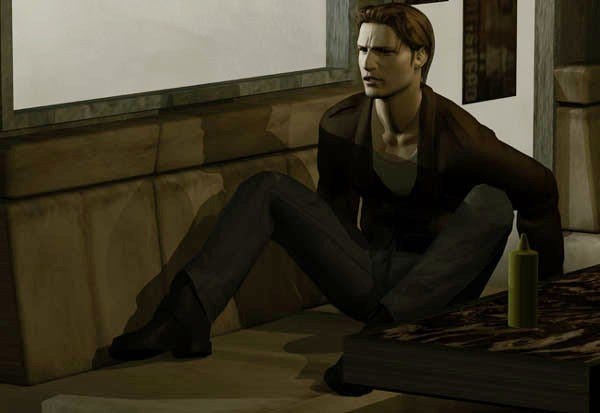
Director Keiichiro Toyama, a former graphic designer with no leadership experience, began leaning into his personal interests like Western literature, psychological horror, and surrealism. Composer Akira Yamaoka joined midway through development, convinced he could do better than the placeholder music he heard. Without permission, he replaced it all with his own experimental industrial-ambient soundscape.
Freed from rigid expectations, Team Silent built a world shaped by their own anxieties. The result was a psychological horror experience unlike anything on the PlayStation.
Takeaway: When top-down control fades, bottom-up creativity can flourish. The key is whether the team feels safe enough to take ownership. In this case, neglect created psychological safety, a paradox few managers dare to reproduce intentionally.
Games are products that thrive in limitations, and Silent Hill embodies this like few other.
The PlayStation’s hardware could only render limited polygons and short draw distances. As result, realistic open spaces looked ugly and unnatural. Most teams would see that as a blocker that should be circumvent in creative ways, as we saw so many times in games from that era.
Team Silent, though, saw that as an opportunity like no other.
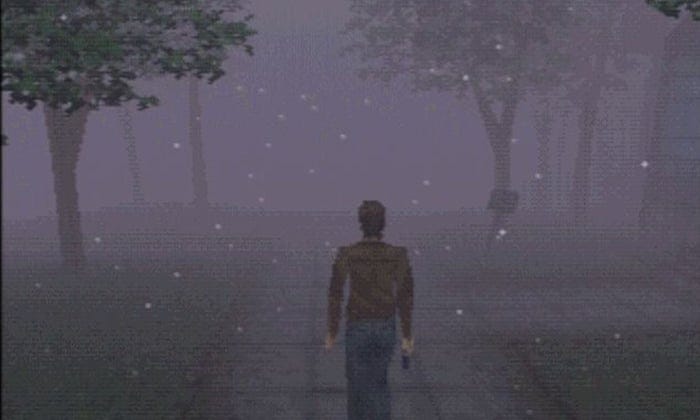
They added dense fog to hide the console’s limitations, a technical workaround that became the game’s signature aesthetic. What started as a constraint turned into the most memorable part of its identity. The same applied to lighting. The PS1 couldn’t handle dynamic illumination, so the designers leaned on flashlights and darkness, forcing the player’s imagination to fill in the gaps.
Every creative discipline does this at some point, but Team Silent embodied it as a survival tactic and part of its identity.
Takeaway: When resources are scarce, redefine the problem. Constraints can force elegant solutions and, sometimes, reinvent entire genres.
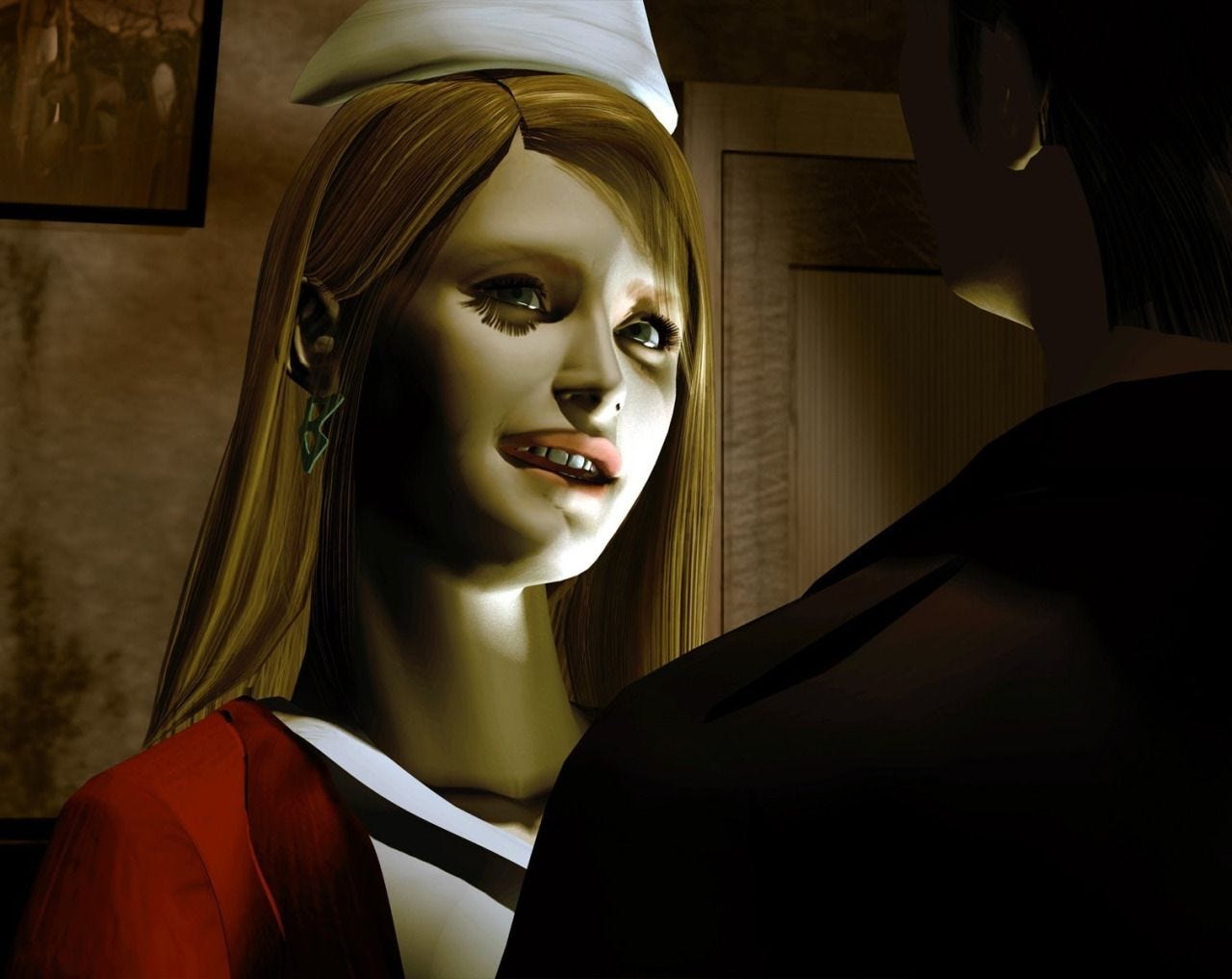
Traditional software development begins with clear requirements, acceptance criteria, and technical specifications. Games can use these as a baseline, but they are mainly a result of experimentation, but artifacts like GDDs (game design documents) can provide a good basis to what developers should expect from the final product.
As you can imagine, Silent Hill had none of that. Its GDD was vague, full of mood descriptions rather than measurable objectives. In traditional game development, this brings a lot of problems, particularly for larger studios that require clear instructions to produce assets that closely align with the original vision.
Team Silent was far from a large team, and all of them were connected by the same emotional threads. Toyama wanted the game to evoke guilt and isolation rather than jump scares. Yamaoka’s music reinforced that vision with unsettling rhythms and metallic textures. Designer Masahiro Ito filled the world with broken geometry and impossible architecture, mirroring human trauma rather than physical logic.
This informal emotional charter held the team together far more effectively than any methodology. They didn’t always agree on mechanics, but they agreed on mood, and that was enough to unify direction.
Takeaway: In creative projects like game development, managing for cohesion means go beyond documentation and strives in cultivating empathy. Alignment can come from well designed processes, but also can be obtained through shared emotion.
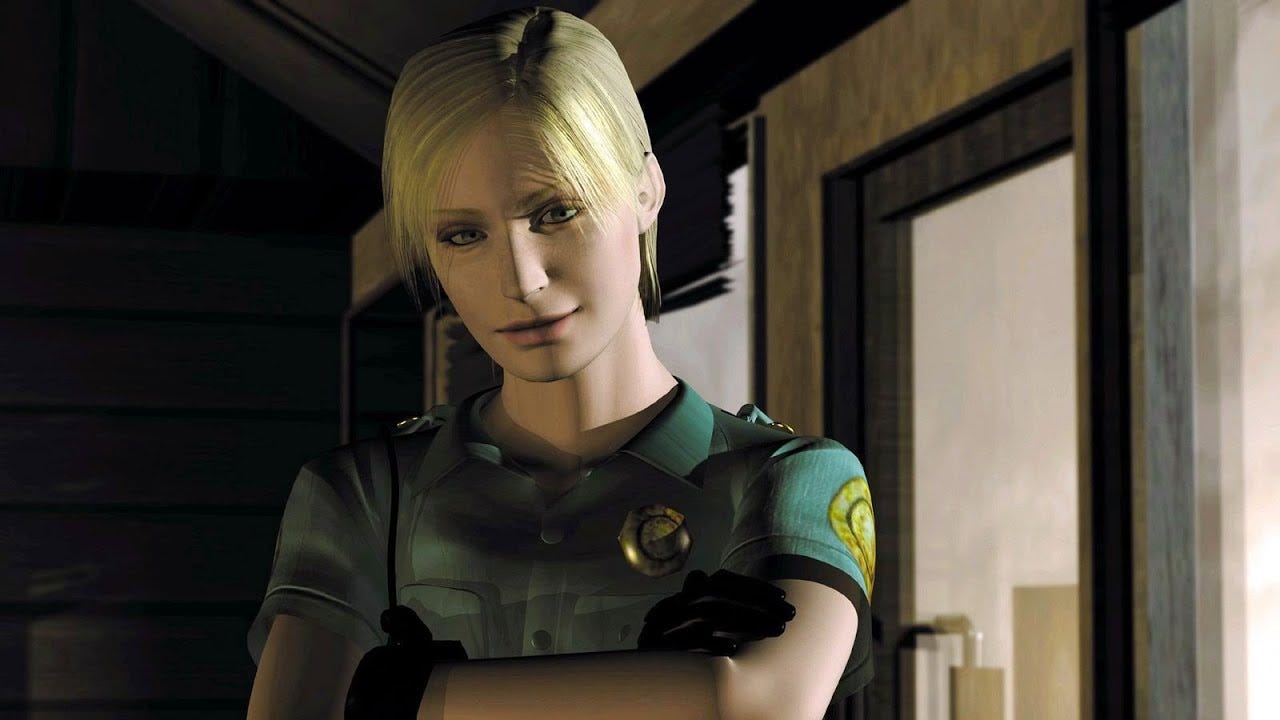
Halfway through development, Konami considered cancelling Silent Hill. The team’s progress looked incoherent, and early builds performed poorly. Facing dissolution, the team shifted gears.
They cut non-essential features, focused on atmosphere, and produced a playable demo showcasing the fog, the eerie town, and the haunting soundscape. It wasn’t mechanically complete and had a lot of edged to be trimmed, but it was enough to show the higher ups that the game felt distinct. Ultimately, that vertical slice convinced management to let them continue.
This was classic agile adaptation before “Agile” was a thing. Without naming sprints or stand-ups, the team naturally gravitated toward iterative delivery: prototype, validate, pivot. They demonstrated value not through reports, but through experience.
Takeaway: Stakeholders don’t always understand documents, but they instinctively understand feeling. In ambiguous projects, tangible prototypes are more persuasive than detailed roadmaps.
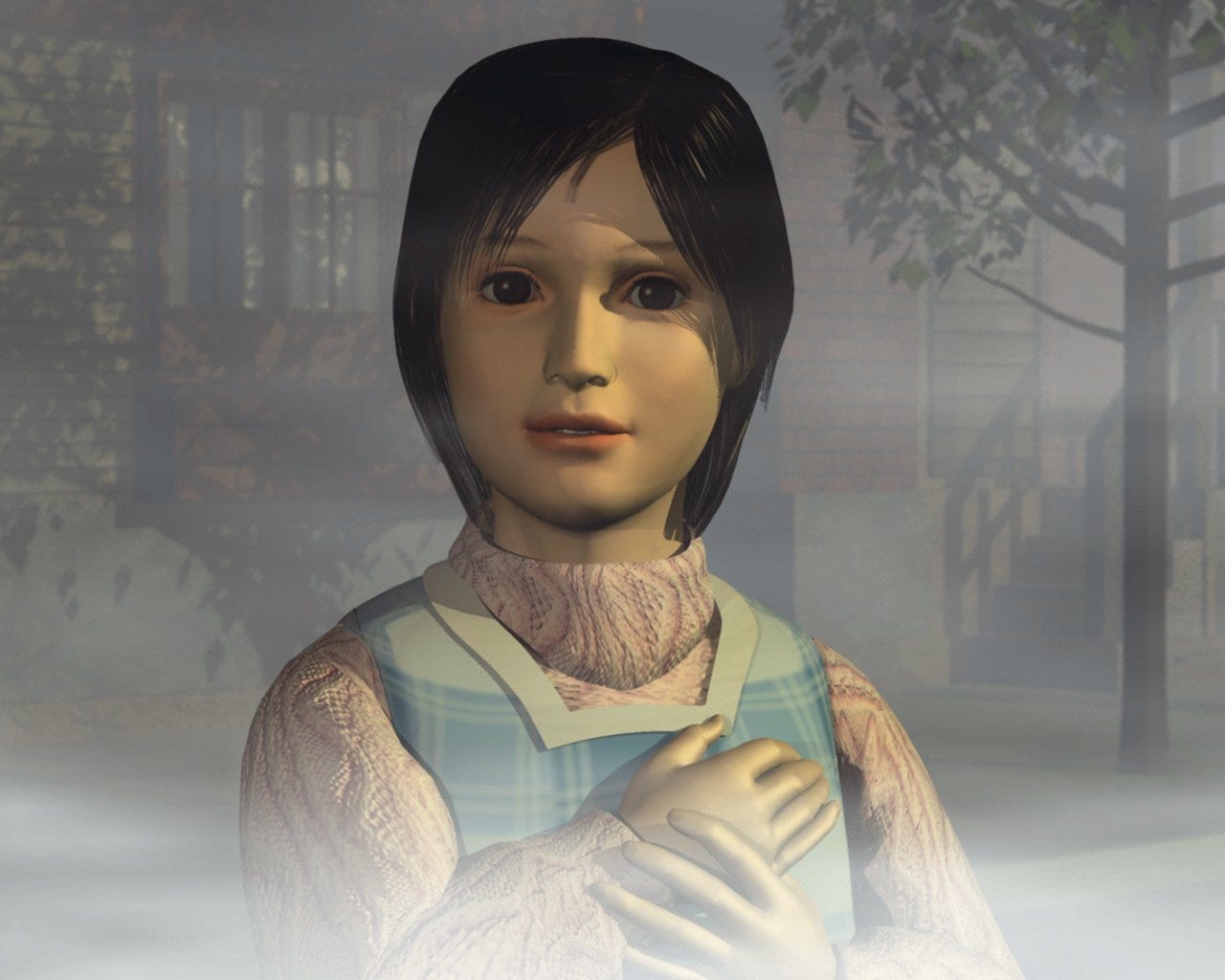
Since they were working in isolation, Team Silent developed strong internal bonds. Programmers helped artists optimize assets. Sound designers contributed to level pacing. Everyone wore multiple hats. There was no clear hierarchy, but there was mutual respect.
Team members later recalled that their shared sense of failure, the feeling that they had nothing to lose, made them more united than any corporate incentive could. Therefore, they were capable of sharing more experiences and help each other out in a more proactive manner. The shared tension of being isolated and having no support from other teams at Konami made them do the best they could with what they had, and the final product benefited from it.
PM takeaway: Chaos can generate collective ownership when the mission becomes emotional rather than transactional. The trick for modern leaders is to channel that energy without waiting for disaster.
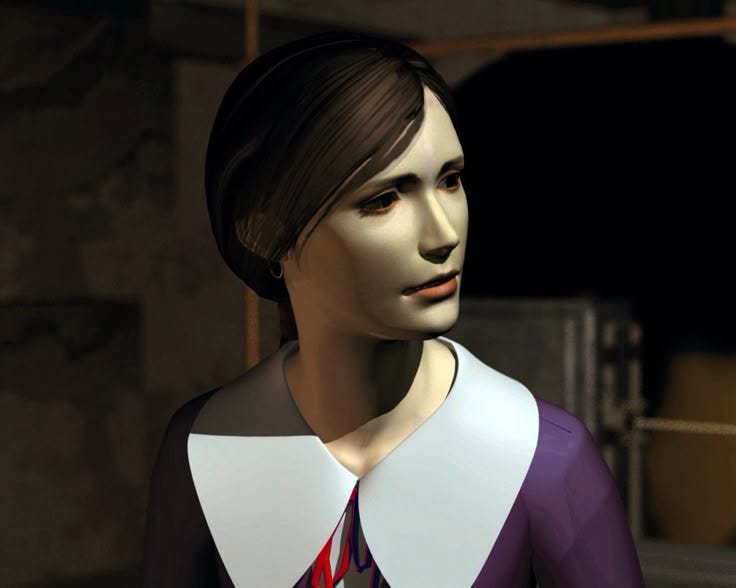
Years later, Toyama reflected on the project, saying that he and his team didn’t know exactly what they were doing and just wanted to make something that felt real to them. It sounds simple, but that confession captures one of the hardest truths for any project manager in creative industries: clarity can be overrated.
Modern delivery frameworks emphasize predictability. We forecast timelines, mitigate risks, and define success metrics, but innovation often comes from embracing uncertainty rather than eliminating it. Team Silent didn’t have a clear plan, but they had curiosity, trust, and a shared willingness to experiment. Had Konami enforced stricter governance, Silent Hill might have been another forgettable horror clone. Instead, their ambiguity became a breeding ground for discovery.
PM takeaway: Not every project needs a perfect plan. Some need a protected space for exploration. Leaders must learn to balance structure with surrender, knowing when to steer when things get out of hand and when to step back to let innovation thrive.
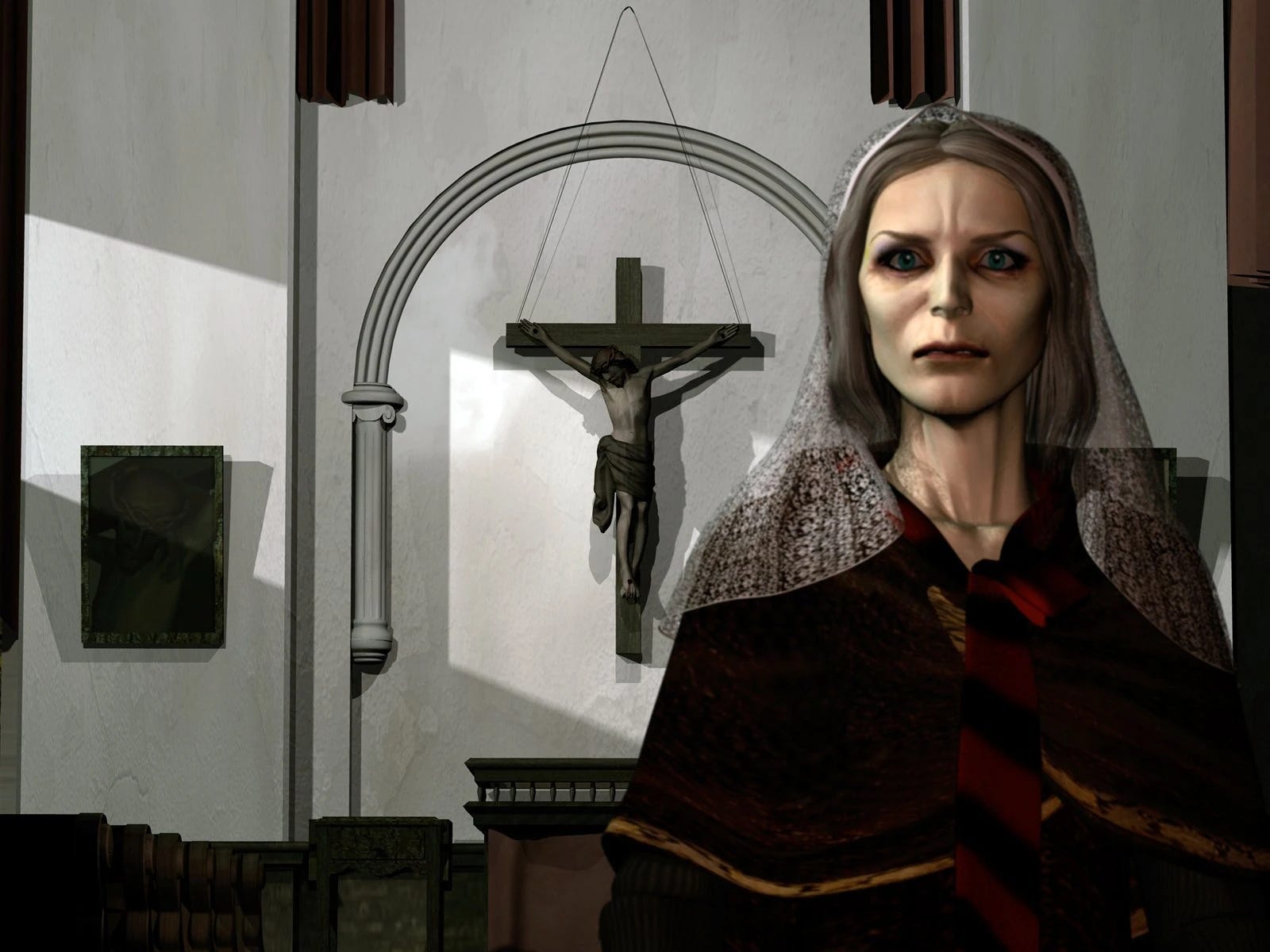
Ironically, the success of Silent Hill destroyed the conditions that made it possible.
Konami, eager to replicate the hit, formalized Team Silent and demanded sequels. The creative freedom vanished under stricter oversight and higher expectations. While Silent Hill 2 remains one of the best horror games ever made, later entries struggled as corporate pressure and team turnover increased. The same organization that accidentally created innovation tried to industrialize it, and in doing so, lost the magic.
This pattern repeats constantly in both gaming and business. Once a team proves success through autonomy, leadership’s instinct is to codify the process rather than preserve the culture.
It’s the paradox of success: standardization kills spontaneity.
PM takeaway: Innovation can’t be templated. You can create space for it, but ultimately it thrives in the tension between structure and chaos. The role of management isn’t to eliminate uncertainty but to make it survivable.
How can today’s designers and producers apply the lessons of Silent Hill without the “collateral damage” of corporate neglect? And how can you apply them to other types of IT project?
I believe there are some modern equivalents:
Controlled Autonomy:
Give teams ownership of creative vision within clear guardrails. Give them objectives, not prescriptions. Use OKRs as direction and KPIs as metrics, but let developers use them as guidance instead of directives.Rapid Emotional Prototyping:
Before over-engineering game mechanics, test how your software make users feel. No matter the software you are developing, it will eventually convey emotions to the person using it. Build small slices that convey tone and pacing to validate concept resonance early.Constraint-Driven Design Workshops:
Turn limitations into design prompts. Ask, “What can’t we do, and how can we use that creatively?”Cross-Functional Shadowing:
Encourage disciplines to step into each other’s shoes. When developers understand art constraints and artists grasp technical trade-offs, empathy drives smarter compromises.Postmortems Without Blame:
Conduct retrospectives that celebrate mistakes as learning milestones in the same way Team Silent’s failures became innovations.
As you can see, these principles don’t just apply to games, but any project where human emotion intersects with structured delivery. It can be applied to a SaaS rollout, a creative campaign, or an ERP migration that needs a spark of empathy to make people feel the right emotions when interacting with your final product.
More than two decades later, walking through Silent Hill’s misty streets still feels as personal as the first time I played this game back in 1999. The texture of its fear isn’t in the monsters but in the loneliness between them: the silence between footsteps, the faint radio static hinting that something’s near, or maybe that nothing is.
It is incredible to learn that atmosphere was a psychological mirror born from the same uncertainty and alienation the team felt during development. The fog outside became the fog within. In a way, every project has its own fog, and, as managers, we spend our days trying to clear it by building roadmaps, defining deliverables, and tracking KPIs. But sometimes, the fog is what gives meaning to the journey. It forces us to listen closer, look deeper, and trust our teams to find the path.
Silent Hill stands as proof that uncertainty, when faced with empathy and courage, can generate the most innovative ideas your team can create.
In today’s industry, where metrics often overshadow meaning, the story of Silent Hill feels almost subversive. It reminds us that some of the greatest outcomes come from imperfect beginnings.
So as Halloween approaches and the fog rolls back into our screens, perhaps the best way to honor Silent Hill is to remember that even the most imperfect projects can produce memorable results, just like that otherworldly town that brought us so many memorable experiences.
Thanks for reading The Boss Level! This post is public so feel free to share it.
Comments
Nothing yet. Say the first thing.
Sign in to join the conversation.