
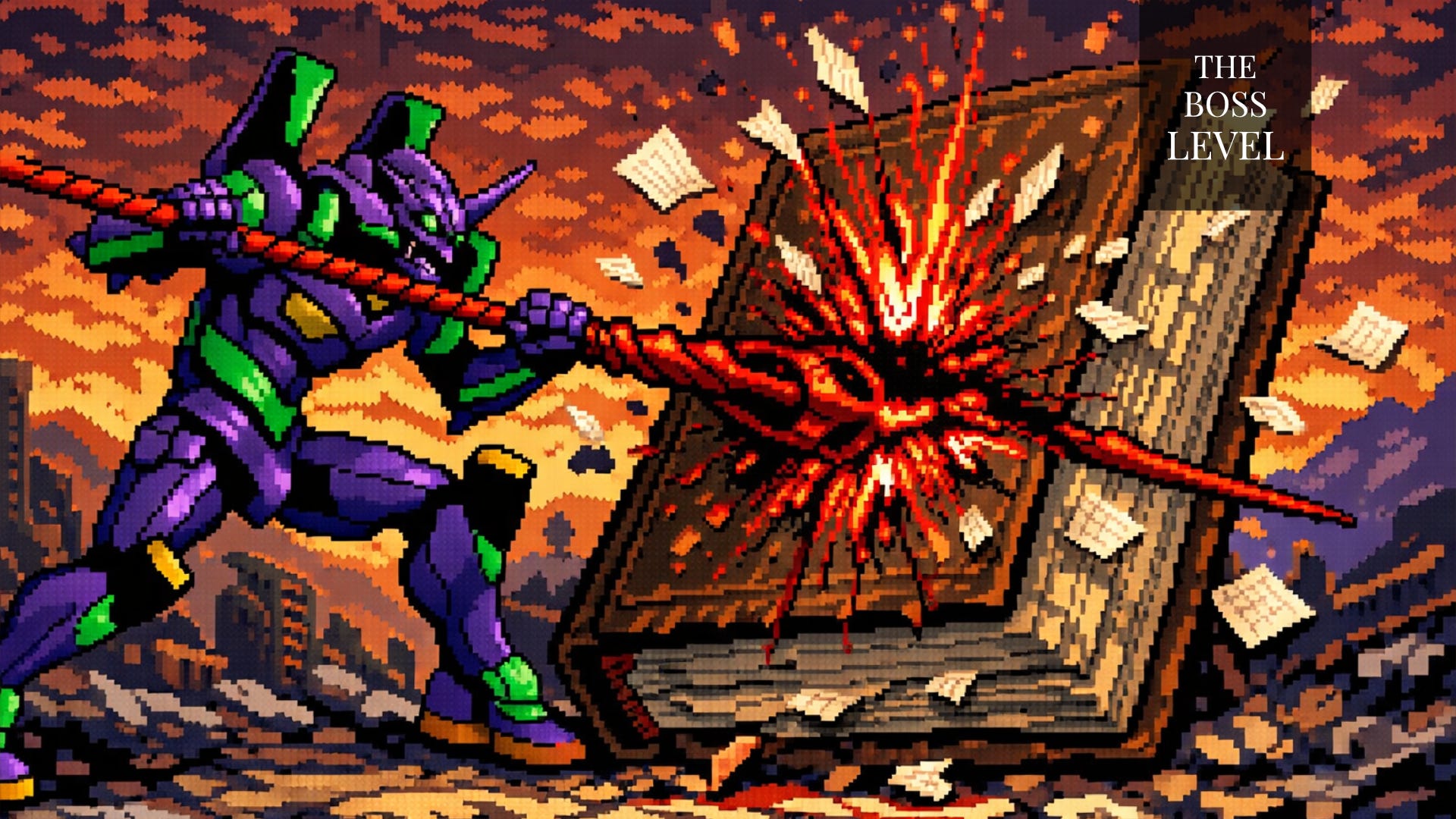
Neon Genesis Evangelion is one of the most disruptive, daring, and influential anime series of all time. The brainchild of Hideaki Anno, it explores deeply flawed characters in a post-apocalyptic world, each carrying their own wounds, yet all converging toward the same challenge: the human urge to form bonds, even if it hurts us — or, as referenced in one of its most celebrated episodes, confronting what Arthur Schopenhauer called “the hedgehog’s dilemma.”
Years after The End of Evangelion hit theaters, Anno promised to return to his masterpiece, this time to “rebuild” it. The result was Rebuild of Evangelion, a tetralogy that serves partly as sequel, partly as re-imagining. The first two films echo the original series, but subtle divergences gradually reshape everything that follows.
Some fans embraced this approach. Others felt a sacred IP had been “destroyed” by its own creator. Regardless of where you stand, indifference is almost impossible. We can meme Eva all we want, but it inevitably leaves scars on those who embrace it. Following Rebuild’s own iconography, you can (not) treat Evangelion lightly.
The reason Rebuild feels so different from the 1990s original is well known among fans: Hideaki Anno is no longer the same man, thus his new vision on the material is more hopeful. It introduces new visuals and controversial elements like Mari and the WILLE organization, but above all, it exposes a creator who has changed.
And that change inspired me to kill a dream project I’d been carrying since I was thirteen.
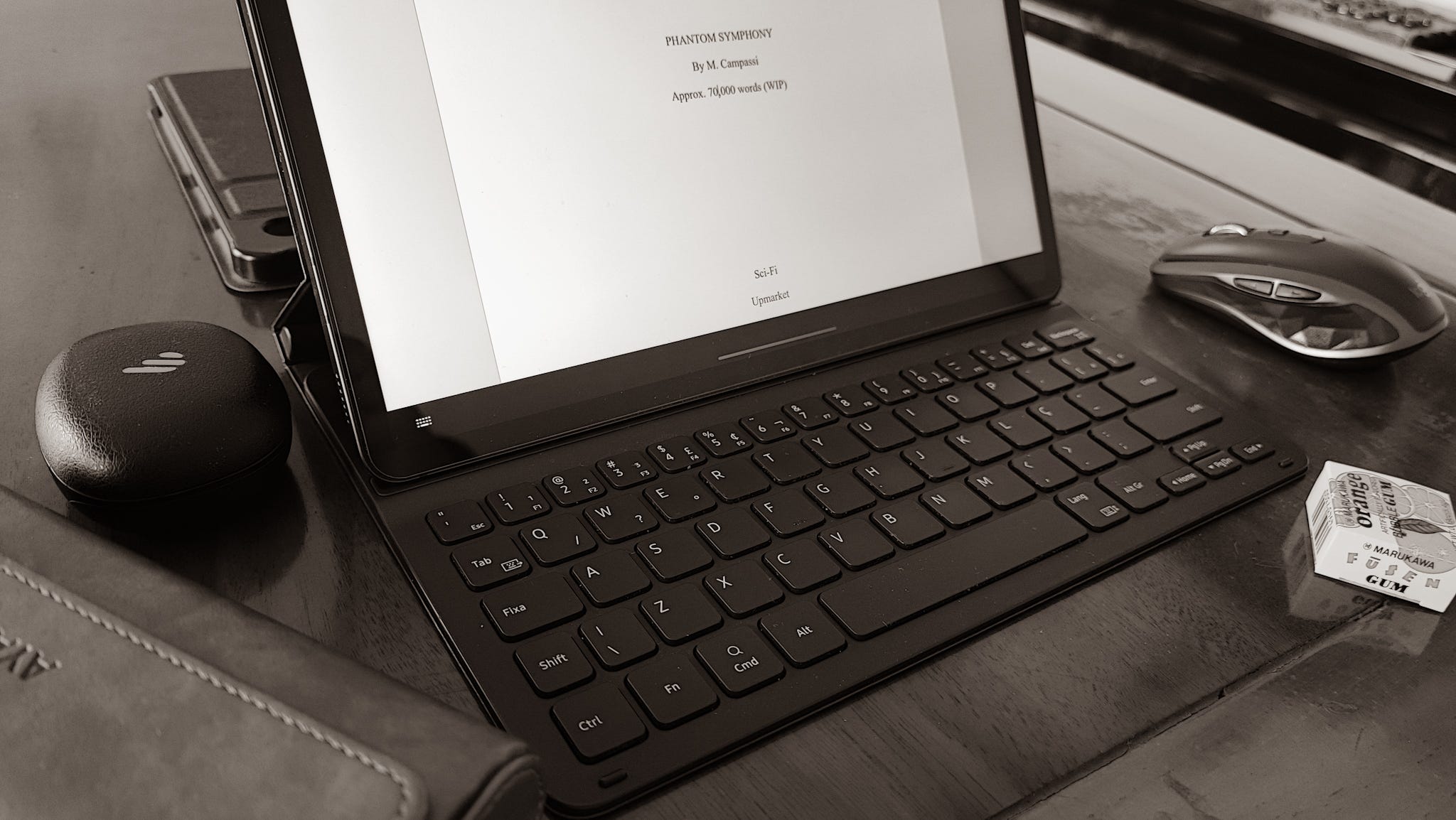
Two years and four months. That’s how long it took me to write the 67,800 words of Phantom Symphony, the first book I had the courage to pursue for publication. After sending my first wave of query letters, I began reflecting on how I reached this point after a lifetime of writing mostly unread.
This book wasn’t born in a vacuum, but grew from the ruins of an older one that I started back in 1999. My parents’ divorce shattered the stability of my world, and I needed somewhere to hide. It began as scattered fan fiction and slowly evolved into a full YA sci-fi trilogy drenched in 1990s pop culture, celebrating the music, games, and anime I loved. That project was my dream, the book that would outlive me.
But there was a problem: It was the first. For a long time, it was also the only one.
Which brings the question: what happens when your dream project is your first one? And what if the dream you had as a child no longer speaks to the adult you became?
I’ll be blunt: starting with your dream project is a recipe for paralysis.
It will never feel good enough, so you’ll polish it forever. If you overcome the temptation to chase perfection and release it, it will always be marked as your first, the thing you created before you knew what you were doing. Years later, you’ll look back and taste the bitterness of what it could have been. That’s why you should write other projects first before diving into your dream.
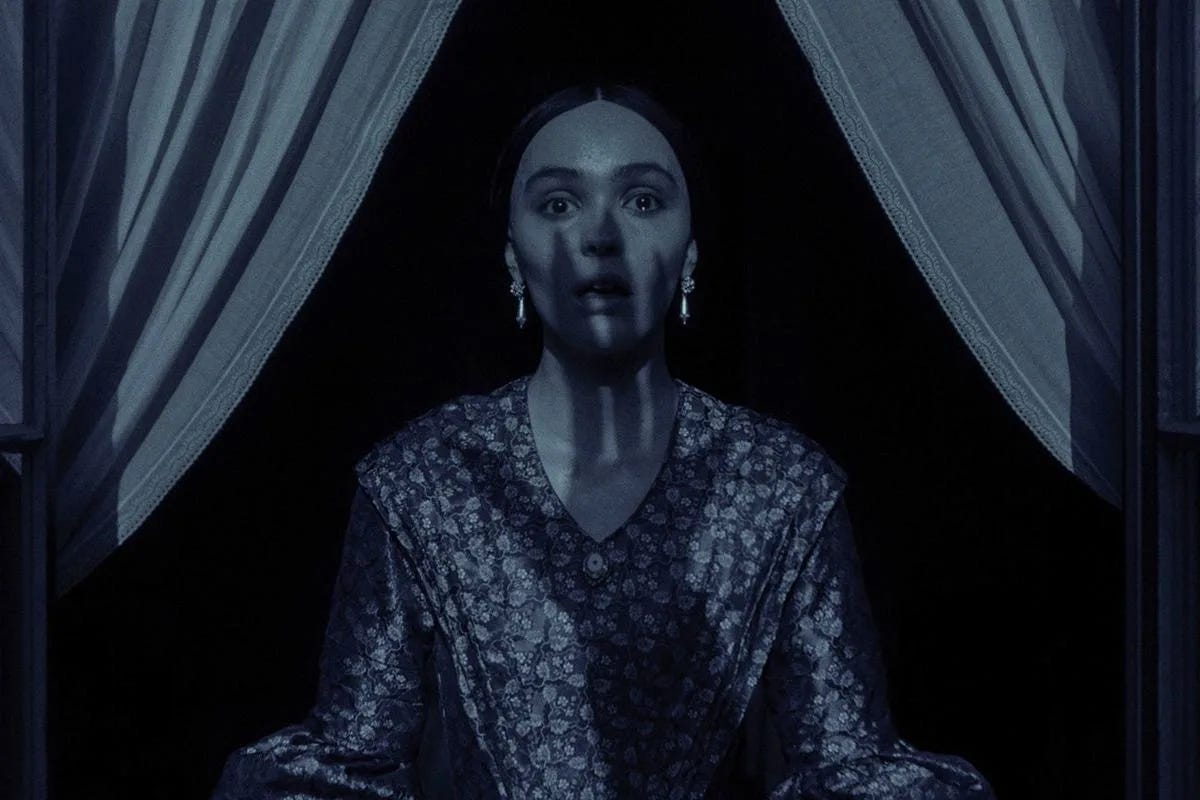
Look at Robert Eggers, for example. He always wanted to make a new take on Nosferatu (2024), but before attempting it, he made The Witch (2015), The Lighthouse (2019), and The Northman (2022). Each film expanded his range and sharpened his voice. If he had tried to film Nosferatu too early, it wouldn’t have been the same.
That realization forced me to question my own sacred project. I needed another book, a new canvas that allowed me to experiment without the burden of destiny attached to it, or at least to confirm if I could make something great with what I have. With that idea in mind, I reused fragments of that old world building. This time, though, I let Gustav Mahler guide the structure. I chose an unexpected protagonist. The themes became darker, more interior, more adult…
And slowly, it clicked.
I could never have written this at thirteen. Worse, that old manuscript I dreamed for decades doesn’t speak with me anymore.

If you are one of those who began to follow an artistic path from a very young age—writing, making movies, drawing, composing music—and keep doing it in your adult life, it’s almost certain that you’ll see your old ideas and ability levels from a different perspective. Most artists feel ashamed of what they produced in the past or view it with healthy distance as the first steps to a fruitful mastering of their craft.
Still, there’s a small minority of artists who believe their first interpretation of a story is the purest one and refuse to revisit it with mature eyes. Emerald Fennell is a recent example of that. Her recent adaptation of Wuthering Heights (2026) reflects how she understood the book as a teenager and she deliberately chose not to reread it as an adult.
That choice fascinates me because it makes me question what happens when we freeze our artistic perspective in adolescence. Will you remain loyal to your younger self and realize that imperfect vision, despite its rawness? Or will you see yourself as unevolved, much like Robbie Williams astutely depicted in his biopic Better Man (2024)? No matter the choice, it doesn’t negate that growth requires revision, both of our work and of our worldview.
Which bring us back to Hideaki Anno.
He created Neon Genesis Evangelion while battling depression and doing therapy, and it shows. However, more than a decade later, he was older, healthier, and married. He founded his own studio, built a life beyond the pain that birthed Eva and, above all, he grew. You can’t expect a man who found peace to reproduce that same despair from years ago, thus he rebuilt his masterpiece to reflect who he had become.
That sincerity moved me more than the anime itself. It inspired me to take the “kill your darlings” advice and go a step further.
That is why I “killed” my dream project.

The biggest lie we’re told is that we can be anything. We can’t.
I once believed I could become a million versions of myself. Yet the truth is I’m mediocre at most things. Space-opera YA trilogy writer? That was one of them. But I can become better at being myself if I’m brave enough to let outdated versions die.
Killing that dream didn’t end my writing career. It allowed Phantom Symphony to exist. It isn’t perfect, but it’s honest. It even shaped the next book I’m working on now, one that would be even more truthful with my voice today. And when I look back at it years from now, I won’t see the ghost of who I used to be. I’ll see the beginning of who I chose to become.
I couldn’t be more grateful to Hideaki Anno for teaching me that.
Thanks for reading The Boss Level! This post is public so feel free to share it.
Comments
Nothing yet. Say the first thing.
Sign in to join the conversation.