
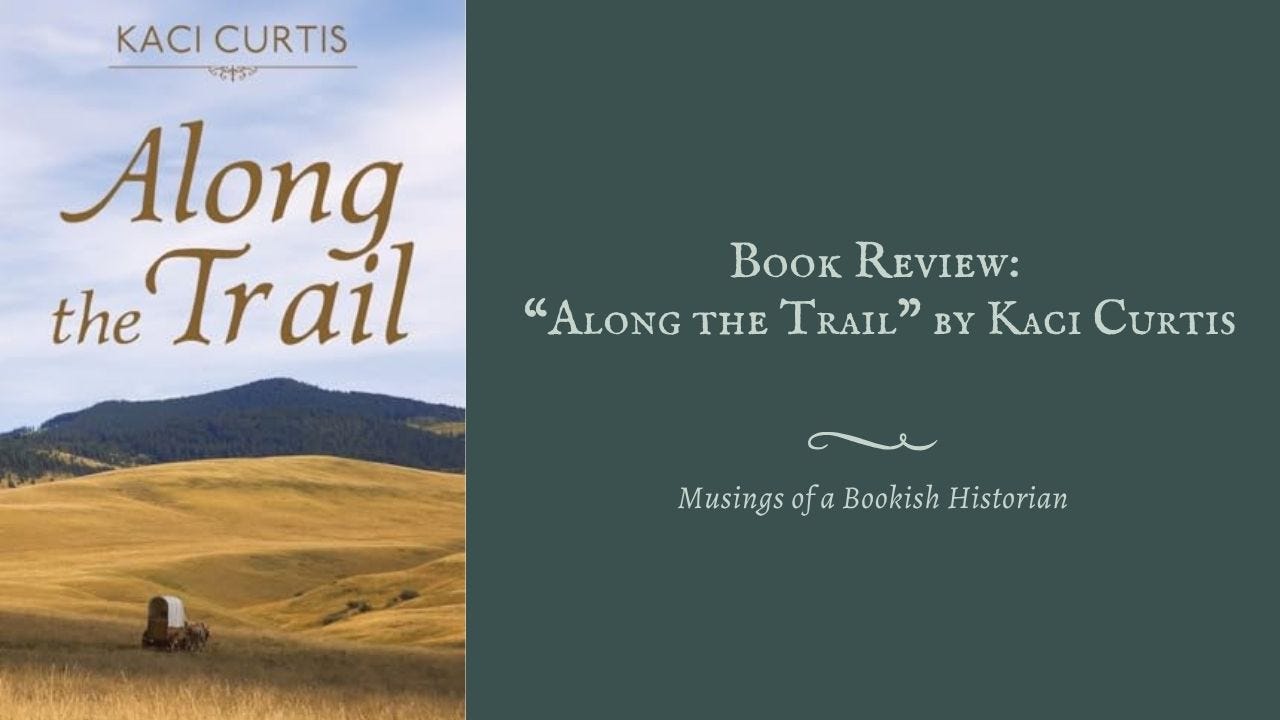
‘The pamphlet Papa had brandished when he’d surged excitedly through the front door those many months ago hadn’t mentioned the monotony. It hadn’t hinted about the stench, the endless rattling, or the insects and dust. To be honest, the pamphlet’s pleading words had been more like a song, beseeching its listeners to travel. “To the West! To the West!” it cried. “There is wealth to be won!”’ ~ Kaci Curtis
The above quote begins Kaci Curtis’s debut novel Along the Trail, the story of young Winnie, her family, and their migrant train as they traverse the Oregon Trail from Missouri to the eponymous territory. The novel chronicles the dangers and triumphs faced by these intrepid travelers in a remarkable tale of frontier life, love, and the inextricable ties that bind and bond us.

The trail, originally laid by fur trappers and traders in the early- to mid-nineteenth century, spanned from the Great Plains to the Pacific coastline with routes leading to Oregon, California, and Utah. Westward expansion saw tens of thousands cross rivers, plains, mountains, and deserts to reach new lands for settlement. The paths followed by travelers ran rife with danger, however, due to natural disasters, disease, river crossings, wildlife, accidents, bandits, and more.
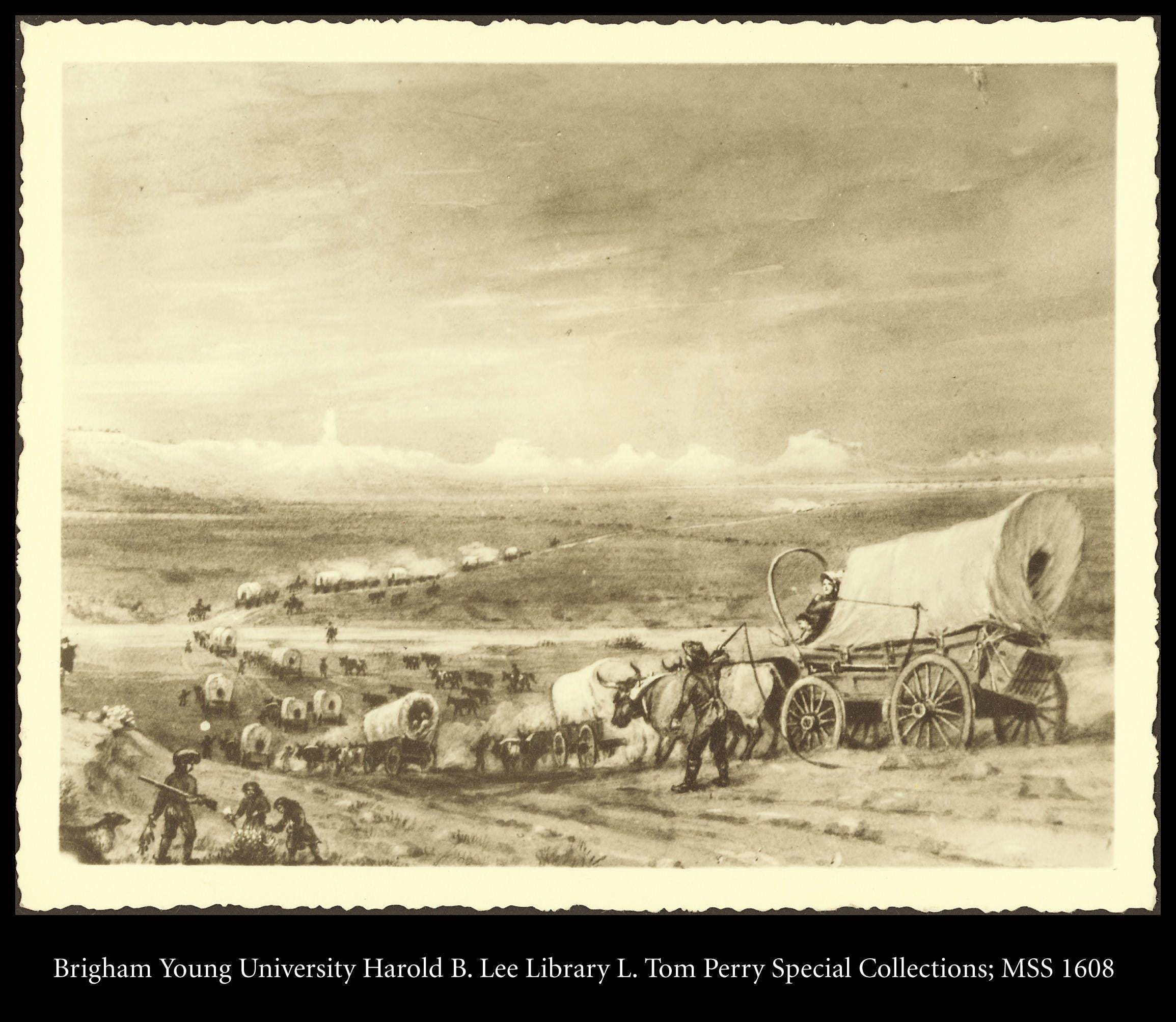
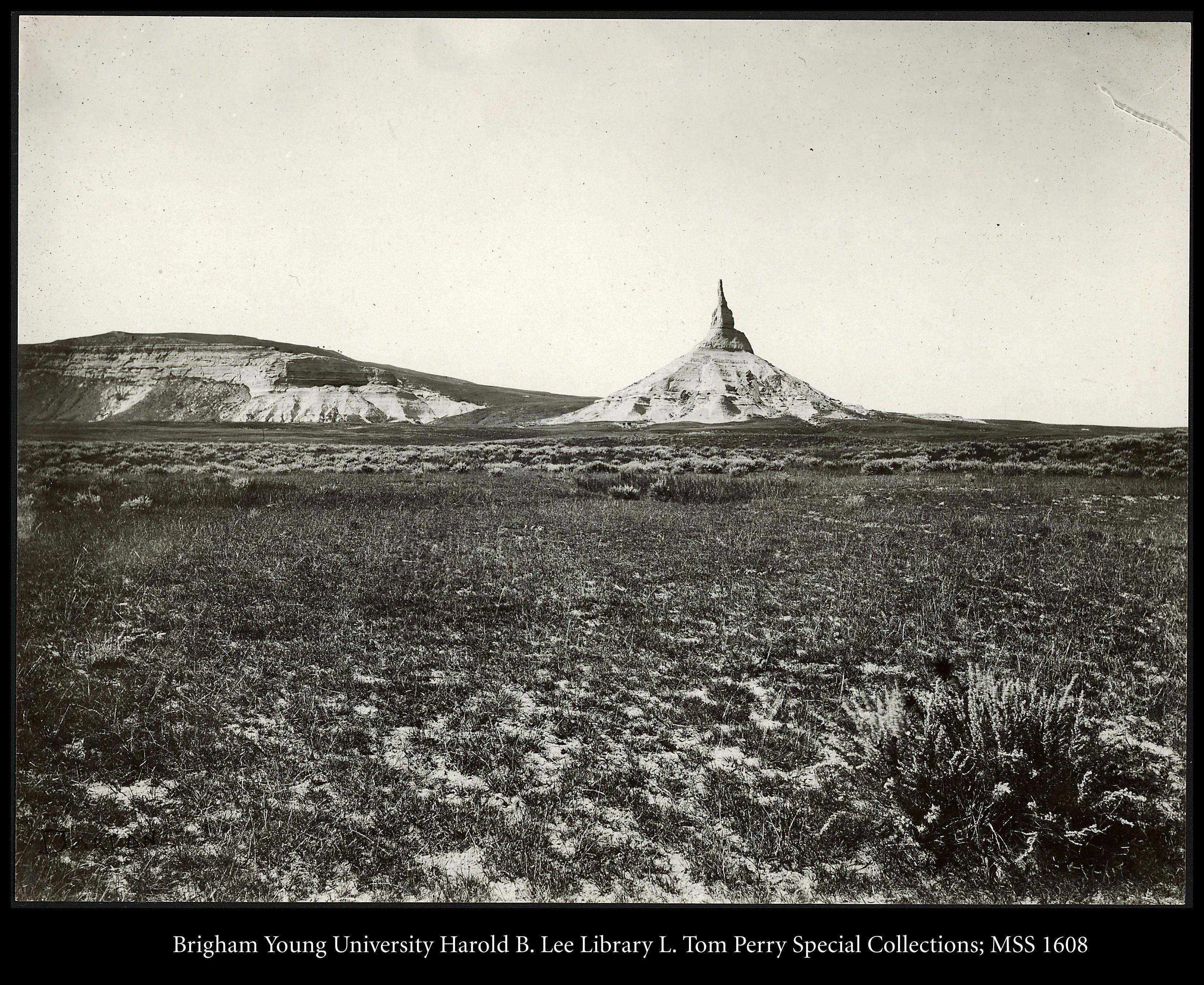
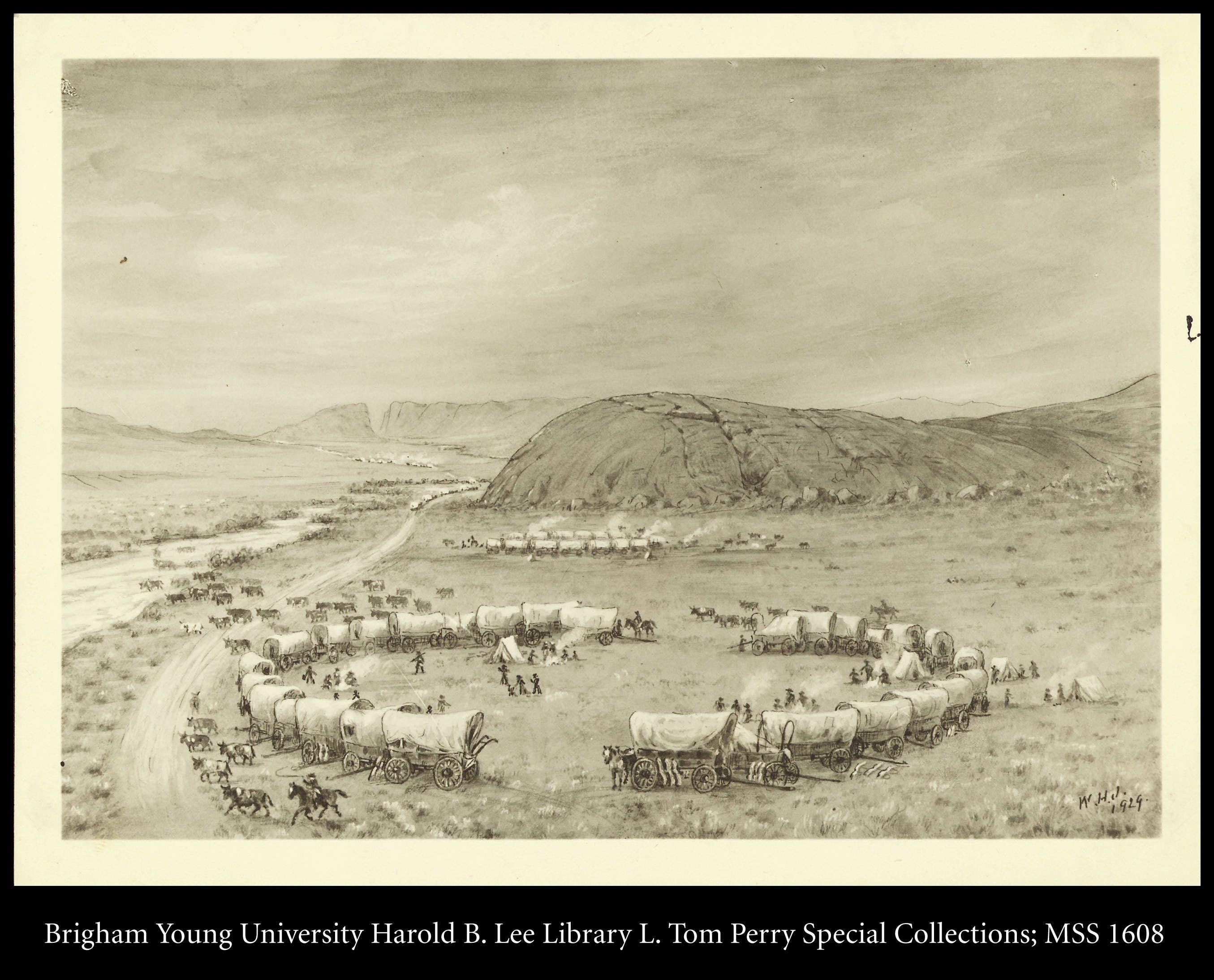
Kaci authentically grounds her novel in the nineteenth-century American West. The world she builds pulses with life, from the creaking and groaning of the laden wagons to the stunning natural landmarks the would-be settlers encountered. From the weathered forts catering to exhausted migrants to the treacherous rivers, oppressive heat, and brilliant overhead stars. From the grizzled sourdoughs and experienced travel guides to those simply trying to start a new life. Such a landscape and time period often inspires starry-eyed wonderment.
And yet, Kaci’s treatment of the Oregon Trail rather balances tentative awe with pragmatic - often brutal - realism, and this balance underlies Winnie’s character development as the novel progresses through her maturing opinions on the journey itself and Native Americans. Kaci’s exploration of Native American experiences and prejudice against them through Winnie’s eyes deserves particular recognition.
Connections and confrontations between Native Americans and migrants were inevitable as wagon trains traveled through native lands, and some authors might gloss over this. Through Winnie’s eyes, however, Kaci engages with this history in an honest and patient manner, allowing readers to grapple with the uncomfortable reality that many westward travelers and the American military treated the natives as “the other” and used their fear as an excuse to harm their fellow humans. Winnie’s maturation from fearing Native Americans to acceptance and understanding was one of the novel’s high moments for me.
Winnie and her friend Mae, the daughter of the train’s trail guide, also speak to women’s experiences on the frontier and how it, in some respects, equalized gender roles. Nineteenth century America subscribed to a patriarchal society with men moving in the public sphere while relegating women to the domestic.
On the Oregon Trail, the lines between traditional gender roles blurred as women often assumed leadership positions, traveled without male chaperones, acted as heads of households, or simply performed tasks usually expected of their male counterparts. Through introspection, Winnie muses on the sense of freedom she feels from being on the trail while Mae completely subverts any patriarchal expectations through her “masculine” dress, distinct lack of immediate desire to marry, and effectively acting as a son to her doting father.
On the whole, Along the Trail offers a riveting, poignant, and immersive fictional account of life on the Oregon Trail. The novel encapsulates the frontier concept of “seeing the elephant”. That is, starting a journey with anticipation only to slowly become disillusioned or disappointed, as Winnie does.
Despite all of the hardships, however, members of the wagon train form bonds forged through their trials, tribulations, and mutual closeness. The Oregon Trail tested the resilience of many travelers, but in the end, those who passed into the fabled lands in anticipation of a new life sometimes found it in a remarkable example of human spirit and fortitude.
Along the Trail celebrates that resilience, spirit, and fortitude, reminding us that though almost two centuries separate us, those suffering from marginalization, prejudice, and other hardships today can still find love and support from within their chosen families and community.
Thank you to Kaci for an advance copy of this novel. I’m deeply grateful to have reviewed this novel for such a talented writer! All opinions are my own.
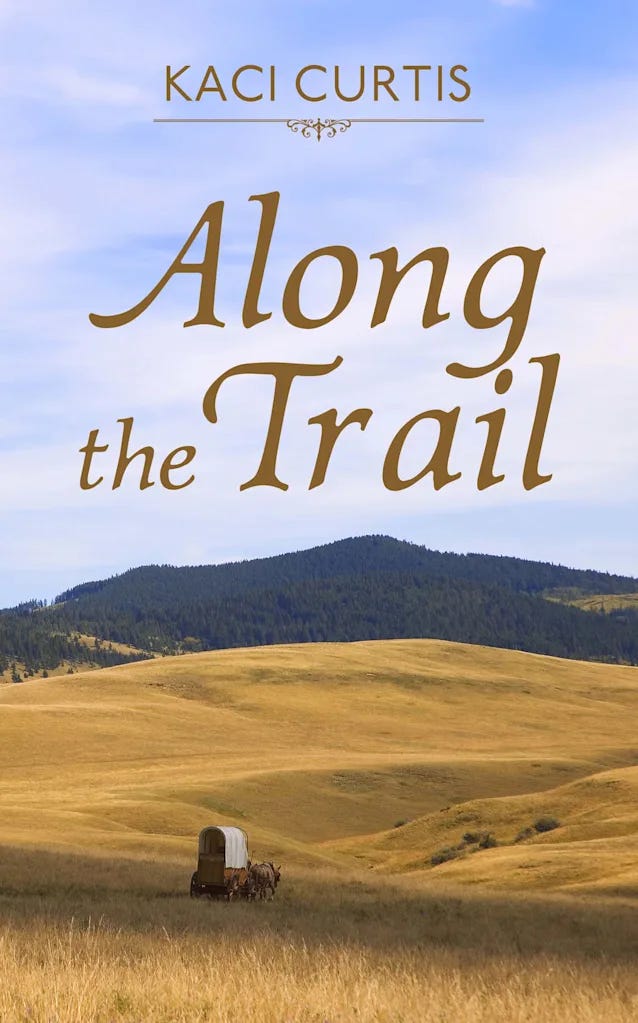
Title: Along the Trail
Author: Kaci Curtis
Publisher: Wild Rose Press
Publication Date: October 2025
Page Count: 289pp
Learn more about Along the Trail
Featured image: Chimney Rock in Morrill County, Nebraska, USA (Wikimedia Commons/Mike Tigas, CC BY 2.0)
Comments
Nothing yet. Say the first thing.
Sign in to join the conversation.