
I just learned that March 30th is International Zero Waste Day, designated by the UN in 2022. This year, the focus is on textile and fashion waste—one of the most overlooked contributors to global pollution. In this post, we’ll dive into the impact of clothing waste and, more importantly, what we can do about it.
Every March 30th, the world observes the International Day of Zero Waste—a reminder that what we buy, wear, and discard has consequences far beyond our closets. While plastic straws and grocery bags often dominate the conversation around waste, there’s another major culprit hiding in plain sight: our clothes.
Picture your favorite dress. Maybe it’s trendy, maybe it was a steal. But before it landed in your closet, it had already traveled the world.
It started in a cotton field, where thousands of gallons of water nurtured the crops—2,700 liters just for a single T-shirt. The fibers were spun, woven, and dyed using chemicals that often seep into rivers, contaminating drinking water. From there, the fabric was shipped across continents to a factory where underpaid garment workers stitched it together before it landed in a store, waiting for you.
Fast forward a few months. A seam rips, the fabric pills, or maybe you’ve just moved on. You toss it in a donation bin, hoping someone else will give it a second life. But here’s the truth: only 10-30% of donated clothing actually gets resold. The rest? Shipped overseas where it overwhelms local economies, dumped in landfills, or incinerated. Multiply that by millions, and you get 92 million tons of textile waste every year.
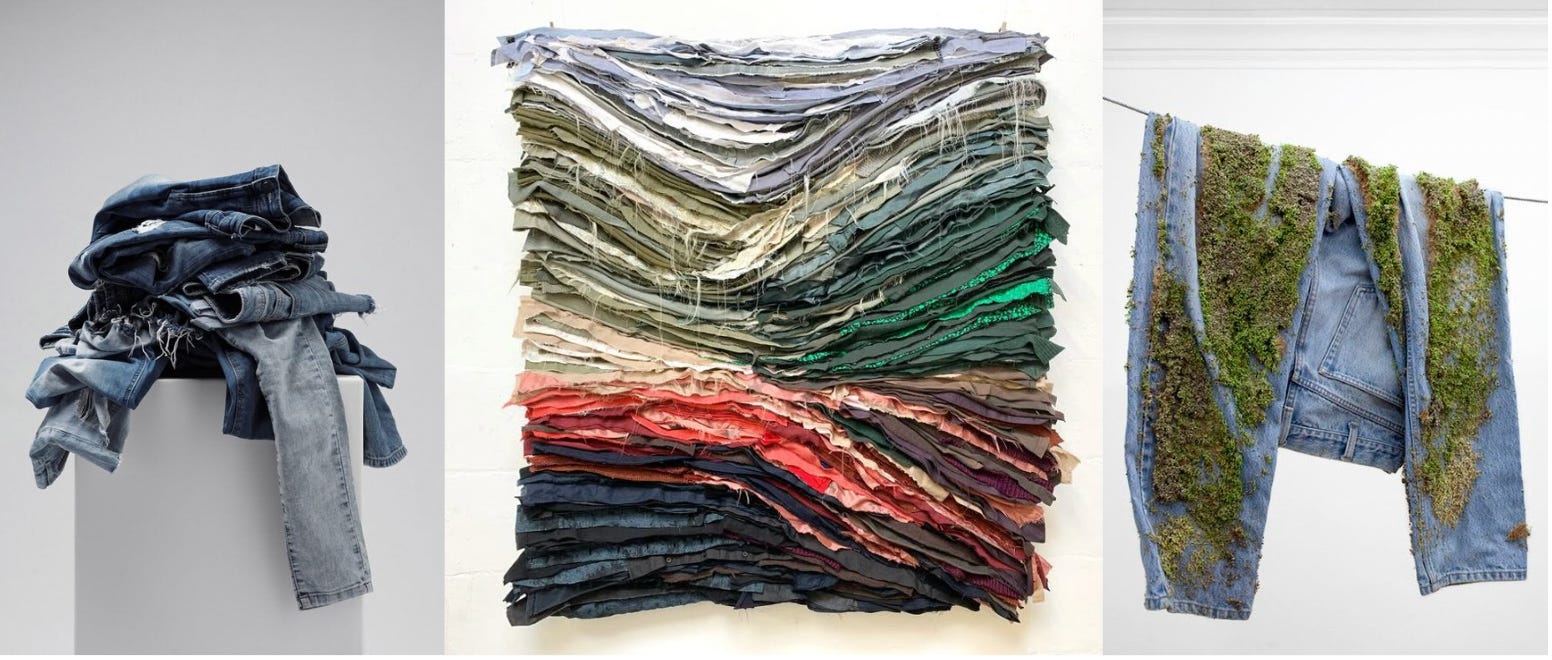
Fast fashion thrives on speed and disposability. New collections drop weekly, convincing us to buy more and toss what we have. Today, the average person buys 60% more clothing than they did 20 years ago—but keeps each piece half as long. The fashion industry now accounts for 10% of global carbon emissions, more than international flights and maritime shipping combined.
And then there’s the plastic problem. Polyester, the most common fabric in fashion, is made from fossil fuels. Every time you wash it, it sheds up to 700,000 microfibers, which slip through wastewater treatment plants and enter the ocean. These tiny plastics act like sponges, absorbing toxins before being swallowed by fish—and eventually, by us.
Beyond environmental harm, fast fashion has a human cost. Many garment workers—85% of whom are women—earn poverty wages in unsafe factories. Some are exposed to toxic dyes and pesticides, leading to respiratory diseases and skin conditions. The true price of a $5 T-shirt is paid by the people making it.
But there is hope. The UN Fashion Alliance is pushing for an industry-wide transformation, aligning fashion with sustainability goals through waste reduction, ethical labor, and circular fashion. And science is leading the way:
Bio-Based Textiles – Companies are developing fabrics made from algae, mushrooms, and even banana peels to replace petroleum-based materials.
Closed-Loop Recycling – New technologies are turning old clothes into high-quality fibers without degradation, reducing reliance on virgin materials.
Sustainable Dyeing – Scientists are using naturally occurring enzymes and crystal structures to replace toxic dyeing chemicals.
Shop Your Closet First – Before buying new, remix what you already own. Try new pairings, tailor what doesn’t fit, or repair what’s broken.
Buy Less, Choose Better – Invest in quality over quantity. Durable, timeless pieces reduce the need for constant replacements.
Support Sustainable Brands – Look for companies using recycled materials, ethical production, and circular fashion initiatives.
Recycle Textiles – Many brands and organizations now take back worn-out clothes for recycling instead of landfilling them.
Talk About It – Fashion is culture, and your voice matters. Spread awareness, ask brands for transparency, and challenge the mindset that new is always better.
Fashion has always been a reflection of culture, creativity, and personal identity. But it doesn’t have to come at such a high cost. By making more intentional choices—buying less, choosing quality, and supporting sustainable innovations—we can shift the industry toward a future that values both people and the planet.
Waste isn’t inevitable. It’s the result of decisions—by brands, by policymakers, and by us. This Zero Waste Day, let’s rethink those choices and imagine a fashion industry that works for everyone, creating a system where fashion thrives without waste or excess.
Thanks for reading The Bit! This post is public so feel free to share it.
I'm curious—what are your thoughts on textile and fashion waste? Do you have ideas for solutions, whether from brands, corporations, or individuals? Drop a comment or send me a message—I’d love to hear your perspective!
till next time xx
Dylan McAfee
Comments
Nothing yet. Say the first thing.
Sign in to join the conversation.