

I’ve been thinking a lot lately about how people shop for clothes, including myself. I feel like every time I’m on a website, I see the same words over and over again like sustainable, conscious, eco-friendly, and I never really know what they mean. And then if you actually want to know what something is made of, it’s kind of hidden or just not explained at all.
I’m a PhD student in materials science at Northwestern, so I spend most of my time thinking about materials in a very technical way. How fibers behave, how different materials break down, how blends change performance. And the more I learned, the more I realized how little of that actually makes it into the way fashion is presented to people.
At the same time, I kept having conversations with friends where they would say things like they’re tired of wearing polyester all the time, or they want to shop more sustainably but don’t know what to trust. And I get that, because I’ve felt the same way. But it’s also not as simple as just saying polyester is bad. There are situations where synthetic materials are necessary, especially in things like rainwear.So there’s a lot of nuance, but there isn’t really a place where that nuance is explained in a way that’s easy to understand while you’re shopping.

That’s what I’m trying to build with Soft Mattr. It’s a way to discover fashion through a materials lens, where you can actually understand what something is made of and what that means. Not to tell you what to buy, but to give you enough information to decide for yourself.
Right now, it’s a curated set of products where the material composition is made more visible and easier to understand. I’ve been building out a database of products, talking to different brands, and trying to figure out how to present this information in a way that actually feels useful.
Over time, the goal is to build a framework for evaluating products based on what they’re actually made of, so you can better understand the tradeoffs behind the clothes you’re buying. Because there isn’t one perfect material. It really depends on what you care about.
I’ve also been finding brands that are actually thinking about this in a real way, which has been one of the most exciting parts. There are people already doing the work, it’s just not always easy to find them. For example, Santos by Monica makes bags out of cactus leather, which is a completely different material approach compared to both traditional leather and most synthetic “vegan” alternatives.
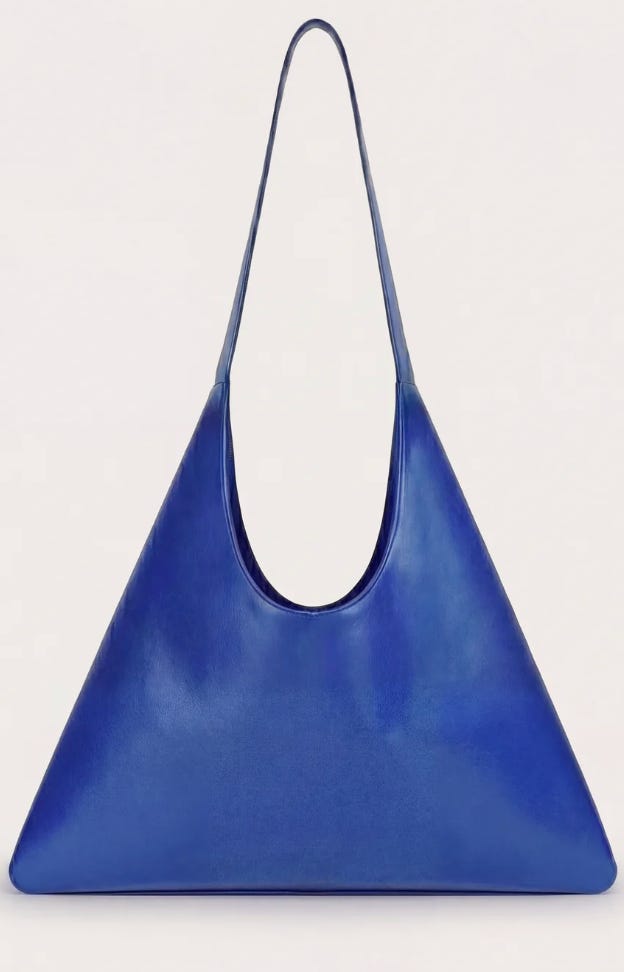
There are also brands that are just really intentional about using natural fibers where they can, or being thoughtful about when and why they use synthetics. It’s not always about being perfect, it’s about being deliberate.
That’s a big part of what I want Soft Mattr to do. Not filter things into good or bad, but highlight the brands that are actually thinking carefully about materials, whether that’s through innovation or just making better choices.
I’m going to use this space to share what I’m learning as I go, be honest about what I don’t know yet, and to keep myself accountable as a first-time founder. If you’re interested, you can join the waitlist at softmattr.com or follow along as we build.
-Dylan :)
Comments
Nothing yet. Say the first thing.
Sign in to join the conversation.