
The moment I learned about the Prada x Axiom Space collaboration, I felt an overwhelming rush of inspiration. Axiom Space and Prada unveiled the AxEMU spacesuit design for NASA's Artemis III mission, which aims to create a suit for the first woman to land on the moon. As someone pursuing a PhD to bridge the gap between scientific innovation and fashion, this project feels incredibly relevant to my journey. As a child, I dreamed of being an astronaut, but as I grew older, I discovered my passion for the science of high-performance materials. Now, witnessing materials scientists collaborate on such a monumental project is both exciting and deeply inspiring
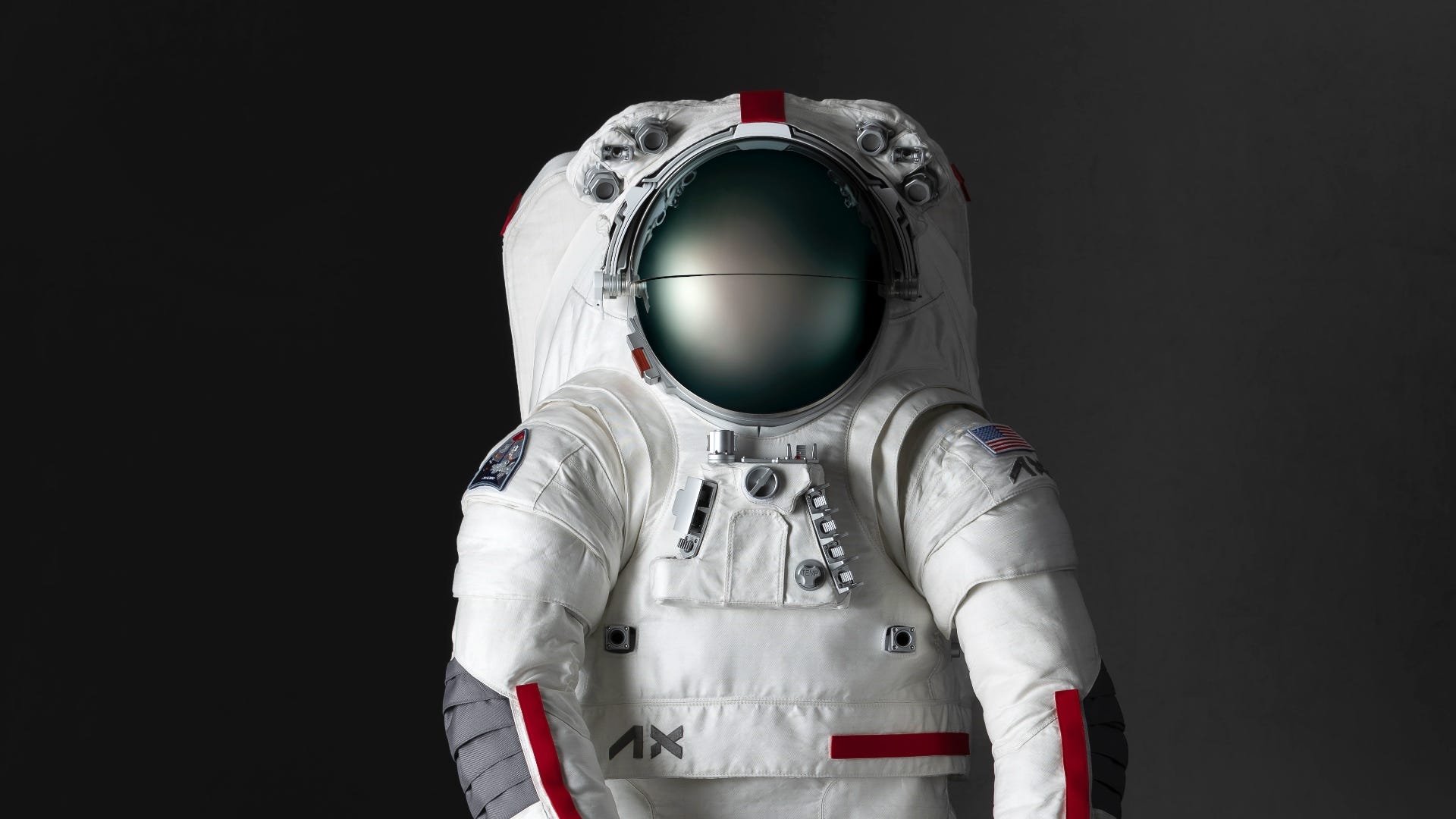
What’s fascinating is how this collaboration signals a shift in how we think about fashion’s role in technical innovation. It’s no longer just about looking good or making statements on the runway; it’s about pushing the boundaries of what fabric can do, especially in extreme environments like space. Textiles aren’t just textiles anymore; they’re becoming key pieces of technology, and this spacesuit is a perfect example of that transformation. As Matt Ondler, President of Axiom Space, stated,
Our elite teams have redefined spacesuit development, establishing new pathways to innovative solutions and applying a state-of-the-art design approach for the AxEMU.
This isn’t your typical space mission; it’s for Artemis III, which will take the first humans to the moon since 1972, including the first woman and person of color. While this mission is already groundbreaking, the collaboration between Prada and Axiom Space elevates it further. Prada isn’t just slapping a designer label on the suit. They’re actively involved in crafting a garment that can protect astronauts in one of the harshest environments known to humanity—while still making it wearable, functional, and yes, a little stylish.
Think about it: the moon’s surface is brutal, with temperatures swinging from scorching heat to freezing cold and no atmosphere, while lunar dust is as sharp as glass. Spacesuits have always been about survival, and now they have to be lighter, more flexible, and durable enough to handle all of this. Prada’s expertise in fabric innovation is pushing the boundaries of what a suit like this can achieve. They’re looking at everything from advanced thermal regulation to durability, applying fashion’s problem-solving skills to one of the most challenging engineering feats of our time.
Let’s talk about the science behind it. The Artemis III suit is designed to withstand extreme conditions on the lunar surface, where temperatures can reach up to 260 degrees Fahrenheit during the day and drop to minus 280 degrees Fahrenheit at night. The material selection is crucial; the outer layer needs to be both resilient and resistant to abrasions from lunar regolith, which is sharp and gritty, posing risks to both the suit and the astronaut's health.
The suit must maintain a comfortable temperature for the astronaut while shielding them from solar radiation. The use of multi-layer insulation (MLI) is a common practice in spacesuit design, helping to regulate temperature by minimizing heat transfer. Additionally, the suit will likely incorporate advanced thermal materials, possibly including phase-change materials (PCMs), which can absorb and release heat to help stabilize temperatures inside the suit.
Mobility is another critical aspect of the suit’s design. Astronauts need to perform a variety of tasks on the lunar surface, from conducting experiments to collecting samples. To achieve this, the suit must allow for a full range of motion. Engineers and designers are using ergonomic designs and stretchable materials to ensure the suit accommodates necessary movements while providing a secure fit.
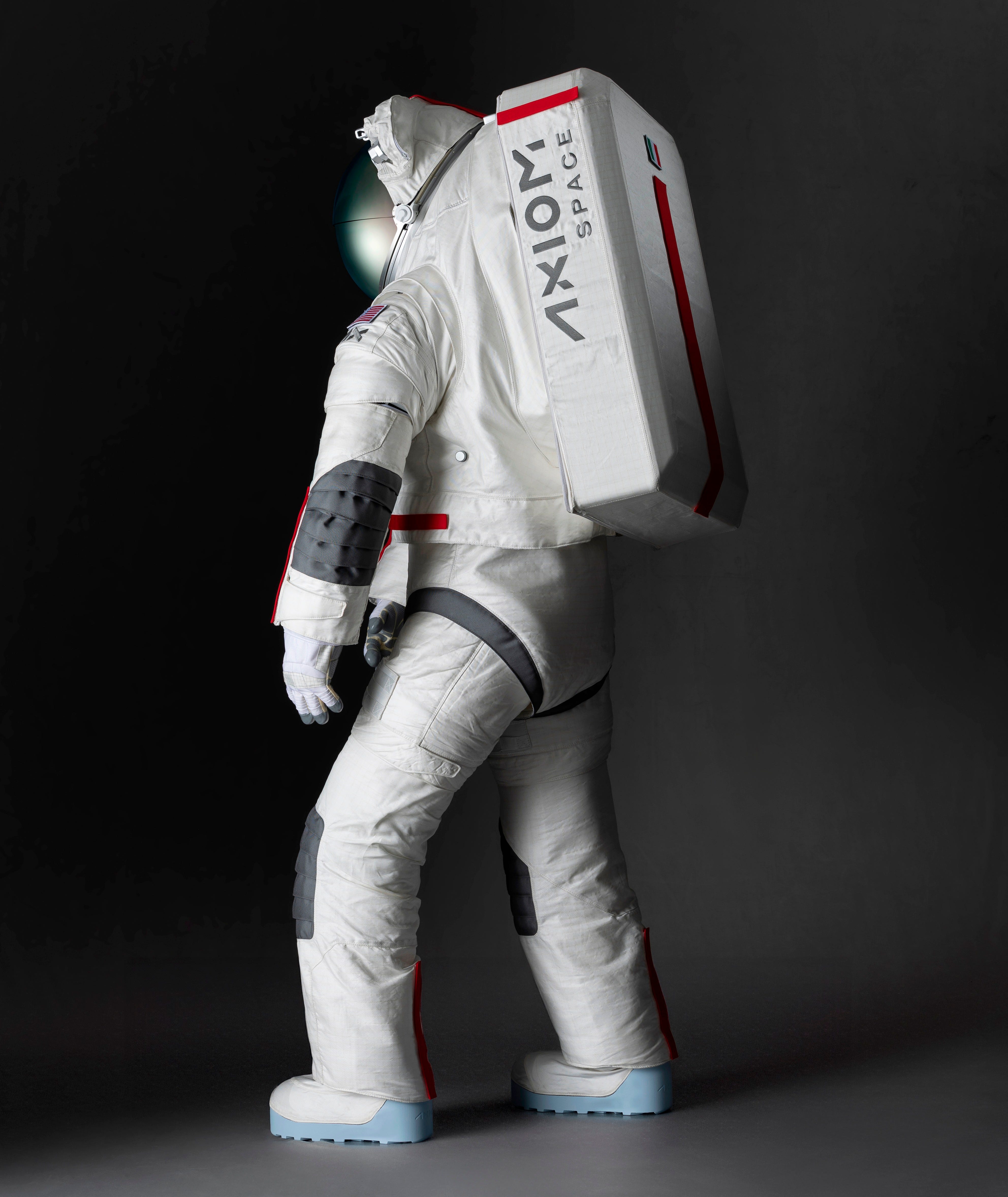
But this collaboration isn’t just about one mission or one suit. It represents a larger trend of fashion’s growing role in cutting-edge innovation. The world is finally waking up to the fact that textiles and materials can be just as groundbreaking as any other technology. This isn’t just about clothing anymore; it’s about pushing the limits of what fabric can do—whether on Earth or in space.
The best part is that this is only the beginning. We’re going to see more partnerships like this, where fashion steps up to tackle some of the world’s toughest challenges. From creating sustainable materials for everyday wear to designing spacesuits for lunar landings, fashion is carving out its place in the world of science and technology. The possibilities are endless, and honestly, I can’t wait to see what’s next.
Comments
Nothing yet. Say the first thing.
Sign in to join the conversation.