
It started for me in early childhood.
Every Sunday and every holiday, my parents would doll me up in a uniform of pressed khakis, a stark white Oxford cloth button-down shirt, a silk repp tie, and burgundy penny loafers. Face unbesmirched, hair neatly combed and parted. I was a pretty complacent kid, and though it felt fussy at times, I learned early on that we, as humans, are remarkably adept at adapting to our circumstances when there is no alternative.
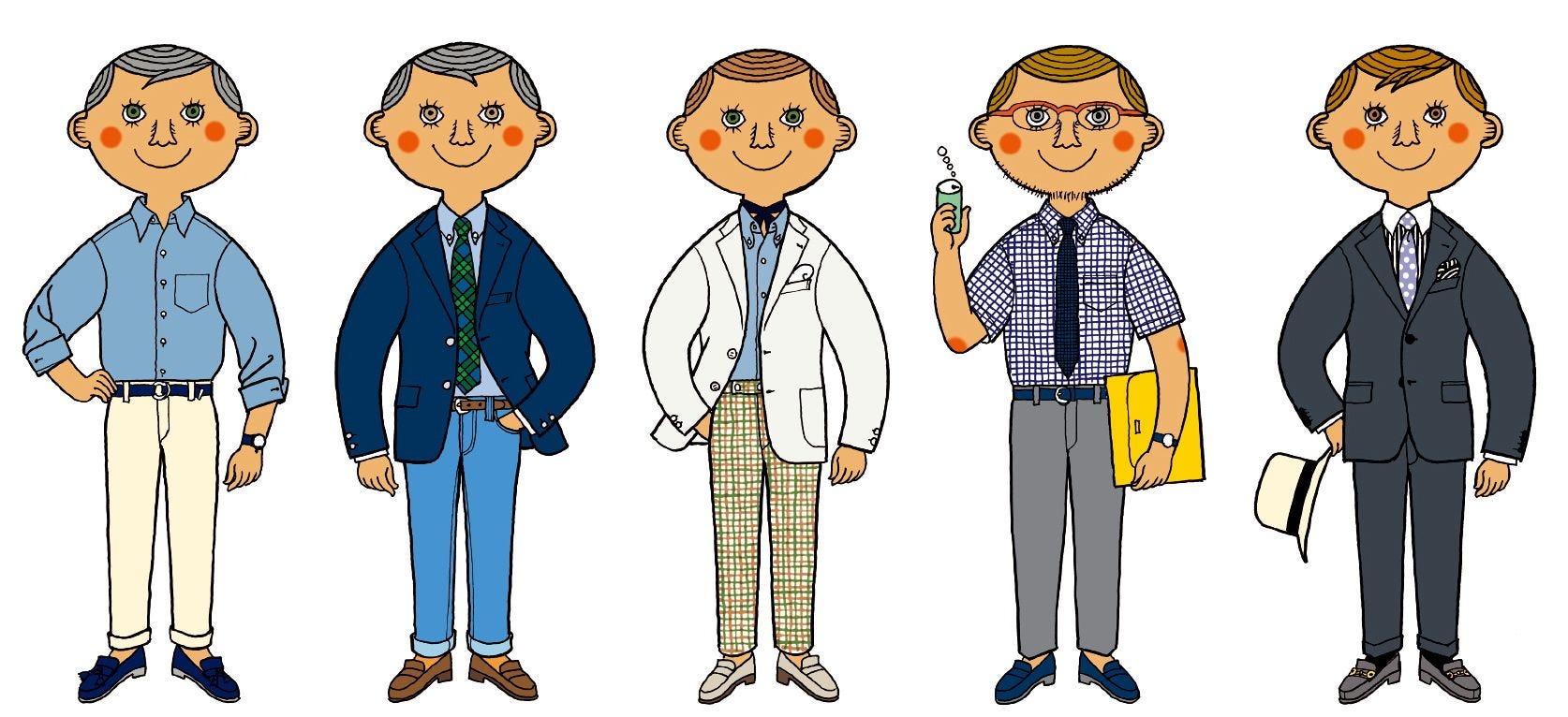
As I got older, I felt increasingly out of place in the small town where I grew up. The internet became an escape hatch, a portal into other lives and possibilities. Clothing, meanwhile, became something more tangible. It quite literally cloaked my identity. By the time I left the nest, it had dawned on me that dressing the part, much like setting the stage, is an integral part of shaping the reality you want to inhabit.
Most men get into menswear because they want to look the part. The part of their contemporaries. The part of their aspirations. Or, crucially for me as a teenager, whatever version of myself I imagined a potential love interest might find attractive. Vanity, at its purest form. At the time, I found comfort in reframing it as style. In hindsight, I might excuse myself on account of an underdeveloped prefrontal cortex.
But the truth is that menswear has always had a complicated relationship with vanity.
Many of the rule followers, and certainly many of the rule-makers, frame their point of view as good form. A sort of style etiquette for polite society. And aesthetically, even socially, they have a point. Traditional codes of dress developed as outward displays of civility and belonging. They signaled that one understood the occasion, the environment, the people around them. They were also, unavoidably, markers of class, education, and access. Another form of vanity, perhaps, but one dressed in the language of propriety.
Yet etiquette has never really been about correctness.
At its best, etiquette is simply consideration. Respect for yourself and for the people around you. It’s less a rigid set of instructions than a framework for navigating communal life with grace. A code of conduct rather than a badge of honor to be paraded in front of others.
Dressing well, then, should be a celebration of the ceremony of daily life. The small rituals that transform ordinary moments into occasions worthy of our attention. But I don’t believe the rules surrounding that ceremony are what many people think they are.
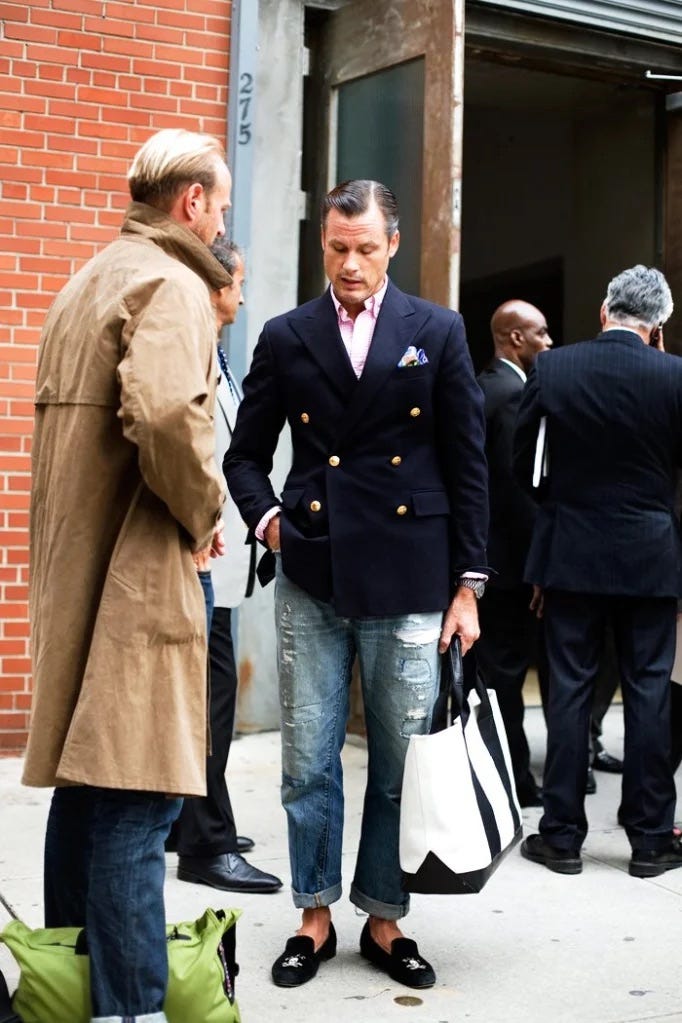
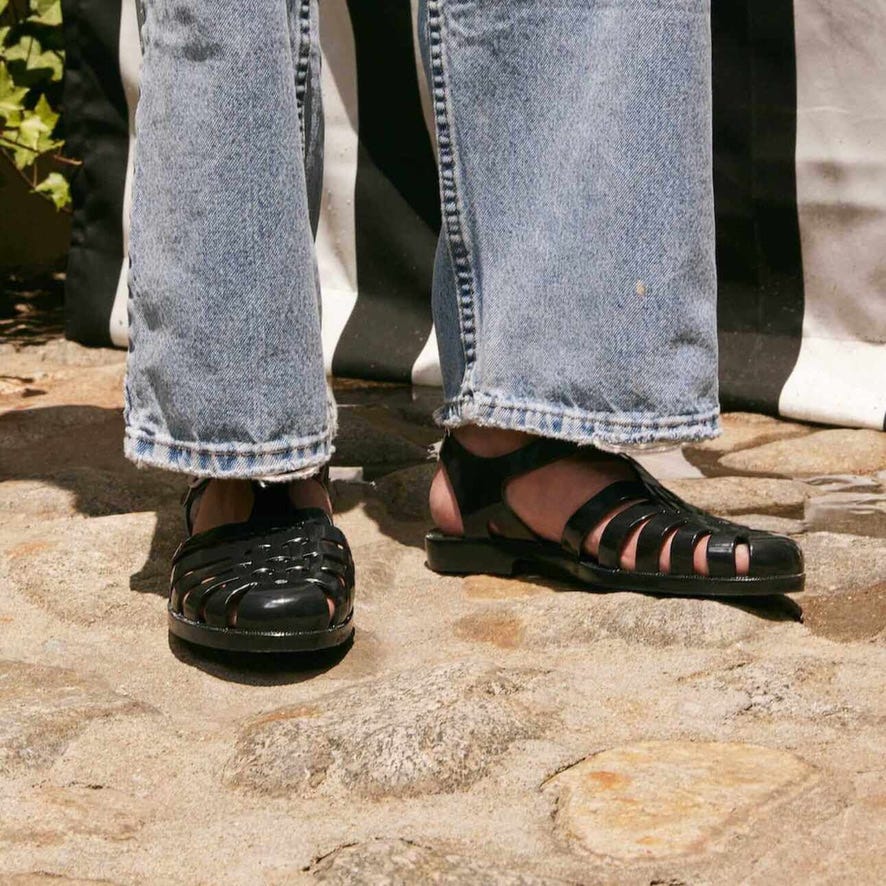
Beyond matching your shoes to your belt, avoiding black with brown, steering clear of mixed metals, or whatever else the self-appointed experts of social media are proclaiming this week, lies the far more interesting work of developing an actual point of view.
Many of today’s style rules are modern equivalents of “no brown in town” or “no white after Labor Day.” Well-intentioned attempts to manufacture certainty in an area that has always resisted it. Beginners, of course, benefit from guardrails. Rules can provide confidence when you’re learning a new visual language. They offer a place to start.
But rules alone do not produce taste.
At some point, style requires moving beyond compliance and into discernment. You have to decide not only what looks good, but what feels true. What reflects your values, your aspirations, your sense of humor, your contradictions. The goal isn’t to become someone who dresses correctly, but to become someone who dresses deliberately.

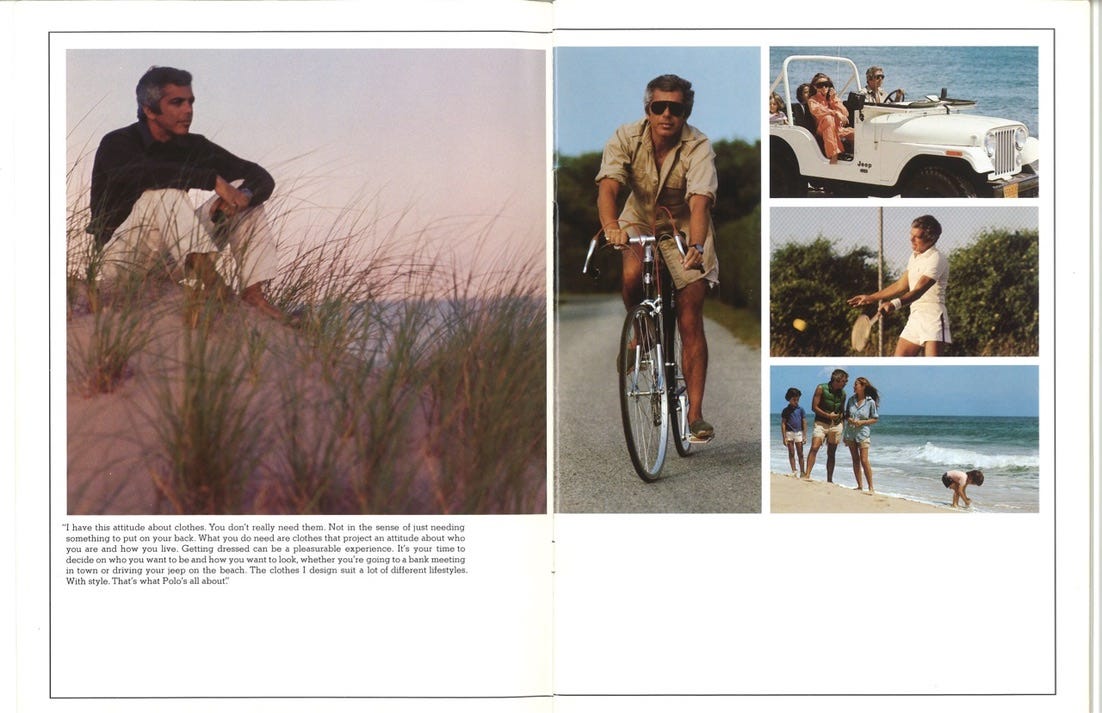
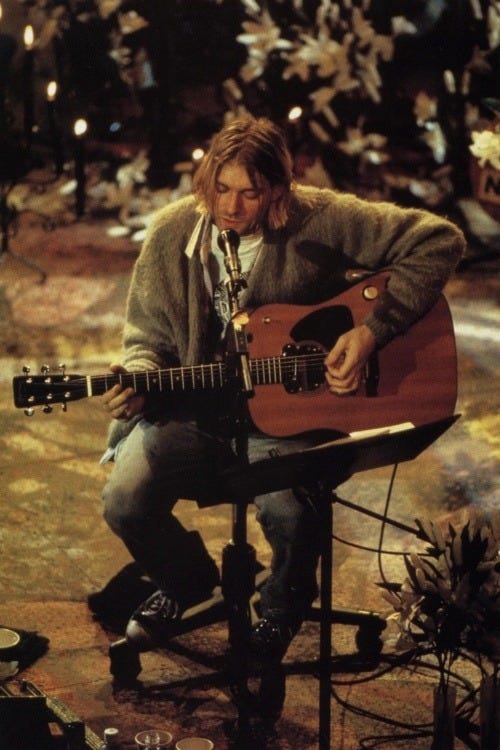
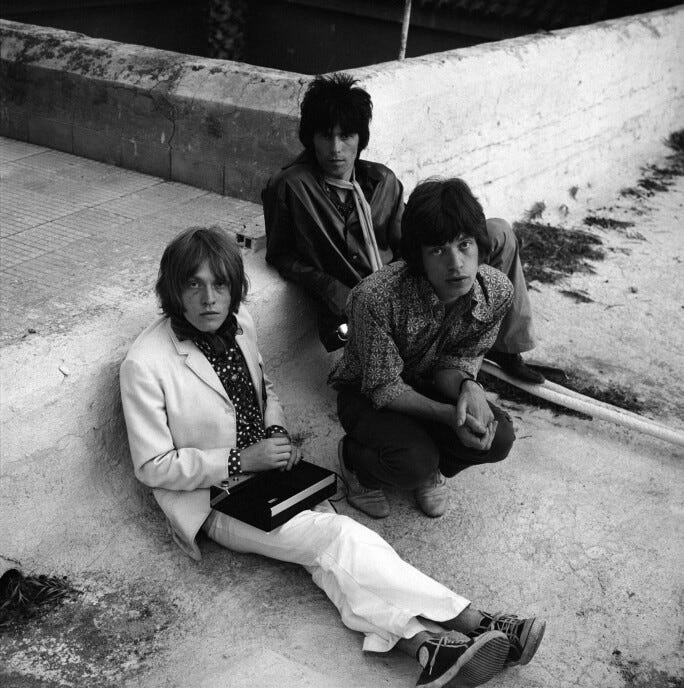
Ivy style remains so influential not necessarily because it objectively flatters everyone, but because it has become embedded in the American imagination. Generations of cultural figures people admired and aspired to emulate wore those clothes. Over time, the look absorbed meanings beyond the garments themselves. Ease. Competence. Good sense. Optimism. It became a kind of shorthand for taste.
But clothing has always been shorthand. The real substance lies elsewhere.
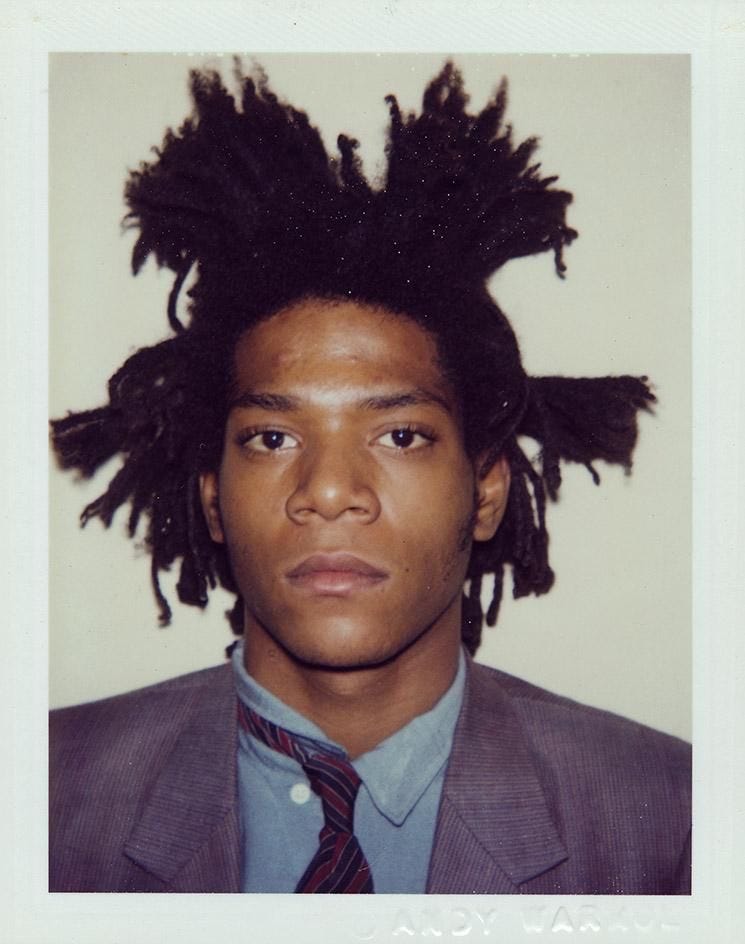
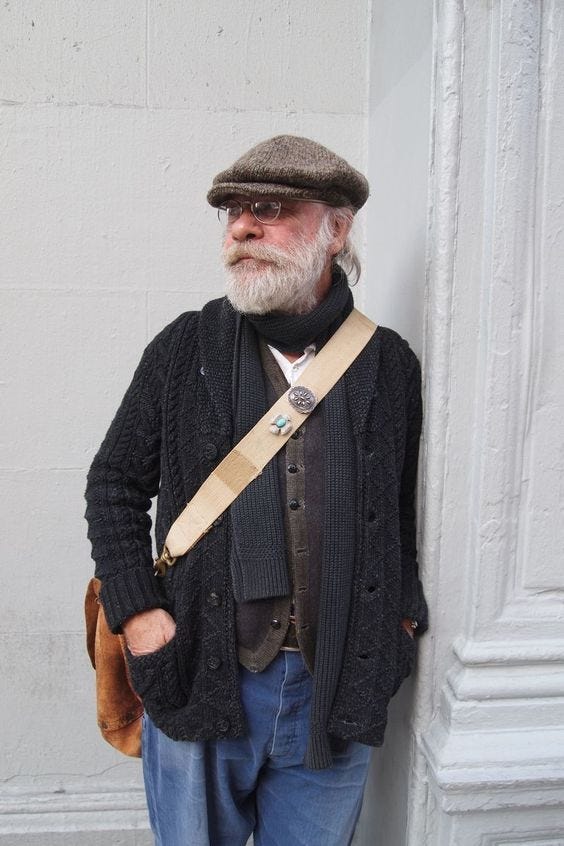
Anyone with genuine sensibility can make almost anything work because good style is rooted in attention. In understanding context while maintaining conviction. In knowing the rules well enough to recognize when they serve you and when they don’t.
I spent years believing that style was about getting it right. Finding the perfect proportions, the correct combinations, the approved answers. But the older I get, the more I think style is less about arriving at certainty and more about developing trust in your own judgment.
The point was never to become the kind of person who knew all the rules, but rather to become the kind of person who no longer needed them.
To me, getting dressed isn’t merely an exercise in aesthetics. It’s one of the small, everyday ways we participate in the ongoing project of becoming ourselves. And that project, thankfully, has no dress code.









Comments
Nothing yet. Say the first thing.
Sign in to join the conversation.