
Had a busy week editing so I’m a day behind on this one. Hopefully, you are curled up on the couch drinking coffee while you read this because the industry things you are wanting to listen at 35,000 feet or stuck in a Volvo.
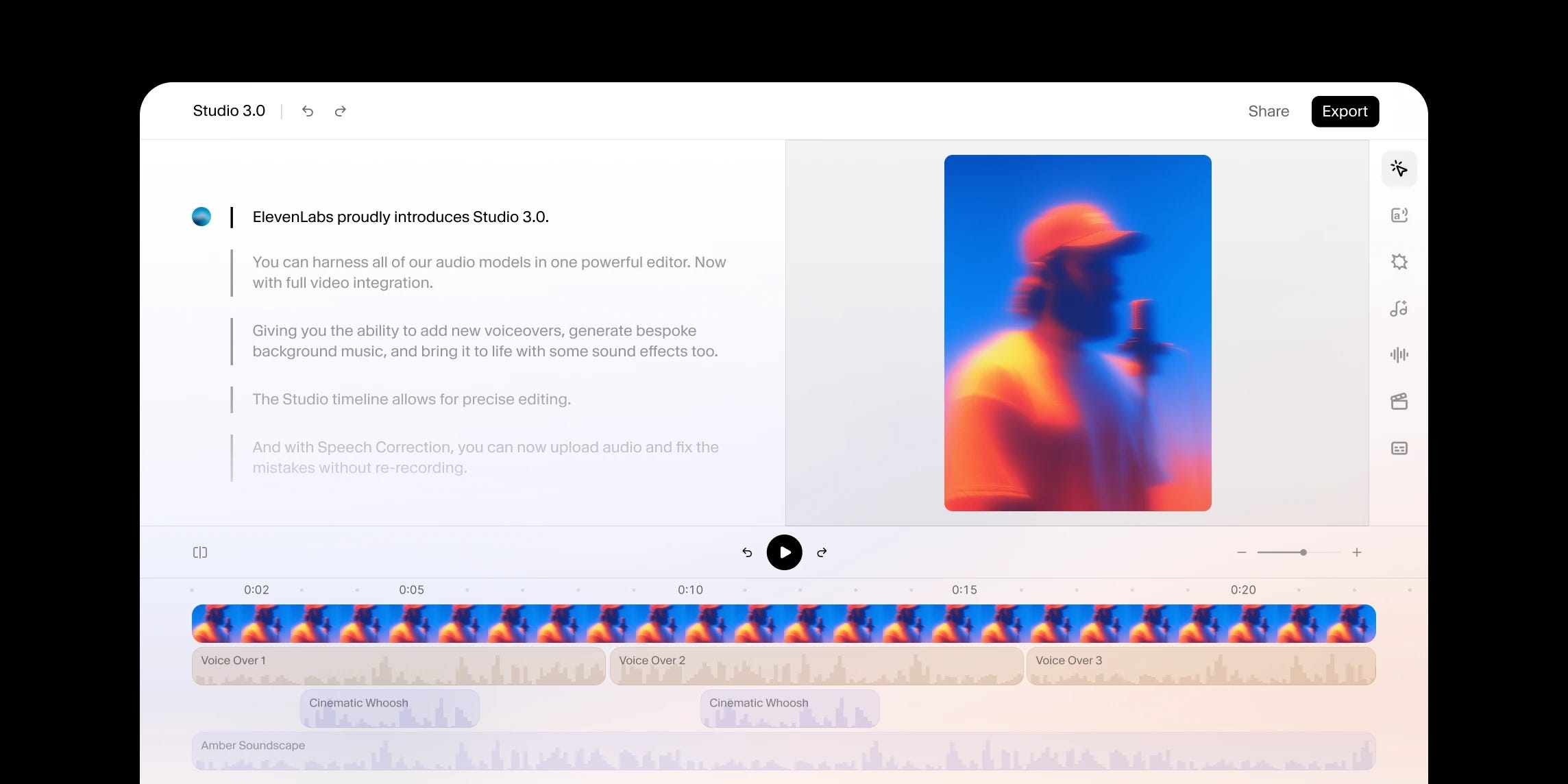
The “efficiency-at-all-costs” crowd just got a home base. ElevenLabs has officially launched its ElevenReader platform, making an aggressive play for the “Silent 70%” by offering authors a 60% royalty rate on direct sales with zero exclusivity. It’s a clear signal that the midlist and non-English markets—once considered “unviable” due to studio costs—are being triaged by AI.
All this AI talk is leading to a big structural shift in the Audiobook business. Industry veterans like Nathan Hull are pointing to an inevitable “two-tier” ecosystem:
Tier 1: High-budget, high-identity productions (human-narrated, star-powered, or immersive soundscapes) sold at a premium.
Tier 2: Low-cost, functional AI “straight reads” designed for maximum catalog volume.
AI-narrated titles now make up nearly 23% of all new audiobook releases. However, the volume is outpacing the appetite; a “nontrivial minority” of listeners still report a deep reluctance to engage with synthetic voices.
Christian outlets have been actively debating AI’s impact on faith media, including Bible storytelling and church tech, but detailed reporting on AI displacing human audiobook narrators in Christian production houses is still scarce.
The lesson: If your value prop is “just the words,” the machine will underprice you every time.
The Netherlands just provided the perfect, bleak case study for why the 'Immersion War' is a meat grinder for creators. Lieke Marsman reported on a structural horror story that should have every author in this industry reaching for their contract with a highlighter.
The Math of the Meltdown:
The “Success”: Marsman’s audiobook won Fluister’s “Best Audiobook” award in 2025. It racked up over 500,000 minutes of streaming. In any other era, that’s a blockbuster.
The Payout: For those half-a-million minutes, Marsman received a total of €200.
The Reality Gap: That works out to roughly €0.085 per full listen. Compare that to the €2.00 per copy a Dutch author typically earns on a physical book sale.
Where the Money Vanished: Fluister (owned by DPG Media) pays a “market-standard” per-minute rate to publishers. After the publisher, Uitgeverij Pluim, deducted studio hire, narration, and editing costs, they also only netted about €200. When the platform takes the lion’s share and the publisher takes the rest to cover “production slop,” the author is left with lunch money for a national award-winning performance.
The Transparency Trap: We are moving toward “Pool” models (like Spotify and Kobo Plus) where royalties are a pro-rata share of a shifting monthly pot. If you are signed to a legacy contract, your “streaming revenue” is likely being buried in old-world language that never anticipated an 8-cent reality.
In other news, we’re seeing a shift away from the smartphone screen and into “captive environments.”
The In-Flight Pivot: Airlines are becoming a massive discovery channel. British Airways recently added 250+ hours of Audible content, joining Emirates, Air Canada, and United.
The Strategy: United now lets passengers log into their personal Spotify accounts on seatback screens. The question for publishers is no longer just about “sales,” but whether shorter, “one-flight” titles are the ultimate hook for post-flight subscriptions.
Real question: Does listening to a romance novel on a flight count as joining the Mile High Club?
The Automotive Native: Storytel is bypassing phone mirroring (CarPlay) by building a native app directly into Volvo’s Android Automotive OS. If your audio isn’t baked into the dashboard, you’re just a notification away from being ignored.
A recent global forecast pegs the audiobook market at $13.8 billion in 2026, with a projected jump to over $70 billion by 2033. While North America holds 44% of the current market, the Asia-Pacific region is the fastest-growing frontier—a dynamic rarely mentioned in U.S.-centric coverage.
The Report’s Take: I see these numbers and I have to ask: Why the rush to automate the soul out of the product? If demand is exploding to $70B, that is a mandate for investment, not cost-cutting. Lowering the bar with AI-slop now is the fastest way to hand that $70B over to the podcasting or gaming giants. High-identity voices are how we ensure this growth isn’t just a bubble.
The Marsman case and the rise of “Tier 2” audio are two sides of the same coin. This is exactly why I talk about High-Identity production and owning your audience. If you hand all your leverage to a third-party streamer without a strategy, you are at the mercy of the “pool.”
Are you producing for a payout, or are you just donating minutes to a platform? If you want to build a production strategy that protects your IP and targets the “Silent 70%” without getting squeezed, let’s talk. What are you putting into production this week?
No posts
Comments
Nothing yet. Say the first thing.
Sign in to join the conversation.