
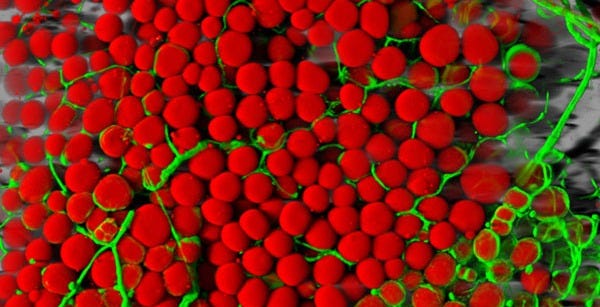
New research clarifies that body fat—especially visceral fat—is more than just storage. It’s a complex, hormone-releasing organ with immune and nerve interactions that affect everything from bone health to mood. In fact, location and behavior of fat may matter more than how much we carry.
A&P teaching tip: Use this as a launching point to reframe discussions around adipose tissue—not as “extra baggage,” but as a dynamic, communicative system students should respect and understand.
Read more→ AandP.info/92c1a1
Centenarians seem to share a gut microbiome profile more like younger adults—diverse, stable, and rich in helpful bacteria. A growing body of research suggests that nurturing the gut microbiome may hold the key to healthy aging.
A&P teaching tip: Pair this with digestive system or immune system lessons to help students appreciate the links between microbial diversity and inflammation, immunity, and even frailty. If you use the Patton Anatomy & Physiology textbook, connect students to any of the many callouts of the included online article, The Human Microbiome.
Read more→ AandP.info/ce6b13
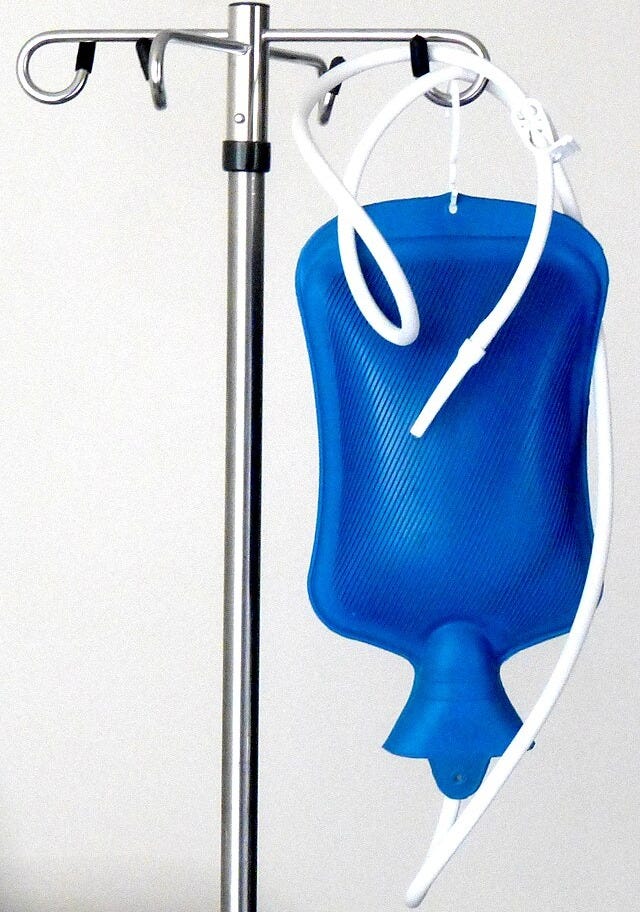
A Japanese team tested rectal administration of oxygen-rich fluid in humans, inspired by loaches and other fish that can “breathe” through their guts. Results show the method is tolerable in healthy volunteers and might one day serve as emergency support.
A&P teaching tip: This quirky news story is perfect for engaging students during respiratory or digestive system topics—especially when discussing innovation, evolution, or gas exchange surfaces.
Read more→ AandP.info/b4ce2f

A scientist reflects on how embracing her goofy, playful side improved her research, mentoring, and resilience during challenges—like losing a major grant. Humor turned out to be a survival skill in science, not a liability.
Kevin Patton comment→ Check out the TAPP podcast episode 13, Playful & Serious Is the Perfect Combo for A&P
A&P teaching tip: This can be used to validate teaching personas that incorporate joy and levity. Invite students or colleagues to reflect on how emotional authenticity contributes to scientific thinking.
Read more→ AandP.info/562474
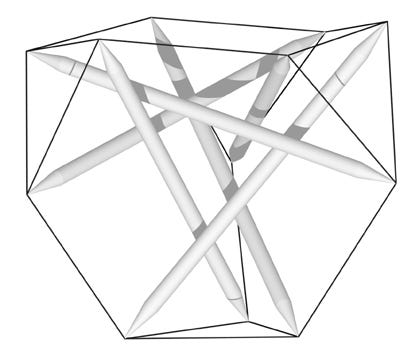
Fascia isn’t just “connective tissue filler”—it’s a continuous, responsive, and even sensory system that influences posture, proprioception, and movement efficiency. Movement diversity keeps it healthy; inactivity shrinks its “circle of potential.”
Kevin Patton comment→ Check out the TAPP podcast episode 152, Fascinating Fascia: Kate Oland Galligan Unravels the Ties That Bind
A&P teaching tip: Teach fascia as a system, not just an isolated structure. Ask students to map out how fascial restrictions in one region might impact distant body parts.
Read more→ AandP.info/5c1703

Higher ed is scrambling to declare “AI fluency” a learning goal—but without knowing what that really means. Experts warn that rushing to define AI literacy before evidence or good pedagogy exists may repeat past tech-ed failures.
A&P teaching tip: Use this to encourage discussions around uncertainty in science—and the need for critical thinking and domain expertise before adopting flashy new tools.
Read more→ AandP.info/3ced17
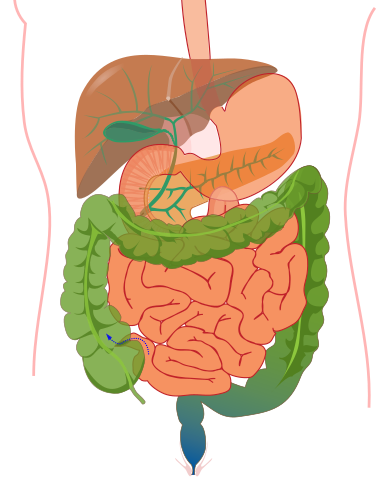
Researchers found major differences in digestive organ anatomy across healthy donors—including large variation in cecum size and small intestine length, especially between sexes.
Kevin Patton comment→ Check out the TAPP podcast episode 43, Human Anatomic Variation
A&P teaching tip: Use this as a reminder that “normal” anatomy isn’t one-size-fits-all—great context for teaching anatomical variation and individualized medicine.
Read more→ AandP.info/ddcc9e
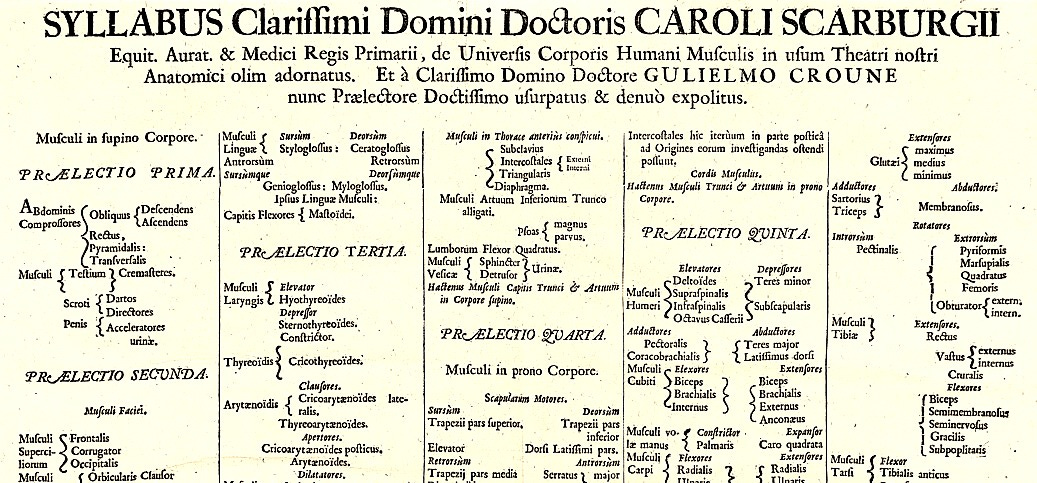
A new rule requires Florida public university faculty to post detailed syllabi and reading lists online for five years, raising concerns over surveillance and limits on curricular flexibility.
Kevin Patton comment→ I usually post the most recent version of my syllabus publicly on my student-facing website. I do this because I want students to know what kind of wacky testing and grading systems I use before jumping in—so they can perhaps choose a different faculty/section of the course. But I’ve not been forced to do that.
A&P teaching tip: Discuss how political environments can affect curriculum design and scientific inquiry. Tie into professional ethics or the role of transparency in public education.
Read more→ AandP.info/a2c9cd
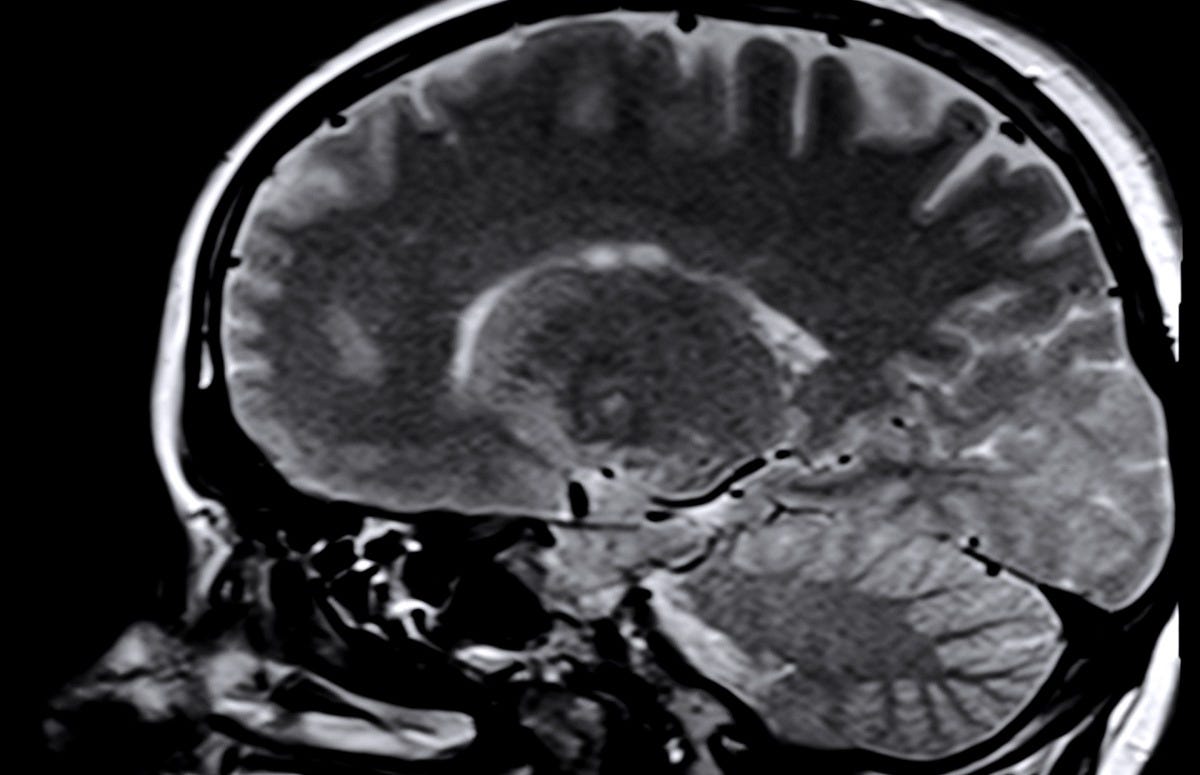
Penn State researchers found that a rare neuron type—type-one nNOS—helps regulate blood flow and brain-wide signaling. These cells die easily under chronic stress, possibly linking stress directly to cognitive decline.
A&P teaching tip: Add this to lessons on neurovascular coupling or the impact of psychological stress on brain health. It’s a great example of how tiny populations of cells can have outsized effects.
Read more→ AandP.info/8f09c6
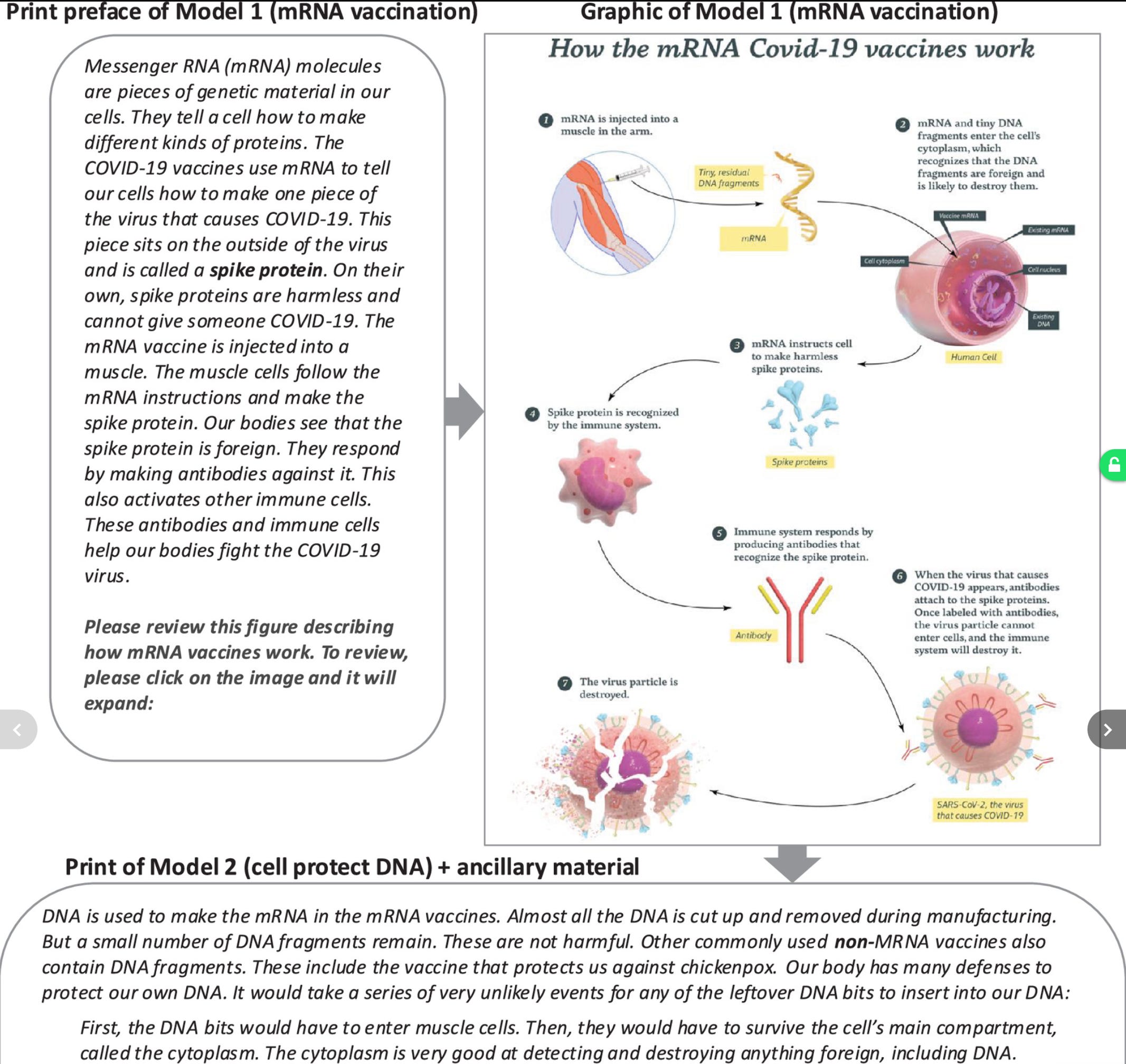
Two large experiments tested how best to counter the myth that mRNA vaccines alter human DNA. Without ever repeating the myth, researchers found that introducing simple conceptual models—how mRNA works and how cells defend DNA—boosted evidence-based understanding. These visual and verbal “mental models” helped both before and after myth exposure, but preemptive teaching worked slightly better.
A&P teaching tip: Use visuals and plain explanations of mRNA processes early in your course—before students encounter vaccine misinformation. It’s more effective than correcting later.
Read more→AandP.info/634598
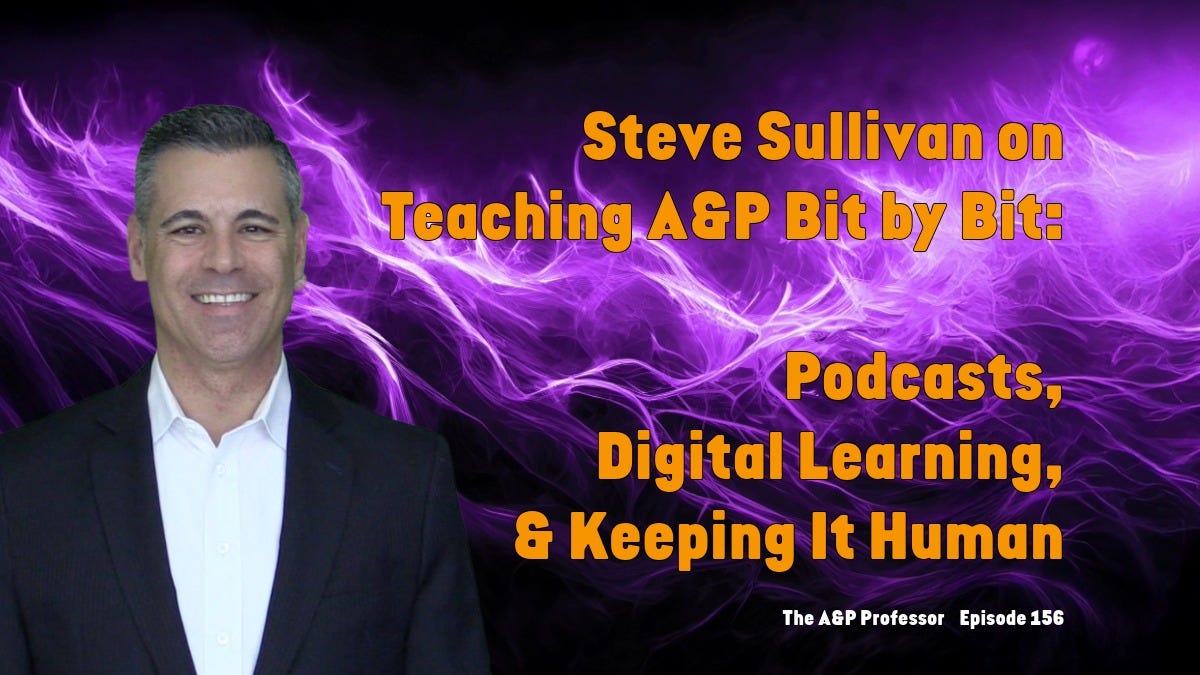
In The A&P Professor Episode 156, Steve Sullivan shares how he uses podcasts, animated tutor videos, and LMS-independent tools to support learning in anatomy and physiology. He explains how multiple formats help students stay engaged, why he built his own teaching website, and how podcasting connects him with learners around the world. After 23 years in the classroom, Steve’s insights show how personal, flexible teaching can meet modern student needs.
A&P teaching tip: Offer more than one way to access content—audio, video, and searchable resources give your students multiple on-ramps to success.
To listen to this episode, click on the play button above ⏵ (if present) or this link→ theAPprofessor.org/podcast-episode-156.html
To meet the challenge of reaching 700 free subscribers (up from 524) for this update newsletter by the end of 2025, I’m asking for your help. Not much help. Just a simple, painless sharing of this (or your favorite) issue with a colleague who teaches A&P—that’s all. It might be a painless way to check an item off your holiday gift list!
Comments
Nothing yet. Say the first thing.
Sign in to join the conversation.