
The viral "Gen Z stare" that recently dominated TikTok, that blank, unresponsive look, has sparked a fierce intergenerational debate. I believe that stare isn't an attitude; it's evidence of a generation that never learned the social fluency required for human connection.
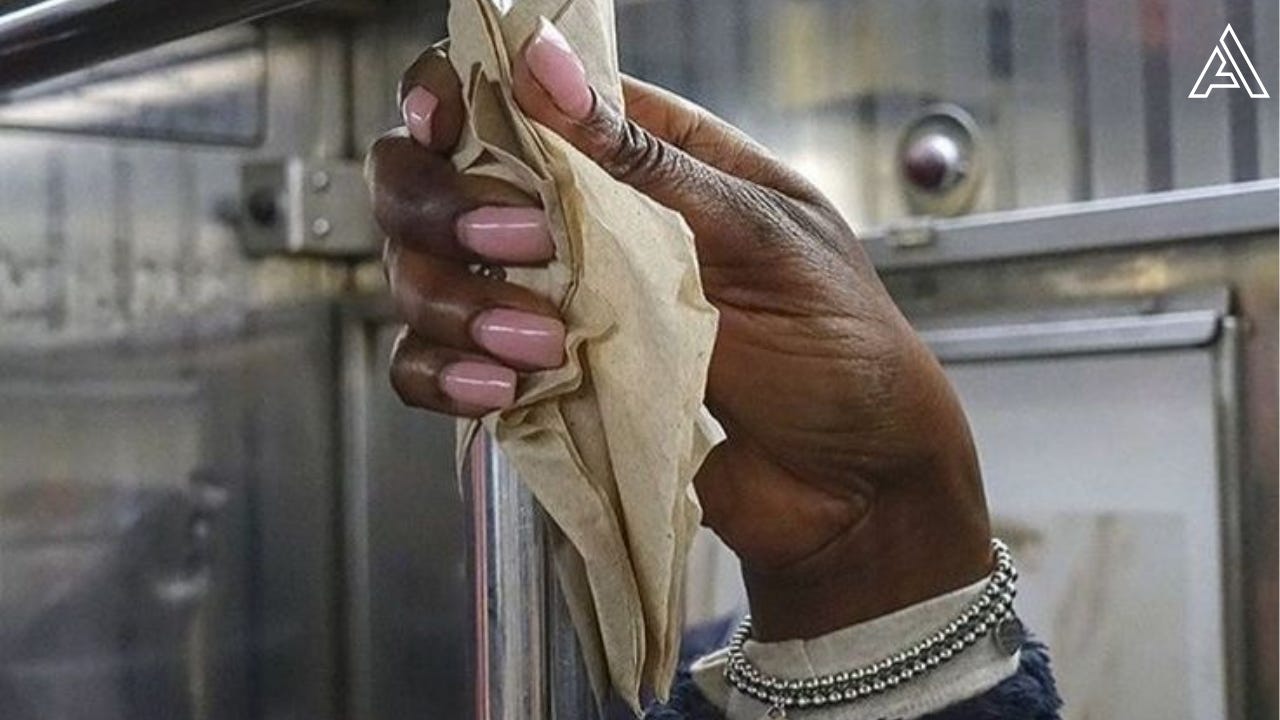
When Valerie Jefferson's TikTok about the Gen Z stare exploded to over three million views, the comment sections became battlegrounds. Older generations saw rudeness and entitlement. Youth justified resistance to social expectations. However, this overlooks a deeper reality: Gen Q (the Quarantine Cohort; 14-22yo), as we call them, often lack the social repertoire to respond appropriately, even when they want to.
Our extensive research into this digitally mediated generation reveals a social mutation: 73% report that their digital life feels more real than their physical existence.
I cannot count the times I have witnessed this stare firsthand. Every third Thursday, I cohost a singles night, at a record shop and bar. The demographic is precisely who you'd expect: 21-year-old + creatives. The event is free, low-pressure, and set in a space with a DJ playing 00s love songs and natural conversation starters everywhere.
The digital enthusiasm is impressive. Hundreds engage with the event online, leaving likes, shares, and eager comments about finally meeting someone in a real way. Yet less than 10% actually show up. Of those who do attend, the majority stand frozen, phones out, unable to make eye contact or approach strangers. They seem genuinely perplexed by the concept of approaching someone and initiating a conversation.
They stand in clusters, physically present but digitally distracted, waiting for someone else to make the first move. Flirting: a confident approach, playful banter, reading and responding to social cues are absent. They seem to expect a romantic connection to happen through proximity rather than active social engagement.
At every event, my cohost and I have to gently encourage attendees to introduce themselves to someone they don't know, providing them with question card prompts or offering cheat codes to help them identify people and their interests.
The record shop has a proven track record. It's where I met my husband, where dozens of couples have found each other over the past decade. The space works. The problem is that an entire generation has arrived without the social fluency required to make use of it. They can perform enthusiasm digitally but panic when faced with the unscripted human interaction that romance actually requires.
This isn't shyness. This is the absence of basic social operating software, what the kids call ‘Rizz.’
Gen Q has, ironically, never had less Rizz (charisma, charm, the ability to create social magnetism). It's a sophisticated social operating system that previous generations installed through thousands of micro-interactions: casual banter with shop assistants, improvised conversations at bus stops, spontaneous encounters that taught them how to read situations, adjust their energy, and create positive social chemistry.
The Quarantine Cohort never properly installed this operating system. Their formative years were spent in digital environments where social feedback is delayed, mediated, and heavily curated. They never learned to read body language in real-time, adjust their energy based on immediate responses, or handle the unpredictability of unscripted human interaction.
What should have been 4-6 hours of daily peer interaction became 8-12 hours of daily screen time. Identity formation through trial and error was replaced by algorithmic optimisation. Physical social skills development was substituted with platform-specific performance metrics. Our research documents this as the first generation to experience Reality Inversion, where 82% research every aspect of a new experience online before attempting it in person, and 58% report a decrease in daily socialising since pre-pandemic levels.
The Gen Z stare represents Rizz in complete reverse: instead of creating positive social energy, it generates awkwardness and disconnection. It's not intentional rudeness, but the default state when you lack the social operating system to create appropriate responses.
I believe we are experiencing a charisma deficit. And the impacts, the collapse of social fluency, manifests in three distinct patterns that reveal how deeply it penetrates daily life:
Planning Paradox: They can spend hours perfecting digital social coordination; curating aesthetics, managing guest lists, and creating anticipation through carefully timed updates. However, they panic when guests actually arrive, expecting the spontaneous social energy that makes parties enjoyable. The digital logistics they've mastered can't substitute for the real-time charisma required to make people feel welcome and engaged.
Interaction Avoidance: Rather than risk exposing their social inexperience in high-stakes situations, they avoid unstructured human contact entirely. This isn't antisocial behaviour, it's strategic avoidance of situations where their lack of rizz becomes glaringly evident. Dating, networking events, and even casual hangouts become anxiety-inducing performances rather than natural social flow.
Expression Shutdown: The Gen Z stare becomes their default response to unexpected social situations. When you lack the social operating system to generate appropriate responses, you freeze. The stare isn't rebellion, it's a system failure when screens can't mediate the interaction and natural social instincts never developed.
Before we dive deeper, let's define what we're actually talking about. Rizz, short for charisma, isn't just charm or being attractive. It enables real-time human connection: reading body language, adjusting your energy based on immediate responses, creating positive chemistry through timing and tone, and navigating the beautiful unpredictability of unscripted interaction.
Crucially, there's online rizz and offline rizz—and they're completely different skill sets. Online rizz is algorithmic: crafting the perfect caption, timing your posts for maximum engagement, curating an aesthetic that generates likes. It's performance optimised for metrics. Offline Rizz is improvisational: making someone smile, turning an awkward moment into shared laughter, creating the kind of energy that makes people think "I want to spend more time with this person."
The Quarantine Cohort has mastered online rizz but lost offline rizz entirely. Remember there's an age-old saying: never meet your heroes; they disappoint you, usually in the rizz department.
To understand what they're missing, look at any reality show. Who wins Love Island, Big Brother, or The Traitors? The ones with authentic charisma, those who deliver one-liners, possess emotional intelligence, and stand out from the generic hot group with a fascinating personality.
Think Toni, Cash, Dylan or Amaya (Papya). They generate the kind of magnetic energy that makes other contestants and viewers genuinely invested in their journey. They prove that real charisma transcends physical appearance; it's about the ability to create connection, handle conflict with grace, and make others feel something.
This is exactly what Gen Q lacks but desperately craves. They can analyse these contestants' strategies through TikTok breakdowns, but they can't replicate the spontaneous social fluency that made those moments possible in the first place.
Culture analyst Anu Lingala has theorised that charisma, not taste, may be the most covetable skill in the age of AI. Her concept of "Charisma Capital" recognises that while AI can style your outfit, it's not going to be a helpful wingwoman at the bar. As she puts it, when everything else, from appearance to knowledge to taste, can be modified or generated or faked, our personalities may become the only differentiator that matters. Anu goes as far as to argue that Rizz is the new intelligence, and watching Gen Q struggle with basic social navigation proves her point entirely.
The American Time Use Survey, released this year, reported that between 2003 and 2024, Americans reduced their party time by half, with young people aged 15-24 experiencing a 70% decline. Yet simultaneously, apps like Partiful are booming, suggesting the Quarantine Cohort still craves social connection but is increasingly unable to execute it.
The Partiful phenomenon exposes this contradiction perfectly. Users spend hours crafting elaborate digital invitations, curating aesthetics, and managing guest lists with algorithmic precision. The app transforms party planning into content creation, complete with engagement metrics and social validation through RSVP counts.
But hosts report a predictable anxiety spiral: initial excitement about RSVPs trickling in, then panic as numbers fluctuate, followed by genuine terror as the event approaches. They've mastered digital social coordination but lack the skills for unstructured human interaction that parties actually require.
They're afraid of parties but desperately need them. The very spaces where previous generations developed social fluency, house parties, spontaneous gatherings, and unstructured hangouts have become sources of paralysing anxiety. Our research shows that 78% report relief when social plans get cancelled, and 84% prefer staying home online to trying new activities. Yet these are precisely the environments where offline rizz develops: through practice, failure, recovery, and gradual confidence building.
"I ended up over-soothing with booze, hours before my birthday. I was terrified no one would show up, or too many people would, and I'd have to be the centre of attention, talk to everyone and host. I only barely remember the party or why I threw it in the first place. I just felt huge pressure to have one and take amazing photos" – 19-year-old, Female, Manchester.
The irony is profound: they can engineer complex social experiences through apps, but panic when faced with the spontaneous conversation and emotional navigation that make parties actually enjoyable.
The Rizz deficit also explains the data behind Gen Q's romantic retreat. Sexual activity has declined from 54% to 38%, whilst 50% spend nothing per month on dates. These aren't separate phenomena: they're symptoms of the same underlying problem: the absence of the social fluency that makes romantic interaction possible.
Rizz is fundamentally what enables romantic chemistry: the ability to handle sexual tension, navigate the complex dance of attraction, and create the emotional safety that allows intimate connection to develop. It's the difference between stilted interview-style conversation over dinner and the natural flow that makes someone think, "I want to see this person again."
The Quarantine Cohort can maintain elaborate digital relationships (analysing Instagram stories, crafting perfect text responses, building parasocial intimacy through carefully curated content). But they panic when asked to sustain a real-time emotional connection where timing, tone, and body language matter more than algorithmic optimisation.
Dating apps provide matching algorithms, but can't teach the emotional improvisation required when two people are sitting across from each other. The apps optimise for initial connection but can't bridge the gap to physical interaction, leaving users stranded at the transition point where rizz becomes essential.
But here's the fundamental problem: courtship cannot be algorithmically mediated. You cannot build romantic chemistry through follows and double-taps. The sexual tension, playful teasing, and emotional vulnerability that create attraction require real-time social improvisation: the very skills this generation never developed.
Rather than risk exposing their social inexperience in high-stakes romantic situations, they avoid dating altogether. When face-to-face interaction becomes rare and precious, the stakes for romantic encounters become impossibly high.
The Rizz deficit extends beyond dating into professional settings, where employers report that Gen Q arrives with impressive technical abilities but lacks the social magnetism that makes collaboration effective. A recent Psychology Today analysis confirms what managers experience: significant gaps in "communication, adaptability, emotional intelligence, and conflict resolution."

Professional Rizz isn't about being the office charmer; it's about the social fluency that makes teamwork natural rather than awkward. The ability to read a room during meetings, build rapport with colleagues, handle disagreements without creating lasting tension, and generate the positive energy that makes people want to work with you.
The Quarantine Cohort can coordinate complex digital projects and excel at Slack communication, but freeze during spontaneous team interactions. They can create sophisticated presentations, but they often panic during unstructured Q&A sessions, where they must read social cues and adapt their responses in real-time.
I believe what is truly driving this deficit is shame. Our research reveals that Gen Q experiences shame at unprecedented levels, and shame is the enemy of creativity, risk-taking, and authentic connection. They're embarrassed to dance without documentation, terrified of being caught being genuinely enthusiastic about anything, and paralysed by the possibility of creating content that doesn't perform well.
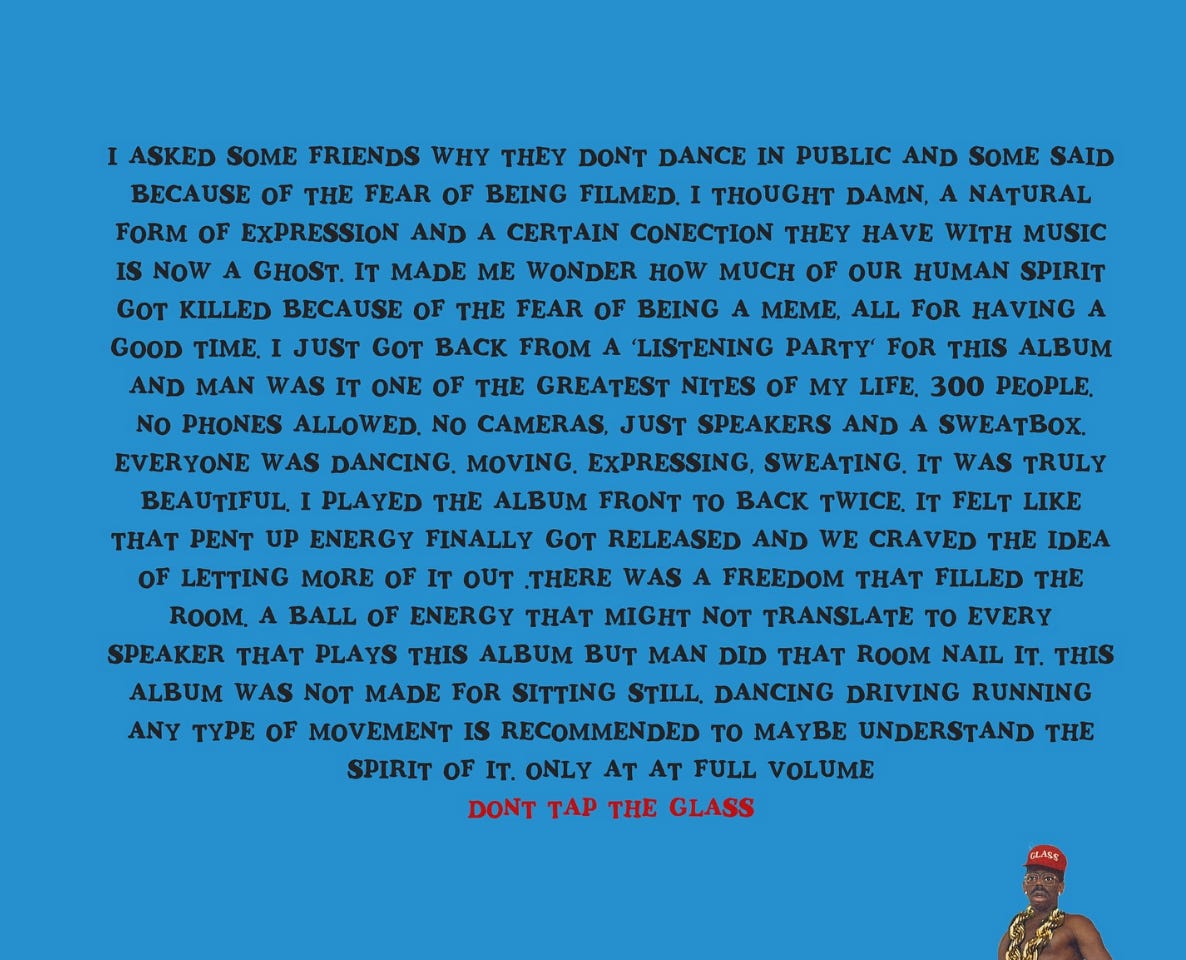
The data is stark: when every moment might be captured on a screen, recorded, and judged by invisible audiences, the natural learning process of adolescence, trying things, failing publicly, recovering, and trying again, becomes impossible. They need permission to be embarrassing, to be cringe, to be authentically awkward without it becoming permanent digital evidence.
Shame prevents the spectacular failures that build resilience. When 79% report feeling safer expressing emotions through memes than direct statements, and 68% say they've lost friendships due to ironic miscommunication, we see how protective emotional armour actually destroys the vulnerability required for genuine connection.
Gen Q needs physical spaces to fail, to be weird, angry, horny, or confused. They need to make bad art with their hands and terrible music with their friends. They need to fail spectacularly in public, not curate perfection in private. They need to flirt awkwardly at lockers, not swipe through human catalogues. They need to discover who they are through friction with others, not optimise themselves for algorithmic approval.
The social skills apocalypse isn't irreversible, but recovery requires acknowledging that the Quarantine Cohort needs to learn in adulthood what previous generations absorbed naturally during adolescence. Some brands are already recognising this opportunity and building bridges rather than chasing algorithmic engagement.
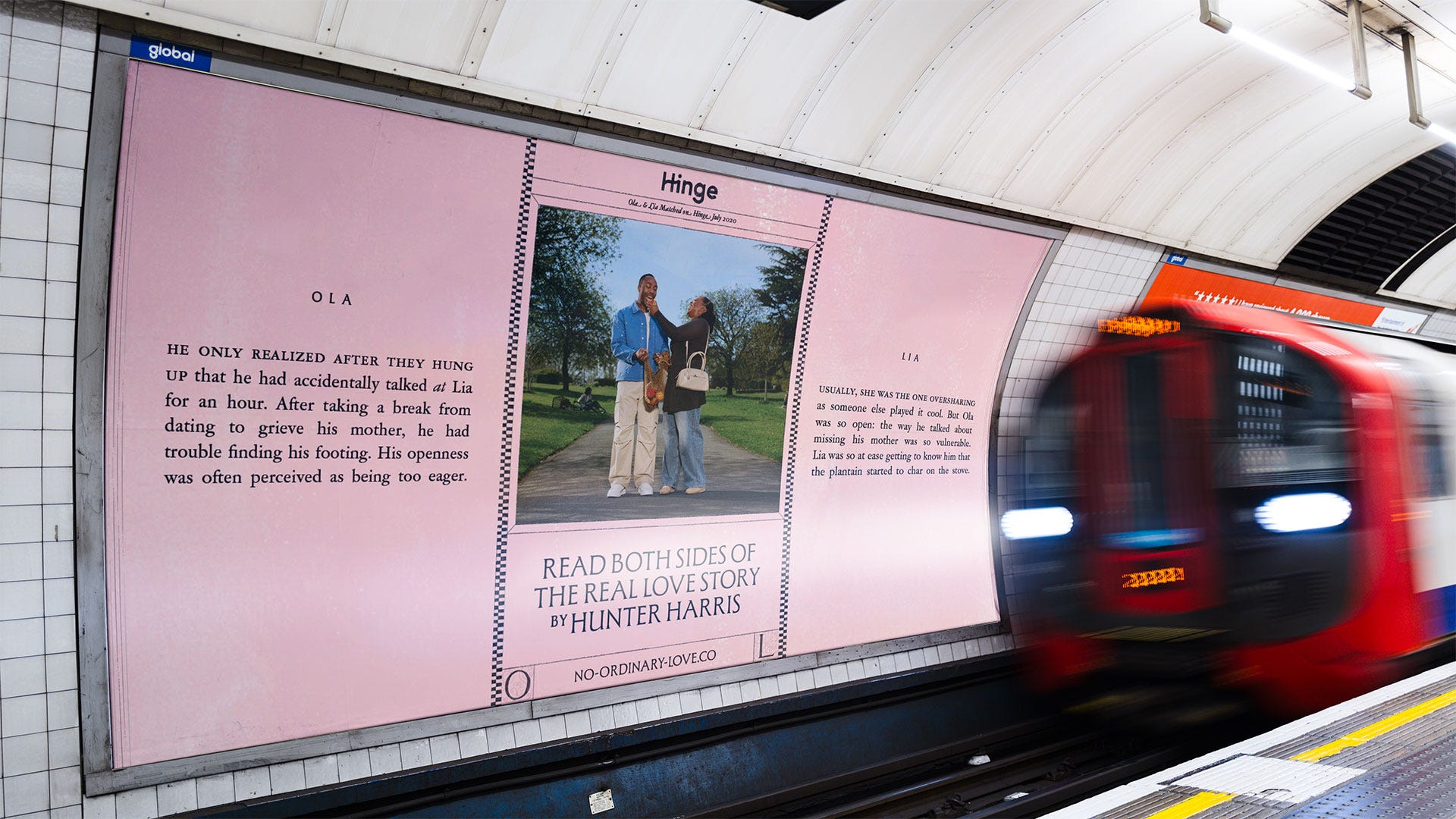
Hinge's recent "No Ordinary Love" campaign, created in collaboration with Dazed Studio, exemplifies this approach. Rather than optimising for swipes and matches, they've made a literary anthology featuring real couples' love stories told from dual perspectives, distributed through physical book clubs in New York and London. The campaign explicitly addresses the "misreads, overthinking, and unspoken harmony of early dating" (highlighting precisely the social navigation skills this generation lacks) whilst creating structured social environments where people can practice connection through shared reading experiences.
The campaign works because it provides social scaffolding: book clubs offer natural conversation starters, reduce pure social performance pressure, and create repeated, low-stakes interactions where social fluency can develop gradually. I know, I also run one of those every month.
This reflects the broader proliferation of interest-based offline meetups (reading groups, chess clubs, hiking societies) that provide what the Quarantine Cohort desperately needs: frameworks for interaction that don't require spontaneous social fluency, whilst still enabling human connection.
But we need to go further. Just as gyms provide equipment and instruction for physical fitness, we need social fitness spaces that explicitly teach interaction skills. Not dating, coaching, or pickup artist nonsense, but basic human connection: how to make others feel comfortable, how to read and respond to social cues, how to handle awkwardness with grace rather than withdrawal.
The Rizz Deficit affects more than individual happiness: when an entire generation lacks the social magnetism required for relationship formation, you get declining birth rates, collapsing community networks, and a broader breakdown of social infrastructure. Teaching them to connect isn't just personal development; it's social preservation.
The singles who do succeed at my events share one trait: they've somehow maintained or redeveloped their social operating system. They can approach strangers, sustain conversation, create positive energy, and handle the beautiful awkwardness of human connection. They prove that Rizz can be recovered, but only through practice, patience, and spaces that make social risk-taking safe again.
Unfortunately for Gen Q, it seems authentic social connection has become a luxury good: rare, desirable, anxiety-inducing when attempted. However, the positive aspect is that there is a clear desire to enhance their offline charisma and a hunger for guidance on how to do so. The question is whether the rest of us are ready to help them rebuild the social fluency they never had the chance to develop.
__
Comments
Nothing yet. Say the first thing.
Sign in to join the conversation.