
Dynamic Range and Choosing Amplifier Power
Text within this block will maintain its original spacing when published
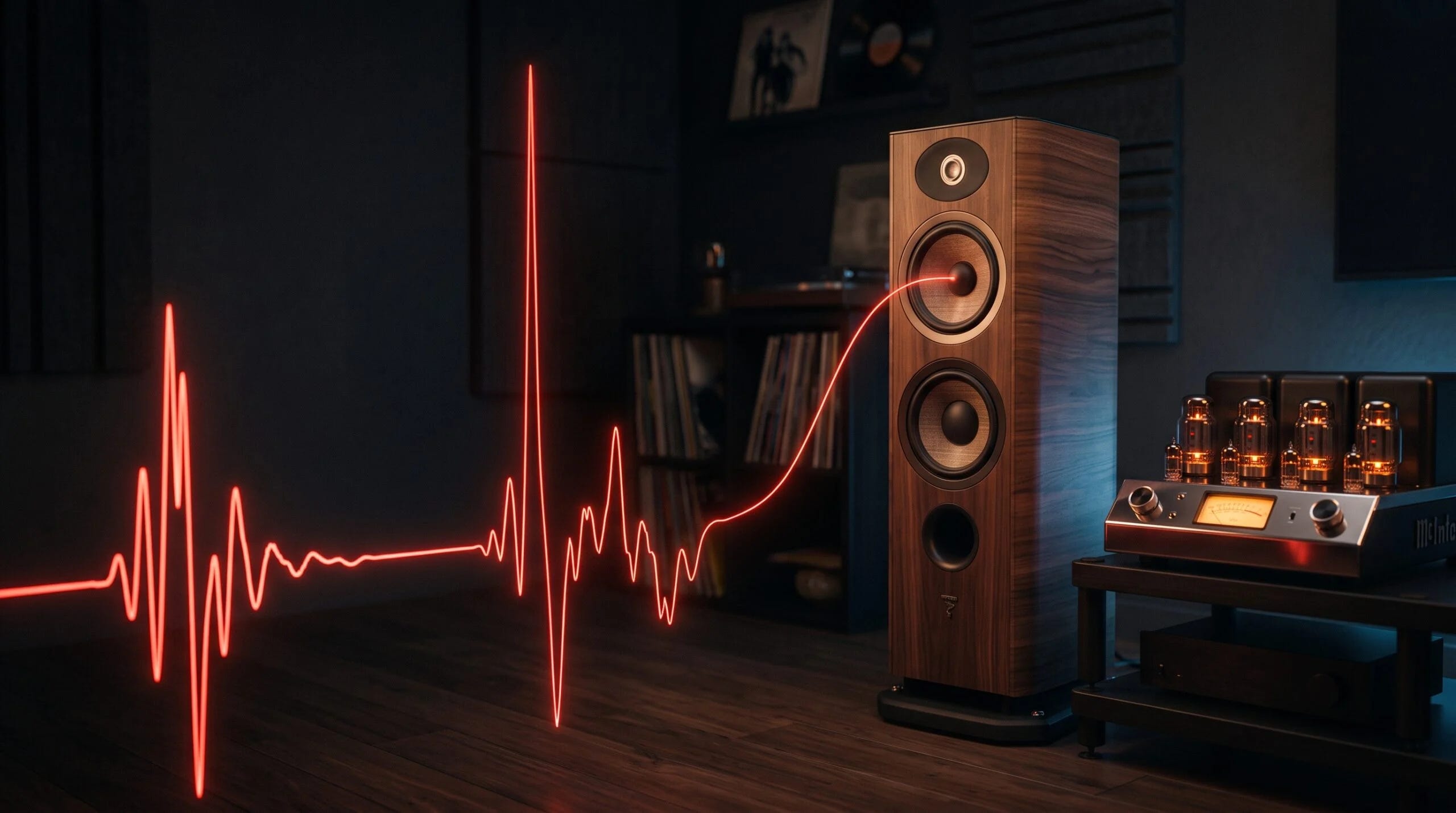
Audiophiles often ask how many watts their amplifier (or one they are considering) “needs.” The essential idea is that audiophiles want to have enough power to reproduce the entire “dynamic envelope” of the recorded music they play. This article carefully addresses how to answer that question, and as we will see, the answer depends on many factors, so there, as usual, isn’t one answer for everyone.
The more precise questions are: what peak SPL must the system reproduce at the listening chair, with your music, at your average levels, and how difficult is that peak for the loudspeaker and amplifier? Related to this, we can ask: how much you care about the percentage of time your system can’t reproduce the full dynamic range, given that max dynamic range may be rare, power costs money, and budgets usually matter.

Read Tom's full article here...

“The goal of power is not simply to play loud. To borrow from an old Cerwin-Vega ad: ‘dynamic is beautiful if it’s clean.’” Music giants’ AI bets fail to hit the right notes
Text within this block will maintain its original spacing when published
LONDON, Aug 5 (Reuters Breakingviews) - Once an artist has made one hit record, the world expects an equally impressive follow-up. Spotify (SPOT.N), opens new tab and major labels such as Universal Music Group (UMG.AS), opens new tab are now confronting a version of that challenge. The rise of streaming has driven years of growth: Spotify reached 300 million paying subscribers at the end of June. But as the market matures, the industry’s focus is shifting away from recruiting listeners and towards charging them more for new AI-based tools. At first glance, Spotify’s investors don’t have much to worry about. Reported revenue for the three months to the end of June was up 14% year-over-year to €4.8 billion. Still, its guidance implies a slowdown in new users. The group expects to add around 5 million paying subscribers in the third quarter, compared with 7 million in the second. Elsewhere, the labels are under pressure to extract better licensing deals with their streaming partners. In the second quarter, UMG's recorded music subscription revenue – a measure of royalties from paid streaming subscriptions – rose 6.7% year-on-year in constant currency, excluding acquisitions. That's down from 7.9% in the prior quarter, and below market expectations. Its shares plunged more than 25% on that news. Read full article here

A screen displays the logo of Spotify on the floor at the New York Stock Exchange (NYSE) in New York City. REUTERS/Brendan McDermid/File Photo Classical Music’s Enduring Allure
Text within this block will maintain its original spacing when published
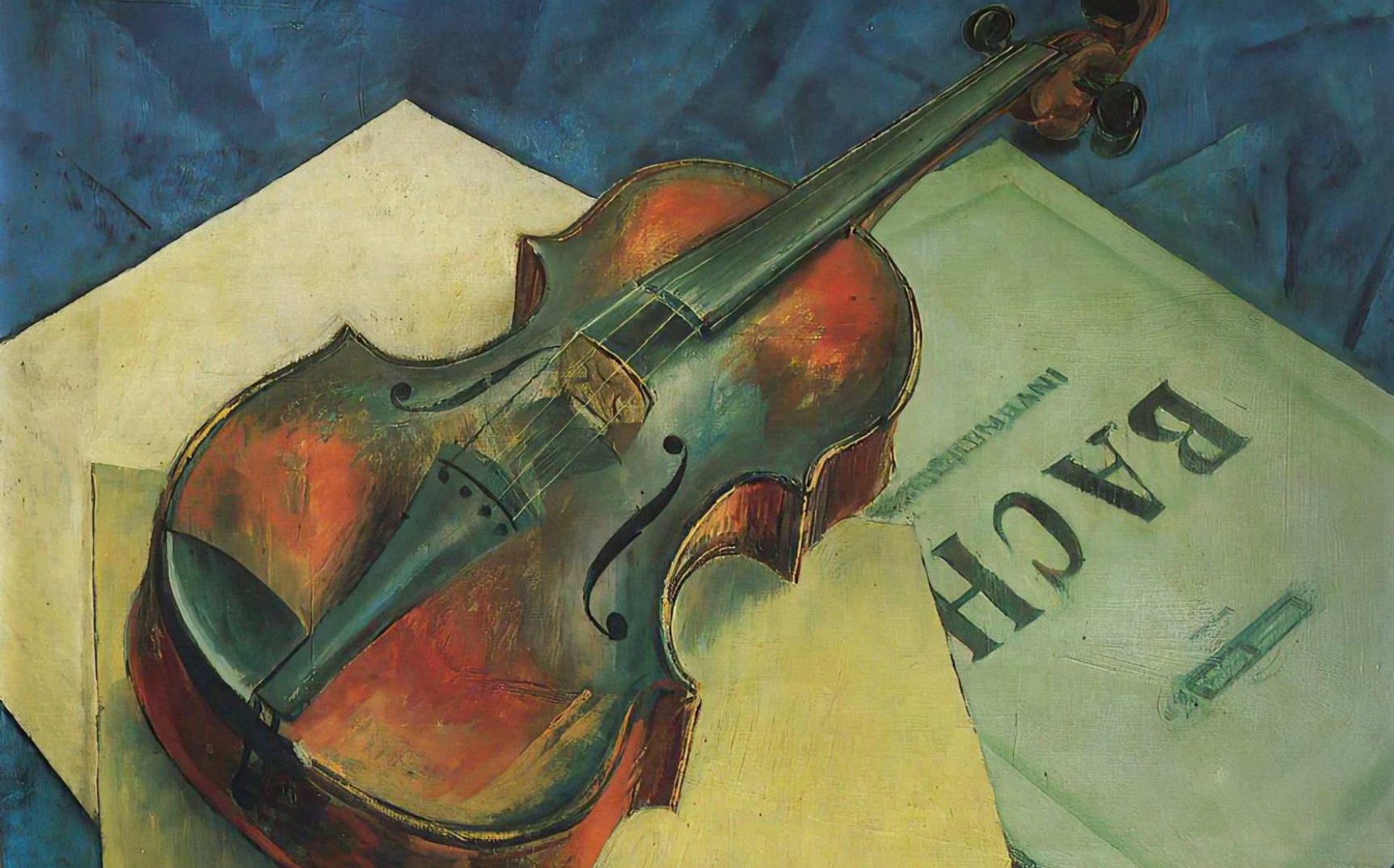
The rise in the number of classical music festivals testifies to a growing demand for the timeless beauty of the western musical canon, especially among the young.
One could interpret that as a sign of the times. Today’s concert audiences have access to phenomenal soloists, conductors, orchestral players and choral singers. There are quite a few not-so-great ones, too, but that’s the nature of any industry.
Despite the habitual fears that classical music will decline, the generation of musicians now making their debuts on concert stages look likely to, in time, become even more impressive than the current stars. (One can only hope that managers and promoters don’t succumb to the temptation of overexposing them at an early age.)
Read full article here...
Tech C.E.O. Pays $400,000 to Conduct the Toronto Symphony
Text within this block will maintain its original spacing when published
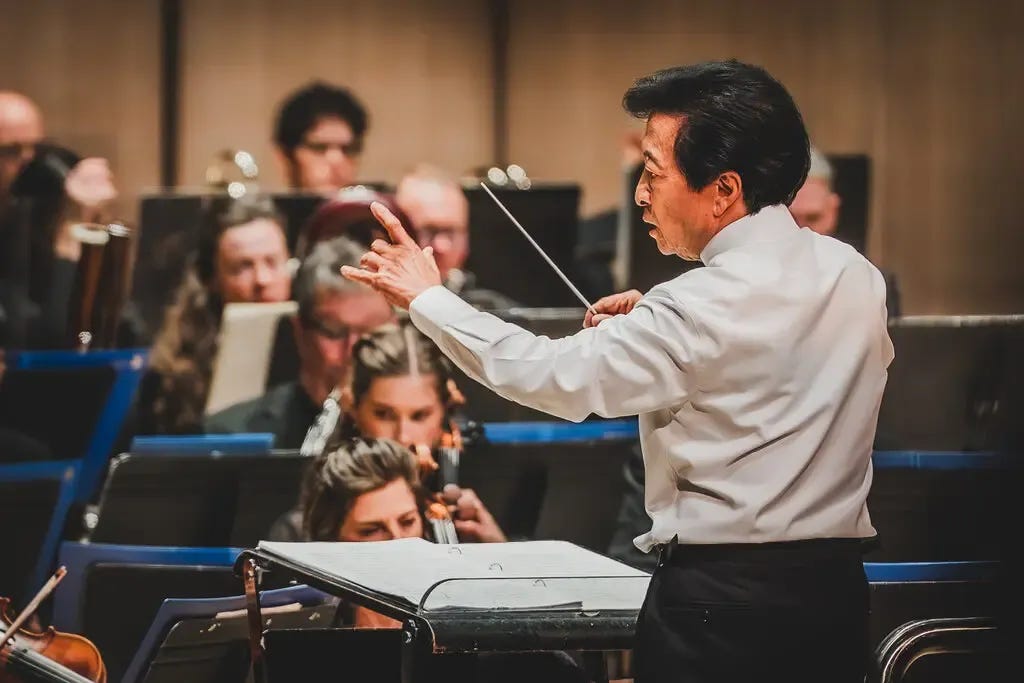
The musicians of the Toronto Symphony Orchestra took their seats at Roy Thomson Hall on Wednesday for a performance of Mahler’s “Resurrection” Symphony. Then a stage door swung open, and out walked the conductor.
He was not a world-renowned maestro or even a trained musician. The man who walked out, wearing a crisp white shirt and taking the podium, was Mandle Cheung, a 78-year-old technology executive who had paid the Toronto Symphony nearly $400,000 to lead it for one night.
Cheung, a lifelong fan of classical music who played in a harmonica band in high school and has dabbled in conducting, persuaded the orchestra to allow him to act out his long-held dream of leading a top ensemble.
Read full article here...
The Medium Is the Massage by Marshall Mcluhan (1968)
Text within this block will maintain its original spacing when published
Marshall McLuhan (1911-1980) was a Canadian English professor and a devout Catholic (a convert who attended Mass daily) who became the 1960s' best-known theorist of media and the electronic age. His argument, compressed into the phrase "the medium is the message," was that communication technologies reshape human perception and society more than the content they carry. In 1967, Columbia Records released The Medium Is the Massage as an LP, produced by John Simon — an attempt to translate the book's message or "massage" into an experimental audio format.
This surreal record stands apart from almost anything else made at the time or  since. It isn't a lecture on vinyl but a collage: McLuhan's voice cut up and layered with sound effects, sped-up tape, overlapping speakers, and abrupt edits meant to reproduce the simultaneous, all-at-once quality he attributed to electronic media.
It isn't an "easy" listen, but it is certainly engaging and stretches far beyond being just a novelty record, both in content and form. The record works as both a time capsule of 1967 and an attempt to mirror the sensory experience of the fragmented, always-on media environment we live in now.
For more show reports, expert reviews, features, and commentary subscribe to our newsletter here.
Watch equipment reviews, interviews, and more on our YouTube Channel here.
Comments
Nothing yet. Say the first thing.
Sign in to join the conversation.