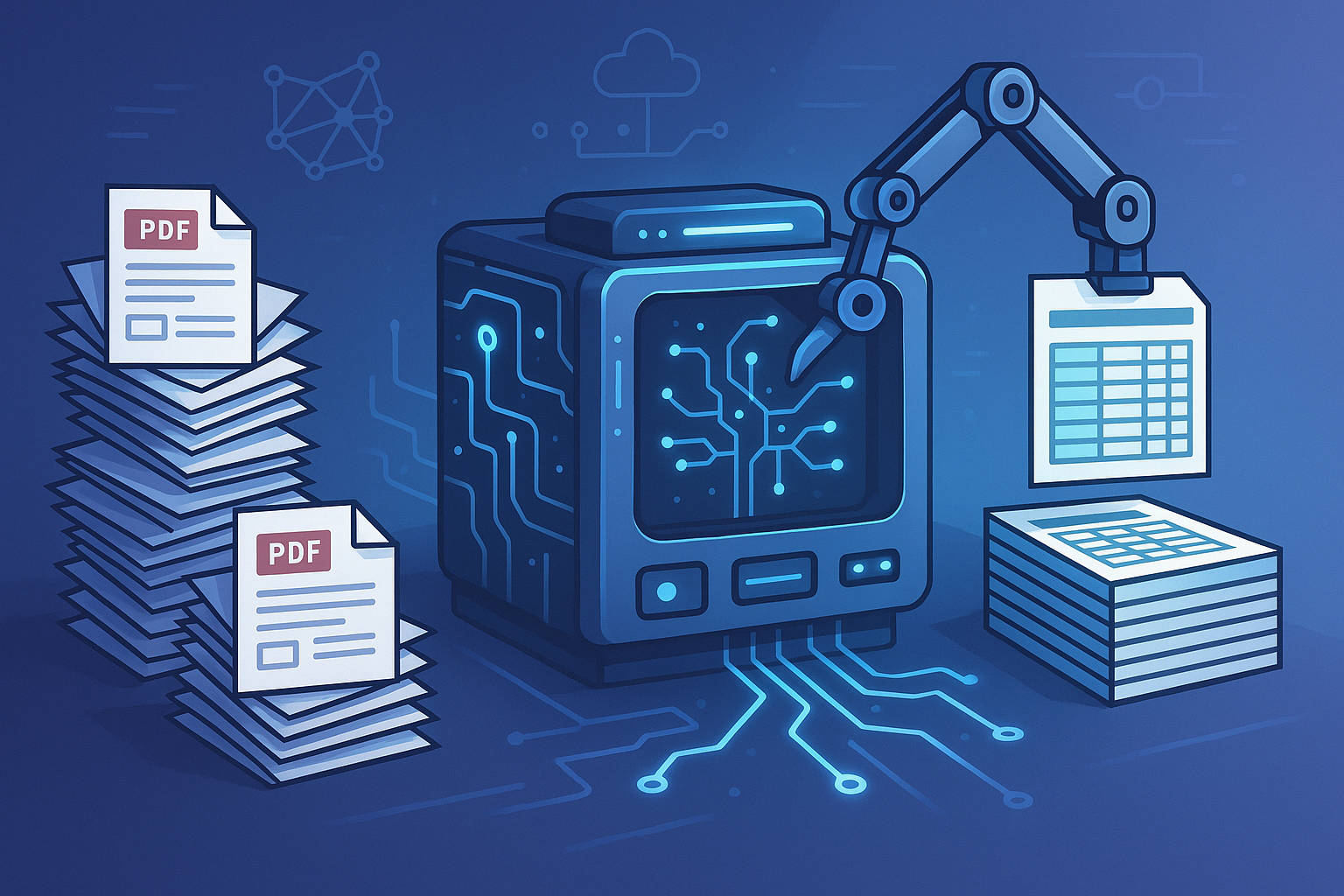
A deep dive into AI-powered document processing The origin story ZapDoc is an AI-powered document processing platform that extracts structured data from PDF documents and delivers results in Excel format via email. I didn’t start out wanting to build a document automation platform. What I wanted was leverage. I’d seen firsthand how time-consuming and painful […]
Have you ever felt like there’s a strange trade-off in the people you date — the kinder they are, the less attractive they seem? Or maybe doctors notice that patients either have diabetes or high blood pressure, but rarely both? That’s Berkson’s Paradox in action. It’s a statistical illusion that happens when we only look at a […]
Use Hugging Face’s smolagents framework to automate customer support for a fashion store Introduction Fashion retailers receive hundreds of customer emails every day. Some asking about products, others trying to place orders. Manually handling these messages is time-consuming, error-prone, and doesn’t scale. In this project, we tackle this problem by building an AI system that reads […]
Most query expansion methods either dig through feedback from initial search results or rely on pre-defined thesauruses. Query2doc skips both. Instead, it uses LLMs to generate short, relevant pseudo-documents and appends them to your query — no retraining, no architecture changes. How It Works Why It Matters Limitations Takeaway Query2doc is dead simple but surprisingly effective. It’s […]
And what to do about it Retrieval-Augmented Generation (RAG) was supposed to fix everything. More accurate answers. Less hallucination. Instant access to domain-specific knowledge. But in real-world deployments, the results often disappoint. Answers feel off. Retrievals are irrelevant. Context seems lost. So what’s going wrong? Let’s break down the core problems, and how to fix them. […]
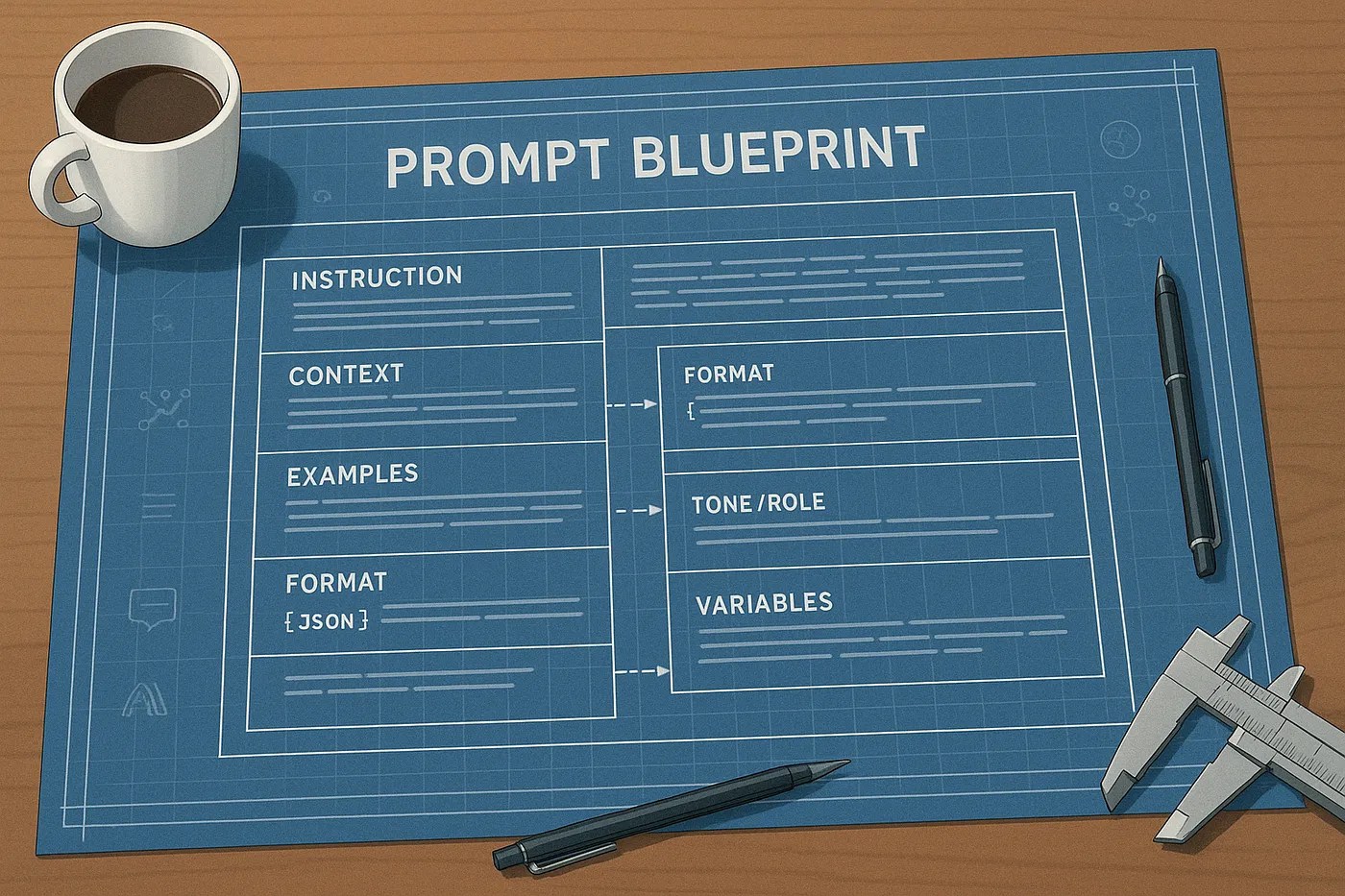
Google recently dropped a prompt engineering whitepaper packed with practical techniques for getting better results out of language models. If you’ve ever felt like your AI responses were a little off, this cheat sheet might be what you need. Prompting techniques Start simple. For straightforward tasks, zero-shot prompting (no examples, just direct questions) often works wonders. Need […]
Introduction Why use AI for game development? Because it’s fast, fun, and wildly creative. You go from idea to game in seconds. Great for prototyping, learning, or impressing your friends at brunch. Imagine typing “a Flappy Bird clone” and watching it pop open in your browser — ready to play. No design. No dev work. Just vibes […]
A pragmatic approach for interviews I’ve been studying system design on my own and I feel that, as data scientists and AI engineers, we don’t see it enough. At the beginning I was a bit lost, didn’t know many of the terms used in the domain. I watched many Youtube tutorials, and most of them […]
Fine-tuning is the process of taking a pre-trained model and adjusting it on a specific dataset to specialize it for a particular task. Instead of training a model from scratch (which is costly and time-consuming), you leverage the general knowledge the model already has and teach it your domain-specific patterns. It’s like giving a well-read intern […]
No TensorFlow. No PyTorch. Just you, NumPy, and 20-ish lines of code. We’re going straight to the core: how a neural network actually learns — and we’ll teach it the classic XOR problem. The Problem: XOR We want this network to learn the XOR rule: If A or B are equal to 1, then the output is […]