Saves to your Listen queue, to pick up on another day or another device.
Adam Carolla: Fahrenheit 451 by Ray Bradbury | The Book Club | PragerU
Fahrenheit 451 may have been written in 1953, but its warnings feel more relevant than ever.In this episode of The Book Club, Michael Knowles is joined by bestselling author and comedian Adam Carolla to discuss Ray Bradbury’s classic dystopian novel. They explore the book’s themes of censorship, conformity, technology, and the decline of serious reading, debating whether Fahrenheit 451 got the…
Mollie Hemingway: We by Yevgeny Zamyatin | The Book Club | PragerU
A former Bolshevik wrote the first dystopian novel—before Orwell, before Huxley—and it predicted everything: AI replacing creativity, state-run families, engineered conformity, even citizens begging to be lobotomized. Michael Knowles and Mollie Hemingway crack open Zamyatin's We and discover a 1921 warning that reads like a 2026 headline. From COVID compliance to social-media groupthink to the…
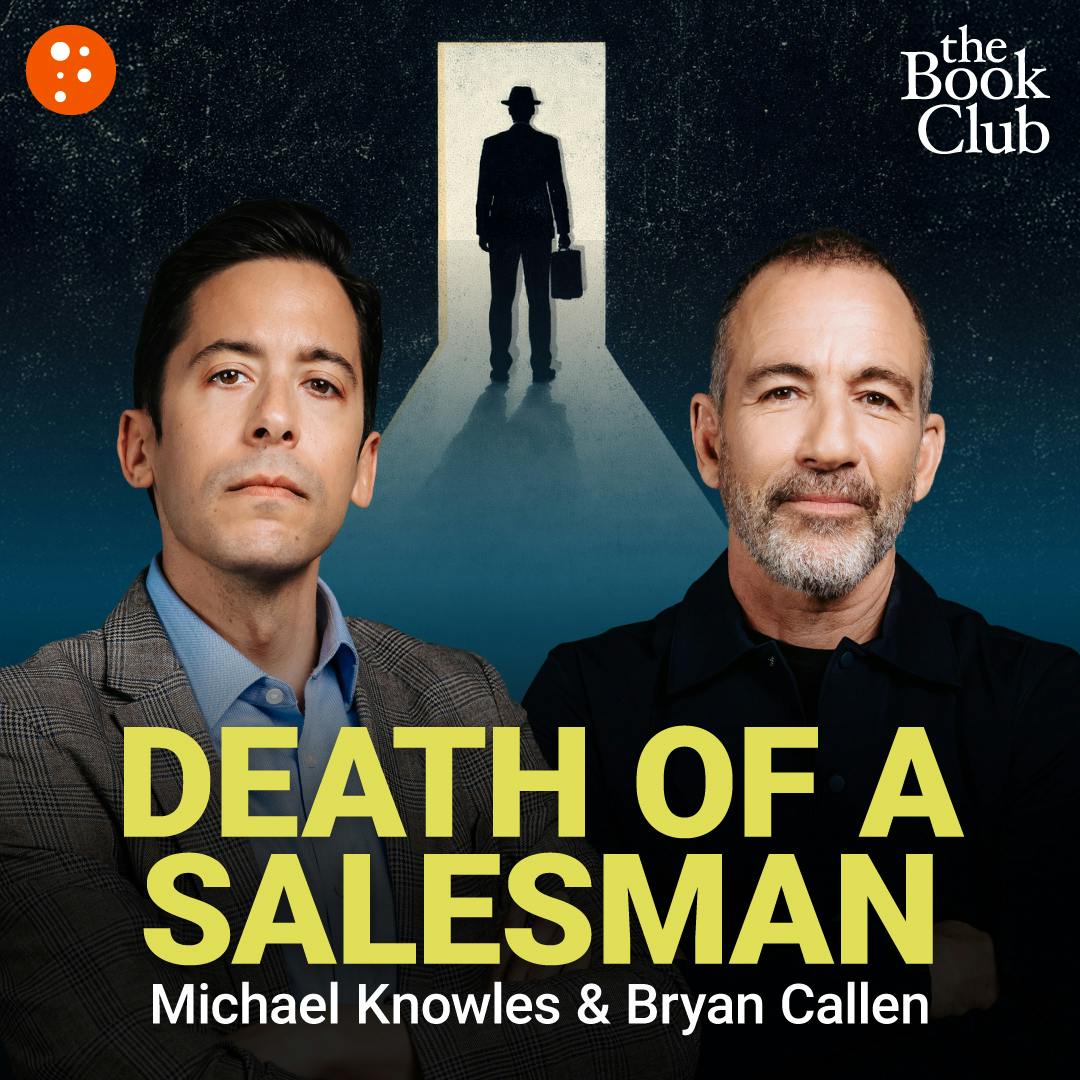
Bryan Callen: Death of a Salesman by Arthur Miller
In this episode of The Book Club, Michael Knowles sits down with actor and comedian Bryan Callen to discuss Arthur Miller’s Death of a Salesman, one of the most influential plays in American literature. Together, they explore why Willy Loman remains a powerful, tragic figure, whether the play is a critique of capitalism or a warning about personal dishonesty, and what Death of a Salesman teaches…
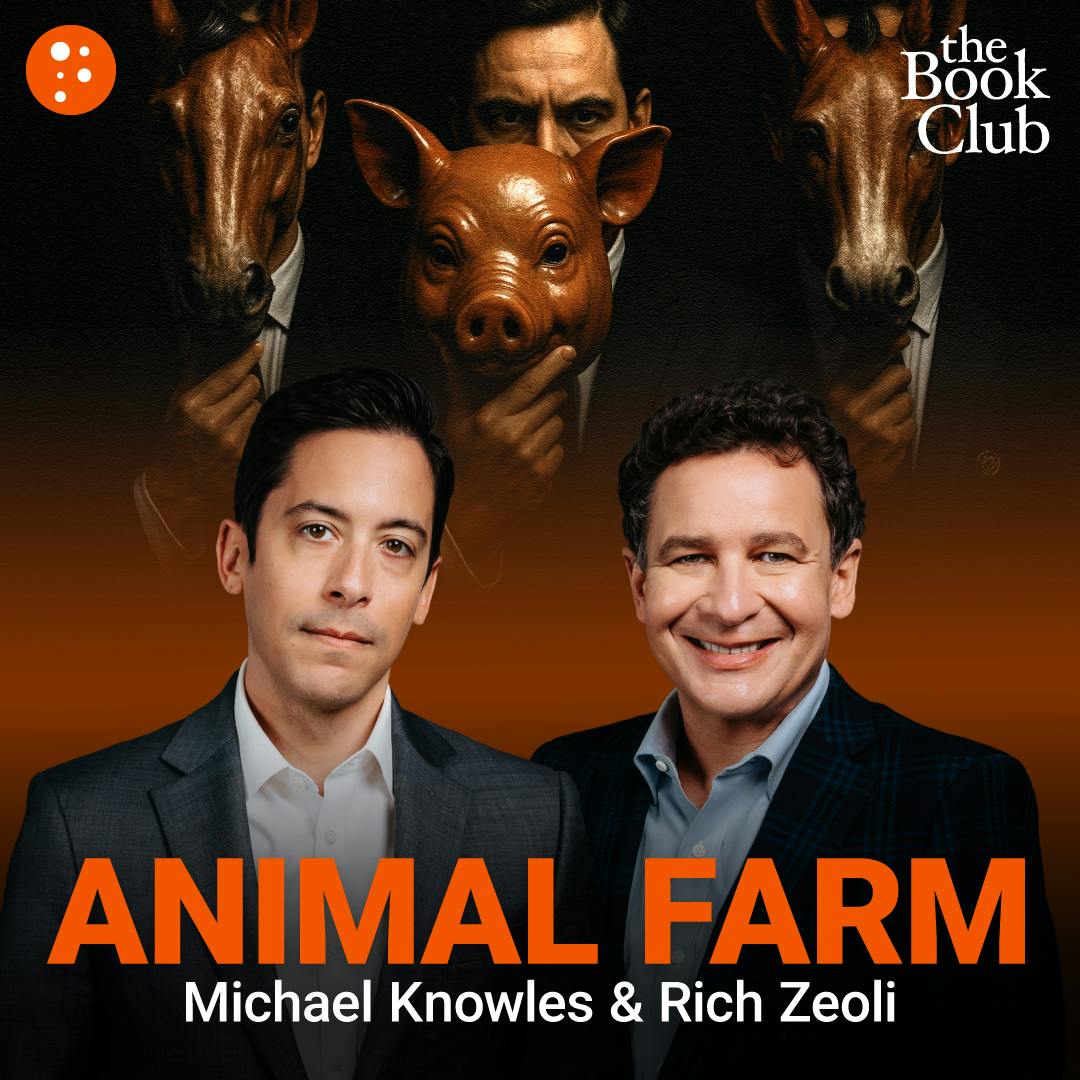
Why does every utopia eventually turn into a tyranny? In Animal Farm, George Orwell tells the story of a farm revolution that begins with a promise of equality and ends with a new ruling class that looks no different from the one it replaced. Michael Knowles is joined by radio host Rich Zeoli to explore Orwell’s famous allegory of the Russian Revolution, the corrupting nature of power, and how…
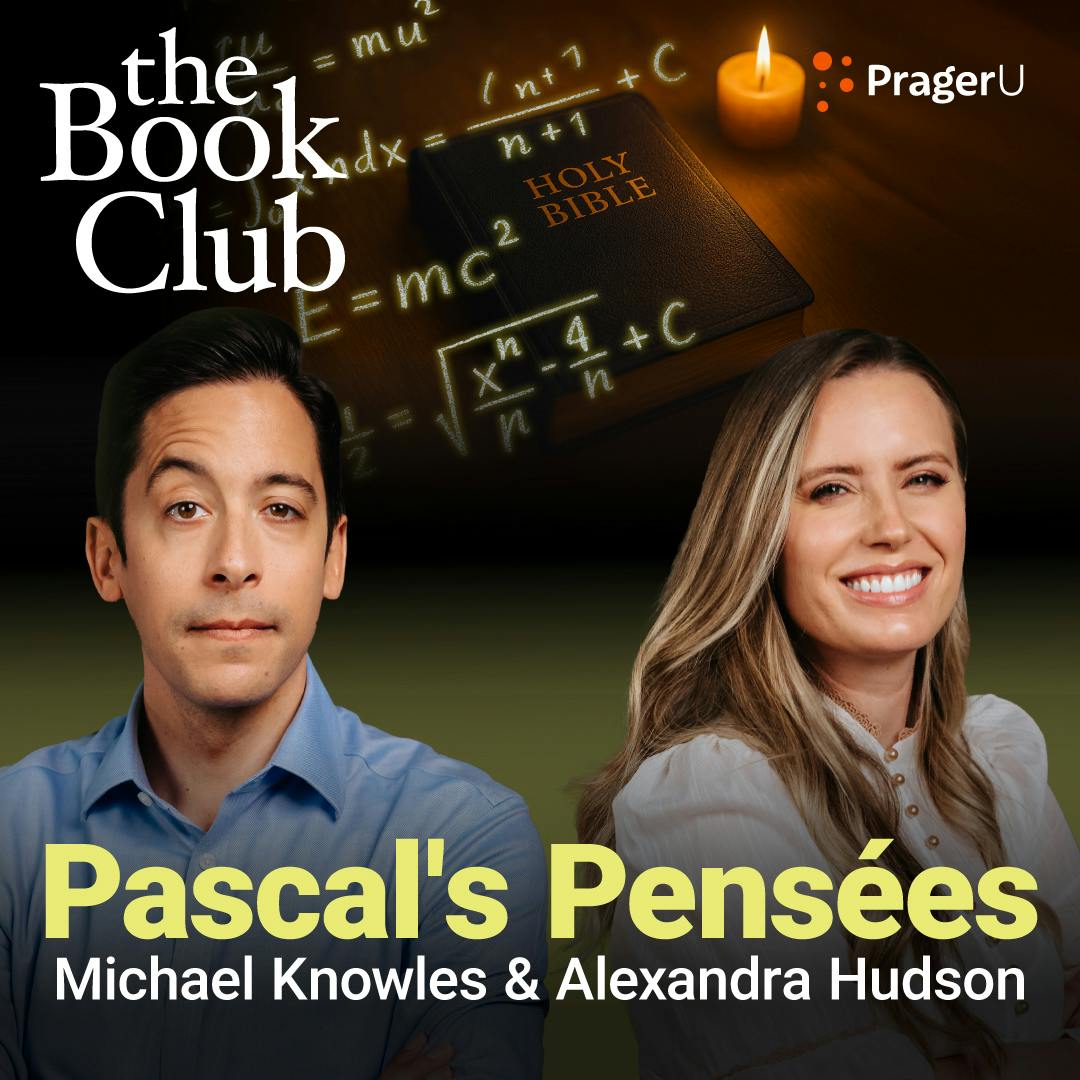
Can reason alone lead us to truth? In Pensées, Blaise Pascal—the brilliant mathematician and Christian apologist—wrestles with the deepest questions of faith, doubt, and what it means to be human. Once a champion of the Enlightenment, Pascal came to see its limits and devoted the rest of his life to exploring the spiritual truths that reason alone cannot reach. Michael Knowles sits down with…
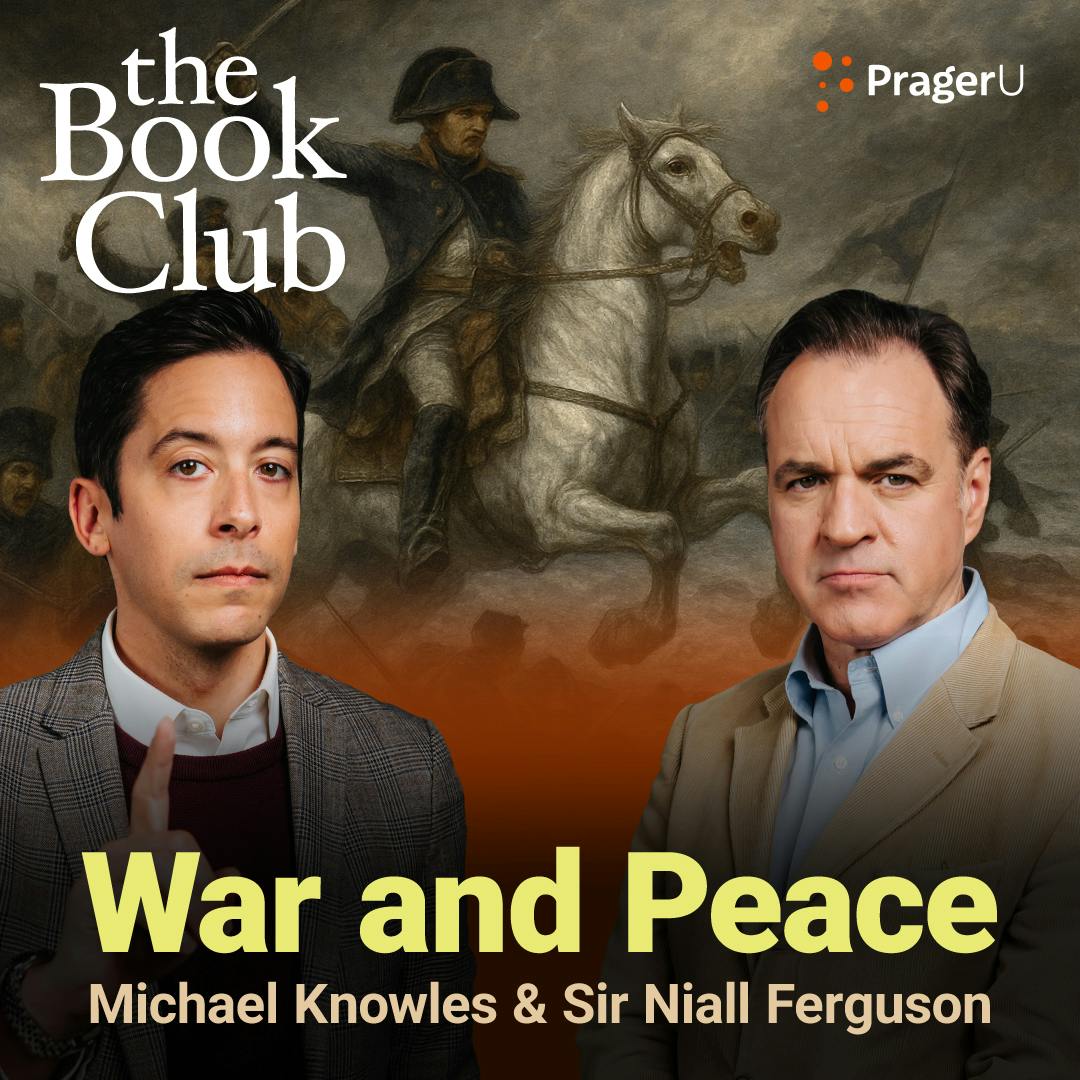
How does war reshape not only nations—but the souls of those who live through it? In War and Peace, Leo Tolstoy sets Napoleon’s invasion of Russia as the backdrop for what many consider the greatest novel ever written. Michael Knowles is joined by renowned historian and author Niall Ferguson to explore how the chaos of war ripples through the lives of everyday citizens—from peasants and soldiers…
Viva Frei: The Old Man and the Sea by Ernest Hemingway
Is the pursuit of a dream worth it, even if it’s torn apart in the end? In The Old Man and the Sea, Ernest Hemingway tells the story of Santiago, an aging Cuban fisherman determined to break a long streak of bad luck. Venturing far into the open sea, he hooks the catch of a lifetime—but as he battles to bring it home, he watches it slowly devoured by sharks. Michael Knowles is joined by popular…
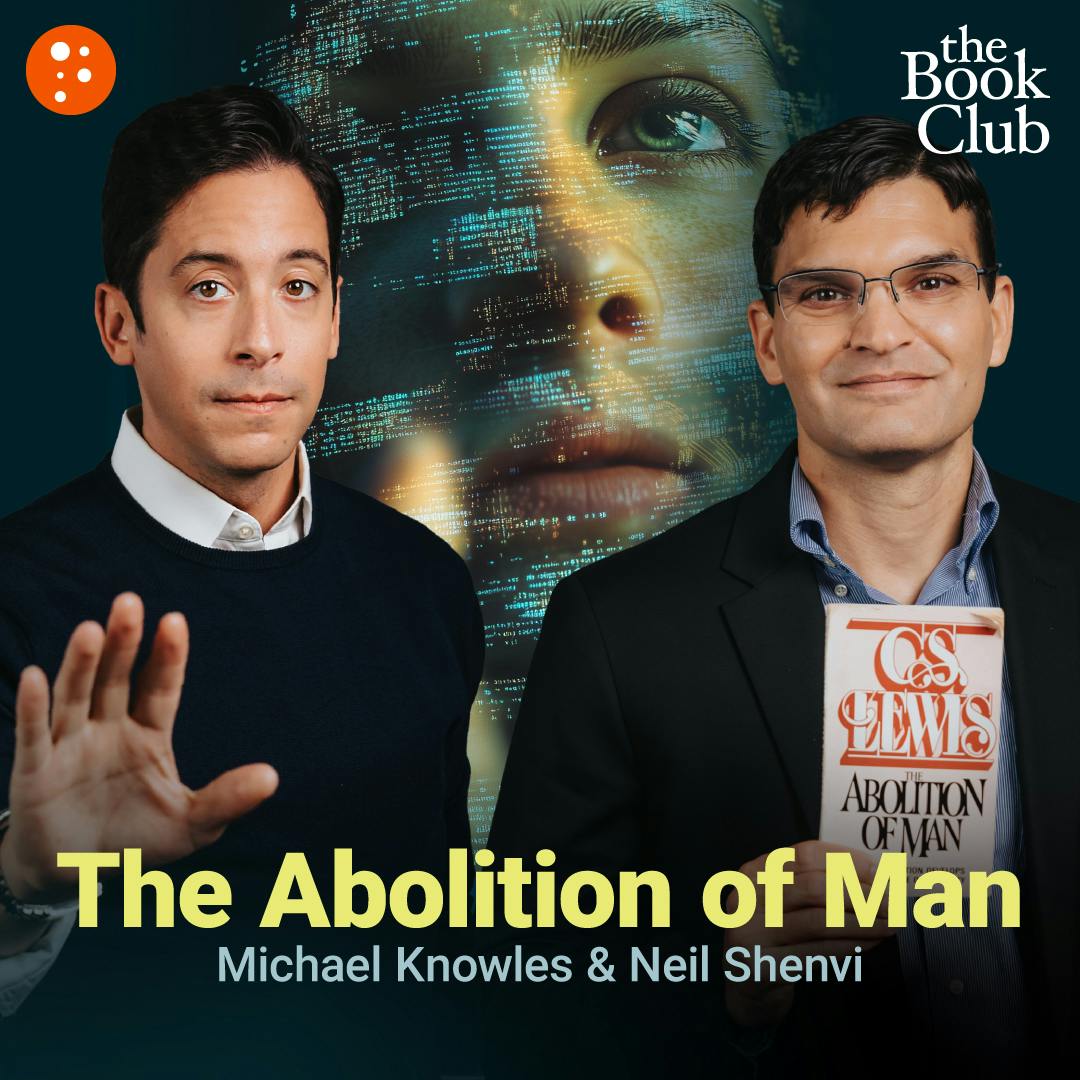
What’s wrong with saying “my truth” and embracing moral relativism? In The Abolition of Man, C.S. Lewis warns that abandoning objective truth doesn’t just erode morality—it opens the door for manipulation by those in power. Decades later, his prophetic critique is more relevant than ever. Join Michael Knowles and Neil Shenvi, a Christian apologist, author, and chemist, as they explore Lewis’s…
Michael Malice: The Call of the Wild by Jack London
What does it take to survive when civilization falls away? The Call of the Wild is more than a story about a dog thrust into the harsh wilderness during the Gold Rush—it’s an exploration of survival, instinct, and the untamed spirit within us all. Join Michael Knowles and Michael Malice as they delve into Jack London’s timeless tale of transformation, uncovering profound lessons about strength and…
Can you do whatever you want—even harm yourself—as long as you don’t harm others? In On Liberty, John Stuart Mill warns against threats to personal freedom, especially through the “tyranny of the majority.” Michael Knowles is joined by Joe Fournier, a political science professor at Rochester Institute of Technology, to explore Mill's classic work, the importance of defending free speech and…