

Welcome to the new issue for the monthly dose of Cloud Native, DevOps, and MLOps content.
If you love these newsletter issues, please share them with your friends, colleagues, and companies. I’m looking for sponsors to continue writing this awesome content, which is free for every cloud native enthusiast. It requires a lot of effort and time. ❤️
Exciting major news! I've been named a Docker Captain, and I'm thrilled to share this journey with you all 🚀🏆
As many of you know, I've been deep in the Cloud native and DevOps world for years now. My passion for Docker, Kubernetes, and all things containerization has been a driving force in my career. I've always believed in the power of sharing knowledge, and that's exactly what led me to this point. I’ve helped 1000s by being an AWS Community Builder in the containers category for 5 years.

It all started with my blog posts and tutorials on Docker and Kubernetes. I realized that there were so many developers out there hungry for practical, hands-on knowledge about these technologies. So, I kept writing, diving into topics like optimizing Docker Desktop, streamlining development workflows, and mastering Kubernetes orchestration.
But writing wasn't enough. I wanted to connect with the community face-to-face. That's when I started hosting local meetups, organizing conferences, and creating videos. Seeing the enthusiasm and curiosity in fellow developers' eyes as we discussed the latest in containerization was incredibly rewarding. It pushed me to do more. I have given multiple talks on containers, service mesh, application networking, development, and deployment strategies to date. Conference speaking came next. Each conference was a new opportunity to learn and share.
Along the way, I've had the privilege of helping thousands learn about Docker. Whether through my online tweets, blogs, videos, workshops, or one-on-one mentoring sessions, watching others grasp these concepts and apply them in their work has been the most fulfilling part of this journey.
Becoming a Docker Captain🐳🎩 is a milestone I'm proud of, but it's really a testament to this amazing community we've built together. It's about the collective knowledge we've shared, the problems we've solved, and the innovations we've sparked.
Becoming a Docker Captain involves demonstrating deep expertise in Docker technologies and a strong commitment to the Docker community. Here are some key steps and requirements based on insights from current Docker Captains and official Docker resources:
Deep Understanding of Docker: Begin by gaining a solid grasp of Docker and its associated technologies. This could involve learning through courses, hands-on projects, or contributing to Docker's open-source projects.
Community Engagement: Docker Captains are expected to be active in the Docker community. This can be through writing blogs, speaking at conferences, participating in or leading Docker Meetups, and contributing to discussions in forums like Docker Community Forums.
Content Creation: Continuously create valuable content that helps educate and guide the community. This includes blogs, tutorials, speaking engagements, and possibly even books about Docker.
Contribution to Docker Projects: Engage with existing Docker projects or start your own. Contributions can range from code to community help and documentation.
Networking and Visibility: Build a strong online presence to share your Docker knowledge. Regular posts on social media, contributions to Docker's blog, or interactions in community forums can enhance your visibility.
Formal Application: When you feel prepared, you can apply to become a Docker Captain through Docker’s official site. The application involves showcasing your contributions and may require endorsements from current Docker members or captains.
The Docker Captains program is designed not only to acknowledge individual expertise and contributions but also to foster a learning environment where captains help spread Docker's technologies more widely. Captains have access to Docker's engineering teams, exclusive training, and Docker community events, where they can continue to grow their knowledge and influence.
So, what's next? More content, more meetups, more learning, and more sharing. This is just the beginning, and I can't wait to see where this Docker journey takes us next.
Stay tuned for more Docker and cloud native goodness in the coming weeks!
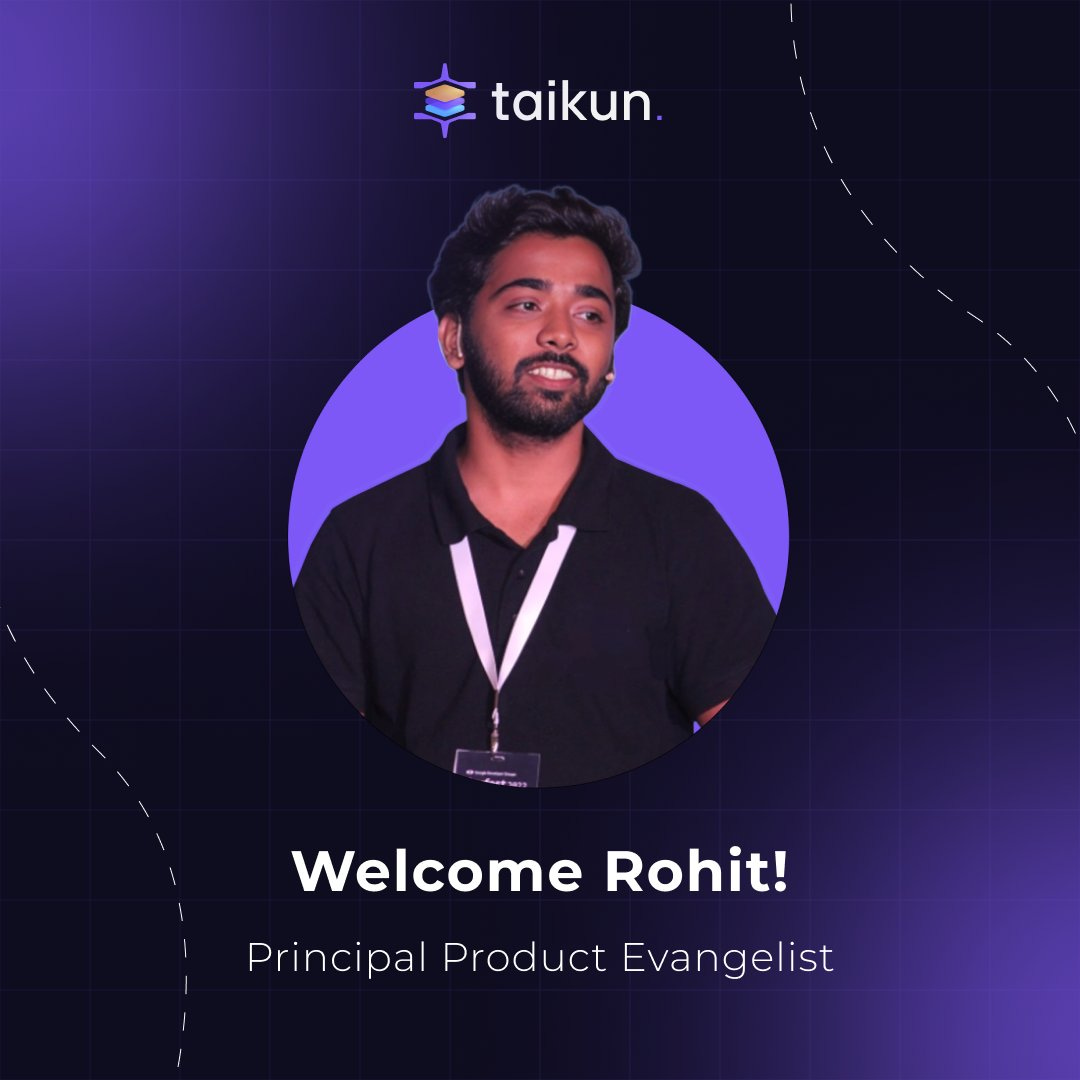
I’ve also started helping one of the amazing companies in cloud native and kubernetes management, Taikun, as a Principal Product Evangelist. 🎉
With Taikun CloudWorks, the aim is to empower developers by abstracting the complexities of Kubernetes management. Taikun handles the intricate details of Kubernetes operations, allowing developers to focus on building and deploying applications without needing to delve into the technical intricacies of container orchestration. This seamless management experience ensures that developers can leverage the full power of Kubernetes without the overhead of manual configurations, scaling, or maintenance tasks. Taikun CloudWorks enables developers to innovate and deliver faster, more reliable software solutions by simplifying the cloud infrastructure management process.
I’m helping organize - KCD UK 2024. Reach out for sponsorships 🙏
Join Cloud Native Thane August meetup tomorrow
KCD Indonesia - September 2
UGConf Perú 2024 - September 7
API Days Australia - September 16
DevDay, DevFest, AWS Community Days are running all over the world
DevOps Community is a family of 10,000+ members now 🎉
Our Community is growing daily; I’m trying to bring the newest opportunities and exciting updates every month. DevOps and Cloud native communities are helping enthusiasts in multiple ways - I see most people active on Twitter and LinkedIn sharing excellent resources.
🚀 We at DevOps Community have partnered with the most popular conferences in India as well as the global audience with the largest community on Twitter - Software Engineering 🎉

Jenkins CI-CD pipeline by Bandhan Majumder
What’s new in Go 1.23: Iterators and reflect.Value.Seq by Carlana Johnson
Kubernetes v1.31: Elli – Celebrating 10 Years of Innovation and Community by Rohit Ghumare, Taikun
How to authenticate with third-party APIs in your Grafana app plugin by Tom Glenn, Grafana Labs
Can Postgres replace Redis as a cache? by Raphael De Lio, Xebia
Automated container CVE and vulnerability patching using Trivy and Copacetic by Edgaras
Empowering observability: The advent of image-based gadgets by Chris Kühl
How to manage Kubernetes secrets with Terraform by Jack Roper
Enhanced security: Logging PostgreSQL connections by Hans-Jürgen Schönig
Creating a self-hosted Kubernetes cluster on Proxmox with Taikun CloudWorks using Terraform by Rohit Ghumare, Taikun
microservices-demo - Sample cloud-first application with 10 microservices showcasing Kubernetes, Istio, and gRPC.
linkedIn_auto_jobs_applier_with_AI - LinkedIn_AIHawk is a tool that automates the jobs application process on LinkedIn. Utilizing artificial intelligence, it enables users to apply for multiple job offers in an automated and personalized way.
kotaemon - An open-source RAG-based tool for chatting with your documents.
vllm - A high-throughput and memory-efficient inference and serving engine for LLMs.
Karmada - Open, Multi-Cloud, Multi-Cluster Kubernetes Orchestration
https://x.com/mckaywrigley/status/1829282993732731320
https://x.com/leeerob/status/1828916884642902372
https://x.com/moritzkremb/status/1828749774499254738
https://x.com/levelsio/status/1828748172778164482
https://x.com/shaunmmaguire/status/1828200787807469607
No posts
Comments
Nothing yet. Say the first thing.
Sign in to join the conversation.