
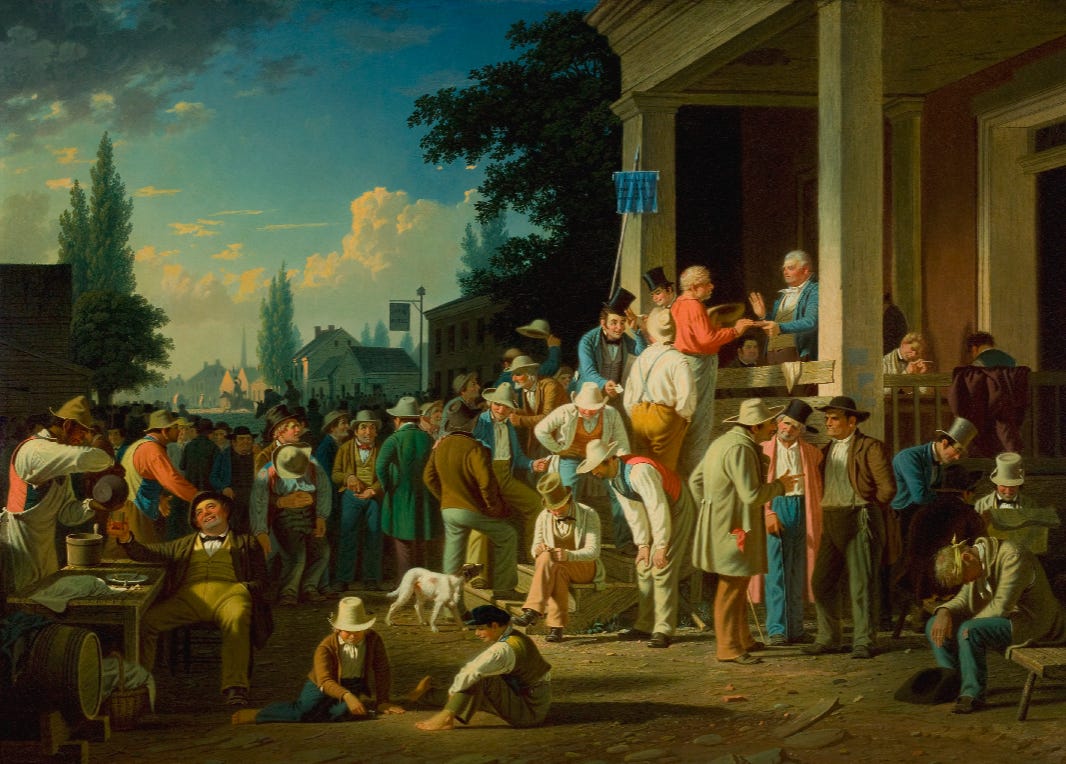
Picture an American voter in 1840. He probably farmed for a living. He lived a half-day’s wagon ride from the county seat, where the polling place was. He went to church on Sunday. On Wednesday, he hauled his crops into town to sell. Election Day had to land somewhere in between.
That somewhere ended up being Tuesday.
For the country’s first half-century, Election Day wasn’t really one day. Each state set its own schedule, anywhere inside a 34-day window that ended in early December, when the Electoral College met. South Carolina might vote weeks before Pennsylvania. By the time later states cast their ballots, they often knew which way earlier states had gone.
That was already a problem. Then the telegraph showed up.
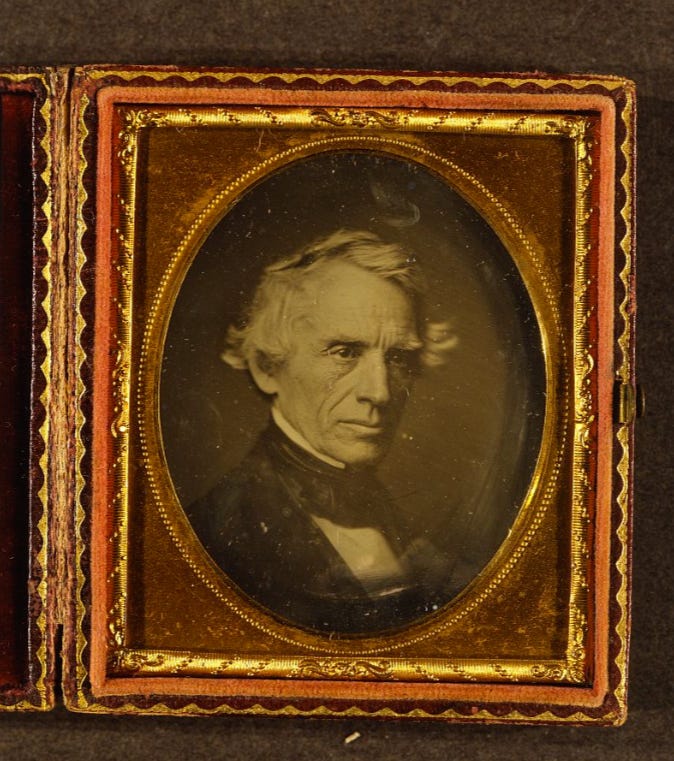
Samuel Morse’s telegraph was funded by Congress in 1843 and demonstrated in 1844. Suddenly news could travel from city to city in minutes instead of days. If states kept voting on different schedules, results from one state could blast across the country and shape how everyone else voted. Congress decided the country needed a single national Election Day before the next presidential cycle.
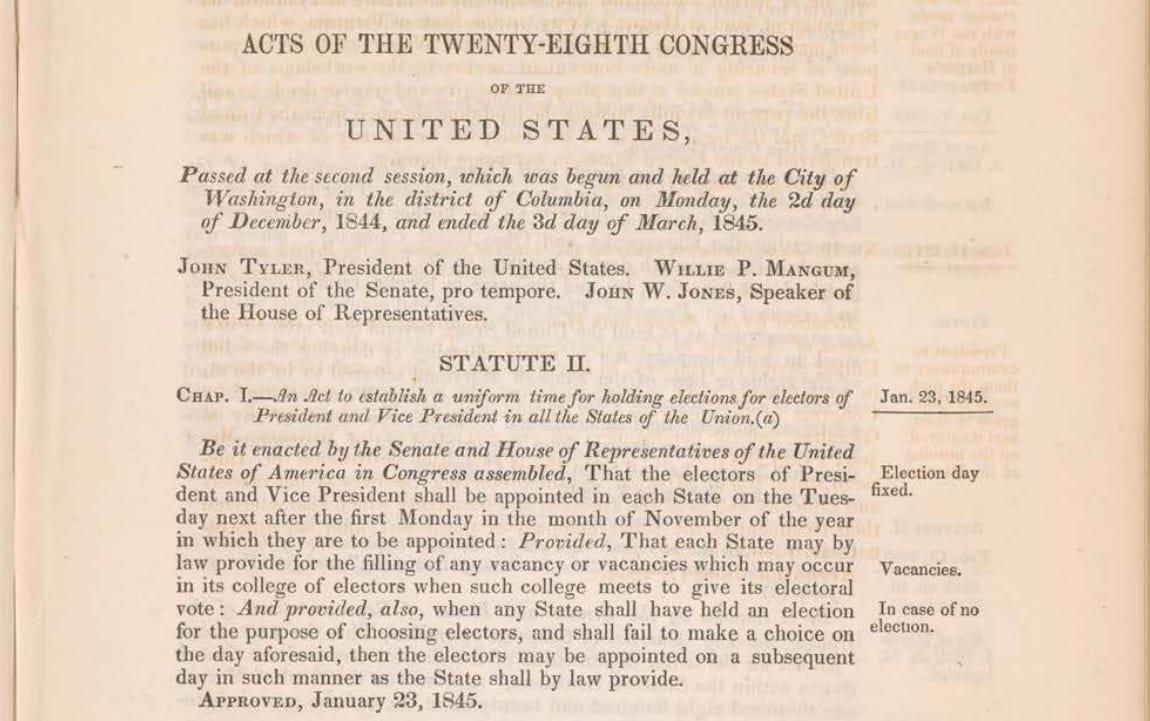
On January 23, 1845, Congress passed a one-paragraph law with a wonderfully bureaucratic name: “An Act to Establish a Uniform Time for Holding Elections for Electors of President and Vice President in all the States of the Union.” Lame-duck President John Tyler signed it on his way out the door. From then on, presidential elections would be held “on the Tuesday next after the first Monday in the month of November.”
So why those specific words?
November came down to weather and crops. Spring and summer were planting season. Late summer and early fall were harvest. By early November, the harvest was usually in, the roads were still passable, and winter hadn’t shut everything down. November 1 was specifically avoided. It’s All Saints’ Day on the church calendar, and merchants traditionally did their monthly bookkeeping that day. Picking “the first Tuesday after the first Monday” pushed Election Day past November 1 every time, so it always falls between November 2 and November 8.
Tuesday was the kindest day to a country full of farmers. Sunday was for church, and most Americans took that seriously. Wednesday in many towns was market day. A man who lived a full day’s wagon ride from the county seat could leave home Monday morning, sleep in town Monday night, vote Tuesday, and still get back before market opened. Tuesday was the only day that worked.
The first election held under the new law was in 1848. Zachary Taylor won. Americans have been voting on the first Tuesday after the first Monday in November ever since.
At first, the rule only covered presidential elections. Congress extended it to U.S. House races in 1872. The 17th Amendment, ratified in 1913, brought the Senate in line by switching senators from being chosen by state legislatures to being elected directly by voters.
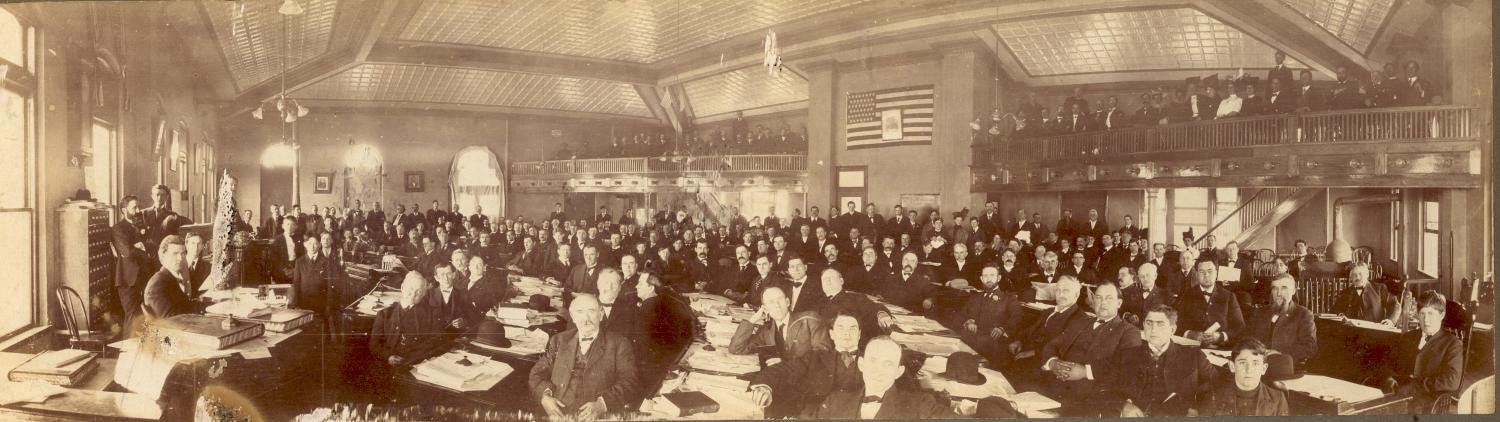
By the time Oklahoma joined the Union, the Tuesday tradition was more than sixty years old. Oklahoma’s first statewide election, on September 17, 1907, was the day voters approved the state constitution and elected the first slate of state officials. That date was chosen because September 17 is the anniversary of the signing of the U.S. Constitution in 1787. It also happened to fall on a Tuesday.
Two months later, Theodore Roosevelt signed the proclamation making Oklahoma the 46th state. The next year, on Tuesday, November 3, 1908, Oklahomans cast their first ballots for President of the United States. From the very beginning, we voted on Tuesdays.
The reasons Congress picked Tuesday in 1845 are mostly gone. The Sabbath schedule. The wagon ride. The market day. Less than two percent of Americans farm for a living now. The rest of us work jobs that don’t pause for harvest, and a lot of those jobs don’t pause for voting either.
That’s why the conversation about Election Day keeps coming up.
Some states have already moved. According to the Movement Advancement Project, fourteen states currently treat Election Day as a public holiday in some form, and another seventeen require employers to give workers paid time off to vote. Most democracies around the world either vote on a weekend or treat Election Day as a holiday. Here in the U.S., bills to make Election Day a federal holiday have been introduced in Congress for decades by members of both parties, including Democrat John Conyers and Republican Brian Fitzpatrick. None has passed.
Oklahoma hasn’t made Election Day a state holiday, but state law does help. Title 26, Section 7-101 gives registered voters up to two hours of paid time off to vote on Election Day or during in-person early voting, as long as the employee gives the employer three days notice. Polls are open from 7 a.m. to 7 p.m. across all seventy-seven counties. In-person early voting runs Wednesday, Thursday, Friday, and Saturday before Election Day. Absentee ballots are available to anyone who asks, no excuse required.
Here at ThanksForVotingOK, we’d love to see Election Day become a federal holiday. We think a country that takes voting seriously should give its workers the day to do it. Until then, we’ll celebrate every Oklahoman who finds a way to show up. The early voter checking the box on a Saturday morning. The shift worker using their two hours. The retiree who’s been voting in the same precinct for forty years. The eighteen-year-old casting a first ballot.
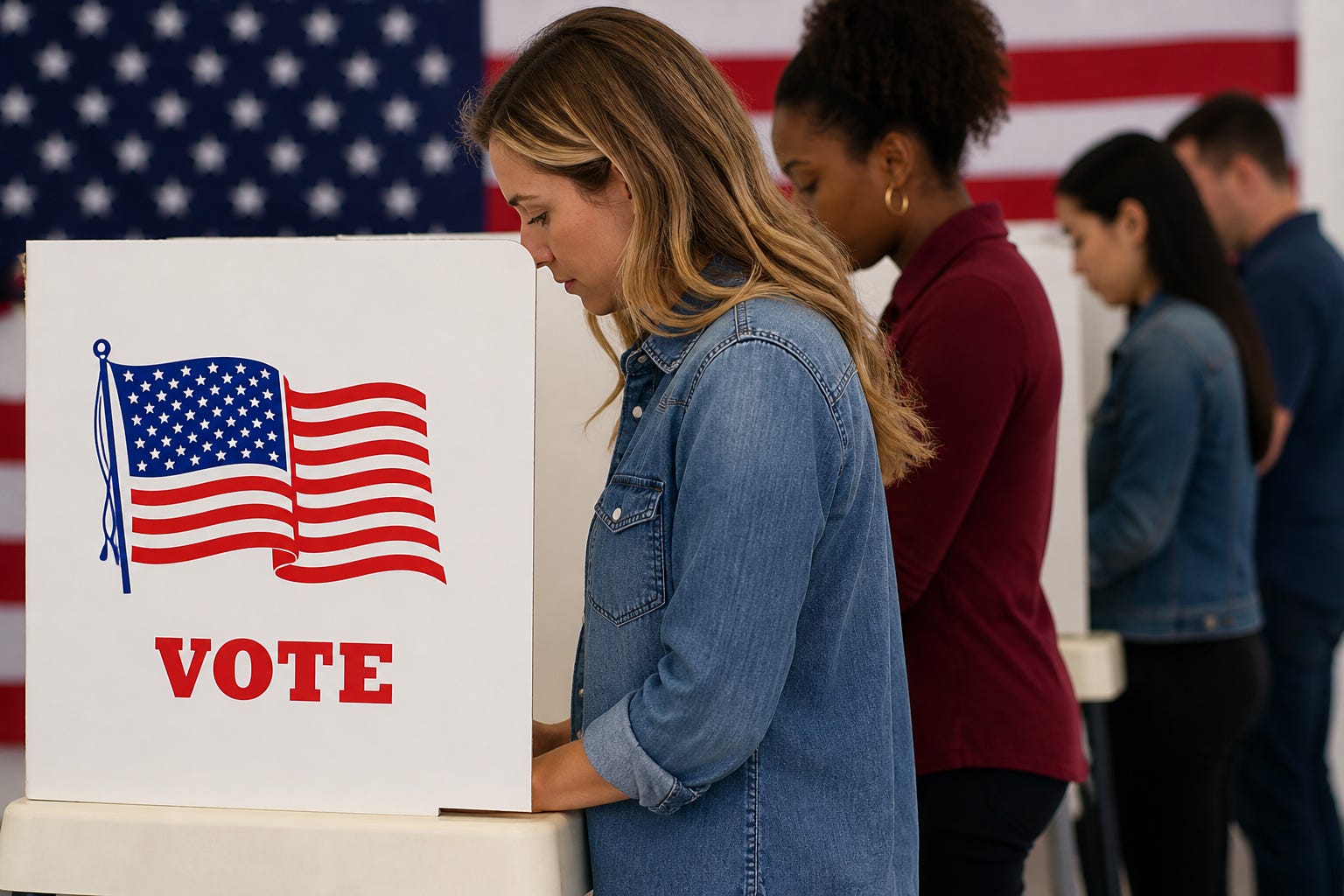
The farmer in 1845 climbed down from his wagon outside a courthouse he’d traveled all day to reach. Oklahomans in 2026 have more ways to vote than any generation before us. The day on the calendar matters less than the fact that we mark it.
So we’ll keep showing up on Tuesdays. We’ll keep showing up on the Saturdays before. We’ll keep mailing in ballots from kitchen tables across the state. And we’ll keep saying thank you to every Oklahoman who votes.
Now you know.
ThanksForVotingOK is a nonpartisan initiative encouraging voter participation across Oklahoma — because democracy works better when more people show up.
Stay Connected With Thanks For Voting OK
Never miss an article in this series. Follow Thanks For Voting OK so you always know what is coming next.
🌐 Web: thanksforvotingok.com
📸 Instagram: instagram.com/thanksforvotingok
🦋 Bluesky: @thanksforvotingok.bsky.social 🎵 TikTok: tiktok.com/@thanksforvotingok 🧵 Threads: threads.com/@thanksforvotingok
No posts
Comments
Nothing yet. Say the first thing.
Sign in to join the conversation.