
It’s complicated. And as a member in good standing of what I’ve always called the “write what you know” school of writing, let me try to tackle this age-old, very cyclical, debate—it just keeps coming around again and again.
Of course “write what you know” has long been among the aspiring writer’s foundational axioms. But for at least the last ten years or so, it’s become increasingly fashionable for some in the literary establishment to question and undermine this writerly convention. I happen to think the rule is misunderstood, largely because there is no real consensus around what it actually means.
One of the problems with debating whether writers should “write what we know” is that there’s no clear definition of the term. What does it mean? What does it entail? How much freedom does it give us?
Here’s my take on the definition question. Does “writing what you know” simply mean we’re limited to writing a memoir? Of course not. Does it mean that everything we write—even fiction—is thinly-veiled autobiography? Absolutely not. Does it mean you can’t possibly write authentically about something you’ve never experienced (so don’t even try)? A resounding no.
I’ve always thought “write what you know” gives writers a much larger creative canvas than these narrow, limiting criteria.
All of what follows is encompassed in my definition of “I write what I know:”
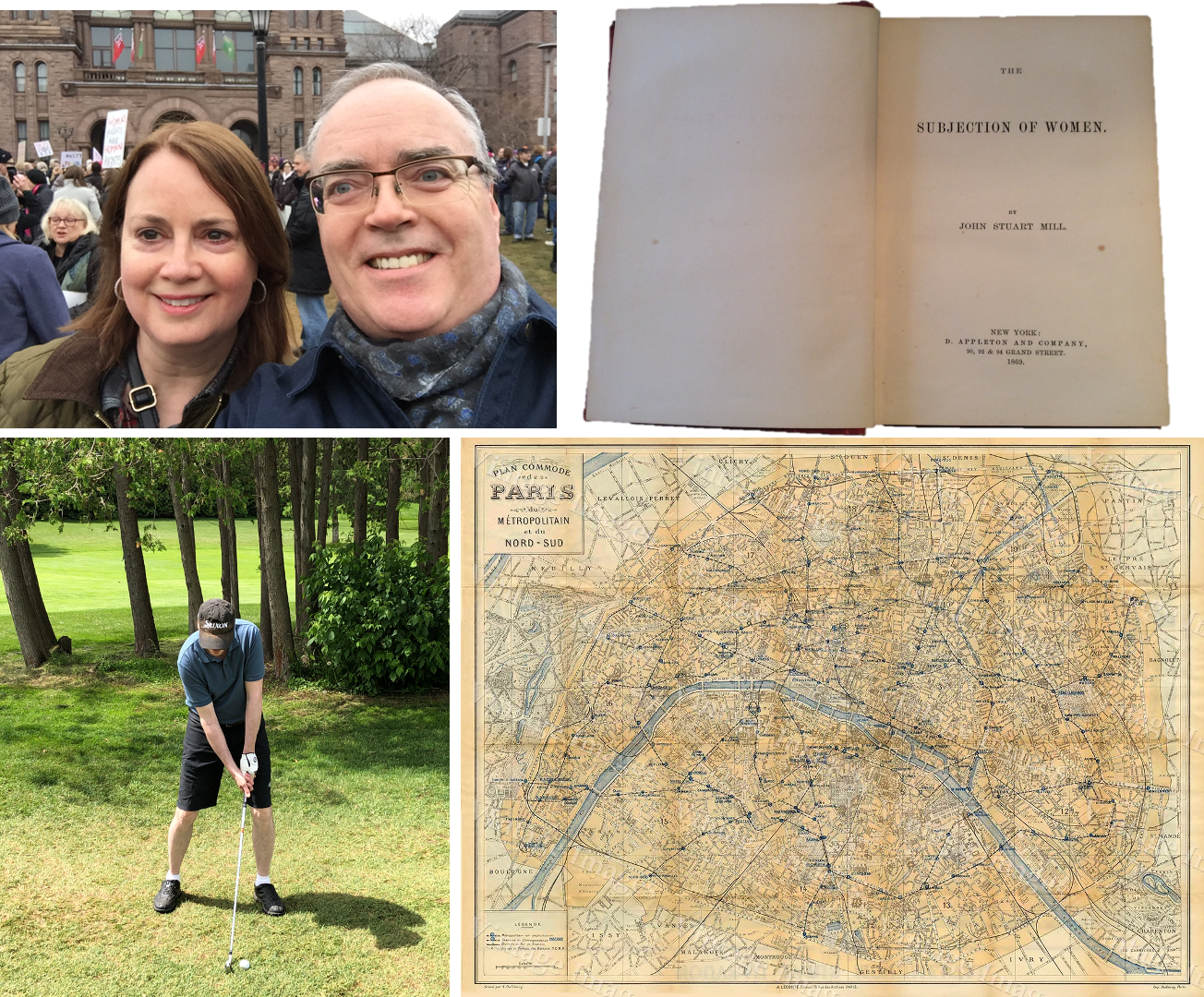
I often give my characters experiences I’ve personally had because I can write them with first-hand authority without it necessarily being autobiographical—e.g. politics and public affairs consulting, building a hovercraft, digital public engagement, being an identical twin, songwriting, ball hockey, fountain pens, and loss.

I often write about ideas, issues, and fields I’m interested in and/or passionate about because I’ve read about them, thought long and hard about them, marched for them, gained a point of view and perspective on them so I can then write about them with knowledge and conviction—e.g. feminism, 1920s Paris, the writing life, the space program, golf, and many others.
I often write novels that are funny because I believe writers should write with their full arsenal. I don’t want to suppress my sense of humour when I’m writing. It’s an important part of me. My sense of humour is also part of my definition of “write what I know.”
To be honest, I sometimes write about what I don’t initially know, but then discover by researching until I’m comfortable enough to persuade the reader that I’m still “writing what I know.” Two examples would be the scenes in Russia in One Brother Shy, and much of The Marionette set in Tajikistan and Mali where I’ve never been. But by the time I wrote the manuscript, I was confident I had entered the “writing what I know” realm. In other words, if you’re “writing what you carefully researched” you’re still in the “writing what you know” ballpark.
To summarize, “writing what I know” means to me writing about worlds I already understand, are fascinated by, and care about, and have researched, even if some of those worlds are recent interests or obsessions. The goal is for the reader to believe or feel that I, as the writer, know what I’m writing about, and am writing from a position of authority, knowledge, and ideally firsthand experience, even when I’m sometimes writing without first-hand experience.
You can revisit my earlier post about how to do this. In short, I use little details that you would definitely know through firsthand experience, but can also acquire through thoughtful research, and just as importantly, sound writerly judgement in how you deploy your newfound knowledge.
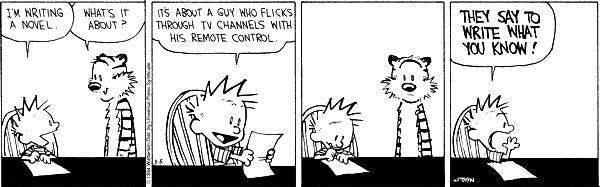
Under my broader definition outlined above, “write what you know” will never be passé. I continue to believe that the easiest way to write authentically, convincingly, and powerfully is to write about ideas, issues, and topics that seize you, that matter to you, that you care about. And if your interest in those ideas, issues, and topics brings with it some personal experiences, you can convey to your readers not just what you know and have learned, but you can also engender within your readers how it actually feels to be obsessed with an idea and to act on it.
I don’t agree with the seemingly popular rejection of “write what you know” by so many writers. (Here’s an interesting piece from LitHub about where writers stand on this question.) I don’t know about you, but I continue to believe that discerning readers can detect an inexperienced writer who has thoroughly researched a topic they didn’t know beforehand, and then paraded everything they learned in the pages of their book in a way that feels forced, disingenuous, and sometimes pedantic. That’s why sound writerly judgment is so important—it allows you to write the second-hand, researched elements of your story in such a way that they still feel real, authentic, and true.
So maybe we need to amend the simplistic rookie writer’s rule from…
Write what you know.
to…
Write what you know.
Write what you care about.
Write what seizes you.
Write what you’re new to but are fascinated by, or obsessed with, and can research before then carefully and thoughtfully writing about it.
Sure, it’s not as pithy and not as easy to commit to memory, but learning to write is not about slogans or commandments. It’s about breaking down something that is difficult to teach and learn, into understandable and useful ideas aspiring writers can consider and perhaps act upon.
In the end, writers strive to write authentically and convincingly and truthfully—Hemingway called it “the true gen.” Surely this goal is more easily achieved when writers have themselves experienced what they’re writing about. But there’s plenty of scope to write about things you haven’t lived, but have researched and read about and thought about and cared about. “Write what you know” cuts a broad swath in my books.
Here’s hoping you’ll subscribe—it’s free, fast, and easy—so you don’t miss any future posts. Many thanks and we’ll see you in two weeks.

No posts
Comments
Nothing yet. Say the first thing.
Sign in to join the conversation.