
by Ted Cleary
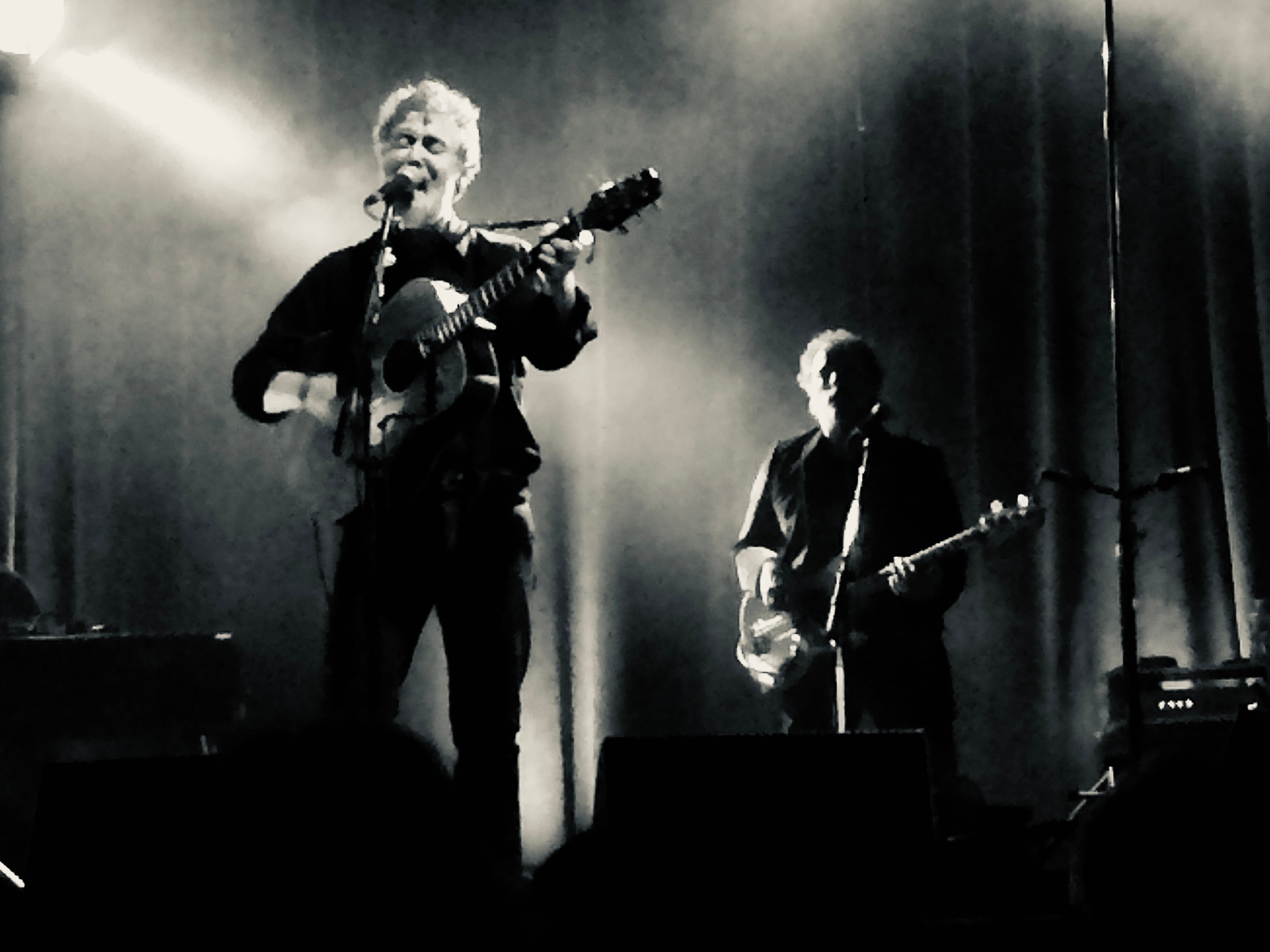
Five mornings ago, on Wednesday the 29th of July, I was startled by a text from Ireland: Glen Hansard, the singer-songwriter, had been killed in a motorcycle crash outside of Dublin. A “single-vehicle” accident, cause unknown, the Gardaí investigating. He was only 56, and leaves behind a widow and a three-year-old son. His wake was today, the funeral tomorrow. 11,000 people attended the wake; the funeral will be even more massive.
Ireland has been shocked—Hansard’s family and friends most of all, naturally—and yet the shockwaves have reached around the world to wherever his fans and listeners are—and that can be anywhere. I am one of those listeners, someone touched by the songs and the live performances—I saw him in concert three times—and so have experienced his music as a member of the public, that large, mostly anonymous group for whom a touring musician plays.
There are many fine singers and songwriters out there, but to my ears anyway, vanishingly few with Hansard’s depth, skill, and apparent sincerity. He wrote beautiful songs, could play them brilliantly, and importantly, very much appeared to mean them. He seemed about as real and authentic as can be in the glittery make-believe world of show biz.
Although he could be witty and charming and had certainly succeeded in a “glamour profession,” he didn’t hide himself behind multiple masks of cool and haughty irony. In his songs, he “risked something that mattered,” as sang Tom Waits, another songwriter who gets to the heart of the matter.
Not born amidst a tinkle of silver spoons, Hansard started out as a teenager busking on the streets of Dublin. Although he left school early, one teacher had spotted his talent and invited him to master a whole bunch of classic songs in lieu of regular homework, which probably wasn’t going to happen anyway. (Hats off to that teacher.)
That Hansard “made it” from a city (and nation) of superabundant artistic talent proves both his ability and perseverance—it’s far more common for musicians to give up, get trapped (in drink, say), or commit to some other life (family, career)—because Lord knows there are far easier ways to make a living than as an artist or musician. (Nothing is easy, but those vocations are notoriously hard.)
Listening to his songs, I suspect that part of what got him through—and part of his appeal to many listeners—was an essential, authentic hopefulness. I’m not talking about a Pollyanna hopefulness, or a glib, rosy-red-glasses “everything is wonderful”—no one wants to hear that kind of fluff—but a conviction born of surviving the bite of the black dog. Of enduring enough bleak nights so that when he sings about “getting through” to the dawn, we believe he knows what he’s talking about. The classic metaphor of the dawn is no cliché to anyone who has suffered the terrors of the night.
Text within this block will maintain its original spacing when published
When the birds are just tuning up still
And the dawn breaks on your windowsill
And when you’re ready for her mercy
And you’re worthy it will come. (“Her Mercy”)

While he released about a dozen albums and well over a hundred original songs, the most popular ones on streaming sites tend to be those circling around heartbreak and hope. It’s very hard to pull off “vulnerable,” but Hansard could do it; his sweetness was not saccharine. Sincerity is no guarantee a good song—mishandled, or sung poorly, it will swiftly destroy one. A half-inch the wrong way, and a song can drop off into the unlistenable—but he kept his birds on the wire.
His popular songs often start out quietly in a tender strumming sorrow and build to a more positive, defiant, and even exuberant climax (or climaxes). Hansard follows this pattern so often that it’s become something of a trademark style, but what keeps that movement from tipping into trite mannerism are two things: his very compelling vocal delivery and the power of that emotive arc that is so deeply ingrained—beyond old, beyond ancient—at the very core of human expression.
His tension-climax-release structure is classic—practically Aristotelian—and it perhaps it was Hansard’s go-to form because that cathartic structure perpetually called out to him.
Good artists are usually called to create not just “anything,” not just generic or fashionable ráiméis, but works of very particular, personal importance. Up to perhaps eighty times, Paul Cezanne painted Mont Saint Victoire, the striking massif in Aix-en-Provence—because he never could get enough of it. The number of sketches must be almost uncountable. The mountain was the recurrent motif of his life. He kept going back to it, painting it from different vantage points, never quite resolving its mystery. (Indeed, we can say he died painting it—he caught his death of cold out in the rain.) The rocky formation rises from the plains of Provence, peaks, and subsides back into its limestone and tree-dark mysteries.
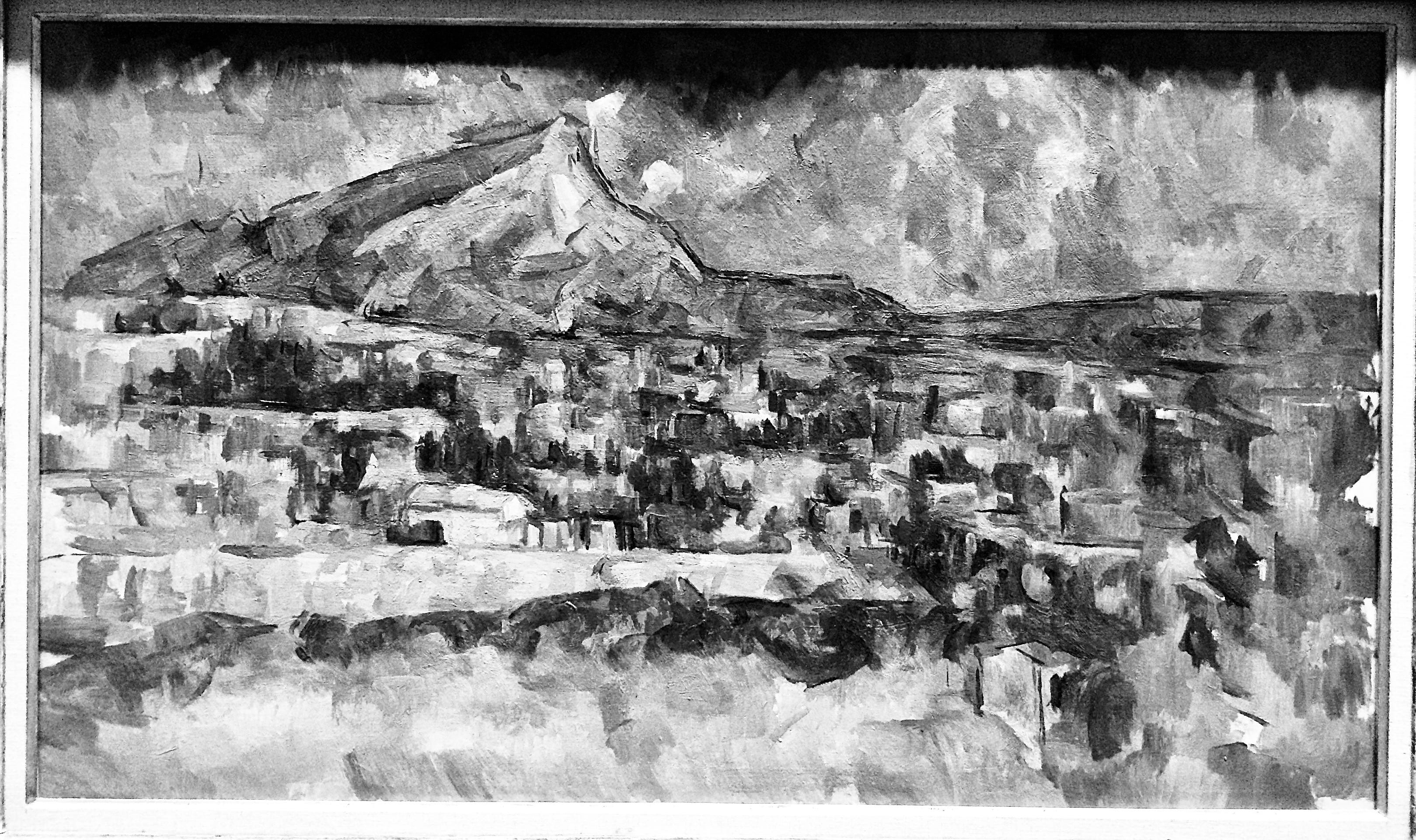
Artists have their obsessions, their deepest reservoirs of feeling, their aquifers that never run dry. They will venture out and make other things, too, of course—go out explore the badlands—but often enough they return to the well, and when that well is deep enough, the art that flows from it is almost always new and spiritually refreshing. To have made an old thing new is the mark of an instant classic.
Artists don’t come back to favorite motifs because they have no other ideas—but because they are chosen vessels for that Idea. Hansard sang of other themes, too, of course, but he kept returning to the fertile themes of desolation and redemption.
Text within this block will maintain its original spacing when published
And may the sign of the southern cross
Be some comfort to you when you’re lost
And may the devil’s evil eye
Pass you by. (“Winning Streak”)
Hansard was a tremendous and charismatic live performer. I’ve seen many hundreds of shows large and small, and have played in bands myself, and Glen Hansard was one of the very best I’ve ever seen at electrifying a room, a theater—and doing so without bombast, pyrotechnics, and giant dizzying screens. He could pull it off with his naked voice (no autotune for Glen) and a loyal acoustic guitar he’d strummed so vigorously that he’d worn holes into the front of it.
He had great vocal expression and range, from close-on-the-mike intimacy to a ragged roar: Hansard could scream with the best of them—but very few screamers can also bring it down to an intimate whisper with the whole audience leaning in to hear and feel the words—and sometimes these peaks and valleys are all in the same song.
His command of dynamics was masterful. While he could be big and loud with brass and electric guitars, he could also literally unplug and sing without any amplification at all in the same concert. The real Unplugged. (He did this at both the Beacon Theater and the Town Hall, NYC.)
Here is a raw live recording from my phone with plenty of crowd whoops and hollers: “Her Mercy” into “Bird on a Wire.”
0:00
-11:43
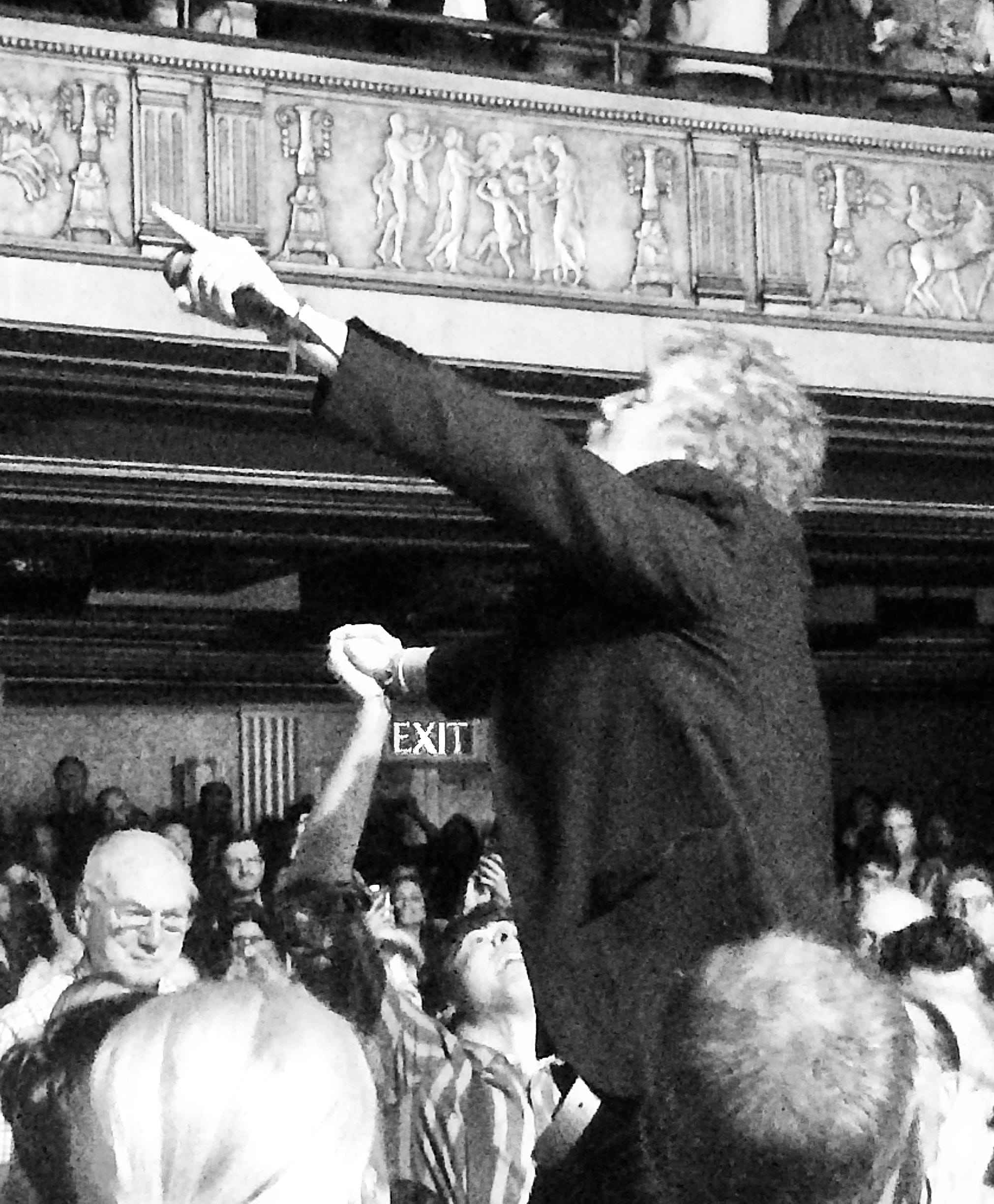
Hansard had serious pipes from busking on Grafton Street, Dublin, and retained an element of street grit in his concerts. Busking also shows up in the films The Commitments and Once—and also in the musical Once, which departs significantly from the movie.
Busking appears to have stayed near the heart of everything—a man and a guitar out singing for whoever will hear him, be touched by him, perhaps throw him a little reciprocal energy in the form of bills or coins; and then, years later, when in some hard place in their lives, they might perhaps recall some glimmer of a promised dawn and hang in there until it comes. As he sang himself, we all need something to hold on to—and sometimes that’s a prayer or image or scrap of song.
By all accounts, Hansard was a generous man—with his time, with his message, and with exposure to the spotlight. In the three shows I saw, he’d invited—sometimes at the last minute—a little-known solo performer to open for him—giving perhaps a much-needed break to someone needing a boost up from the pubs and street corners—territories he’d worked himself and never forgot. (Indeed, his last bit of live music was an impromptu song or two at the Tuesday night session at the Wren’s Nest pub, Chapelizod, Dublin.)
Glen Hansard died too soon, and leaves behind his wife and child; yet he also leaves a tremendous body of songs (recorded, performable) that will give pleasure and solace to many people alive and not yet born. Because he went deep, and because he meant it—and could illuminate the dark in a fiery sunburst—his music will, I think, last.
In this staying power he will be like other artists who’ve managed to pierce through all the noise and hype of the marketplace with something good and true, like an arrow of healing pulled back and zinged into a sorrowful and sunless heart.
May he rest in peace—and may his winning streak never end.
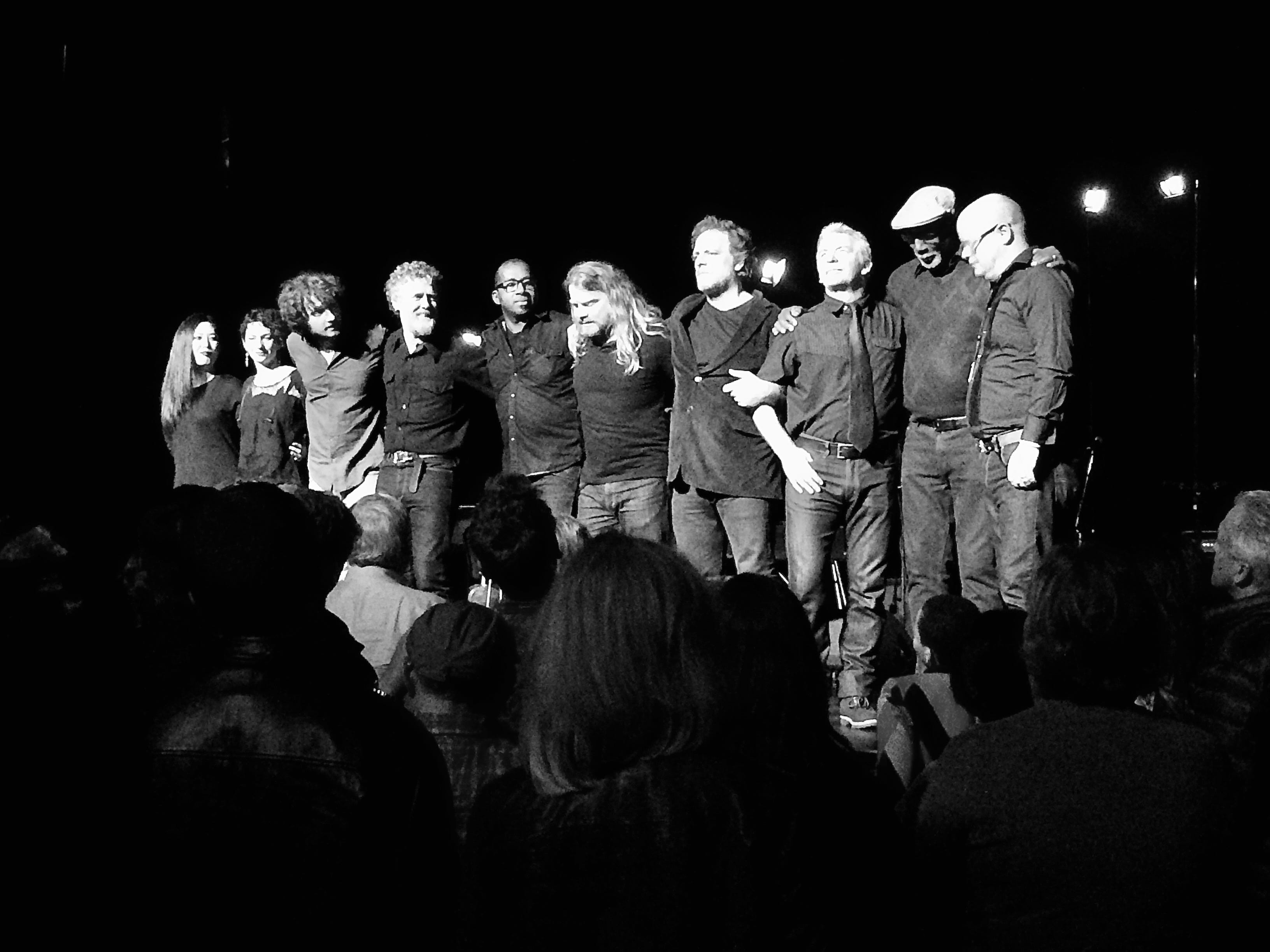
All text and images © 2026 and 2019 Ted Cleary. GH photos and sound recording from the Beacon Theatre, NYC, 1 December 2019. Painting by Paul Cezanne at the Metropolitan Museum of Art. HSG - Home sapiens Guarantee: authored by one human being for another who could do it all with his guitar, voice, and pen.
No posts
Comments
Nothing yet. Say the first thing.
Sign in to join the conversation.