
The GTM conversation is changing quickly.
Across APAC, SEA, ANZ and EMEA, the last seven days point to the same underlying shift: enterprise buyers are becoming less interested in AI as a technology story and more interested in AI as an operating model.
The implications for GTM leaders are significant. Partners and distribution are becoming critical routes to market; AI customer engagement is moving from pilots toward embedded workflows; data governance is becoming a board-level buying trigger; and enterprises are increasingly demanding proof of measurable ROI before scaling.
For CMOs and sales leaders, this means the old “AI-powered” positioning is losing differentiation. The stronger story is now business outcome + architecture + governance + execution.
This week’s brief highlights the moves worth watching — and, more importantly, what they mean for your pipeline, positioning and regional GTM strategy.
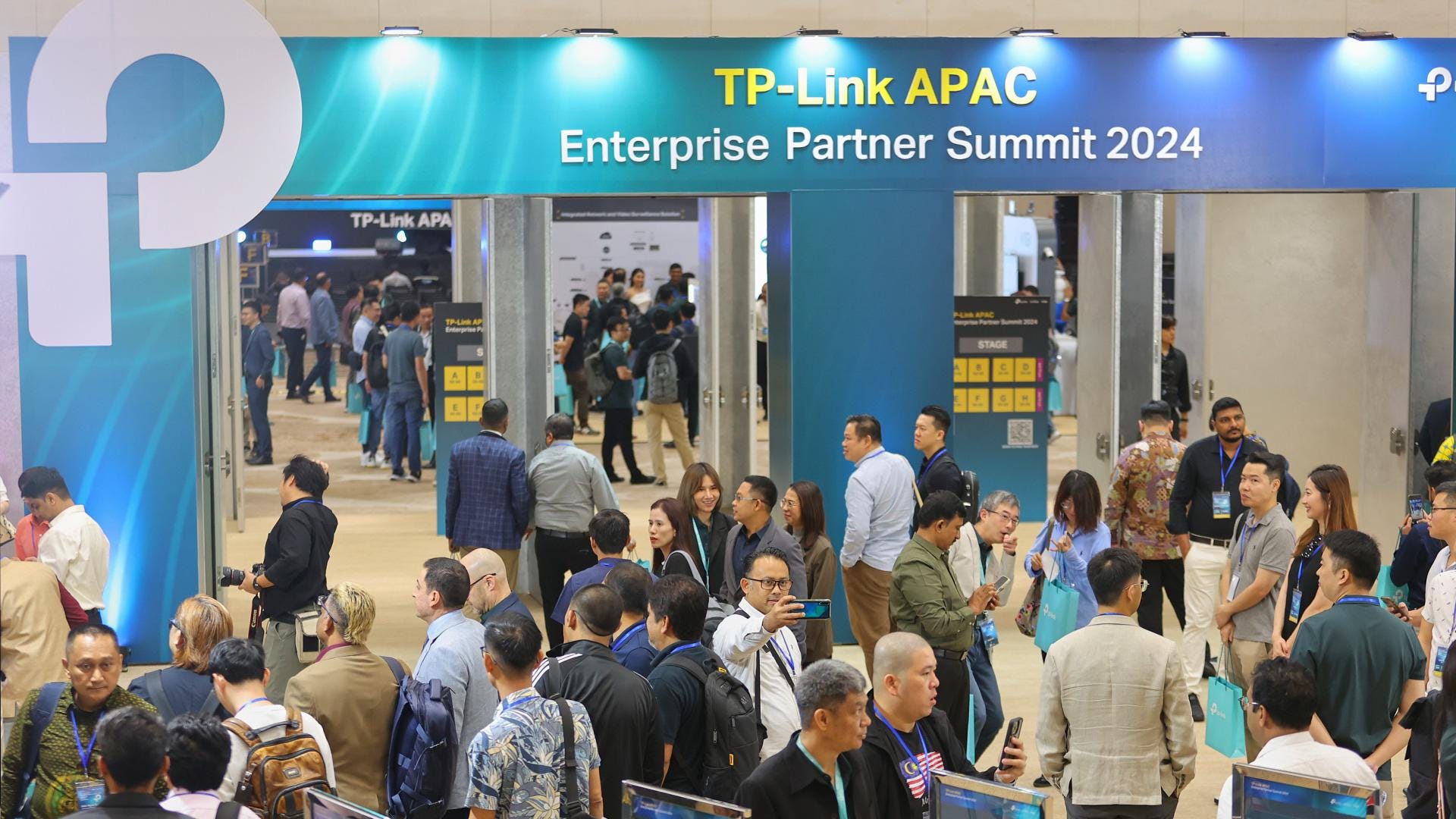
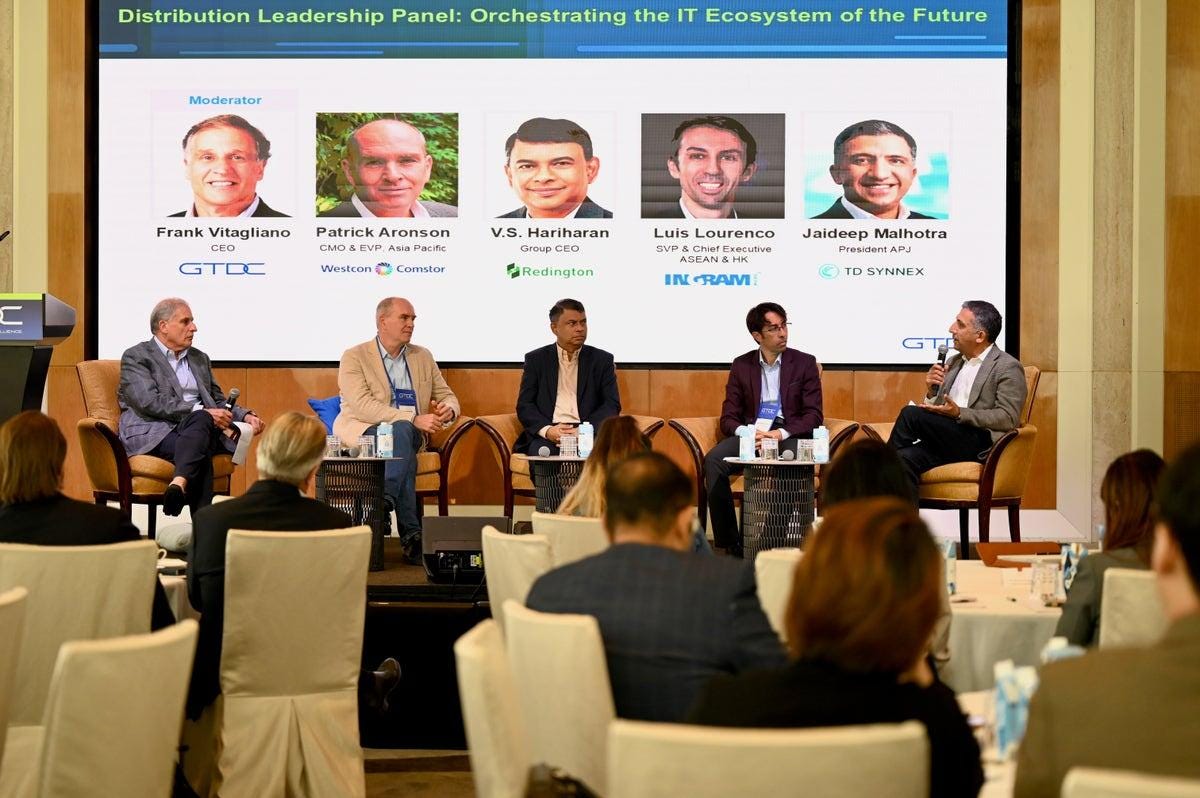
Tech Data announced on August 18 that it is expanding its IBM distribution footprint across Hong Kong, Macau, Malaysia, Indonesia, Cambodia and the Philippines, building on existing IBM practices in Australia, India, Singapore and Vietnam.
The expansion is part of TD SYNNEX’s broader IBM distribution push across 20 new countries spanning APAC, Europe and Latin America. (vietnamnews.vn)
Why GTM leaders should care
This is more than a distribution announcement. It reinforces a larger enterprise-selling trend: regional partners are becoming infrastructure for international expansion.
For vendors entering or scaling across APAC, local partners can provide:
Existing enterprise relationships
Procurement and implementation capabilities
Local market knowledge
Regulatory and compliance familiarity
Faster geographic coverage
GTM takeaway: If your APAC strategy still relies predominantly on direct sales, reassess where a partner-led model could shorten time-to-revenue.
Read the Tech Data / IBM expansion
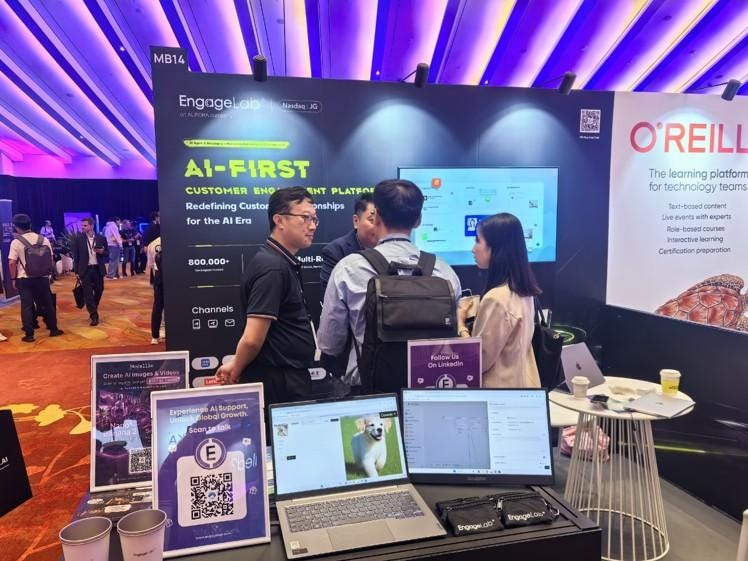
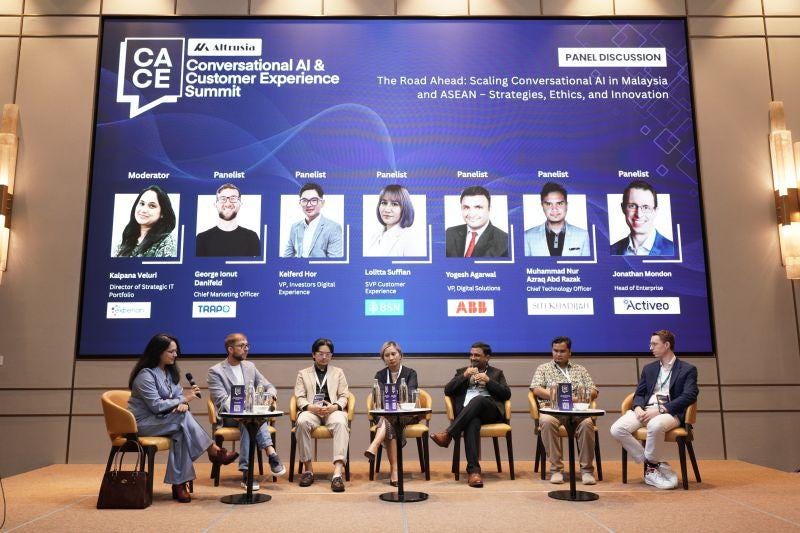
Aurora Mobile and Southeast Asian digital-solutions provider Exabytes signed a three-year MoU to explore AI-driven customer engagement and enterprise AI solutions.
The partnership combines Aurora’s EngageLab customer-engagement platform and GPTBots.ai agent platform with Exabytes’ regional business network. The companies are targeting use cases ranging from localized smart customer service to hybrid AI infrastructure for enterprises and government organizations. (Quiver Quantitative)
The agreement was signed at the Exabytes GROW AI Summit in Kuala Lumpur on August 13, where Aurora’s CEO spoke to more than 500 industry leaders about the “execution bottleneck” facing enterprise AI. (Quiver Quantitative)
SEA’s AI opportunity is increasingly about local distribution + localized use cases + execution capability.
For CMOs:
Don’t sell “AI transformation.” Sell the specific customer journey, workflow or revenue problem AI will transform.
For sales leaders:
Identify regional digital platforms and service providers that already own the customer relationship.
Read the Aurora Mobile–Exabytes story
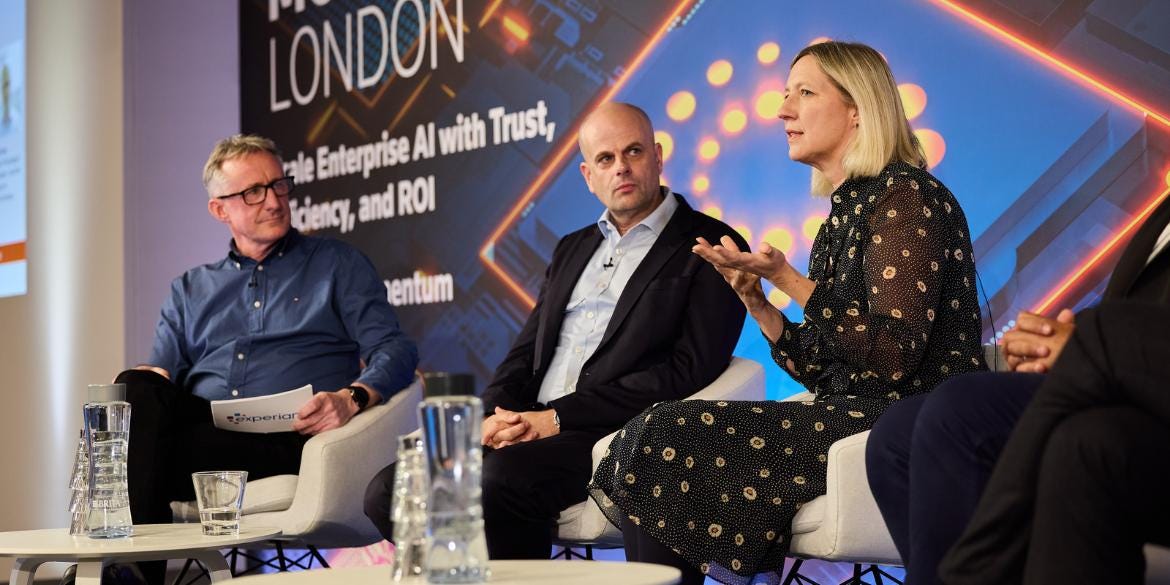
EY is establishing a new AI Value Realization Office to govern AI spending, monitor adoption, determine which initiatives should scale and assess how AI is changing work.
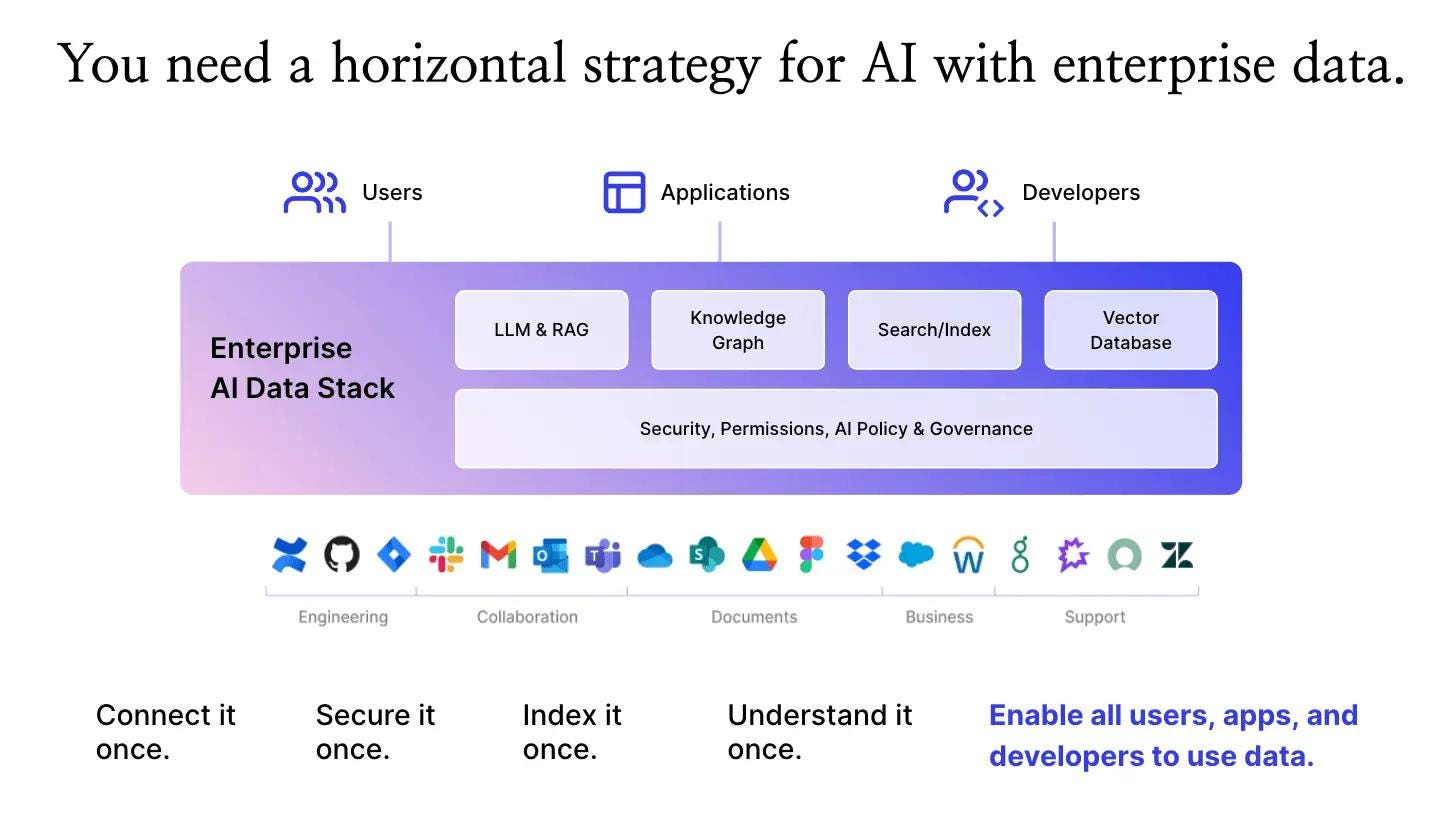
The underlying argument is particularly relevant for enterprise sellers: AI value increasingly cuts across functions rather than sitting inside one department. EY-Parthenon research cited by the company found 75% of potential enterprise AI value comes from horizontal, cross-functional opportunities. (Business Insider)
EY has also implemented an internal AI router that reportedly reduced token consumption by 60%, highlighting the growing importance of AI economics alongside AI adoption. (Business Insider)
The enterprise buyer is increasingly asking:
“What will this cost us at scale, and where exactly will the value appear?”
That changes the sales conversation from:
Feature → AI capability → pilot
to:
Business problem → cross-functional value → economics → governance → scale
If your sales deck doesn’t contain a credible value-realization model, you’re increasingly leaving the most important part of the enterprise conversation to the buyer.
Read the EY AI Value Realization story
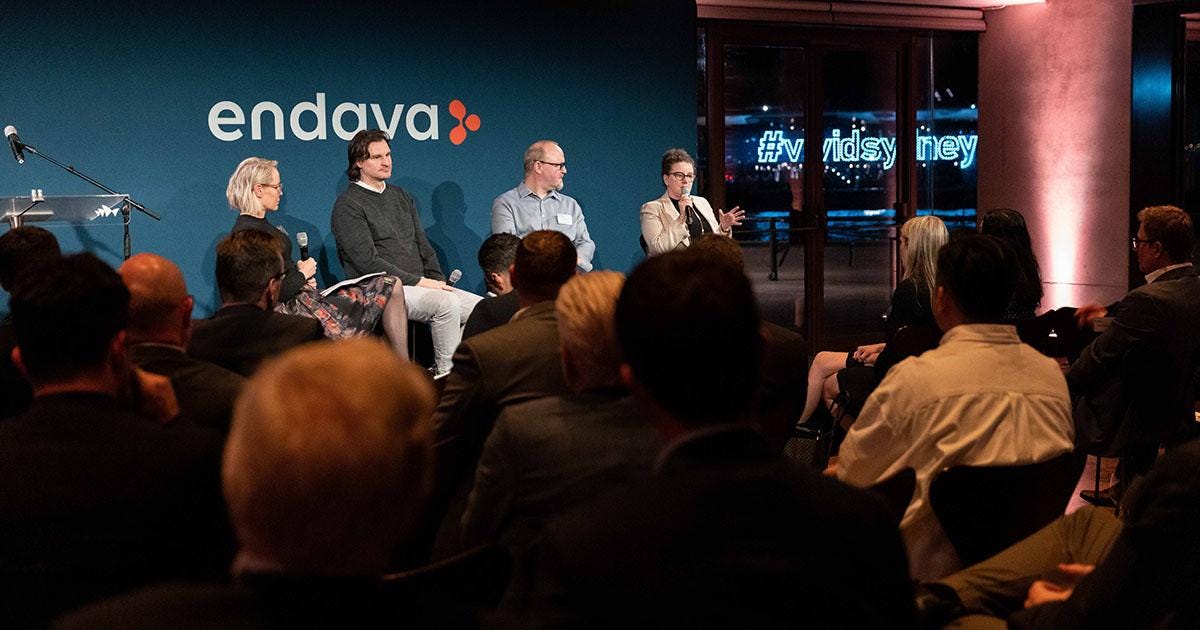
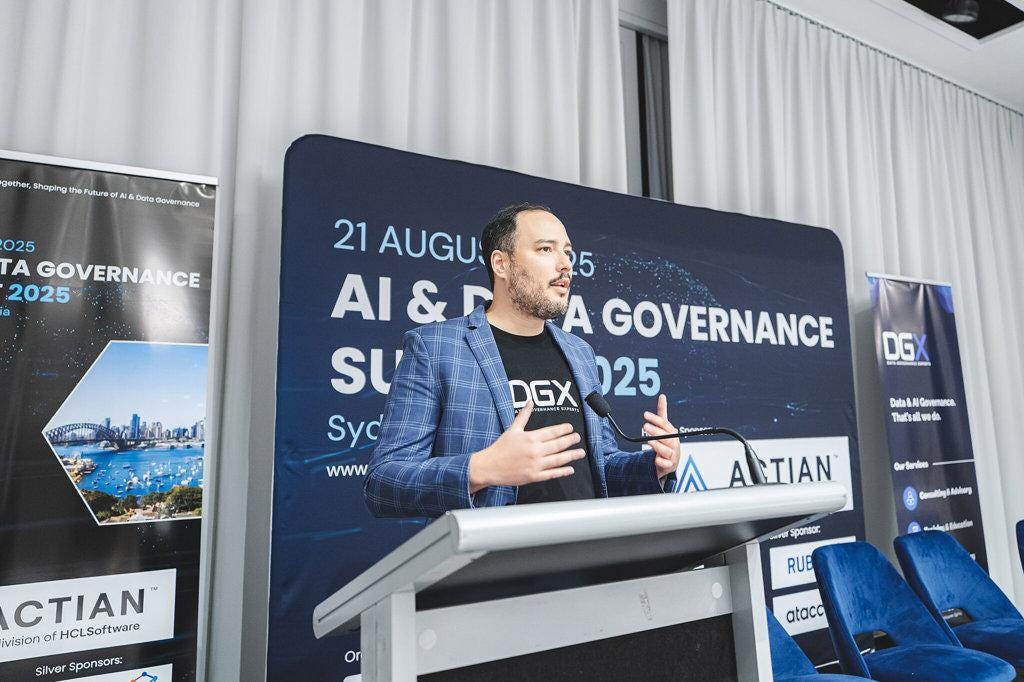
Sydney-headquartered RecordPoint has appointed Christian Lucarelli as Chief Revenue Officer, expanding his remit after he built the company’s global partner program.
The company says regulated organisations are increasingly recognising that AI governance depends on data governance. Lucarelli’s mandate includes scaling the partner ecosystem and expanding the company’s presence in financial services, government and critical infrastructure, particularly in North America and the UK. (SecurityBrief Australia)
The interesting GTM model is explicit:
Platform + partner relationship + implementation capability.
RecordPoint says regulated customers increasingly want partners who can advise on strategy and implementation while the platform provider supplies the technology. (SecurityBrief Australia)
For ANZ technology companies selling globally, partner-led expansion is becoming a force multiplier.
For enterprise sellers generally, governance is no longer simply a compliance objection to overcome. It can be positioned as a business-enablement category that makes AI adoption possible.
Read the RecordPoint CRO appointment
A new Cloudera survey of 1,500 enterprise architects, cloud infrastructure leaders and data architects found that 95% had delayed or cancelled AI initiatives during the past year, citing data governance, compliance or regulatory challenges.
At the same time:
77% are actively using AI
72% say their data architecture needs significant overhaul
84% report higher infrastructure costs from AI
66% have moved AI workloads back from public cloud to private cloud or on-premises
25% plan to prioritise hybrid-first architecture over the next two years (Express Computer)
The research covered markets across APAC and EMEA as well as the Americas, making the signal especially relevant to the regions covered by this brief. (Express Computer)
AI infrastructure is becoming a sales conversation, not just a CTO conversation.
CMOs should be prepared to explain:
Where customer data sits
How AI workloads are governed
Why your architecture is economically viable
How customers can move from pilot to production
How your solution fits hybrid environments
The winning AI vendors may increasingly be the ones that can explain how the customer gets from ambition to production.
Read the Cloudera enterprise AI infrastructure report coverage

Audit your AI messaging: Does it lead with business outcomes rather than AI features?
Build a value-realization story: Show the economic impact at 6, 12 and 24 months.
Map the buying committee: Include CIO, CTO, data, security, finance and business stakeholders.
Revisit partner strategy: Identify regional partners that already own relationships with your target accounts.
Create a governance narrative: Treat security, data and compliance as part of the value proposition.
Review regional localisation: One global message will increasingly struggle across APAC, SEA, ANZ and EMEA.
Stress-test your pilot-to-production story: Buyers are increasingly asking what happens after the PoC.
Track AI infrastructure economics: Token costs, cloud costs, data movement and deployment architecture are becoming sales issues.
Align marketing + sales around one metric: Revenue impact, not AI activity.
“If our buyer’s AI budget is being scrutinised by the CFO, what proof do we give them that scaling our solution creates measurable business value?”
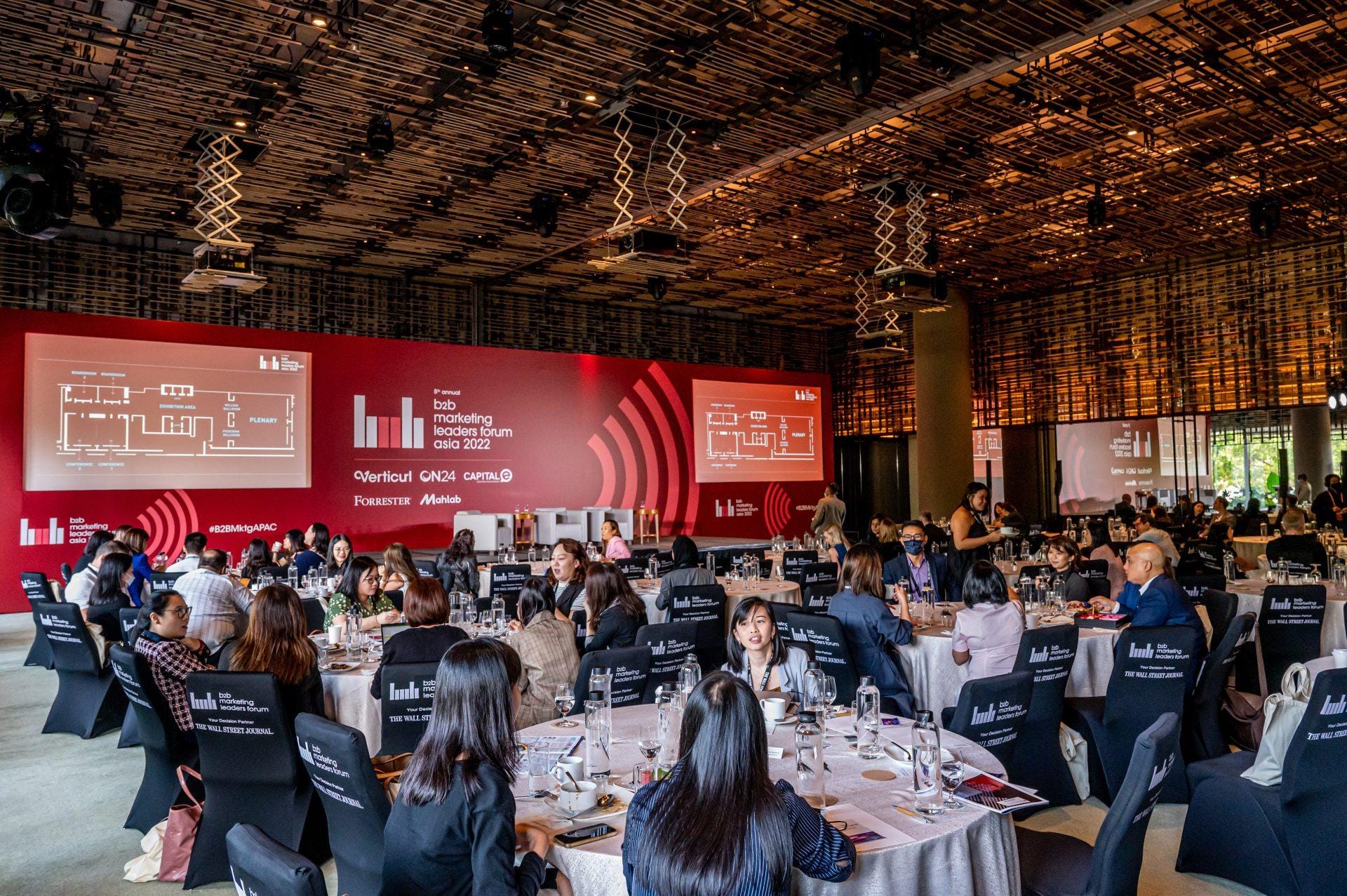
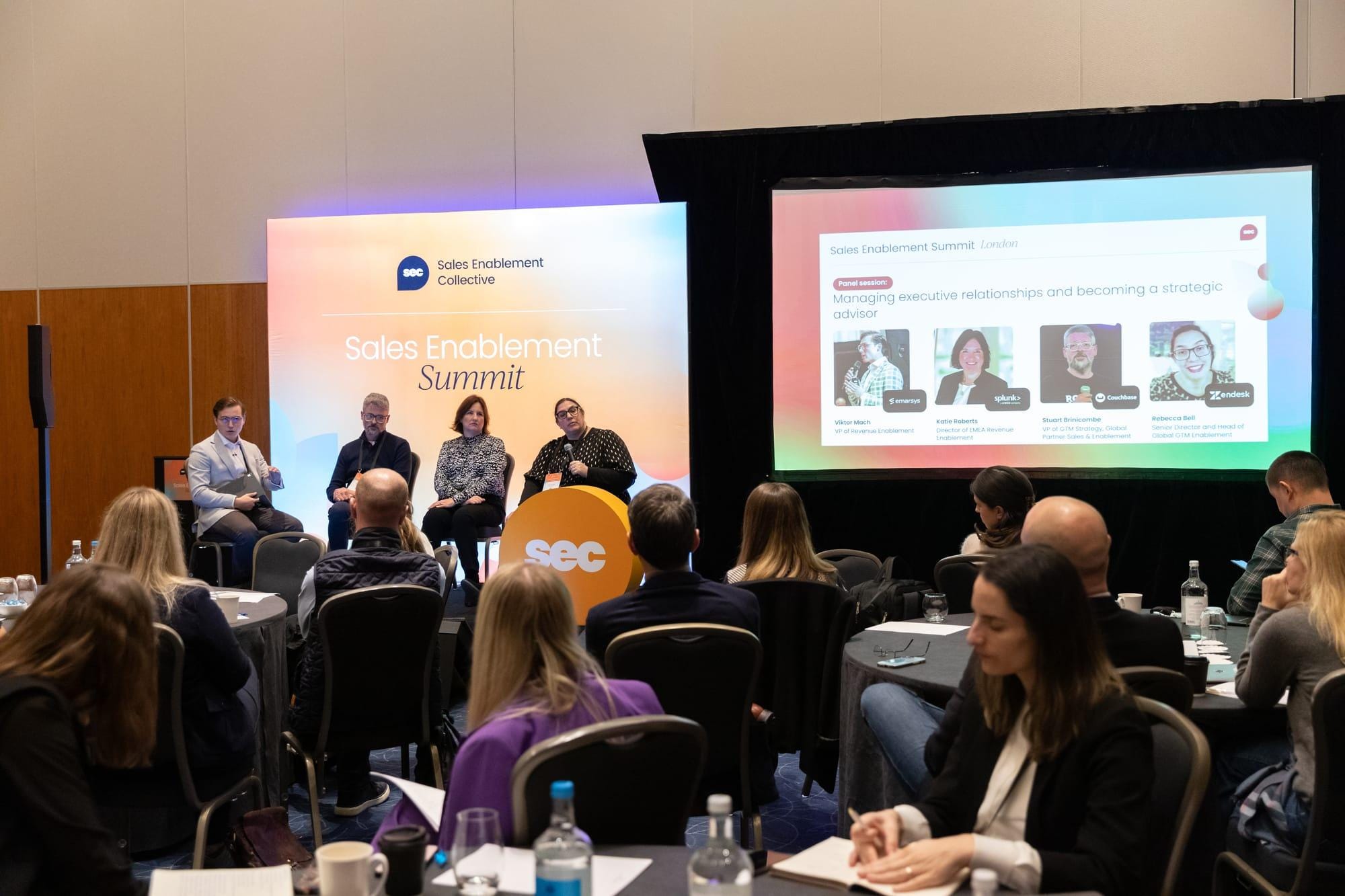
15–16 September 2026 | Sands Expo & Convention Centre
An enterprise-first AI conference focused on moving from experimentation to production. The event expects 1,500+ enterprise leaders, with a strong focus on AI deployment, infrastructure, ROI and enterprise decision-making. (Tech in Asia Conference)
Best for: CEOs, CMOs, CROs, enterprise sales and technology leaders.
14–15 October 2026
A senior B2B marketing gathering focused on profitable growth, pipeline acceleration, AI adoption, brand/performance balance and marketing leadership. The 2026 event is expected to bring together 300+ B2B marketers and 40+ senior marketing leaders. (LinkedIn)
Best for: CMOs, VPs Marketing, Demand Gen, ABM and GTM leaders.
29 October 2026 | Sydney
A revenue-focused event covering AI-powered enablement, coaching, content, cross-functional revenue teams and measuring enablement ROI. Speakers include leaders from Google, Xero, AWS, Klaviyo, Allianz, Splunk, Okta and Adobe. (Sales Enablement World)
Best for: CROs, sales leaders, enablement heads, RevOps and frontline sales leadership.
The big story this week isn’t “AI adoption.” It’s the professionalisation of AI buying.
Enterprise customers are moving toward a world where AI investments need owners, economics, governance, infrastructure and measurable outcomes.
That creates an opportunity for GTM leaders:
Stop selling AI as a technology upgrade. Start selling the operating model that makes AI valuable.
That is where the next wave of enterprise pipeline is likely to be created.
Comments
Nothing yet. Say the first thing.
Sign in to join the conversation.