
So much of being an author should remain invisible—unseen by the public eye.
Most of us write hunched over our laptops or notebooks, grimacing and/or staring off into space as we attempt to wrangle our vivid internal visions onto a flat, expressionless page of paper.
Somehow, eventually, we finish.
At that point our book looks like 90,000 words on a screen. That’s it. Every image that we associate with our story has—until this point—existed solely behind our own eyes.
So it’s no surprise that seeing our book’s cover for the first time can be both an exciting (and sometimes jarring!) moment.
The cover, a visual representation of our entire novel, imagined by someone else, for all to see. Our novel, drawn up from the depths of our subconscious, now exposed to the light.
In that vein, I often get asked by readers whether I “chose my cover.” So here’s an answer, with the aim to illuminate the cover art process for writers who want to be traditionally published.
And since I’ve also worked on the other side of the equation, too—I thought I’d start there.
I was once an editor for a major publisher in Sydney, Australia, but—caveat here—the imprint I worked for was very small, so we all did a bit of everything (it was me, my boss, and two marketers).
For us, the cover art stage began after the book’s editorial schedule was underway, and ideally at least 10 months out from publication. To kick it off, we’d start by scheduling a freelance designer for each book.
Our team’s internal conversations often began with something like: “This designer did a great job with [a similar title], let’s see if they’re available and go from there.”
Then we’d give the designer the brief, with examples of covers we had in mind, and/or images that were central to the narrative.
To write these briefs, we thought about the same questions an author might consider during the cover art stage. Questions like:
What titles are currently doing well in the genre?
What do the covers look like for recent “comp titles” (comparison titles)?
What do we like most about those comparison covers?
What do we want the designer to emphasize for this book? What mood are we going for?
Are there any recurring images in the book we can use?
After that, we waited for the first round of drafts from a designer (we usually got to see 2-3), and then if we liked them, we’d narrow in on the final design.
Many factors depend on whether the author gets a say on their cover—the imprint, the author, the art/marketing teams, the schedule—but one thing is certain: publishers want their authors to be happy (within reason).
Before I wrote my debut adult thriller, Please Enjoy Your Stay, I wrote two young adult novels. For my first YA novel, I didn’t have much influence over the cover. My editor showed it to me after it had been shared with the larger team, and I didn’t end up asking for changes.
In hindsight, I could have been more decisive about what I wanted. Even though I’d worked in publishing before, I’d never been on the author side, and it felt like a whole new experience.
(Key takeaway here: if I were doing it all over again, I would have started by telling my literary agent my thoughts, and going from there.)
But for my second YA book, I had an amazingly collaborative experience. The imprint assigned a freelance illustrator to the project, and he did so many different cover drafts (drafts that my editor generously passed along to me).
The artist, Jack Hughes, has given me permission to share his work before, and here are just a few examples of what I got to see:
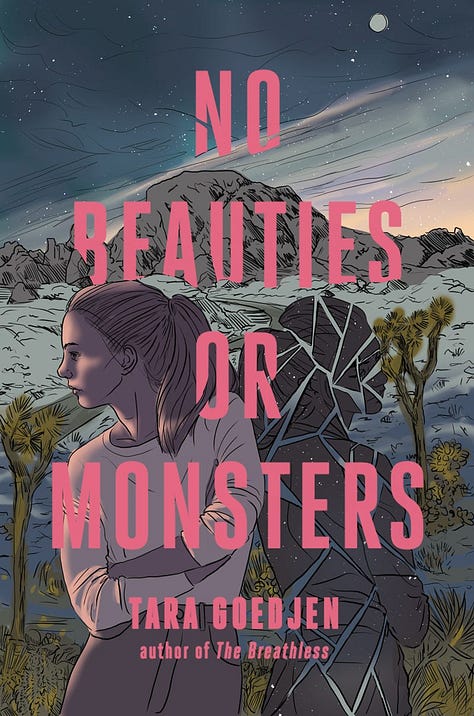
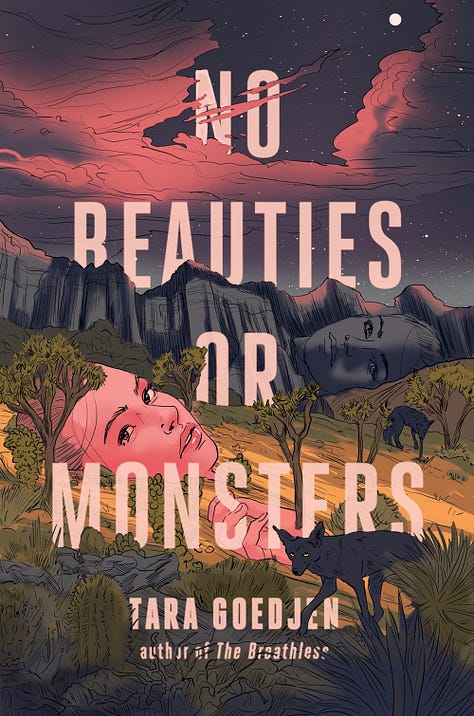
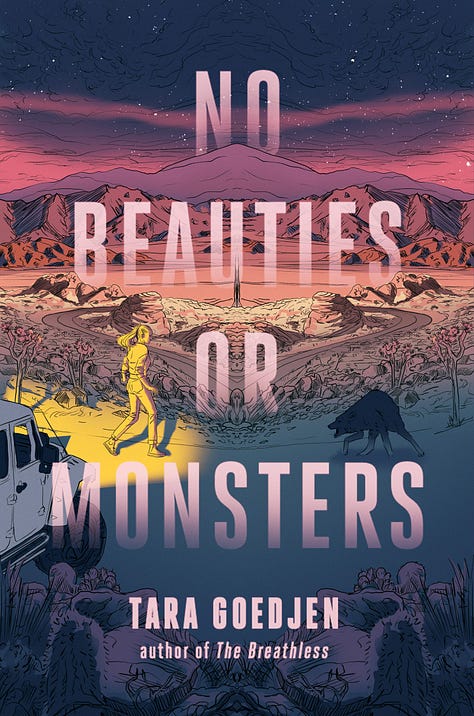
It was an absolute treat to see so many potential covers for this speculative mystery set in the Mojave Desert, and an experience I won’t forget.
After talking with my agent and editor, we decided on the version below. (I love how it makes me want to step into the book.)
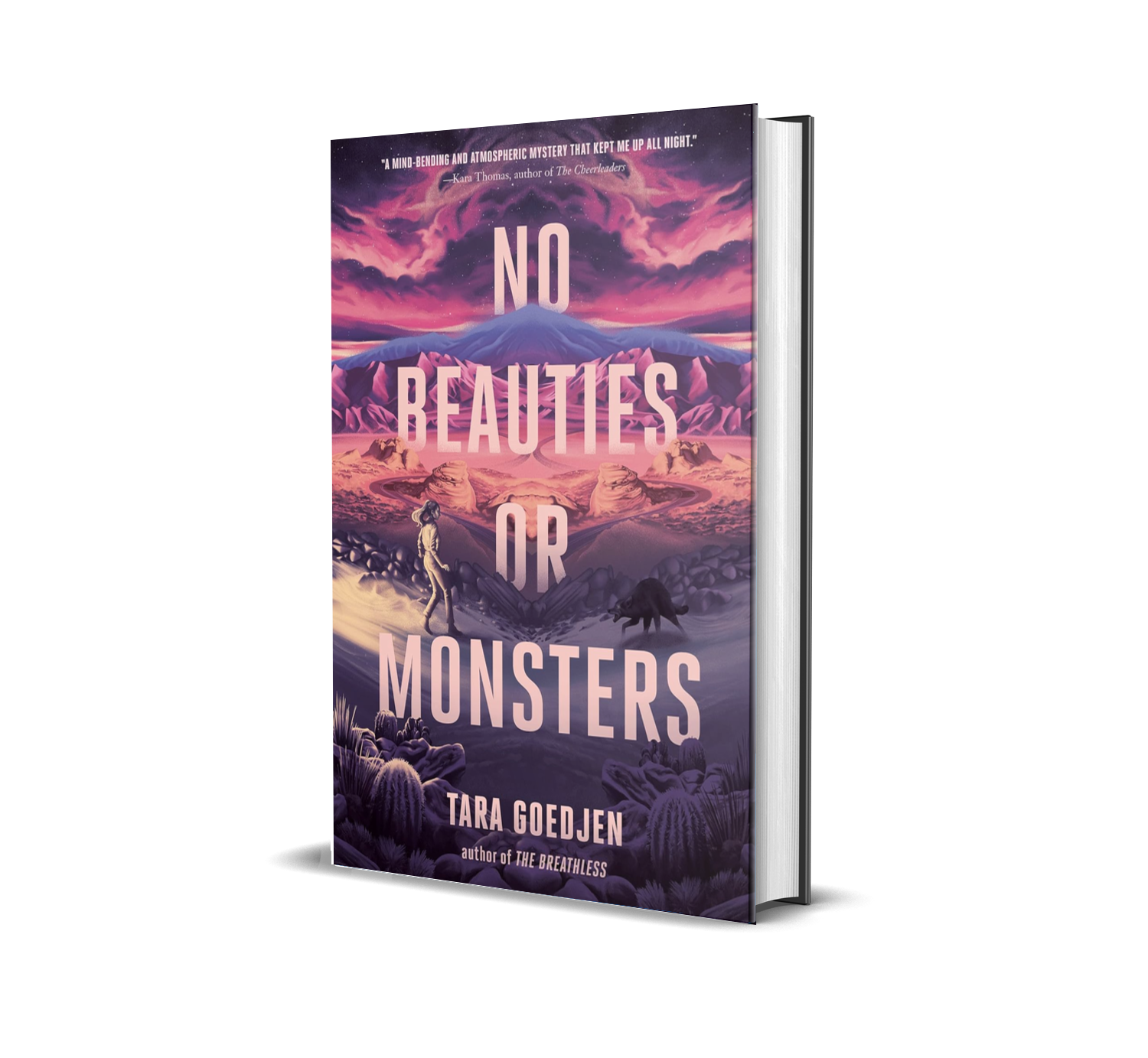
(Also, you can follow Jack Hughes and his work over on Instagram. If you’re looking for a freelance designer, I highly recommend working with him.)
I put everything into writing Please Enjoy Your Stay, all of my loves, my fears, my obsessions, my questions about life and what happens after.
And the setting, a remote castle-turned-hotel, was inspired by the first time I left the U.S. That one trip forever changed me. It opened my mind, gave me a new perspective, showed me a world that I’d never imagined.
(Isn’t that why we love to read books, too?)
At any rate, I’m absolutely blown away by this final cover from Atria. The fog, the single light in the window, the key… The sense that the unseen, the unknown, is right around the corner, waiting to be revealed.
Overall, it’s so atmospheric, and perfectly encapsulates the pitch:
After a true crime podcast reopens her cousin’s murder case, a woman must confront her past at a glamorous European castle-turned-hotel where she follows a trail of toxic family secrets and deadly lies in this Gothic-tinged thriller perfect for readers of Lucy Foley and Ruth Ware.
You can read more about Please Enjoy Your Stay over at People.com, and it’s currently available to preorder at all the places. I’m so excited for everyone to (metaphorically) step through the hotel doors this October!
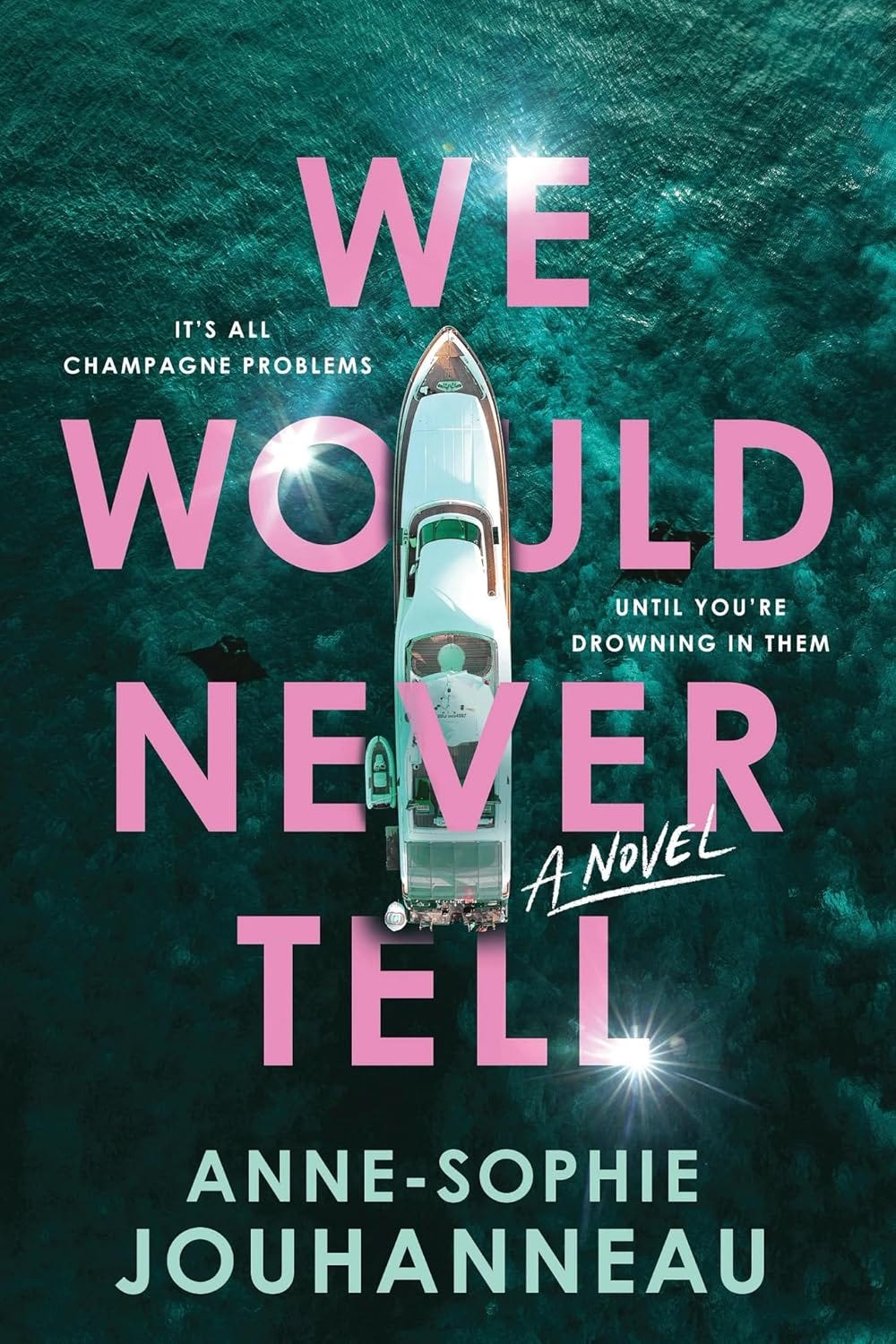
We Would Never Tell is the next thriller by Anne-Sophie Jouhanneau, and I’m having so much fun reading the ARC (advanced review copy) right now. It’s fun, and glamorous, and suspenseful, and set at the Cannes Film Festival, and I can’t get enough of it!
How’s this tagline?
Gowns. Champagne. Murder.
Hollywood, but make it French…
Enough, said, yes? This one’s out April 14th, so don’t miss it! (And in my mind, this gorgeous cover also embodies the mood and themes of the novel so well.)
This interview with cover designer Cassie Vu, featured on author Stacey Yu’s newsletter, BLUE HOUR, is so interesting and thorough.
For more nuance, publicist and author Jeffrey Yamaguchi has written about how an author’s cover, and any imagery/visual assets, feed into the overall life of a book. (Over here at BOOK PUBLISHING BRICK BY BRICK.)
Please let me know in the comments, or by hitting reply, and many thanks for finding your way to Creative Coordinates. <3
No posts
Comments
Nothing yet. Say the first thing.
Sign in to join the conversation.