
The early-stage venture has shifted. Fundraising cycles are longer. IPO windows remain shut. Yet, behind the headlines, something important is happening: VC-backed companies are becoming the buyers.
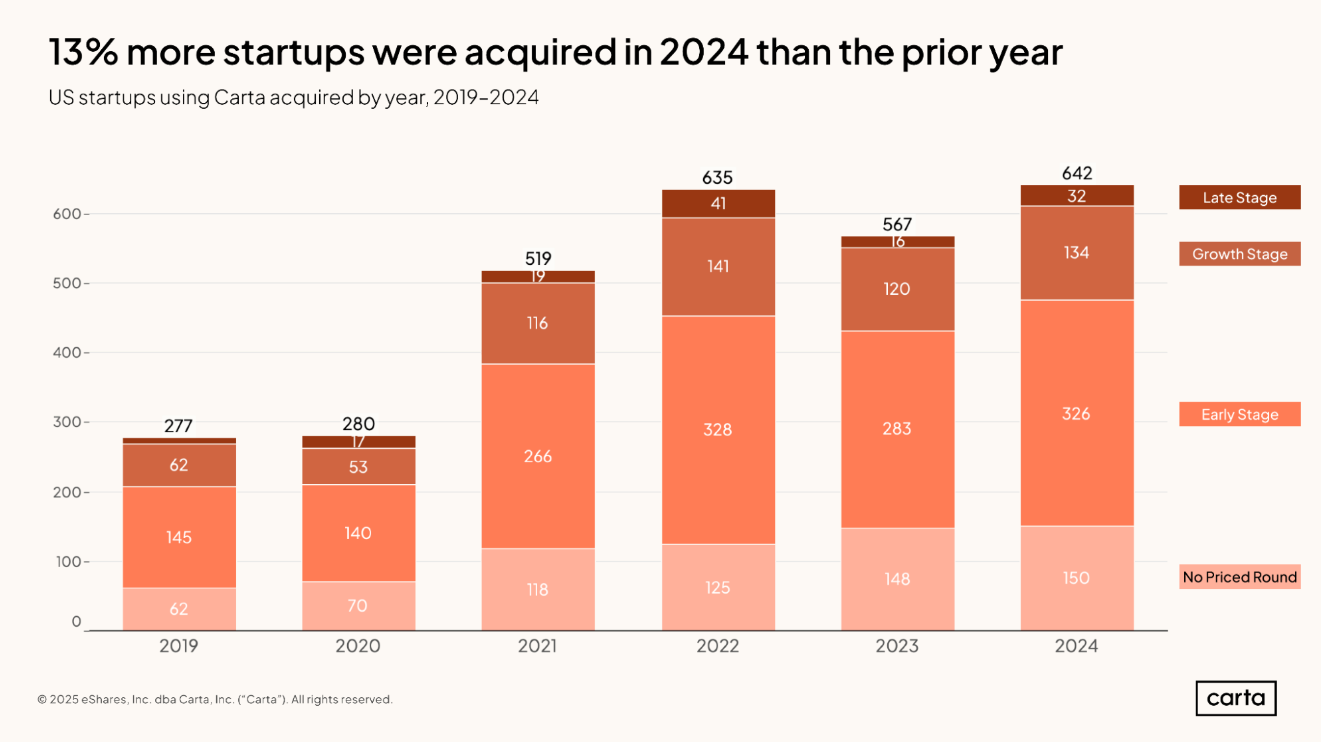
In 2024, 50% of all acquisitions involved companies at the seed or Series A stage (Carta)1. In a significant change, one-third of those deals were led by other VC-backed companies (Pitchbook)2. The acquirers are no longer just Big Tech. They’re startups with capital looking to consolidate and scale.
Why This Matters
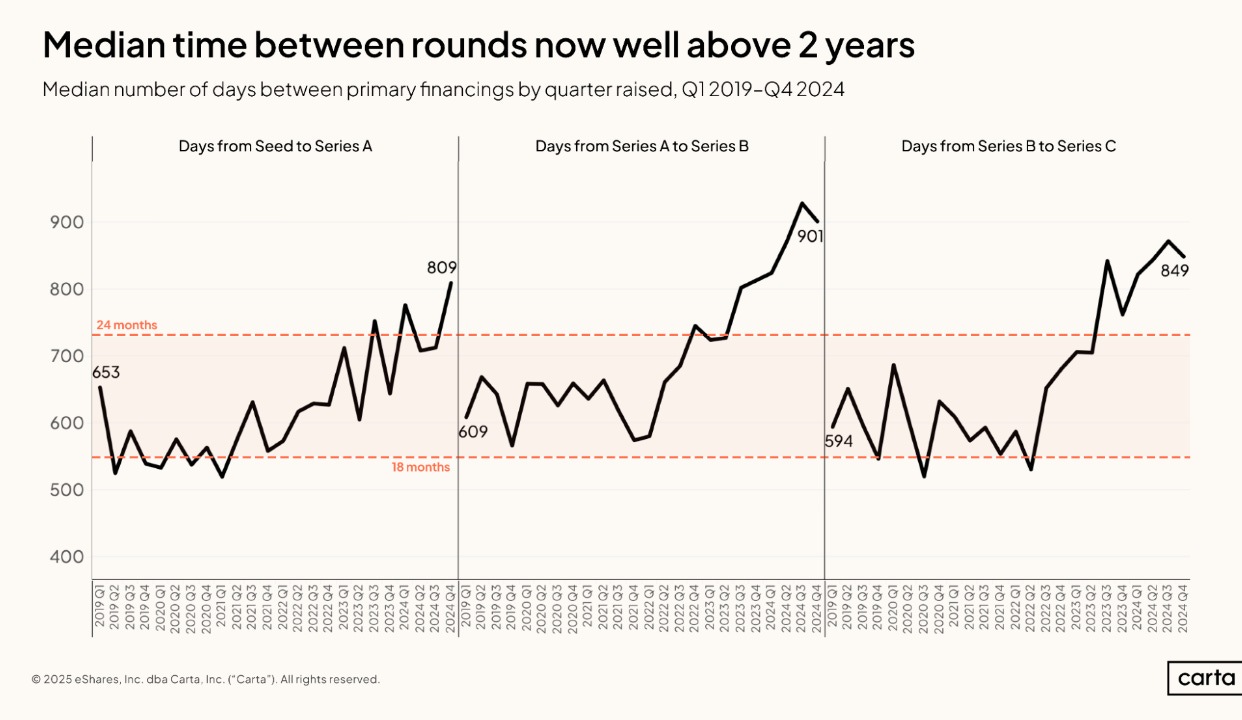
Fundraising is taking longer. The median time between Seed and Series A reached 809 days in 2024—up nearly half a year from 2019. Companies are staying private longer and raising more capital, but with limited exits, many are turning to M&A as a growth path.
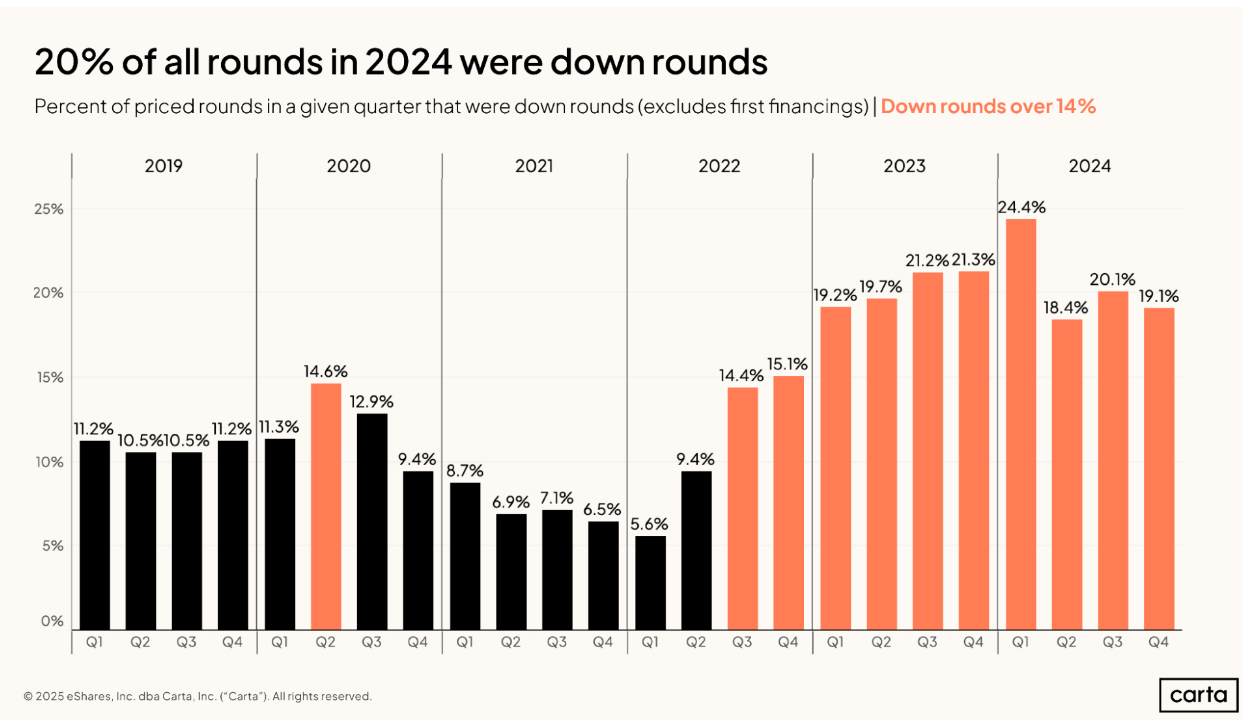
At the same time, the cost of capital is high, and valuations are down. These two forces create a market where strategic buyers—especially those who understand execution—can move quickly and gain an edge.
The Case for Special Situations
Special situations are not just distressed. They are high potential businesses caught between phases—good products with unclear paths forward, strong teams constrained by capital, or companies with structural issues that can be solved.
They require judgment. But when done well, these deals offer leverage:
• The ability to acquire at attractive valuations
• The opportunity to scale faster with fewer unknowns
• A path to consolidate markets while others pause
These are not traditional venture bets. They require operational thinking and a platform mindset. But they are increasingly common—and increasingly attractive.
Databricks as a Case Study
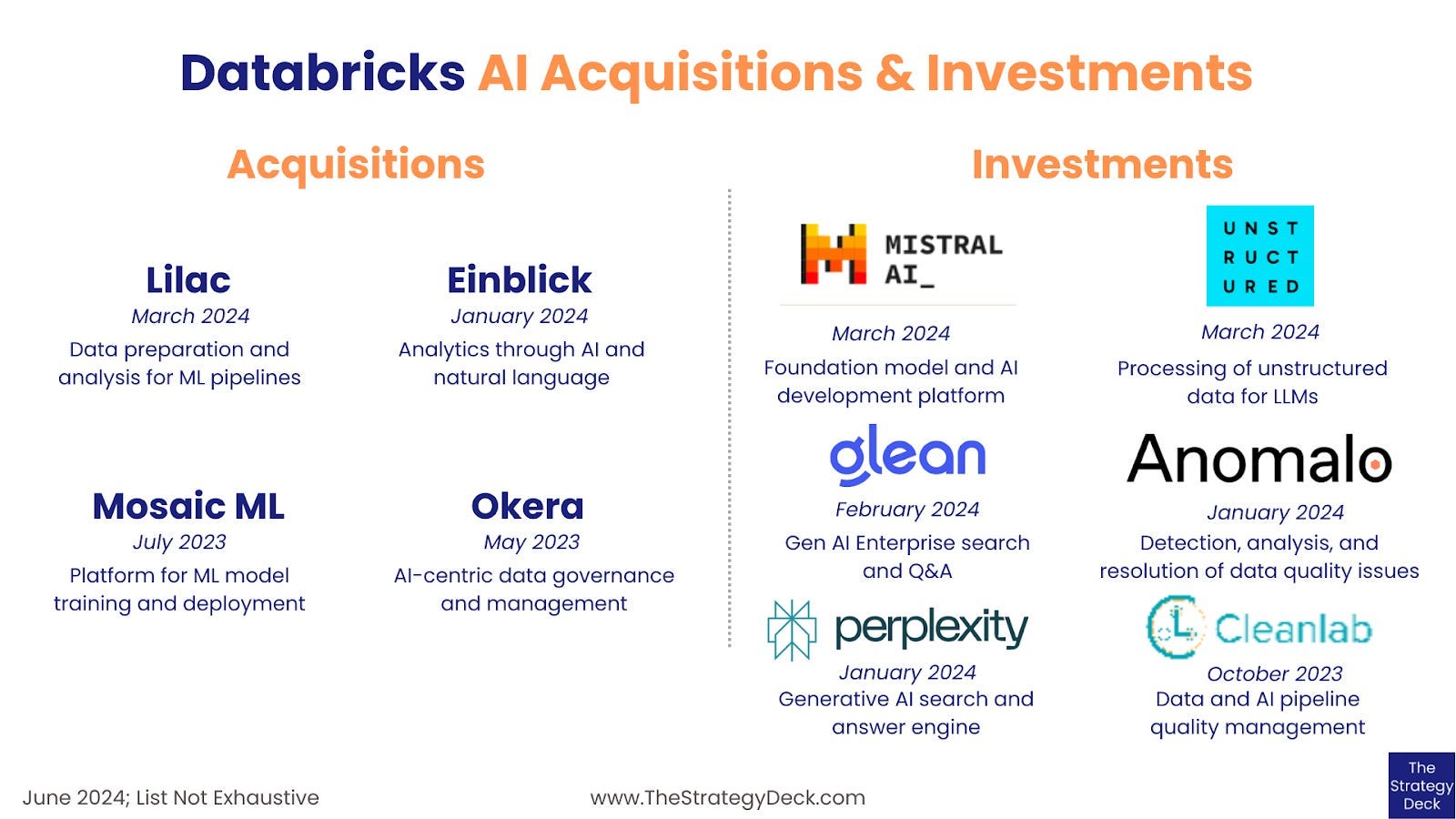
Databricks has been one of the most active acquirers among late-stage startups.
Since 2022:
• 11 acquisitions
• $14B+ raised
• $62B valuation
Rather than wait for public markets to reopen, they built through M&A—expanding their platform by acquiring smaller AI, data, and ML startups. These deals weren’t flashy, but they added real capabilities and reinforced their market position—credit to Alex Irina Sandu3 who put together a highlight of their strategy below.
The Road Ahead
In this market, founders face a choice: grow through acquisition, exit early, or hold steady and hope conditions improve. Each path has risk. But acquisition, when timed and executed well, is proving to be a practical way forward.
For those with capital, now is the time to buy.
For those without, it may be time to consider your strategic options
This is at the heart of what we’re building at Pioneer1890: empowering founders and investors to navigate special situations with clarity, speed, and conviction—so that critical, hard-fought innovation isn’t lost to market turbulence.
Credit to Kyle Stanford, CAIA at PitchBook, Peter Walker, Michael Young, PhD, and Kevin Dowd at Carta for their data and insights that informed this piece.
Sandu, Alex. “Databricks AI: Business and Product Strategy.” Alex Sandu on AI (Substack), February 27, 2024.
No posts
Comments
Nothing yet. Say the first thing.
Sign in to join the conversation.