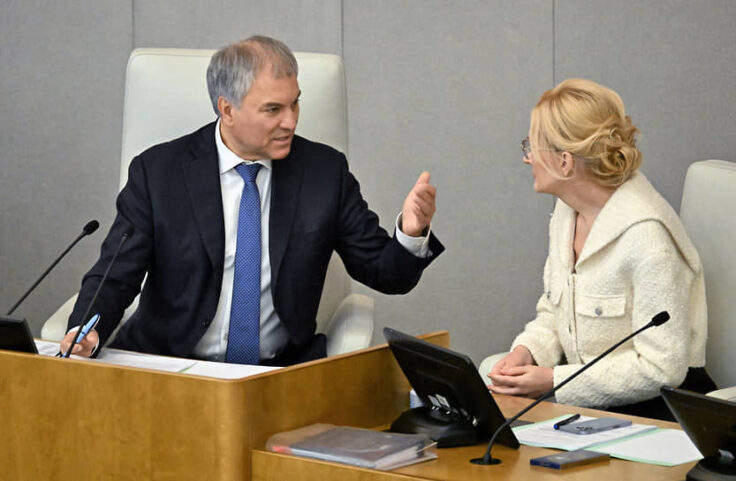
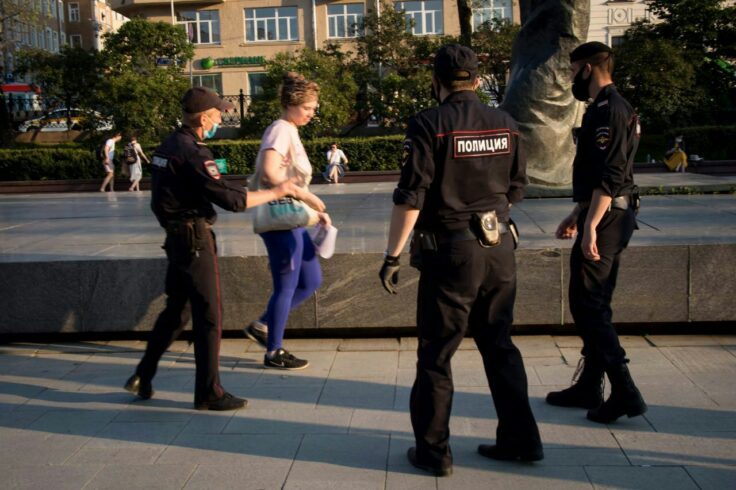
T-invariant is publishing its latest regular report, Chronicle of the Persecution of Scientists No. 35, dated July 31, 2026. Russia’s State Duma has passed a law aimed at political émigrés. Human rights advocates say it is effectively a citizenship-stripping law. The Russian authorities are expanding the practice of freezing bank accounts outside of any specific case, on the basis of “suspicion”…
On September 1, 2026, right after the summer vacation season, Federal Law No. 43-FZ and Government Decree No. 750 take effect, regulating the transfer of human genetic data outside Russia. Authorities describe the new rules as a measure to protect national security and “genetic sovereignty.” Many scientists, however, see them as a serious blow to international scientific cooperation — fearing new…
On July 29, the Moscow City Court is set to hand down its verdict against Darya Shipacheva, author of books and podcasts about chronic pain. The prosecution of this science journalist and feminist activist illustrates a new pattern in how Russia’s repressive machine operates. Treason cases involving money transfers to Ukraine — like those involving donations to Alexei Navalny’s Anti-Corruption…
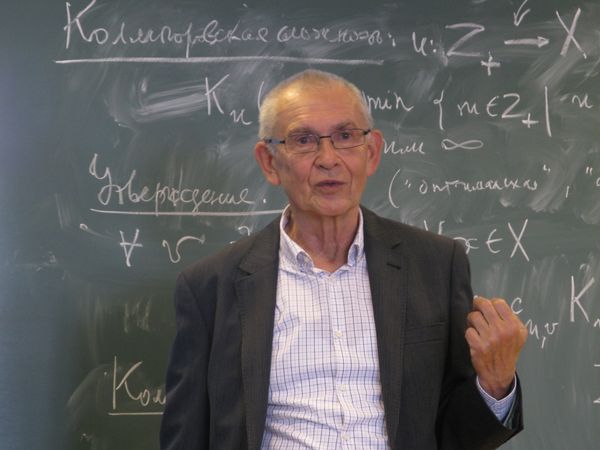
In June 2026, the mathematician Misha Verbitsky ended up in an Armenian jail, caught in the automatic machinery of intergovernmental agreements that Russia has pressed into service for political persecution. Starting from that story of police and politics, his conversation with T-invariant editor Alexander Sergeev turns steadily more philosophical. How is polarization destroying scientific unity?…
In 1993, Marina Bykova became the youngest Doctor of Sciences in the humanities in Russia. Today she is a professor at an American university and editor-in-chief of the journal Studies in East European Thought . Her professional life has been devoted to building and sustaining dialogue between the Russian philosophical tradition and the international academic community. In an interview with…
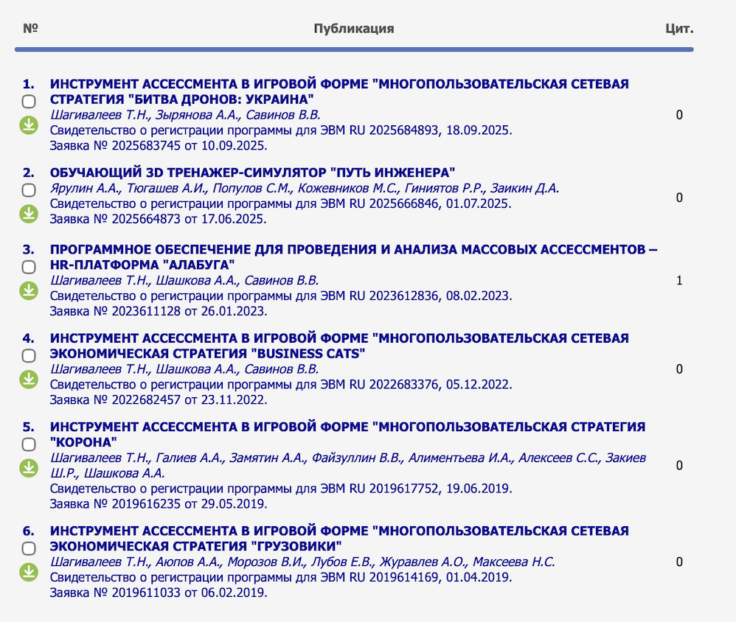
YouTube, TikTok and Twitch are blocking ads en masse for the Alabuga Special Economic Zone, which recruits young people to assemble combat UAVs. Yet Tatarstan's efficient managers have relaunched the recruitment campaign - through the proxy project Stalin's Falcons, the Dronecon cyber tournaments with million-ruble prizes, and the game Drone Battle: Ukraine. Details in a T-invariant investigation.…
An experimental physicist originally from Russia is now one of the most undesirable applicants on the global academic job market. Even IT specialists and theoreticians find it easier to secure employment than those who actually know how to turn lab concepts into working experiments. In Europe, the primary legal barrier is a sweeping expansion of European export control legislation regarding…
T-invariant is issuing its regular report, the Chronicle of the Persecution of Scientists, No. 34, dated June 30, 2026. From June 8 to 14, the fourth edition of the “You Are Not Alone” marathon in support of political prisoners took place, raising more than 14 million rubles over the week. The funds raised are used to help people in Russia who are imprisoned on politically motivated charges, and…
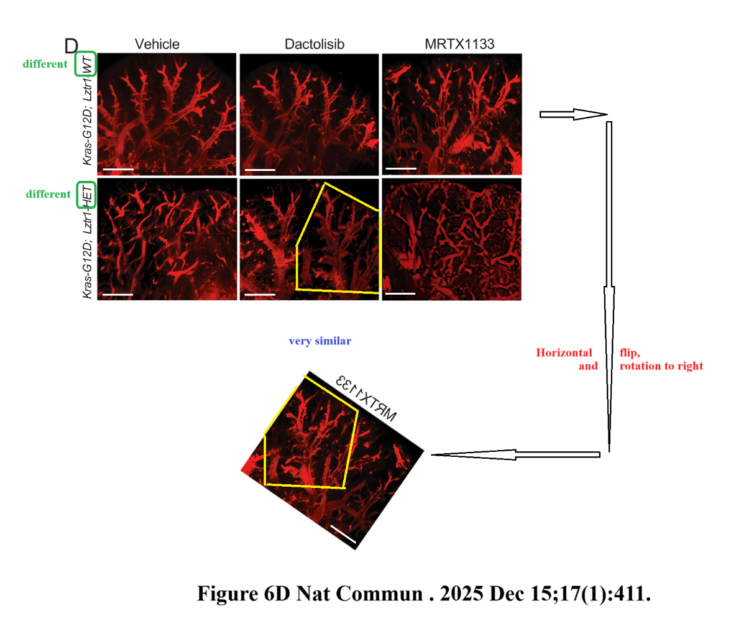
A questionable publication in Nature, several fake images, a professor with a dozen suspicious papers, a phantom author with an h-index who turns out to be a Zenit football fan from a fan website — this is not an isolated oddity, but part of a system, a cross-section of today’s Belgian academic environment. More in the latest installment of Plagiarism Navigator. The post Bleder Kanalgeruch with an…
By the beginning of Vladimir Putin’s new presidential term in 2030, Russia’s fastest-growing neurotechnology company Neiry promises to begin developing solutions for maintaining mental health and cognitive function, as well as technologies for stimulating brain neuroplasticity and managing emotional states — specifically, “fear, happiness levels, and motivation.” Research and development are being…