
This article is both a follow-up and companion piece to a previous article, where I share my Revitalizing Herbal Blend recipe. Adaptogen herbs are perfect to include in your daily life especially nowadays during this time of change and challenge. To find out why, read on.
Spring is my most favorite season because the days get longer, warmer, more filled with sunlight, and everyday is filled with delight watching tree leaves unfurl and an array of colorful flowers burst forth. Spring is also perhaps my most challenging season because I get horrible allergies that nothing really alleviates (our local homeopath however gives me a remedy that helps immensely). Over-the-counter medications just make me feel worse. As a kid I had such horrible allergies all summer back East with the ragweed that even the strong prescription meds from our family doctor didn’t do a thing. I was stuffed up, eyes puffed up and itchy, and felt like I was underwater for months every summer. Then, most of the cold, damp winters, I was also under the weather with sinus issues.
It was only when I moved to Hawaii at age 21 that I finally experienced true good health, feeling well, and being able to breathe fully. Likely part of which (along with making major lifestyle changes) was putting a healthy distance between me and my very dysfunctional and suffocating family and being able to experience and engage with life on new terrain. As soon as I first stepped off that plane in Hawaii, into the warm sunshine, I could breathe. Free. And my life unfolded.
But it was because of my allergies that I got introduced to herbal medicine. The summer after my first year in college I lived with my boyfriend and some friends on the Jersey Shore. It was a wonderful time rich with experiences and amazing people including yogis who stayed with us for a week and taught us some yoga (along with great discussions). One of our roommates introduced me to the I Ching (Book of Changes) an ancient Chinese philosophical text which has been part of my life study ever since. Over dinner once he casually suggested that I might want to try Goldenseal herb for my allergies. (Goldenseal is not indicated for allergies but we didn’t know that back then.) So the next day I visited the nearby health food store; one of the few at that time in the early 1970s. And it just so happened that on sale were cute little boxes of herbs with old fashioned labels. I’m a sucker for cute little things. I perused the store and bought one of the only herb books available at the time which was Back to Eden by Jethro Kloss. And a pile of the little boxes of herbs that I had no idea what they were but I could read all about them when I got home.
Herbs have been a part of my life, personally and then professionally, ever since. Over the years, I studied herbs extensively, with amazing teachers, in the context of Chinese and Ayurvedic traditional medicine and also Western herbal traditions. I also explored and studied the plethora of research available in medical journals worldwide.
I’ve been blessed with many wonderful teachers and mentors along the way. I was also fortunate, years ago, to work clinically with herbalist Donald Yance and help him craft his tome Adaptogens in Medical Herbalism — Elite Herbs and Natural Compounds for Mastering Stress, Aging, and Chronic Disease along with doing some research and writing for his company that creates outstanding herbal adaptogen formulations. Herbal medicine was a large part of my practice and it was a joy creating herbal blends and witnessing the healing power of herbs. Now, I’m retired from my decades of practicing Chinese herbal medicine and acupuncture. But herbs in many forms still abundantly grace my kitchen shelves and pantry.
Adaptogen herbs, along with my nourishing, mineralizing herbal tea blend are ideally suited to nourish and support all levels of our being during these especially challenging times of demanding news cycles and changes.
You can find the recipe and ideas for my Spring Revitalizing Herbal Blend here:
The herbs currently known as adaptogens are well-known in herbal medicine traditions throughout Asia. These remarkable herbs have been used and documented for thousands of years particularly in Chinese and Ayurvedic traditional medicine. At the core of these medical paradigms is the recognition that promoting and preserving well-being is the primary focus of true health care. Herbs are one aspect of this approach: used as foods, kitchen spices, and powerful medicine. A special group of herbs, especially potent to preserve or restore health and promote longevity, are now called adaptogens.
This latter group of herbs are discussed and used extensively in both Chinese and Ayurvedic herbal medicine. They are classified as a special “superior” set of herbs with unique qualities. They are known as rasayana herbs in Ayurvedic medicine, and are spread out through the many classifications of herbs in the Chinese herbal system as herbs with tonic and other qualities. These powerful herbs provide nourishing and restorative actions without the side effects or contraindications found in most of the more powerfully focused medicinal herbs.
They were originally discovered and utilized at least several thousand ago by ancient practitioners of the spiritual arts who lived simply and practiced advanced meditative and spiritual arts for spiritual growth, learning, and advancement. These special herbs have the unique capacity to nourish the body, optimize the body’s natural resilience, and facilitate the body’s innate capacity for healing and well-being. They are used to promote mental clarity, physical strength, resilience, and stamina. They support high-functioning quality of life as part of enhancing longevity. Today, these herbs are called adaptogens.
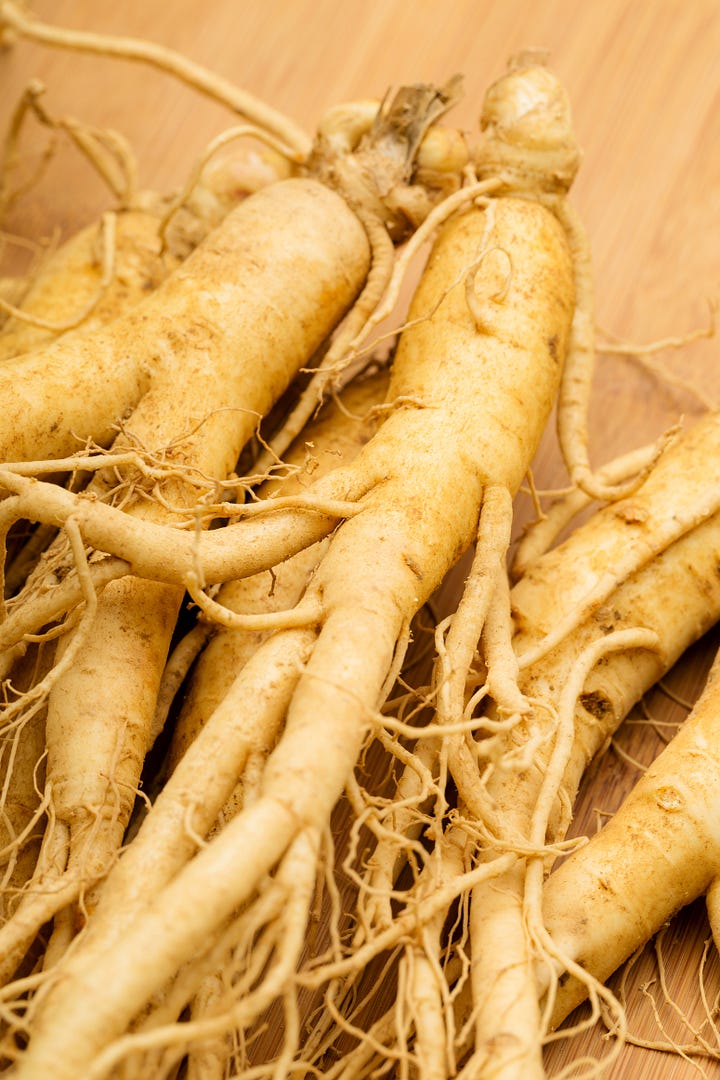
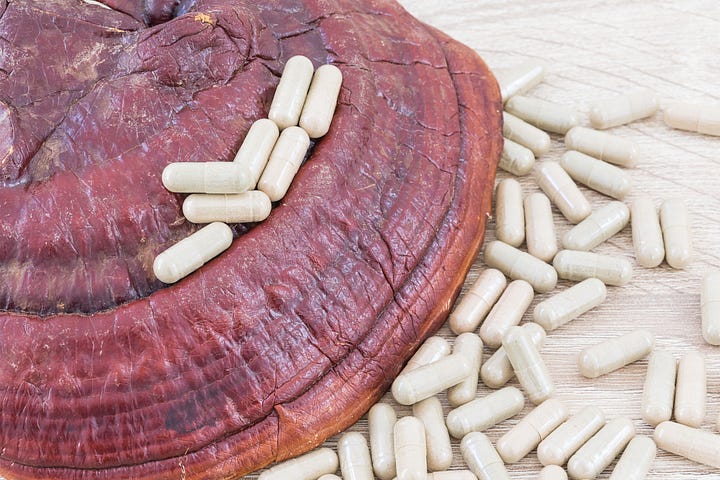
Sometime in the 1930s, Dr. Nicholai Lazarev, a Russian scientist and toxicologist became very interested in Hans Selye’s research on stress including the role of the hypothalamic-pituitary-adrenal (HPA) axis in the stress response. While first researching chemical compounds, he soon began focusing his research on natural compounds — herbs that could increase the body’s capacity for adapting to and recovering from stress without any harmful side effects. While Lazarev first proposed the term adaptogen, his work was continued by Dr. Israel I. Brekhman who expanded and clarified the definition based on his extensive research.
Over decades, Brekhman and other Russian scientists reviewed and researched many of these special herbs found in traditional medicines throughout Asia renowned for promoting overall well-being, supporting recovery, enhancing phyical stamina, cognitive ability, and promoting disease resistance, health, and longevity.
In the 1940s Dr. Brekhman (1921-1994), known as the Father of Adaptogens, clarified the definition of an adaptogen as a plant possesing four attributes:
• Nonspecific action: works on multiple systems to promote resistence to stress
• Modulatory action: restoring normal functions, facilitating recovery after stress, and restoring stability or homeostasis. Modulatory basically means these herbs do whatever is needed to restore balance and harmony to the system. They support energy and relieve fatigue without being over-stimulating. They help lower levels of stress hormones such as cortisol and modulate glucose metabolism.
• Stress protection: increasing the body’s stress response and decreasing sensitivity to stressors including physical and chemical. Adaptogen herbs are found to primarly work through modulating the activity of the hypothalamic-pituitary-adrenal (HPA) axis in the stress response.
• Nontoxic: safe to use for most people and safe for long-term use, with no adverse effects or contraindications.
The nonspecific, modulatory action of these herbs is unique because it means these herbs do whatever is needed to restore balance and harmony to the system without any side effects or contraindications. They are not pushing the body to a specific response. Adaptogen herbs simply help restore higher functioning capacity of physiological systems.
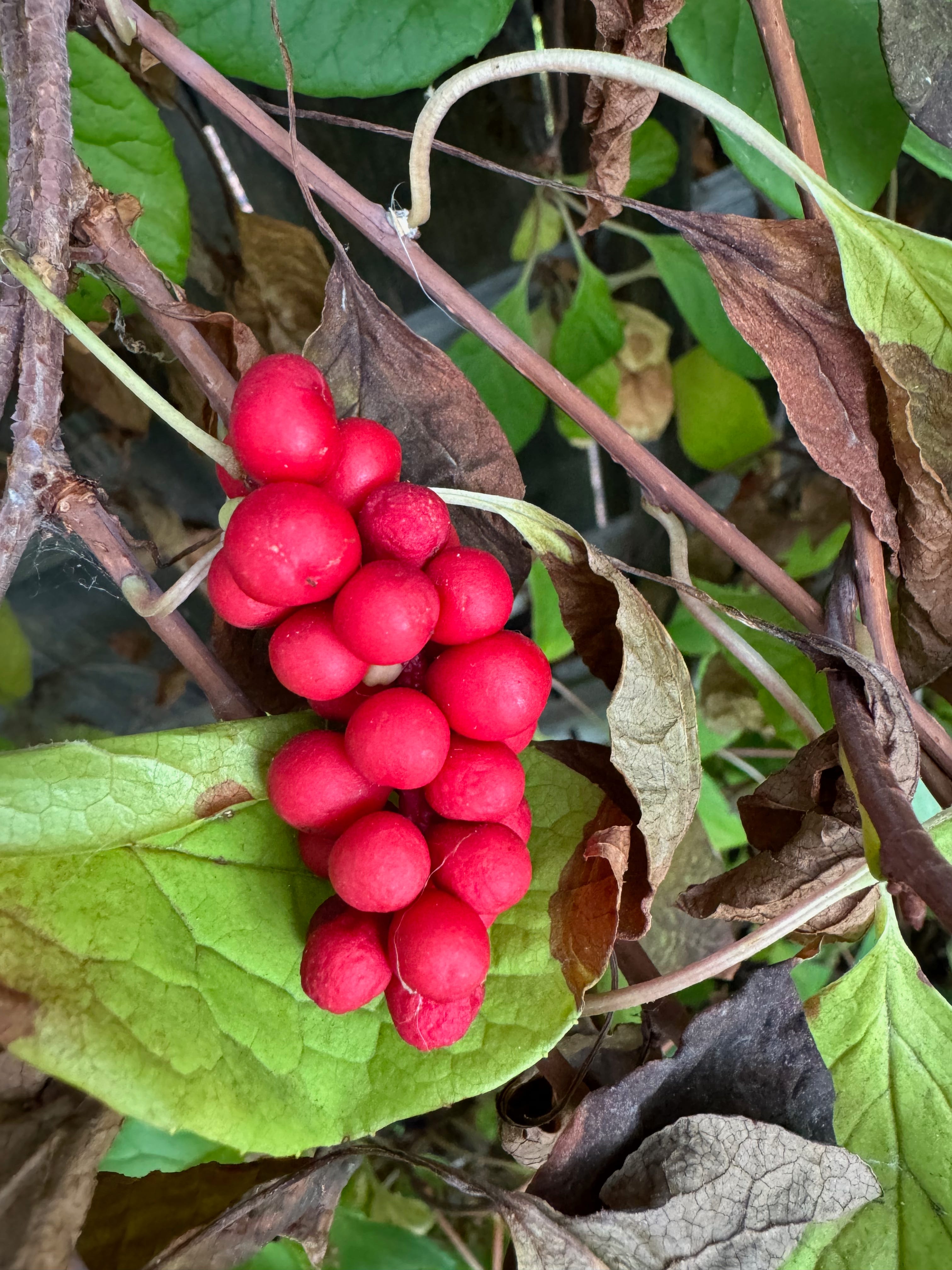
In these original studies five herbs were outstanding as being adaptogens: Eleuthero, Schisandra Berry, Panax Ginseng, Rhodiola, and Ashwaganda.
Since then many more herbs are identified as adaptogenic based on extensive research worldwide. And our knowledge has expanded along with the advances in other areas of science including neuroendocrinology, immunology, neuroscience, genetics, epigenetics, oncology, cell signaling, complex systems, and more.
Research finds that due to the attributes and modulating activities of adaptogens they exert many actions including:
• helping promote resilience
• facilitating both a healthy stress response and recovery from stress
• supporting a healthy immune response and reduce inflammatory processes
• optimizing the body’s metabolic system and energy production
• enhancing physical and cognitive wellness
Adaptogen herbs are currently most often used in herbal formulations to support athletic performance, enhance cognition, energy, and support healthy aging processes.
Adaptogen and nutritive herbs are powerful allies. Combining them with a wellness lifestyle, mindfulness practices, and tending your heart supports your vitality, ability to meet and recover more quickly from stress, and enhances mental/emotional equanimity. These herbs in particular, along with others, blended into focused formulations by skillful practitioners, have brought me through serious health challenges to greater well-being several times in my life. Many of these herbs are now part of my daily life and I am grateful for them.
Adaptogen and nutritive herbs are powerful allies. Combining them with a wellness lifestyle, mindfulness practices, and tending your heart supports your vitality, ability to meet and recover more quickly from stress, and enhances mental/emotional equanimity.
For millennia, we’ve gathered herbs from the wild and grown herbs in our gardens. We’ve brought them into our homes and hearts. Plants have evolved alongside humans, providing food, spices, herbal kitchen medicine, powerful therapeutic herbal medicine, fiber for clothing, basketry, and more.
In most cultures, the knowledge and use of herbs to promote and preserve health was integrated into daily family life since herbs were culturally widely known and available. Women knew how to keep their families healthy and mostly prevent illness by including herbs and spices in their daily meals. When a serious condition arose, the medical herbalist would be called upon for treatment.
Plants have consciousness, energy, and personalities. Learning how to play and work with plants is a personal journey. Listen and you will find your own way, the resources that guide you, and the plants that resonate with you. There are many outstanding herbal books and study programs available nowadays. Developing some herbal knowledge while integrating plants, herbs, and spices into your daily meals and routines is a way of life as ancient as our ancestors.
Plants and herbs support the foundations of health, offering simple yet profound nourishing and restorative capacity. Eating a balanced diet that includes lots of plant foods, spices, and herbs is a powerful contribution to tending our well-being at all levels: body, mind/emotions, and heart/spirit.
Including adaptogen and nutritive herbs into your daily life are wonderful allies, supporting your vitality, ability to meet and recovery more quickly from stress, enhancing equanimity, and supporting your ability to work, play, and rest well.
Enhancing Resilience with Adaptogen Practices
Nowadays I’m most interested in sharing simple meditative and daily practices to tend and nourish our heart because these ancient and simple practices are our most essential adaptogens: promoting our innate core of well-being through nourishing our inner spirit, attitudes, and resilience. Tending our heart is the essence of healing and the essence of our well-being and resilience.
One must first cure the spirit
~ Ch’i Po, minister to the Yellow Emperor Huang Di Nei Jing
Mindfulness and similar practices help bring awareness to our mental and emotional habits, allowing us to make changes, grow, and tend our well-being in the process. Herbs support and enhance our ability to engage and sustain these practices but do not replace them. Herbs support us on our earthly and spiritual journey of challenges, discovery, and growth. But we also need to do our own work.
Here are a few ideas to support body, mind, and spirt to enhance your journey.
Body:
Time outside in nature, breathing fresh air, enjoying the abundant beauty, feeling your feet on the earth.
Healthy lifestyle, diet, adaptogenherbs, and regular physical movement to build strength, stamina, and resililence.
Mind/Emotions
Practices such as awareness, inquiry, journaling, emotional intelligence.
Read widely with discernment and an open mind.
Focus on the positive aspect of life, kind people, and beauty all around you.
Take time to process and tend grief, anger, frustration, and challenging thoughts and emotions. Attend to them with compassionate awareness.
Be kind and generous.
Adaptogen herbs enhance cognitive ability, mental clarity, and help calm the nervous system.
Spirit/Heart
Loving kindness and gratitude practices.
Heart attunement, meditation, contemplation.
Simple awareness and mindfulness practices.
Creative expression and arts.
Time to simply Be.
Rest, play, and time with kindred spirits, family, friends, community.
Chinese and Ayurvedic medicine recognize a special class of herbs that nourish and calm the spirit; facilitating meditation, contemplation, and deep healing.
Take time to enjoy and appreciate life and one another. Be kind to yourself and others.
from my heart to yours,
Suzanne
P.S. I’m a trained herbalist in Western and Chinese herbal medicine traditions who worked professionally as an herbalist for over three decades. Everything in this article and in the course is for informational purposes only and is based on my research, and personal and clinical experience.
Nothing in this article is intended to replace the services of a health professional nor does it constitute medical advice.
Please consult a professional herbalist if you would like more guidance in using herbs.
If you are ill please consult a physician.
Note: I do not subscribe to AI so everything I write is my own and all errors are mine.
Comments
Nothing yet. Say the first thing.
Sign in to join the conversation.