
1. A Little Bit of History
This weekend is the summer solstice, the longest day of the year for those in the northern hemisphere. In the sixteenth century, the date they celebrated was 24th June – Midsummer’s Day, the feast day of Saint John the Baptist.
This was one of the festivals that punctuated the calendar year. French sociologist, Roger Callois, suggested that in traditional societies, people live ‘in remembrance of one festival and in expectation of the next.’
Each festival was a moment of carnival – a moment when the normal rules governing behaviour were suspended. A festival was a time of feasting and drunkenness, of singing and dancing in the streets. Festivals were a time when, briefly, the world turned upside down.
I love the defence of carnival by some French clerics:
‘We do these things in jest and not in earnest... so that once a year the foolishness innate in us can come out and evaporate. Don’t wine skins and barrels burst very often if the air-hole is not opened from time to time? We too are old barrels.’
People used festivals to measure and mark the passing of time. When I was working on the records of the consistory (a sort of church court) of the Huguenot church in the south of France, I was struck by the way the women and men referred to past dates without precision. They would not say 15 July: at best, they would say three weeks after St John, but normally something more like ‘around Midsummer’s Day’.
One Midsummer tradition, recorded by John Aubrey, was to sit in the church porch throughout Midsummer’s Night to see apparitions of members of the parish who were going to die in the next 12 months. It also was a time for bonfires on hilltops to drive away mischievous spirits and considered a magical time to gather herbs.
But the main association with Midsummer – picked up by Shakespeare – was love. Girls peered into wells and ponds in the hope of seeing the reflection of their future bridegroom. It was the day to meet your true love. And, judging by the number of children conceived ‘around Midsummer’s Day,’ it was also a day for acting on that love.
Tonight, strictly in the interests of historical research, I shall be putting on a flower crown and welcoming Midsummer with feasting and drinking.
2. News & New Releases
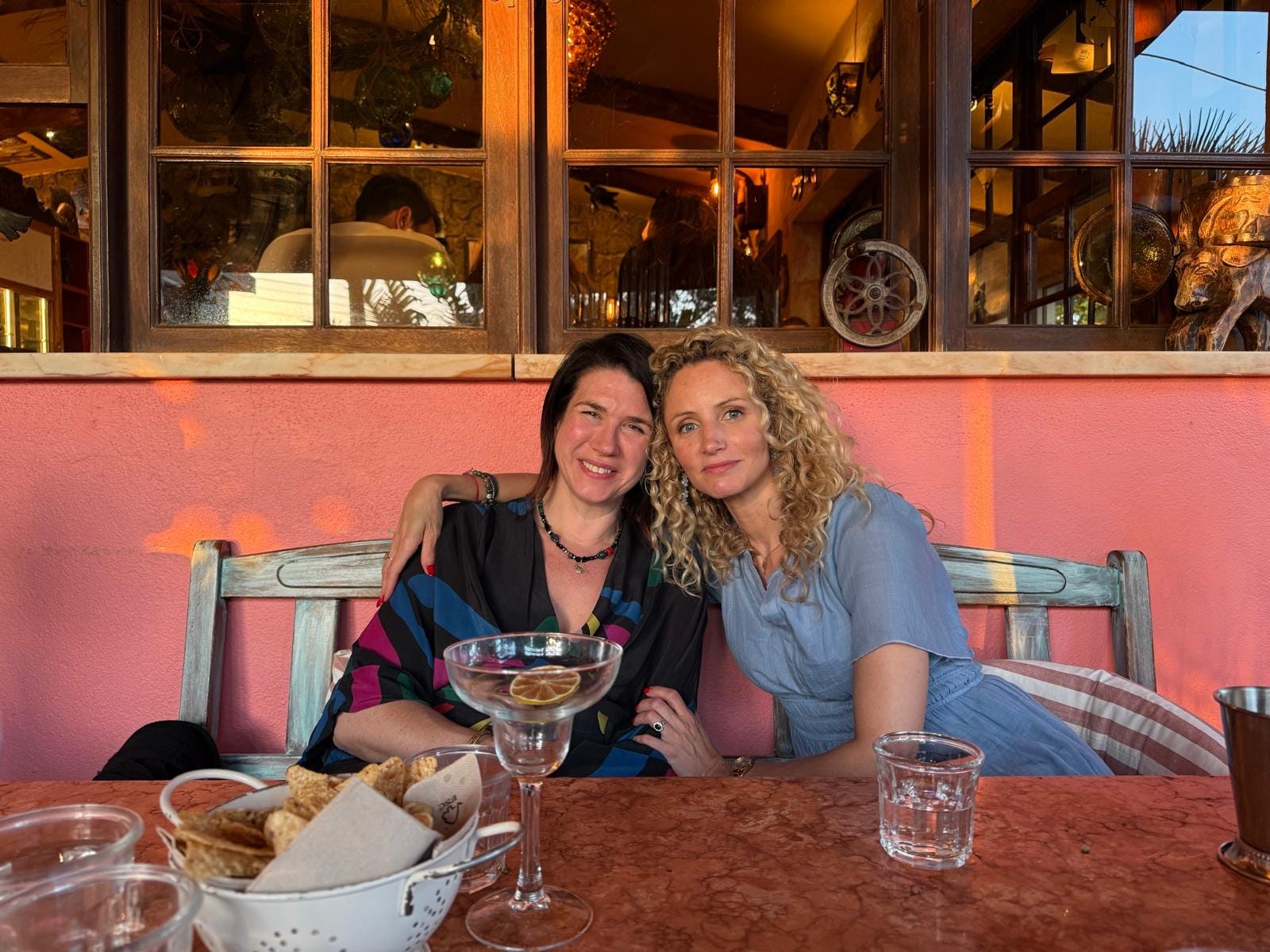
You may have noticed that I went AWOL last week. Sorry. I was AWOL from myself. I went to Portugal for a weekend to celebrate a friend’s birthday and took my laptop, fully intending to write to you. But when I arrived, I realised I would be doing lots of things that weekend, but sitting at my computer was not one of them.
Over the last couple of weeks, I have mainly been writing. I’ve found a new rhythm of getting up to do some intense exercise very early in the morning and then writing until the early afternoon, before taking my dog for a walk, and then getting back and down to other tasks. Writing in the morning and walking in the afternoons recurs as a habit of writers: I am reading Claire Carlisle’s biography of George Eliot, The Marriage Question and it was Eliot’s habit for example, but also that of C.S. Lewis, William Wordsworth, Agatha Christie, Virginia Woolf, Charles Dickens, and Samuel Taylor Coleridge. There must be something to it, and I have found it has helped.
What else? I recorded my last two episodes of Key Changes: BBC Radio 3’s Essential History of Classical Music, and I attended the wonderful Women’s Prize party, where Lyse Doucet won the Women’s Prize for Non-Fiction for her book, The Finest Hotel in Kabul, and Virginia Evans won the Women’s Prize for Fiction with The Correspondent. I also went to the launch of the new edition of Simon Thurley’s The Building of England, with all the custodians of heritage from across the country. It’s a truly marvellous book.
Two more episodes of Key Changes: Radio 3’s Essential History of Classical Music have aired and are now available on BBC Sounds:
1653: The Dancing King
1672: London Calling
We also released four episodes on Not Just the Tudors :
3. A Question For You
‘We too are old barrels.’ I’m a fervent believer in the idea of carnival-time, ordinary rules upturned on occasion (when my child stays with grandparents for example: carnival-time). When could you let the foolishness innate in you come out?
Thank you for reading.
Yours ‘til the ripe and ruin,
Suzannah x
No posts
Comments
Nothing yet. Say the first thing.
Sign in to join the conversation.