
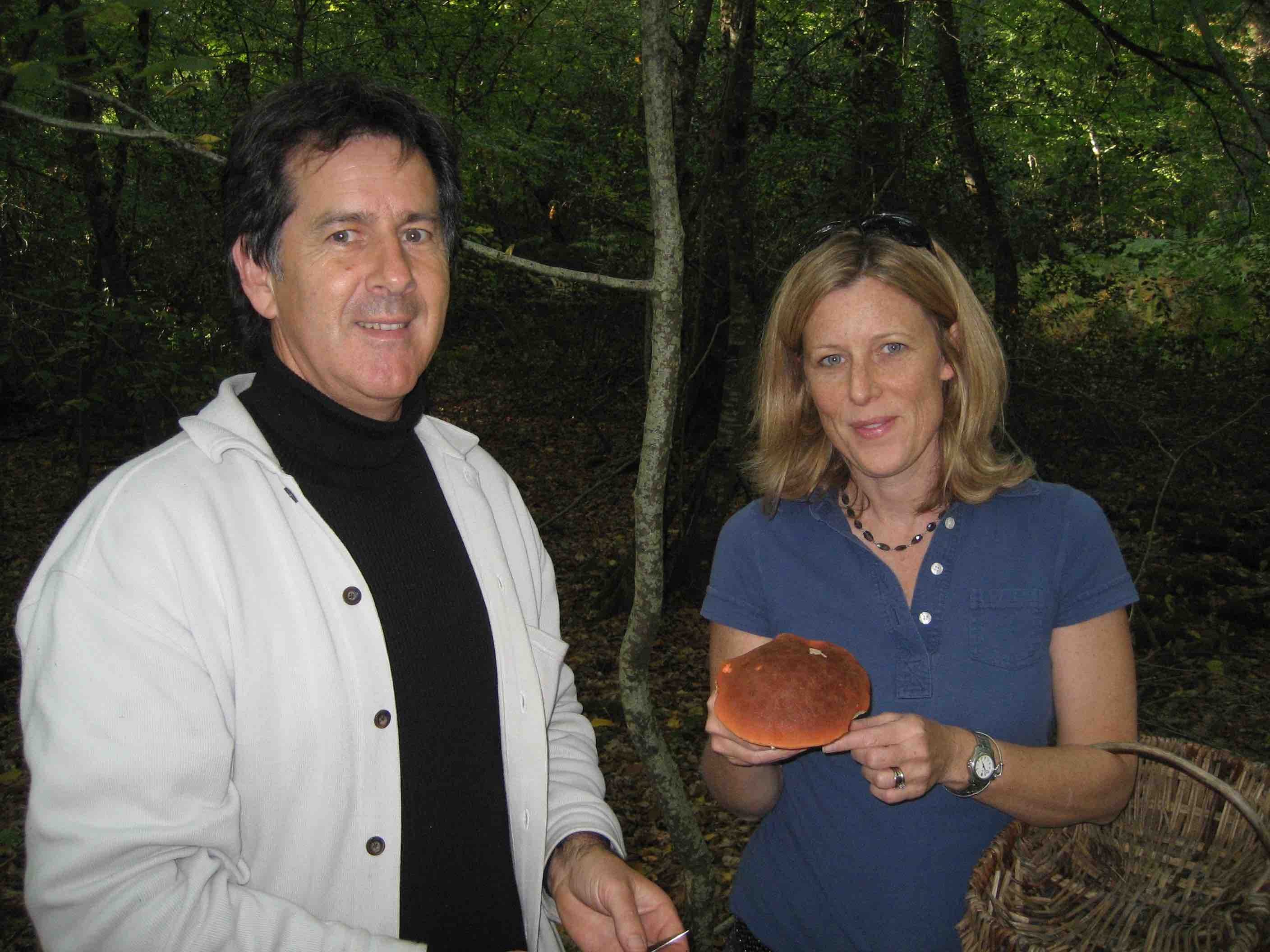
I am grounded this fall following a surgery for a basal cell skin cancer above my lip. (Spring break 1989 in Puerto Vallarta, coming home to roost!) I’m recovering well and although I could have snuck in some travel, I’ve taken it as a reason to stay home. The scar will take about three months to fully heal and fade, and less sun exposure is better.
Fall is my favorite season for travel, and for cooking. Sometimes they coincide, as they did in France, last September. A group of us rented a 10-bedroom chateau in the countryside in southern Burgundy. The house came with a gifted and impatient cook named Agnes. (Impatient with my French; otherwise she was great).
Like a culinary fairy godmother, she both cooked for us and despite a language barrier, demonstrated how to make magical French dishes. “Bibbidi-bobbidi-boo” 🪄duck with dried fruit, tender melty gougeres, vélouté of mushrooms. And perhaps the most ambrosial Tarte Citron (lemon tart) I’ve tasted.
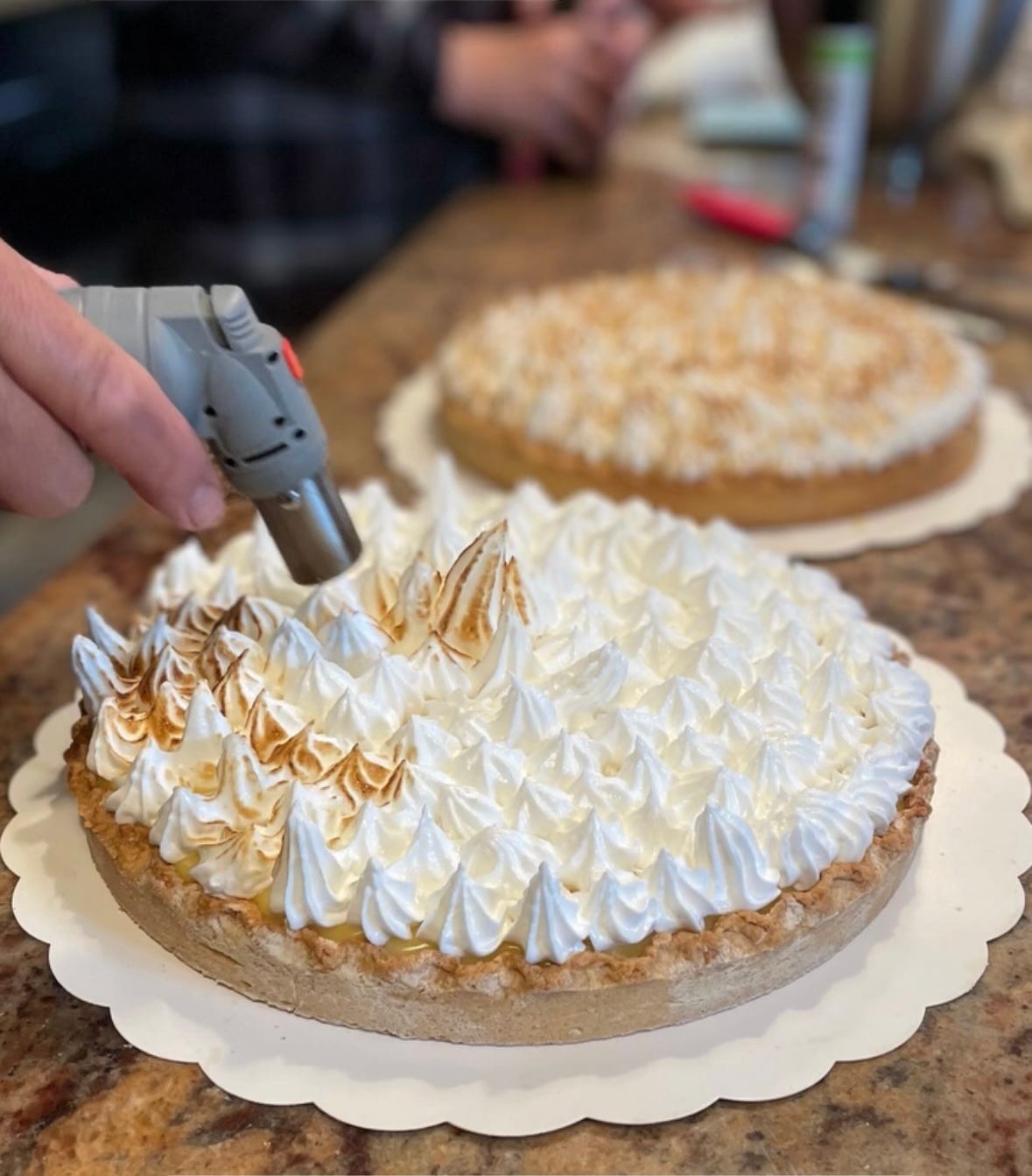
For me, the only miss all week was the Île Flottante, a bowl of custard with a floating island of pink praline meringue. Pink pralines are a confectionery specialty of Lyon, France where I went to French language school a few years ago. I gave them my best effort, but they are too sweet for my taste, especially so in a meringue.
Agnes printed off some of the recipes and we each took copies of those we thought we had a hope of replicating without her. Once home, I tucked the French Lemon Tart recipe into a brown cardboard folder, my repository for all loose paper recipes: hand written, typed up, printed off, and torn from magazines. I forgot about it until I opened the folder over the weekend.
I have decided that being grounded this fall affords time for lots of cooking, so I pulled the Lemon Tart recipe from the folder and set it aside, into a “fall cooking” pile.
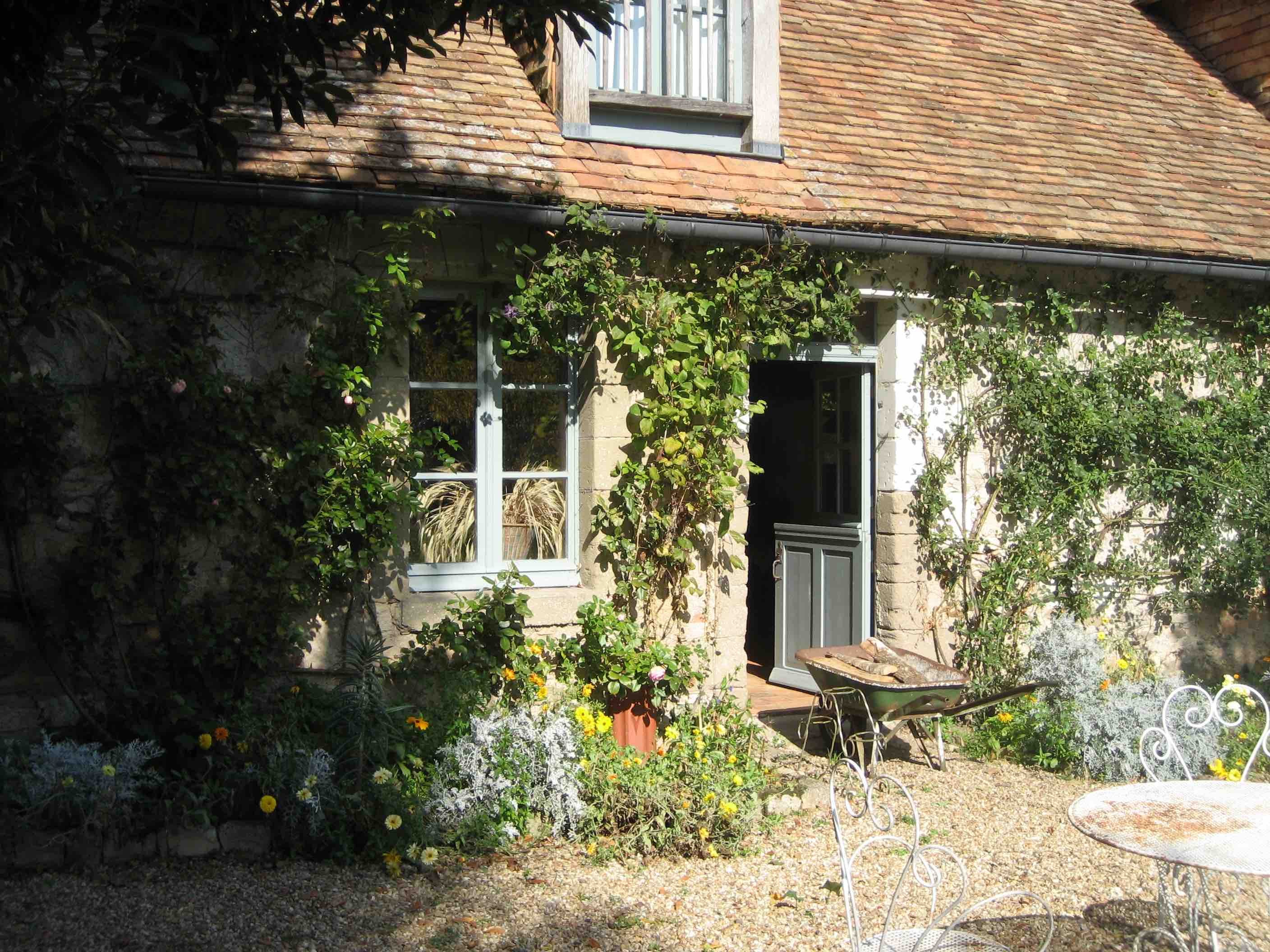
I’d gone into the folder looking for another dessert recipe that I learned to make in France, on a trip my husband and I took to the Loire Valley in 2008. The Tarte aux Pommes Soizic is named for the godmother of the chef who showed us how to make it at a special country hotel, the Moulin Brégeon. Tarte aux Pommes Soizic has become a part of my family’s Thanksgiving tradition and I think of Chef Bernard, and our trip, each time I make it. We’ve been to the Loire Valley twice, and absolutely love it!
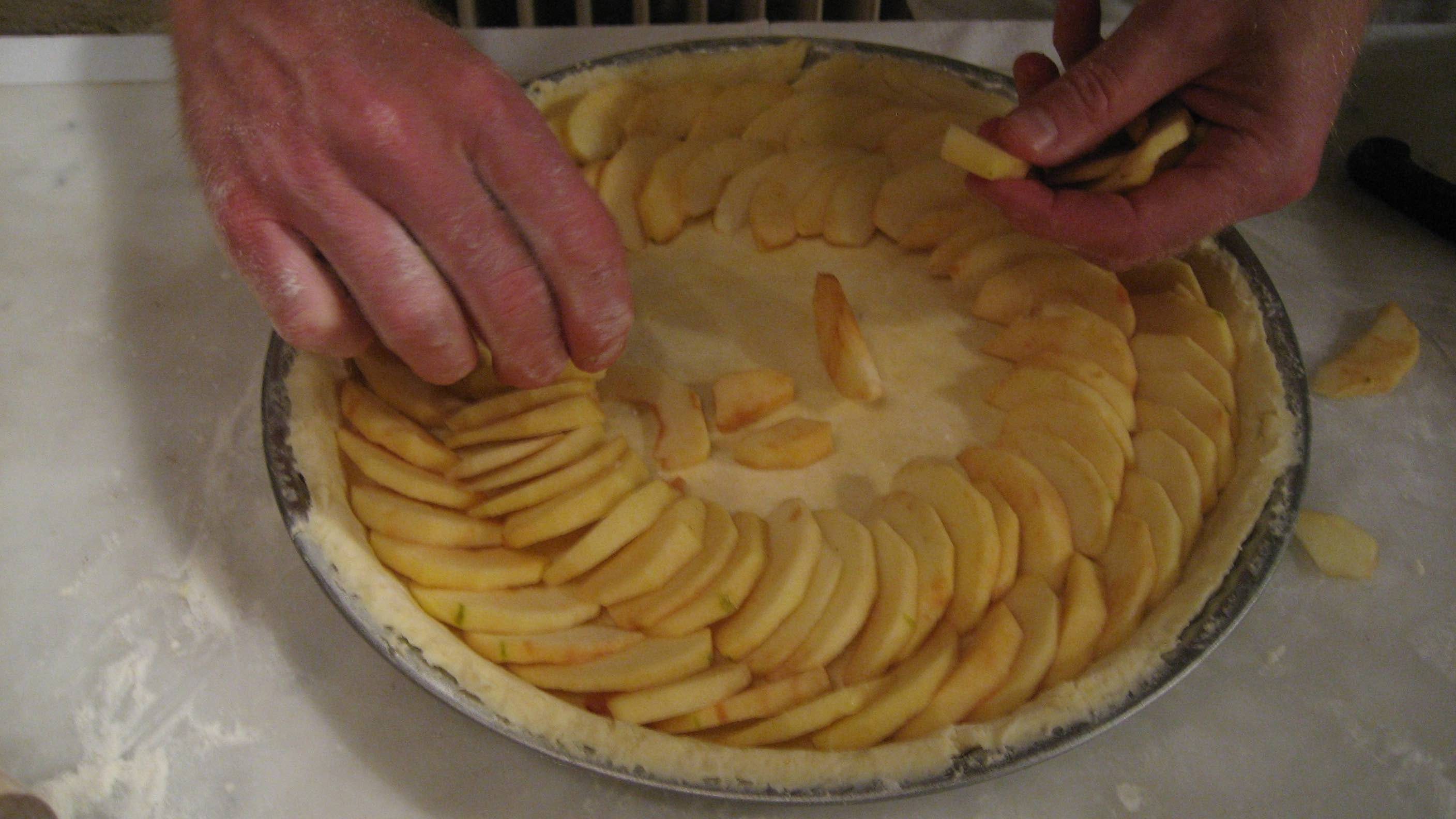
Thumbing through the brown folder felt like rediscovering old friends. Before I moved to Denver, I belonged to a book club in Toronto, and the women were as enthusiastic about cooking as books. I didn’t hesitate to add Krista’s Salmon with Fennel and Lemon, to the two French dessert recipes.
The folder has a good representation of Canadian favorites. I stopped next at Arowhon Pines Maple Fudge. The fudge recipe was neatly typed on a hotel letterhead with a note from the sender. “I hope that we’ll meet next time —meanwhile, enjoy. (Mrs?) Kates”.
The pen is rubbed off where the first name should be; it’s 20+ years old, so I can’t recall which of the Kates family sent it. Arowhon Pines was founded in the deep woods of Ontario in 1934 by a tenacious lady named Lillian Kates. It accommodated parents who were visiting their children at the nearby Camp Arowhon.
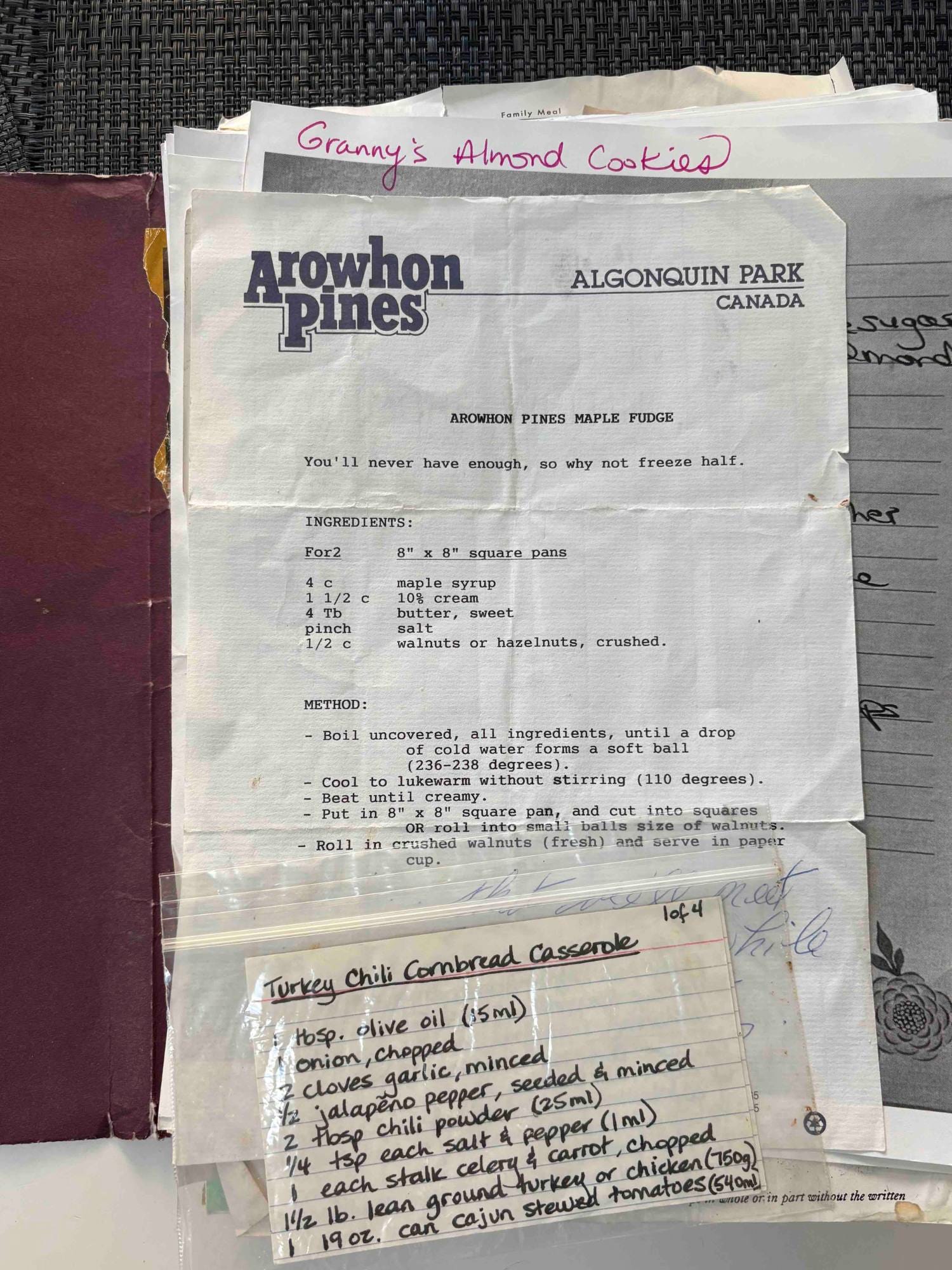
Arowhon Pines is probably my favorite hotel in Canada. Rustic charm on a quiet Ontario lake, moose wading in marshy water, ignoring observers floating silently in canoes. Exceptional food is served in a dining hall that feels like a 5-star summer camp, and best of all, there’s spotty cell service. It’s one of a handful of hotels I dream of returning to. That list is kept deliberately small as there are enough places still on my bucket list that returning to favorites doesn’t help the cause. The fudge recipe is set on the yes pile.
I picked up the pace…
My mother-in-law’s almond cookies — yes. (I’ve never made them and they are a favorite of my niece). I live far away from both my niece and my MIL.
Buckingham Palace Biscuit Cake (served at Prince William’s Wedding). I must have been caught up in the wedding excitement — no.
When I carelessly drop the folder, two recipe cards spill out. In these days of digital cooking apps, and curated collections of splashy cookbooks, they seem like a relic. A recipe for Turkey Chili Cornbread Casserole is printed in neat felt-tip marker on two cards, both sides. It’s from Paula, my former neighbor in Toronto — yes. I make turkey chili once in a while and I love the idea of the cornbread topping upgrade. Plus, I miss Paula.
I come to a group of pages earmarked together and dated May, 2010. The type is large and there’s a cover sheet with an index of the recipes. My Aunt Mary brought them when she came to visit me in Denver soon after I moved here. Our agenda was a week of cooking. She wanted to see us of course, and to make sure I knew how to make the Hungarian specialties that she, my dad and their brothers grew up with. My dad was long gone; she was the keeper of my grandmother’s recipes.
Looking back, that experience feels 15 years too soon. I was busy with two little boys and mostly wanted to sit with her and drink tea. I would LOVE a redo of our cooking week. I am better rested, and more thrilled by cooking than ever. I would love a deep dive into the techniques, and to chat about my grandparents and their life on Spadina Avenue in 1930s Toronto, as an immigrant family. Aunty Mary is still with us but in very poor health. No cooking redos.
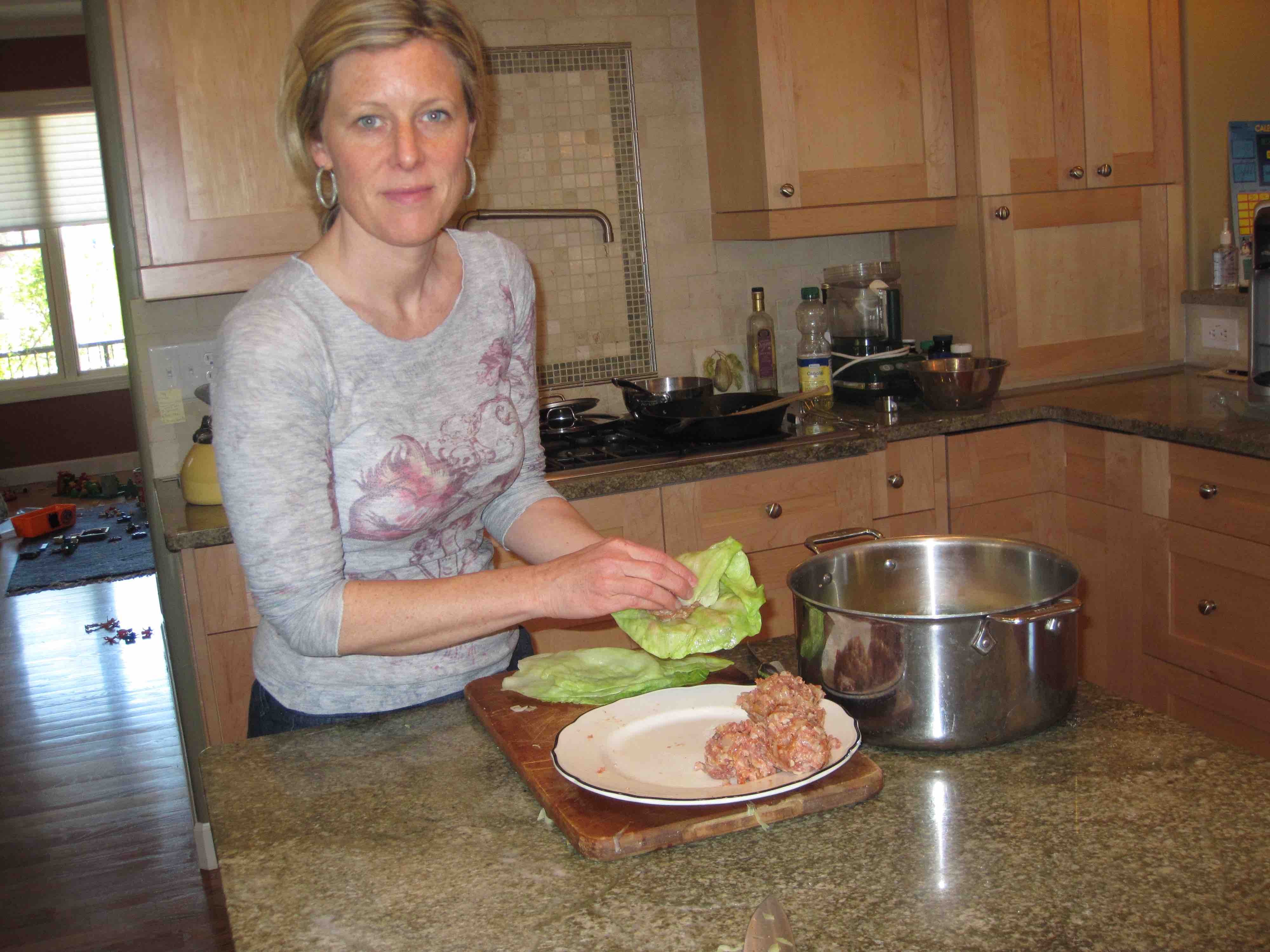
I flipped through the Hungarian recipes. Cabbage rolls are too finicky for me, so they never had a chance to become my family’s favorites. Another is too meaty for my taste (goulash). But I find two winners that I haven’t made in ages and set them atop the yes pile. Chicken Paprikas—a sour cream sauce is made vibrant, in color and taste, by two types of paprika. It is both simple and special.
The other yes is “Kifli”, a crescent-shaped cookie with origins in Hungary and Central Europe. Pastry is rolled around fillings of jam, nuts, or poppy seeds; our family makes them with walnuts. I forgot about them until I found the recipe.
I visited Hungary once, in 1998. It was delightful. We still have relatives there, and they graciously toured us around. What most surprised me was how incredible the food was. I did not appreciate it when I was growing up. My aunt, who didn’t have children of her own, would come over and cook all day. I was more excited about her than the food. My non-Hungarian mother did her best to prepare the Hungarian favorites as well. And she DOES love cabbage rolls. These recipes remind me that I would love to return to Hungary.
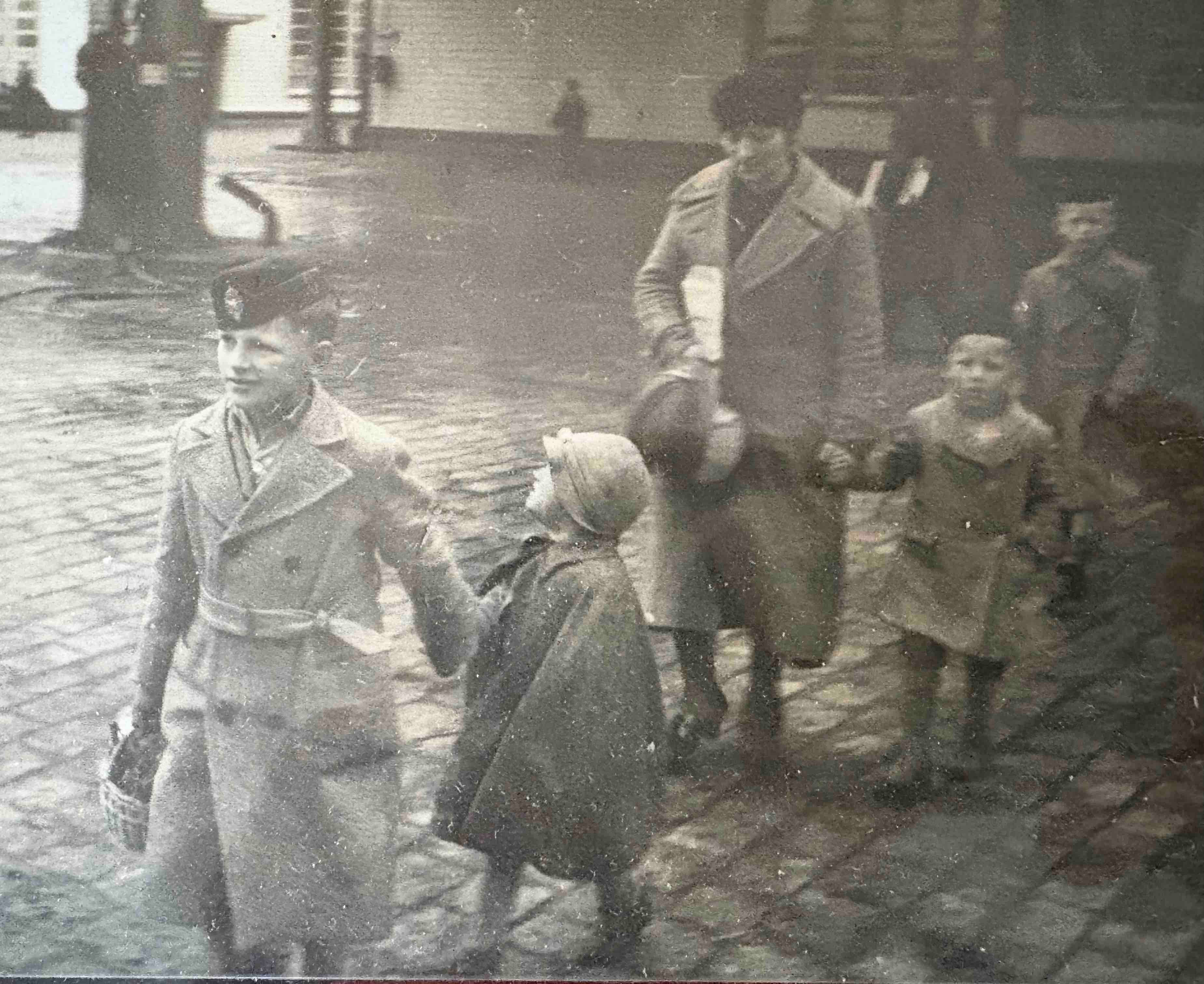
Near the bottom of the folder are a few of my dad’s French recipes. He was a lawyer living a suburban family life in Toronto, when he improbably went to French culinary school in his late 40s. We did enjoy the fruits of his labor (so much labor!), but can a 16-year-old fully appreciate it when she asks what’s for dinner and the answer is Coq au Vin, or Filet de Bœuf en Croûte (French Beef Wellington). My main concern was that he dial back the garlic because, it was Saturday night; I had plans.
My dad fell in love with French food and French cooking, decades before I did. I wish I’d loved it then and offered myself as a sous chef. (I like to imagine I did but I don’t remember). I wish I could make coq au vin for him now. And is it too late for culinary school?
I take stock of the recipe pile (pun intended) and it’s not small. My “fall of cooking” project feels ambitious. I suppose I won’t have to make them all to savor what they represent — treasured travel memories and special experiences with my favorite people.
A Podcast I’m excited About!
The Real Fishwives of Paris. For the French food and wine lovers. A new podcast by Lyon-based sommelier Caroline Fazeli, and Parisian food journalist Emily Monaco. They share stories and insights into the culture of French food and wine. Originally from the U.S. they’ve lived in France for a combined 30+ years. I loved their former podcast, The Terroir Podcast, so am excited about this new project. You can watch on YouTube or listen on your favorite podcasting app.
Capsule Wardrobes
I put together a guide to Creating Capsule Wardrobes for Travel here on Substack. Bookmark it so you can re-vist it when you need some packing guidance. It’s meant to be a template for any trip, any time you want to pack less.
Vanessa Friedman, the New York Times fashion writer, also wrote a guide to creating a capsule wardrobe. Hers includes advice from some stylish frequent travelers. What’s the Perfect Capsule Wardrobe for Traveling? (Gift Link)
Do you have a favorite recipe that you brought home from a special trip? Please share in comments!
Happy fall & happy travels!
Susan
Comments
Nothing yet. Say the first thing.
Sign in to join the conversation.