
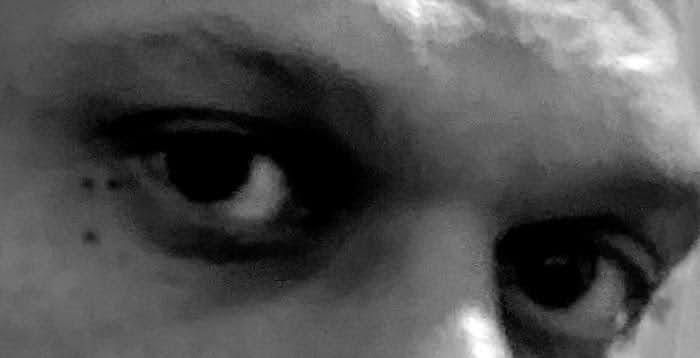
Once upon a time, I was an awkward middle school kid with no style. I saved up money to buy a nice shirt from Chess King, where the cool kids shopped. When I wore it to school, I’ll never forget that feeling. I felt naked and exposed—like a total fool. Like my skin was inside out. I felt I could read people’s minds and hear their silent words of contempt.
“What’s he doing? Does he know how much of a fool he’s making of himself?”
Imposter syndrome.
It’s that age-old feeling of insecurity; even self disgust. In your mind, you’re a complete phony and everyone will find out. That’s the fear that causes you to act in ways that don’t feel authentic. And that only increases the fear of being exposed.
Most people treat imposter syndrome as a single experience. I’ve noticed there are actually two different versions, and they require different interpretations.
This happens when I accept roles and responsibilities that aren’t a match with my unique design. This can often lead to tension and insecurity, leading to self protection and self promotion.
Working at my company, DataJoe, as a young leader, I was trying to do everything. I would often over promise to customers and leave my team with unclear instructions. Eventually, I would try to do the operational work myself and become a bottleneck, because I was scared of letting down the client.
After many disasters, my team had an intervention and we all agreed to remove me from operations. That’s when I began to feel the peace and effectiveness that comes from operating in your Superpower instead of your Kryptonite.
In this case, insecurity and imposter syndrome came from being in the wrong role, as stakes continued to rise.
Have you ever been in a role where you were a square peg in a round hole, and you tried to make it work for way too long before disaster forced you to confront the facts?
This happens when I’ve accepted a role or a challenge that seems beyond myself. Something lofty or aspirational.
The night before I became a pastor, having been through a rigorous and thorough vetting process, I was still up all night feeling unworthy and unqualified. My wife woke up and discovered me and my angst, and she said, “Stop it. You’re ready for this.”
I stepped into the role, because it was what I felt called to. The feelings of insecurity faded as I gained experience.
There are times in our lives when we will take a leap. It’s yours, but you have to grow into it. Expect to feel some insecurity and imposter syndrome. But don’t let it stop you.
In this case, the insecurity is not an indicator of a wrong role, or that you are operating outside of your design. You’re just being stretched beyond your old and limited definition of who you are.
It can be difficult to discern if the feelings are an indicator of a wrong fit or a need to be stretched. The work required is self-honesty; investigating the voices inside of you. Seeking to discern the truth.
Here are some practical steps for engaging with insecurity and discerning the truth.
You have to acknowledge that it’s happening.
“Hey, I’m feeling insecurity. Why?”
You need to acknowledge what you’re afraid of.
“I’m afraid of _______.”
What is your true identity and purpose? You need to come back this, always.
We become that which we rehearse. This is why you must know and name your identity and purpose. Write it down, again and again. Say it out loud. Let this become louder than the fear.
Keep living, keep growing, keep reaching, keep risking. I’ll never tell you to stop!
If you want to go deeper today, take my Superpower Quest assessment at assessment.superpowerquest.com
No posts
Comments
Nothing yet. Say the first thing.
Sign in to join the conversation.