
🪸 We’re Superorganism, the first VC for startups that benefit biodiversity. Each month we publish thoughts from the frontline, company updates, and a round-up of new happenings in the nature tech world.
Earlier this year, Illinois quietly became the first state in the United States to formally incorporate a new conservation strategy: rewilding.
We asked bill sponsor and IL State Representative Anna Moeller for more detail:
“Rewilding means bringing back native wildlife, restoring natural habitats, and reviving ecosystems based on how they once thrived in Illinois before human development. This new law gives the Illinois Department of Natural Resources the green light to use rewilding—a bold, evidence-backed approach to conservation.”
Rewilding is one of the conservation concepts that continuously inspires us at Superorganism. The word itself is evocative, and simply means the practice of bringing an area back into a wilder state, along with all of the species and ecological interactions that that entails.
For us, rewilding is both inspiration and opportunity: a way to restore ecosystems, support local communities, and create new markets that reward nature-positive outcomes.
For states like Illinois, it unlocks a cost-effective, outcomes-based strategy for nature. “It’s a forward-thinking move to restore and protect the state’s natural wonders and ensure a healthier state for generations to come,” said Moeller.
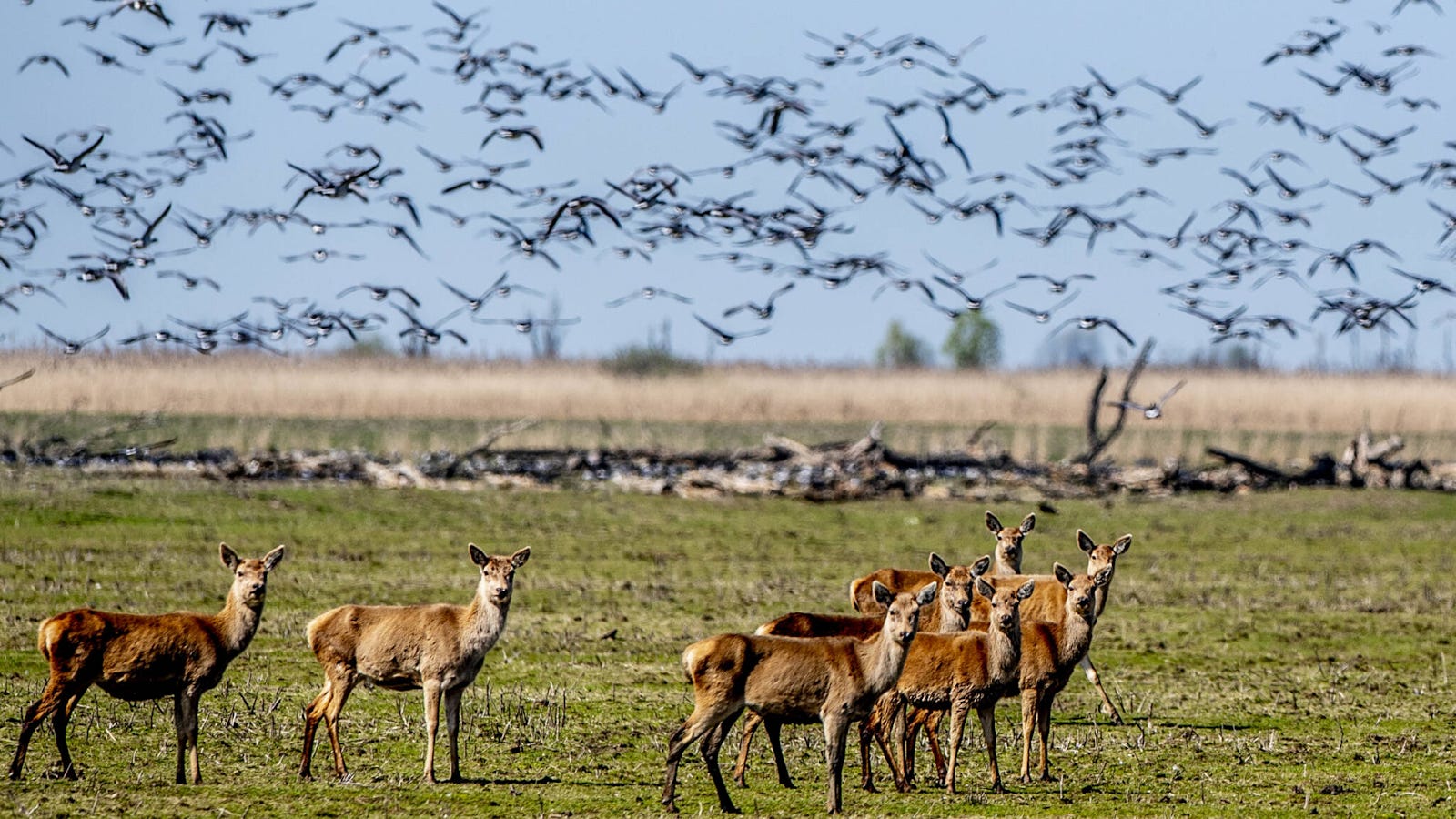
As human populations have grown, our collective impact through where we live, what we use, and what we eat has fragmented habitats. This fragmentation prevents natural movement of species and individuals across landscapes, leading to smaller, more vulnerable gene pools or even localized extinctions.
Overexploitation, competition for resources, and habitat loss have also resulted in losses of keystone species like wolves, beavers, and salmon. Rewilding can focus on returning species to their historic ranges, which can result in improved ecosystem functioning.
As a management approach, rewilding is differentiated in a few ways:
Restore historic ecosystem function. Rewilding often takes heavy inspiration from a historic baseline, looking at how an ecosystem in a given area functioned decades, centuries, or in the case of projects like Pleistocene Park, even millennia back. To restore this lost function, advocates often need to reintroduce species that were present in the past, and protect sufficient space to support healthy populations and interactions.
The three C’s: Michael Soulé, a pivotal figure in conservation biology, outlined the “Three C’s” of rewilding: cores, corridors, and carnivores. Cores are vast, strictly protected wilderness areas, and corridors provide connectivity between those areas so animals can migrate. Finally, the presence or reintroduction of apex predators can help to regulate the food chain. While rewilding advocates are concerned with all species that have outsized impacts on ecosystems, carnivores often get special attention because they often have lost out most to human competition, and their successful return requires sufficient space, healthy underlying ecosystems, and community buy-in.
Focus on trophic interactions. Rewilding focuses on the interplay between species, such as predator-prey dynamics, herbivory, and seed dispersal. These interactions can famously cause “trophic cascades” where removal of one keystone species can cause booms and busts in the other species they help to mediate. Rewilding aims to re-insert the keystones, bringing the ecosystem back into its historic equilibrium.
Let nature lead. Rather than active management, rewilding focuses on making a few key changes to “kickstart” natural processes, and then letting nature take the wheel. Once the ecosystem structure is returned as near as possible to baseline, the hope is for it to run wild (literally).
The term dates back to conservationist and activist Dave Foreman in the 1980s, and inspired a slew of conservation wins in the past several decades:
The reintroduction of wolves to Yellowstone in 1995.
Land acquisitions by Tompkins Conservation in the 1990s across Patagonia, which ultimately led to the creation or expansion of 15 national parks throughout Chile and Argentina.
Y2Y, an effort to create a complete migratory corridor (see below) between Yellowstone and the Yukon territory.
More recently, rewilding has taken on new life and urgency as a means of addressing and adapting to climate change. By creating corridors, particularly moving North-South, or from lowlands to highlands, conservationists could create paths for species to adapt better to changing climates through their own movements.
As Y2Y co-founder and strategic advisor Harvey Locke puts it:
“We cannot solve the climate crisis without protecting nature and we cannot save nature if we do not address climate change. This means we need to rewild more and protect intact nature wherever it remains.”
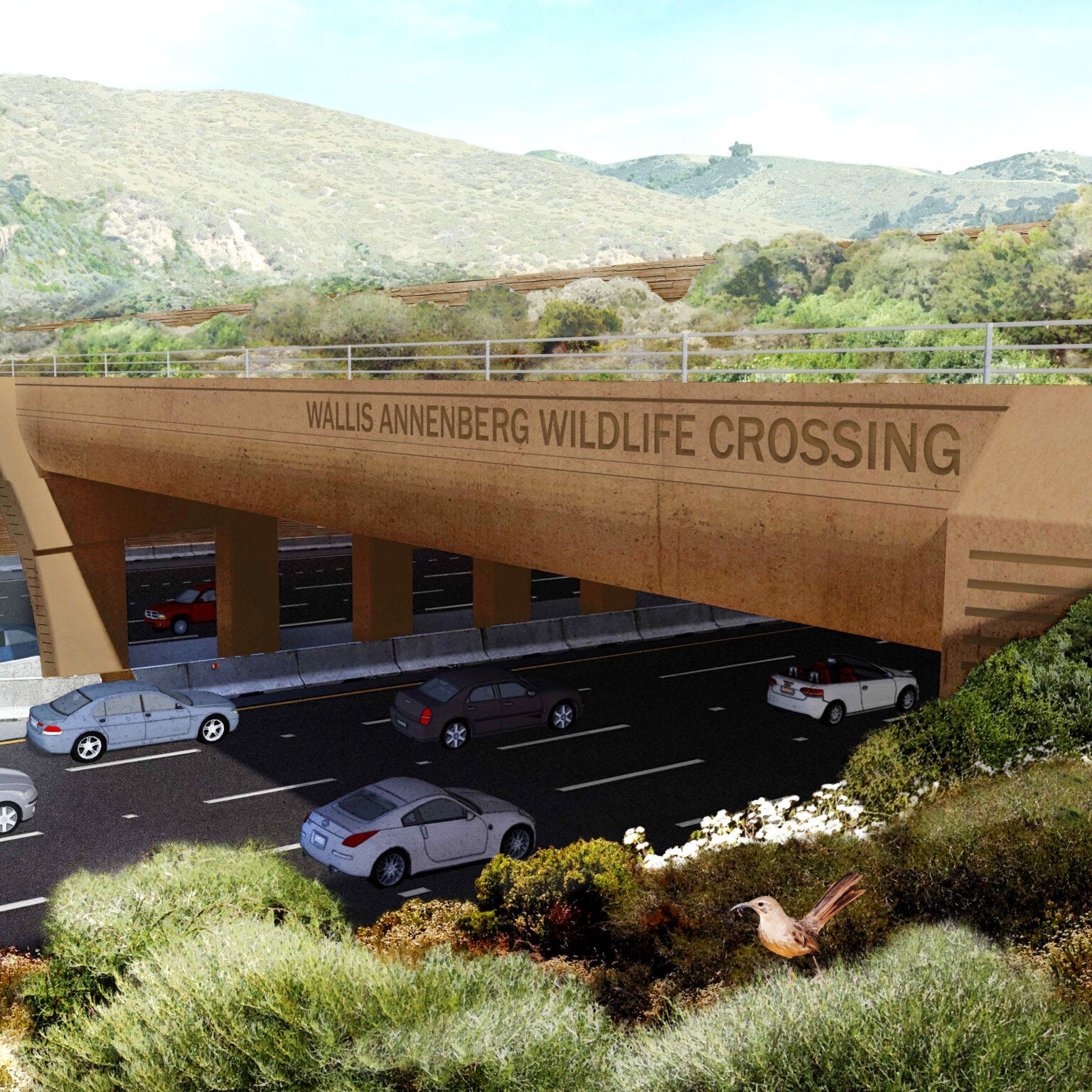
A related, more infrastructure-heavy subset of corridors involves building “wildlife crossings.” These are man-made, wildlife-friendly structures that connect two or more habitats divided by human infrastructure, most often a road. Kevin wrote about this in two pieces for Rewilding (here, and here).
Meanwhile, the presence of keystone species can in many cases support other climate objectives: wolves with forests, beavers with building up groundwater to resist wildfires, sea otters with preserving and growing kelp cover, mangroves with adapting to increased storm surge. A new initiative, Animating the Carbon Cycle, aims to further study these links.
In the UK, books like Isabella Tree’s Wilding: The Return of Nature to a British Farm have helped inspire a new cultural moment. She documented how she and her partner Charlie Burrell had rewilded Knepp, an inherited, underperforming property that had been subjected to intensive farming.
Across their 3500 acre property they substituted traditional cattle for wilder Old English Longhorn cattle, and reintroduced species like beavers and white storks (which became the first to breed in the UK in 600 years). Today, tourists and students can visit Knepp for a glimpse of how an older, wilder UK might have looked, while rendering Knepp profitable and self-sufficient. (There’s a terrific new documentary on their work here).
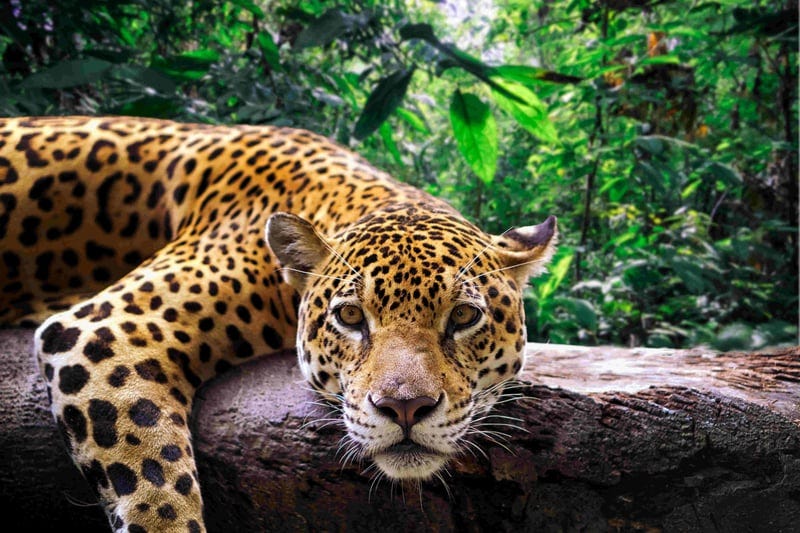
Similar projects have sparked throughout the UK and EU in its wake, from the Scottish Highlands to the Italian Apennines. But rewilding is of course not just confined to the US and Europe: you can find successes and bold new ideas in Guatemala, India, throughout Africa, and the continent-spanning Jaguar Rivers Initiative in South America.
Even in a major metropolitan area like New York City, the Billion Oyster Project has been restoring historically lost oyster beds, which have helped with storm surge protection, water filtration, and supporting a more biodiverse harbor.
The Global Rewilding Alliance, co-founded by Re:wild, now unites 125+ groups in 70 countries, working to rewild more than 100M hectares of land and sea.
Rewilding isn’t just important for nature: it has been proven as an economic force in its own right, through market mechanisms, ecotourism, and unlocking additional benefits beyond nature.
Rewilding has created entire markets. One of the most successful examples of this started here in the US, with wetland mitigation banking.
Wetland mitigation banking is a system where developers can offset unavoidable destruction of wetlands by purchasing credits from third parties who restore, enhance, or create wetlands elsewhere. It was birthed directly by Section 404 of the federal Clean Water Act, which established the no net loss policy for wetlands. This created the demand for mitigation credits, paving the way for specialized private companies to step in as “bankers” to supply them.
The mitigation banking industry in the US has grown to $6.2B in the US, largely due to this regulation, and has supported the growth of a diverse range of companies:
Project developers like The Westervelt Company manage large parcels of land specifically for large-scale ecological restoration to generate credits, applying deep expertise in hydrology, soil science, and species restoration.
Investment firms like Ecosystem Investment Partners (EIP) not only manage the projects, they raise and manage outside capital to generate returns from the restoration projects.
In 2024, the UK introduced its Biodiversity Net Gain law, which now tasks project developers with ensuring properties they work on be overall biodiversity net-positive. If they can’t meet those goals, they can offset their impacts nearby, or buy credits through the UK government.
“Biodiversity Net Gain is transforming nature restoration from a part time philanthropic endeavour into a serious, scalable business model,” says Rich Stockdale, founder of Oxygen Conservation. “Across three estates in England, we are restoring natural processes at scale — rewiggling rivers, expanding native woodland, creating scrubby wood pasture, wildflower meadows, wetlands, and ponds.”
The result will be thousands of BNG units for infrastructure partners, enabling development across the country to move forward while directly enhancing nature. “BNG proves that when nature is properly valued, recovery can be done at pace, and scale, and be commercially investable,” says Stockdale.
The economic engine of tourism is one of nature’s most powerful allies. Ecotourism, wildlife watching, and adventure tourism represent a significant and growing share of the global economy. The global ecotourism market size was valued at approximately $270.5 billion in 2025 and is projected to nearly double to about $551.8 billion by 2035. Safari tourism in Africa is a $17B industry, which has helped conserve and restore millions of hectares of land.
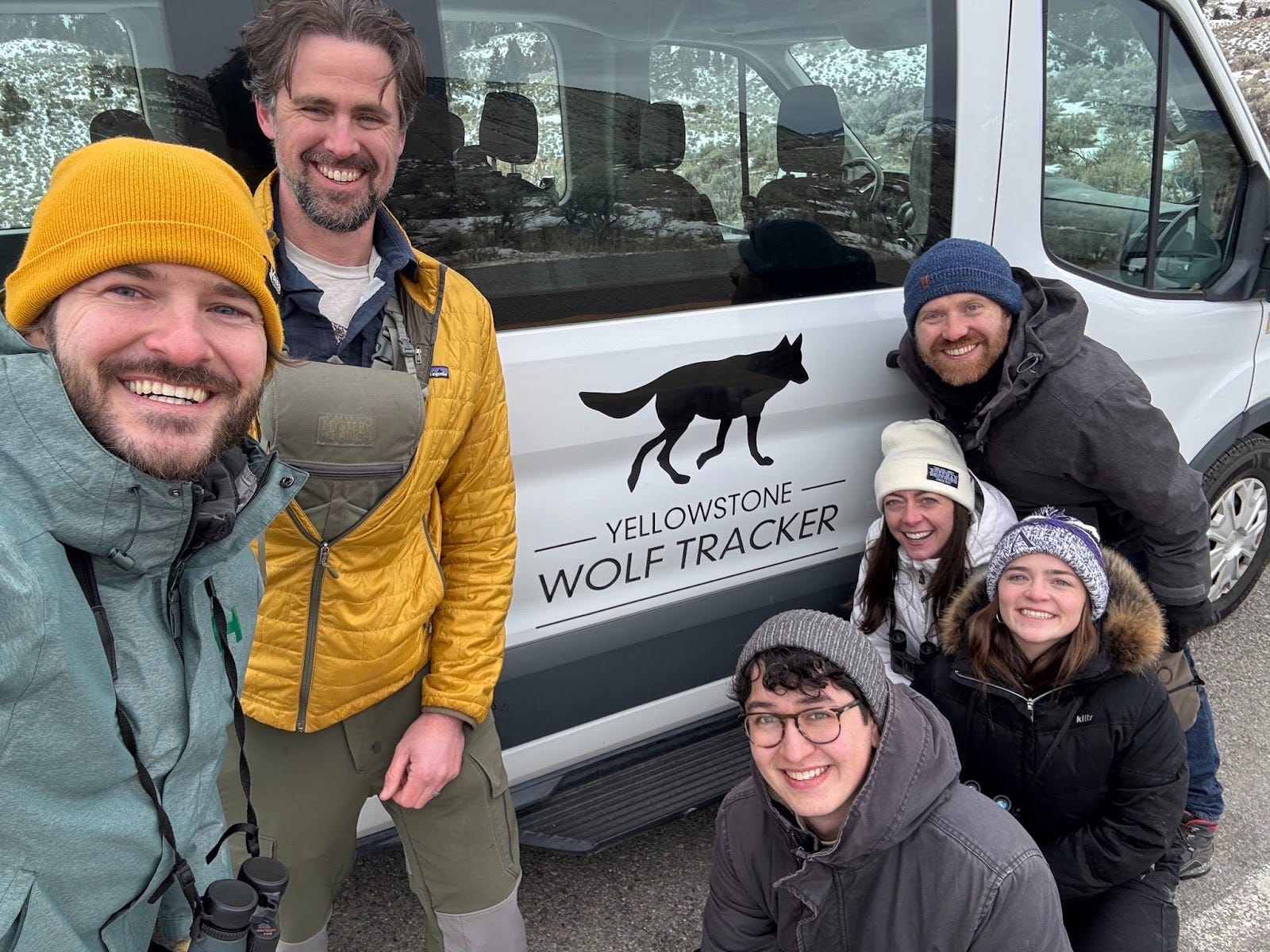
By restoring large, charismatic megafauna and vibrant ecosystems, rewilding projects can become powerful new tourism destinations. The wolves reintroduced to Yellowstone now bring an estimated $82M in tourism dollars to the region annually.
Community engagement: Restoration work can reconnect the public with nature.
Adaptation and resilience: BCG found the economic value of nature (in the form of ecosystem services) to be worth over $150T annually—more than the world’s GDP.
Savings and co-benefits: In some cases, rewilding can translate to reduced water use, cooling/heating, storm resilience, improved water quality, and property value uplift.
Health benefits: Wild habitats can support individual and community mental health (as relayed in Florence Williams’ The Nature Fix). Meanwhile, fragmented ecosystems bear a higher risk of potentially pandemic-causing disease spillover.
Of course, rewilding is not without its tensions and practical challenges. Successful efforts require deep, sincere community engagement and participation. As Nattergal advisor and Rewilding the World host Ben Goldsmith noted, “You can’t take it as a given that the neighbors will be happy with a land use change as drastic as rewilding.”
To name a few of the challenges rewilding initiatives have encountered:
Predators: The reintroduction of large carnivores to landscapes can come with very real consequences for livestock, farmers, and in rare cases, to humans. In some cases, they can also compete with hunters for game.
Competition: Wild species may compete with animal agriculture for the same resources. In Point Reyes California, once-endangered Tule elk were reintroduced in 1978. With a population of a few hundred individuals, ranchers worry they compete with their collective 5,000 head of cattle for food and water.
Resource use: Habitat fragmentation is tied to human needs: more housing, access to resources like logging or mines, transportation such as highways or railways. Reconnecting fragmented landscapes, or preventing their fragmentation in the first place (as through the recently rescinded Roadless Rule), can mean significant economic consequences for certain industries.
What baseline? With population growth, returning to a “pristine” baseline can sometimes be impractical, if not impossible. With climate change, species that might have been able to thrive hundreds of years ago may no longer be suitable for a given area.
Almost wild: While the goal of rewilding is to be hands-off once an ecosystem is restored, ongoing management of animals, habitats, and surrounding communities is often required.
Ethicist Dr. Ann Thresher noted that rewilding has its share of complexities. There’s the values choice of what makes for a healthy or ‘good’ ecosystem (Jones, and explored in Emma Marris’s Rambunctious Garden), and the impacts inherent in forming novel ecosystems (Santana). There’s also the challenge of grappling with a version of “wild” that can somehow exclude humans, when our species has been deeply intertwined with so many ecosystems for millennia (Whyte).
On that point, Indigenous-led conservation helps protect hundreds of millions of hectares of habitat globally, and has been behind some of the most exciting reintroductions of the past few years. Just recently in North America, this includes Medicine Fish’s Menominee Buffalo Initiative, the Yurok tribe’s recent reintroduction of the California Condor in Northern California, and the Upper Columbia United Tribes’ collective effort to return salmon to the Upper Columbia River.
New initiatives like Re:Wild’s Indigenous Peoples & Local Communities Guardianship Fund and the Indigenous Rewilding Network are now supporting people-centered approaches to returning nature not just for its own sake, but for its generations-spanning interconnections with culture.
At Superorganism, much of our investment philosophy ultimately boils down to a simple question: how can we increase human well-being and have more nature?
To get there, we’re interested in any tools or technologies that can make rewilding cheaper, safer, and more precise. This includes:
Mapping, Data, and Planning: How do we identify and secure parcels for rewilding? Once secured, what tools help to plan and manage these parcels?
MRV: A topic so important we dedicated last year’s For Good Measure piece to it, how do we measure, report, and verify biodiversity uplift after intervention?
Rewilding Infrastructure: What are the “picks and shovels” of restoration work? From biotech to robotics, how do we scale supply of seeds and species to restore, and help transplant them successfully into the wild?
Coexistence: Rewilding is for naught if humans can’t thrive alongside wilderness. What technologies can help people, domestic animals, and wildlife successfully share a landscape?
Flox, Grizzly Systems, Halter (for more on the idea of virtual fencing for conservation, read this post by Sophie Gilbert)
Rewilding – along with the technologies, policies, and people underpinning it – is key to a healthier, more abundant, and altogether wilder future. And as always, if you’re building something here, drop us a note at hello@superorganism.com!
Special thank you to folks who spoke with us in support of this piece: Ben Goldsmith, Quinn Harrison, Harvey Locke, IL State Representative Anna Moeller, Gwen Obermeyer and Karl Campbell of Re:Wild, Rich Stockdale, and Ann Thresher.


We’re thrilled to back a team that is literally making it rain. Superorganism is proud to announce our investment in Supercool, a company hacking the weather with fungi to trigger precipitation on demand.
For decades, cloud seeding has relied on silver iodide, a method that only works in -6°C conditions. Supercool is replacing chemicals with biology. By harnessing fungal-derived ice-nucleating proteins, their technology coaxes clouds to release rain and snow at much warmer temperatures (-2°C). This biological edge unlocks significantly more seedable clouds and expands the snowmaking operating season. More snowpack means healthier alpine ecosystems, wetter watersheds, and more available water for humans and nature alike.
It takes a force of nature to build a weather machine. Founded by fungal biotech powerhouse duo Dacia Leon and Michelle Grau, Supercool is starting by bringing bio-powered snowmaking to ski resorts. From the slopes, they’ll scale to quench water districts, fuel hydro-grids, and irrigate agriculture. The forecast? Supercool.
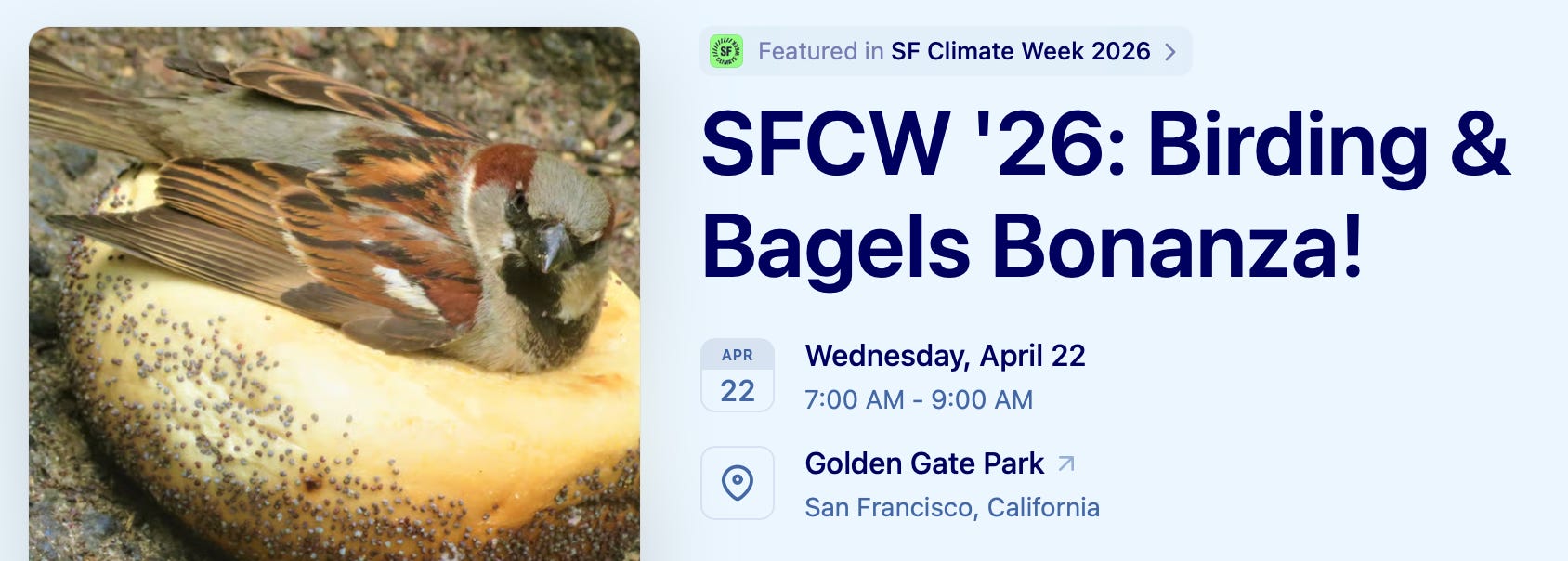
Birding and Bagels, our most popular NY Climate Week event for two years running, is taking flight to the West Coast for SF Climate Week! Co-hosted with Planeteer Capital, this ornithologist-guided walk will convene the bird-curious for a morning adventure through Golden Gate Park. We’ll be joined by pro birders from California Academy of Sciences, Golden Gate Bird Alliance, American Bird Conservancy, and beyond. Register below (and BYOBinoculars–we’ll bring the bagels)!
Updates from our portfolio companies, and from us at Superorganism
🌍 Amini has been named to Fast Company’s Most Innovative Companies of 2026.
🗺️ Aarden brought on Michael Gleason, a key hire to accelerate their energy and data center modeling efforts.
🌳 Cambium launched Inspiration Board, a curated gallery of completed projects from across the country and material source lists. Also, hats.
🌐 Cecil partnered with Emmi to show climate hazards, and shipped a new update to its SDK.
🌱 Foray published several new articles on its new Substack (our favorite one here), and was highlighted in MIT News and in the Founder Ashley Beckwith was recently interviewed on the Plant a Trillion Trees Podcast.
🍄 Funga was featured in the Guardian. “We’re not trying to isolate individual pieces of the soil community; we’re taking the whole thing. As a result, we get all the complexity and all the interactions that come with it.”
🐍 Inversa publicly launched iguana leather, and expanded their lionfish supply lines from Belize in partnership with Outrigger Impact. They’re hiring for 2 new positions, and are hosting a Nature x Code hackathon next week.
🗺️ LGND beta-launched their API.
🍫 Planet A Foods partnered with Nestle Germany.
🪴 Rosy Soil announced their $5M Series A in Forbes. Congratulations Chad and team!
🦅 Spoor published results of a 19-month study that found zero collisions of birds around an offshore turbine at the Aberdeen Bay wind farm, despite observing over 137,000 birds.
🪸 As for us at Superorganism:
Toniic highlighted why its members invested in Superorganism.
Tom was featured in the Stream podcast, and Kevin in the Grow Everything podcast.
Kevin is joining the XPRIZE Global Visioneering Brain Trust in the Energy + Climate + Nature domain, and supporting the AI x Nature Tech Accelerator.
Kit will be speaking at SynBioBeta 2026.
Want to join a Superorganism company? Check out our Jobs Board, with 48 active jobs currently available. Start your nature tech career today!
🦏 Conservation and Rewilding
Radioactive Isotopes Being Embedded in Rhino Horns Seen as Magical Anti-Poaching Solution | Good News Network
Restoration is a Team Spore | Funga.earth
Rewilding linked to dramatic increases in birds across Scotland | BirdGuides
Utah attempts massive Great Salt Lake rescue project ahead of 2034 Olympics | NBC News
The River Otters Remarkable Comeback | Rewilding Magazine
Giant tortoises return to Galápagos island after nearly 200 years | BBC
California Bill to Study Grizzly Bear Reintroduction Sparks Debate | State Affairs Pro
Kazakhstan plants tens of thousands of trees in giant effort to reintroduce tigers | Live Science
We nearly wiped out these creatures in California. Now they’re Pixar stars. | SFGate
Transformation’ in Sussex seabed marine life after trawling ban | BBC
🧬 Nature Tech
Finalists announced: Nature Intelligence for Business Grand Challenge | TNFD
Autopsy of the Agrifoodclimate Tech | EKAP Substack
A Detente Is Needed Between the Nature and Tech Communities: Here’s Why | Trellis
🔬 Science
Fungi Through the Ages | Kew
Neil deGrasse Tyson on Fungi | YouTube
Deadly virus outbreak at Bay Area state park spreads to nearby beaches | SFGate
IPBES Business and Biodiversity Assessment Publication | IPBES
A moth thought extinct for almost 150 years reappears on iNaturalist | iNaturalist
A new plant species was hiding in plain sight for decades | iNaturalist
The Integrated Biology Environment | Foray Bioscience
Future of Edge AI in biodiversity monitoring | arXiv
We Shouldn’t Want to Eat Like our Grandparents | NYT
🌊 Oceans
Pew-Bertarelli Ocean Legacy Applauds Chile for Protecting Over Half of its Ocean Waters | Pew-Bertarelli Ocean Legacy
Mismanagement of Antarctic krill fishery putting whales at risk, says WWF | Geographical
Thanks for reading and for supporting Superorganism, and a special thank you to everyone who went above and beyond this month with introductions, diligence, advice, and help to founders:
Erik Amundson, Colin Averill, Caleb Bell, Jon Biesse, Brandon Craft, Cheryl Dalrymple, Micah Elias, Laura Fox, Steven Fox, Luc Gerdes, Mike German, Alex Grant, Andre Haddad, Taylor Holshouser, Charlotte Kaiser, AJ Kumar, Sahaj Kumar, Trevor Laudate, Theo Ludwick, Chad Massura, Vid Micevic, Will O'Brien, Michael Tinmouth, and Chris Winter.
No posts
Comments
Nothing yet. Say the first thing.
Sign in to join the conversation.