
This is the first installment of a Bioregional Botanical Dye series I am undertaking this summer with support from Smith College Office of the Arts grant.
Scouring! A necessary (but dreaded by many!) fabric prep step for botanically dyed fabrics with rich, clear, even color. I think people dread this step because it is far from the most exciting part of dyeing (that would be the part when you finally dip your fabric in the dye bath!) but it does set you up with a strong foundation.
This scouring process is for vegetable fibers: i.e. cotton and linen. Protein fibers such as silk and wool are much more sensitive to washing and require a different approach. I’m only working with cottons and linens this summer (many of which are vintage and antique) so that is what I will be discussing throughout this series.
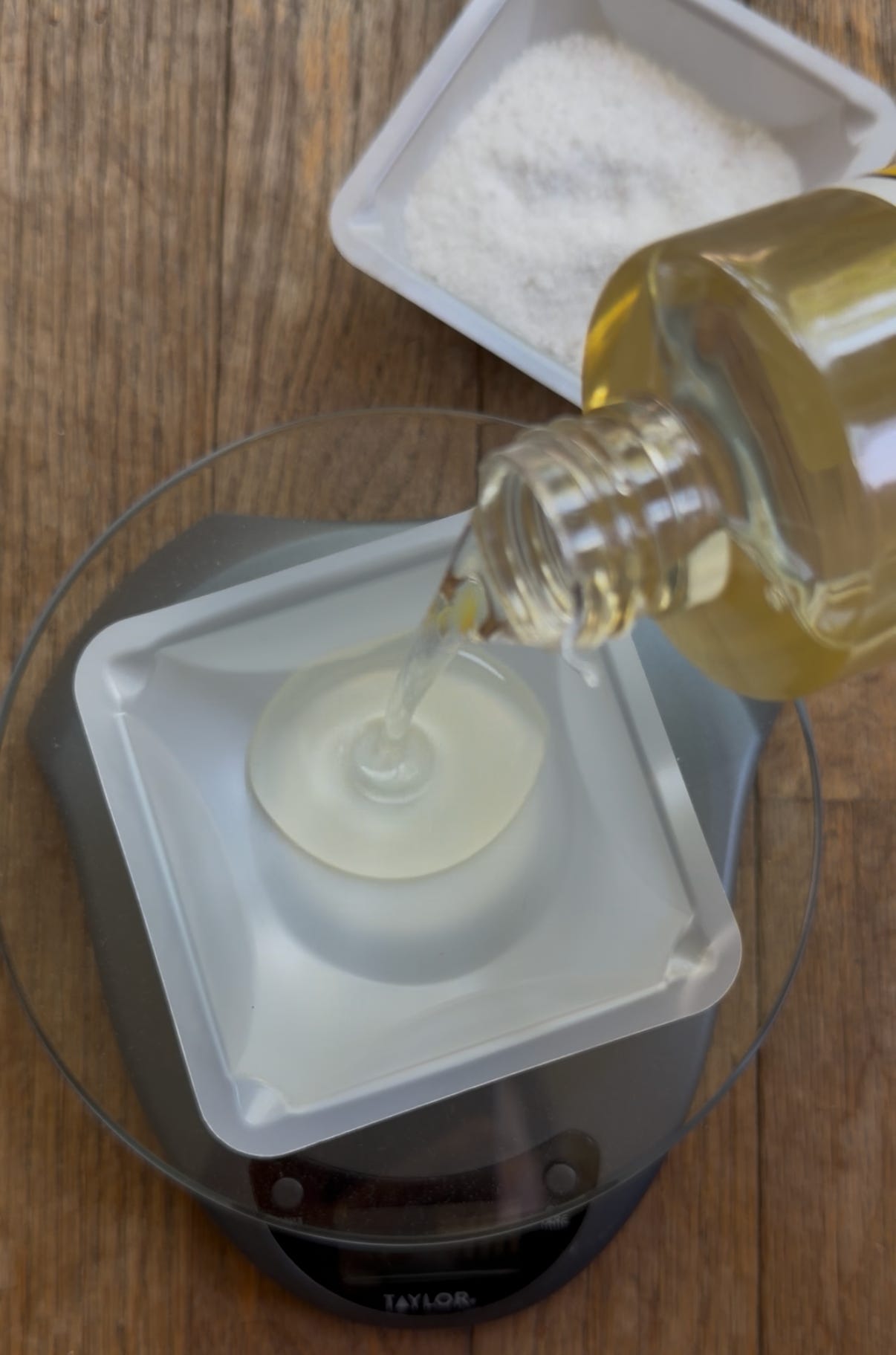
Weigh your fabric. In my case I had 1550 g of cotton and linen.
Measure out 2% of the w.o.f (weight of fabric) in soda ash. In my case 31 g soda ash.
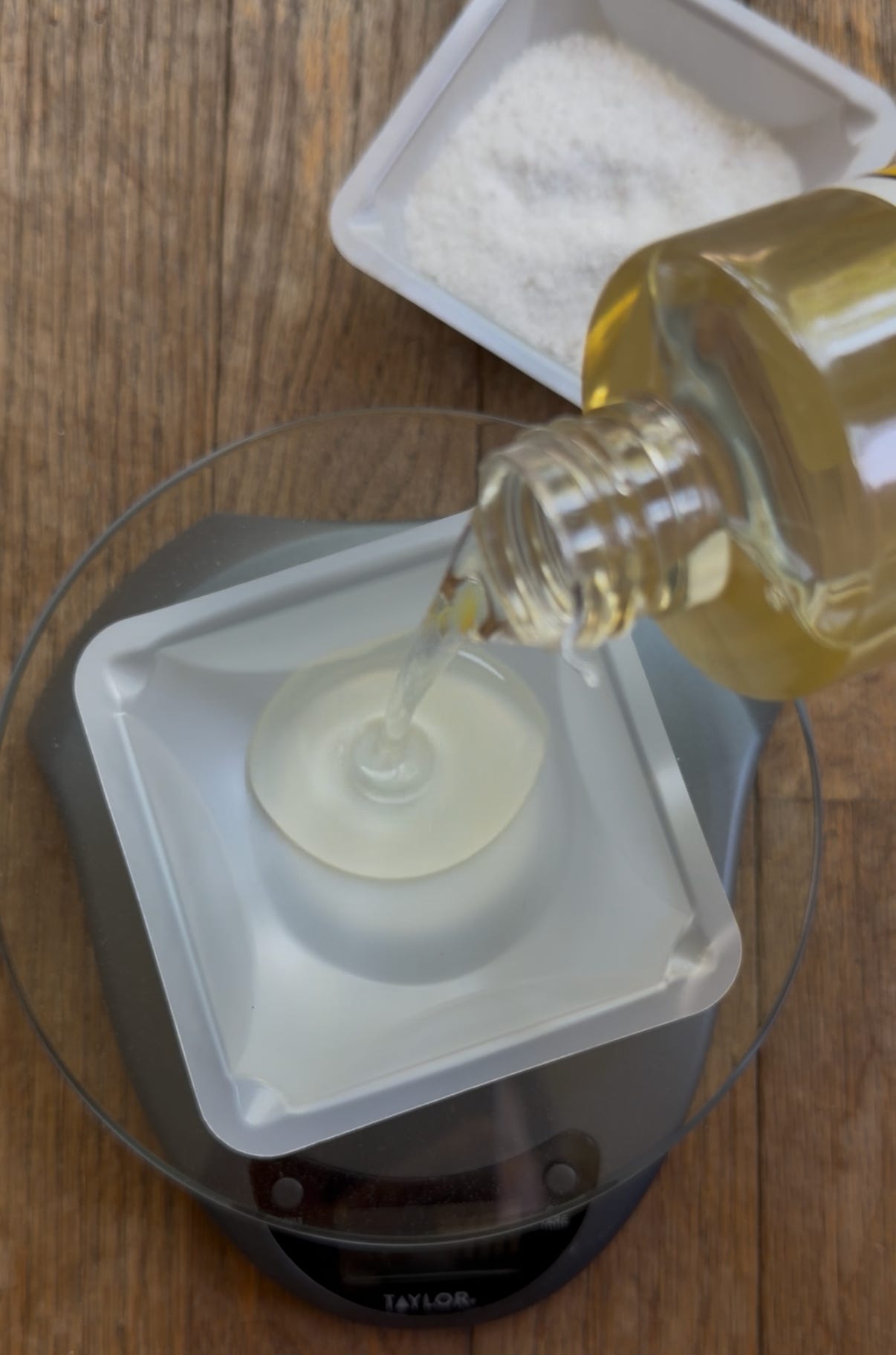
Soda Ash in the background, Synthrapol in the foreground. Measure out 1% of the w.o.f in a pH neutral detergent such as synthrapol. In my case 15 g synthrapol.
Heat up a large pot of water, big enough so that your fabric can move freely through it.
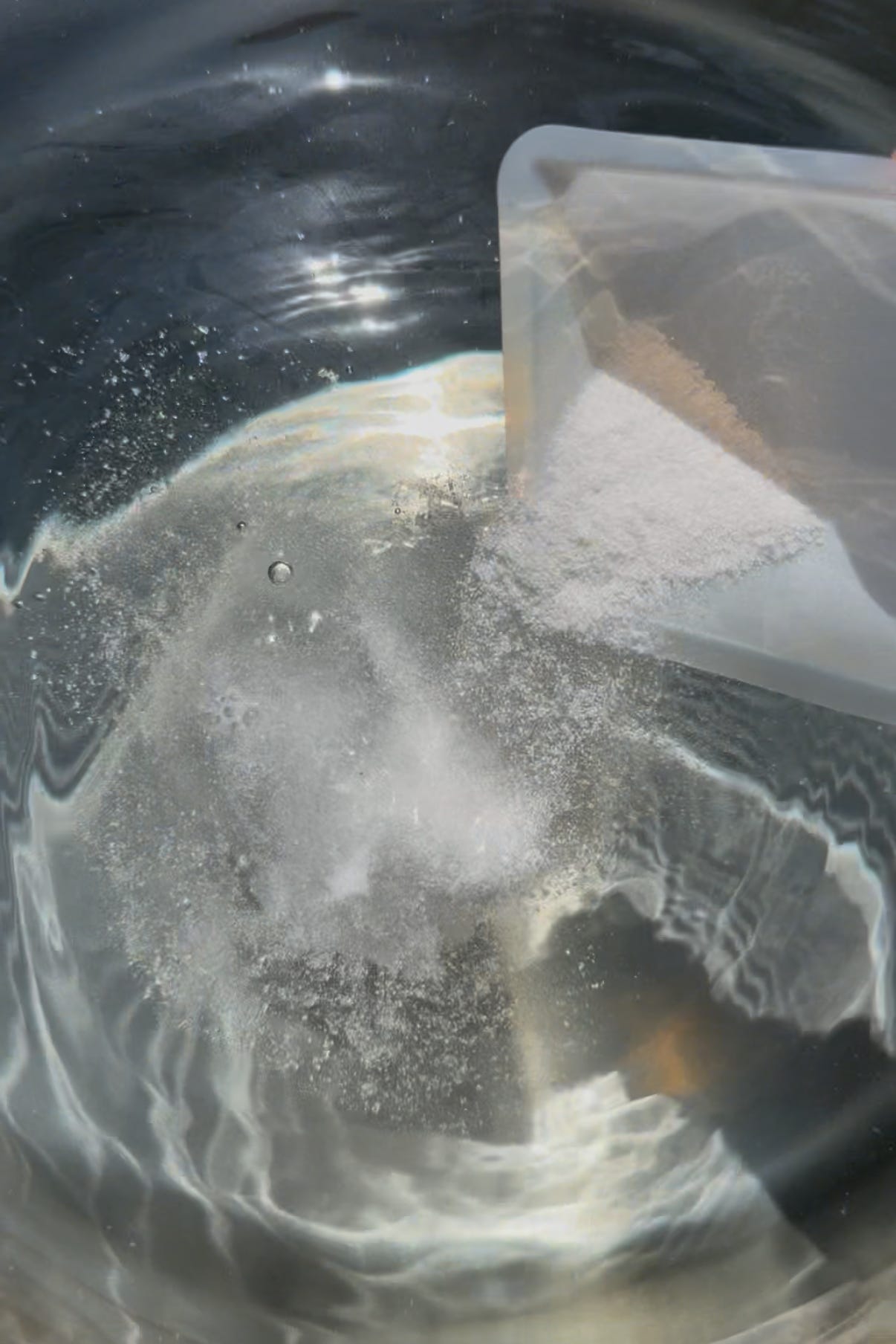
Once the water warms up, add the soda ash and mix until dissolved. Add in the synthrapol and mix until incorporated.
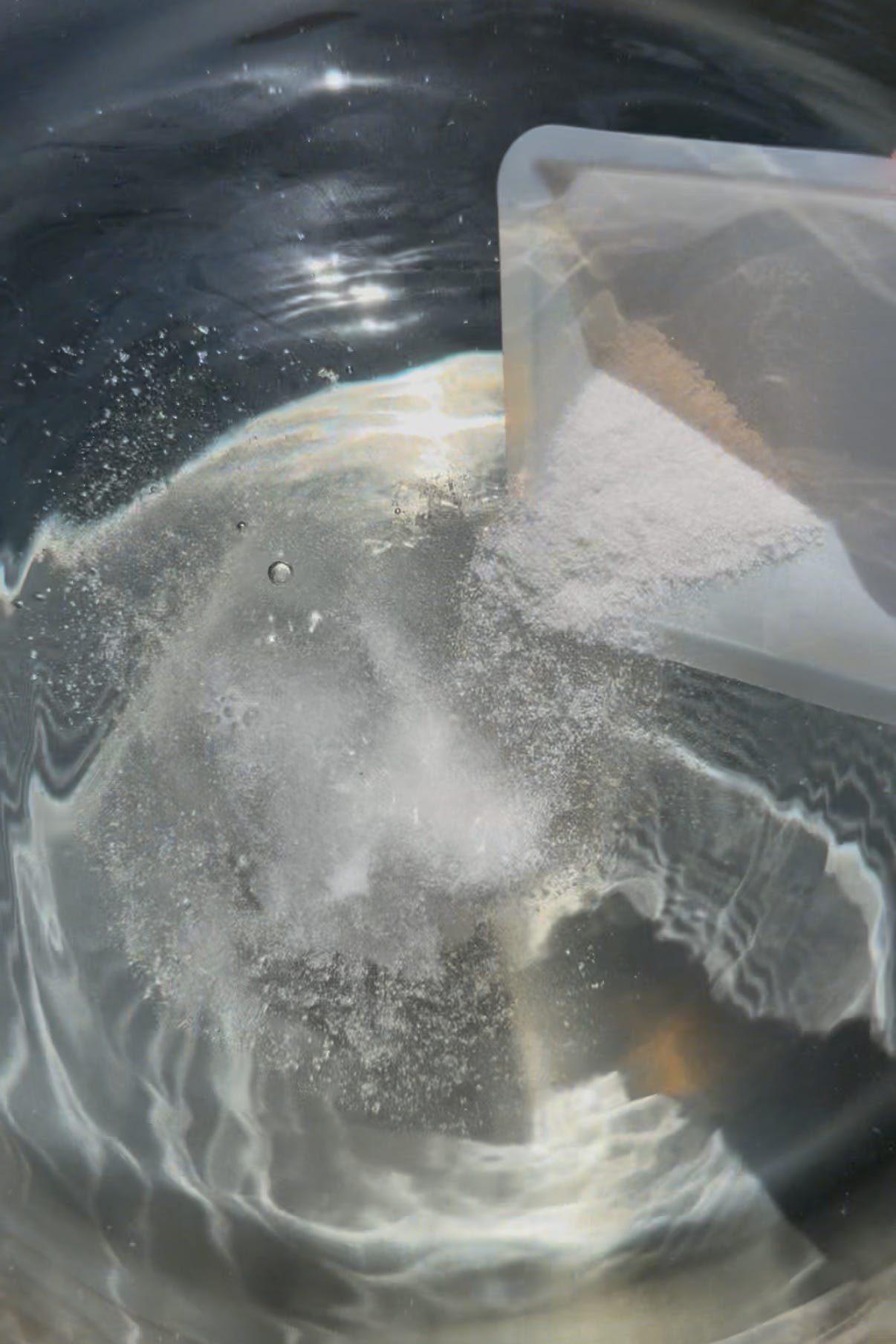
Shaking Soda Ash into a large, warm pot of water Add in the fabric.
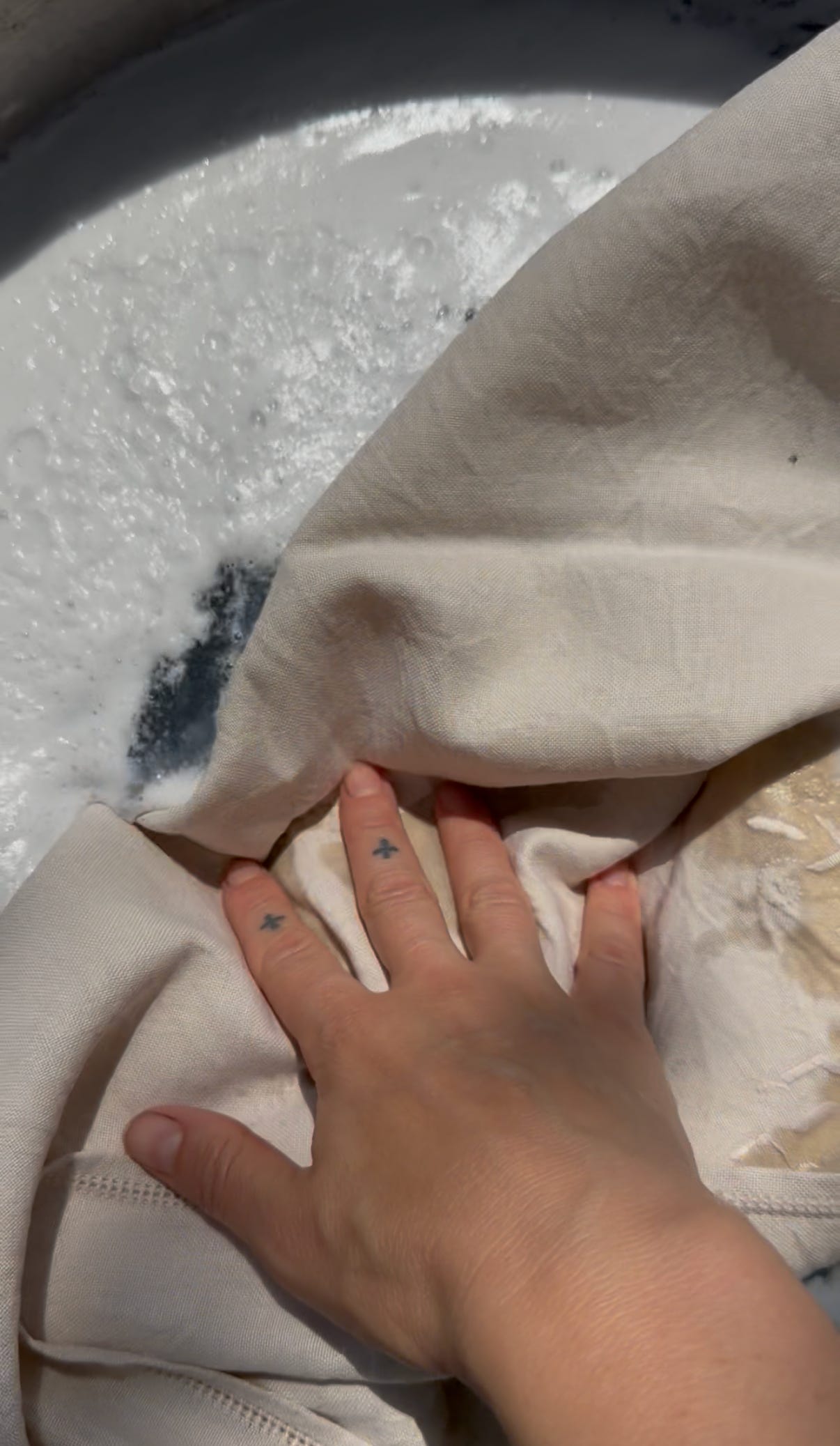
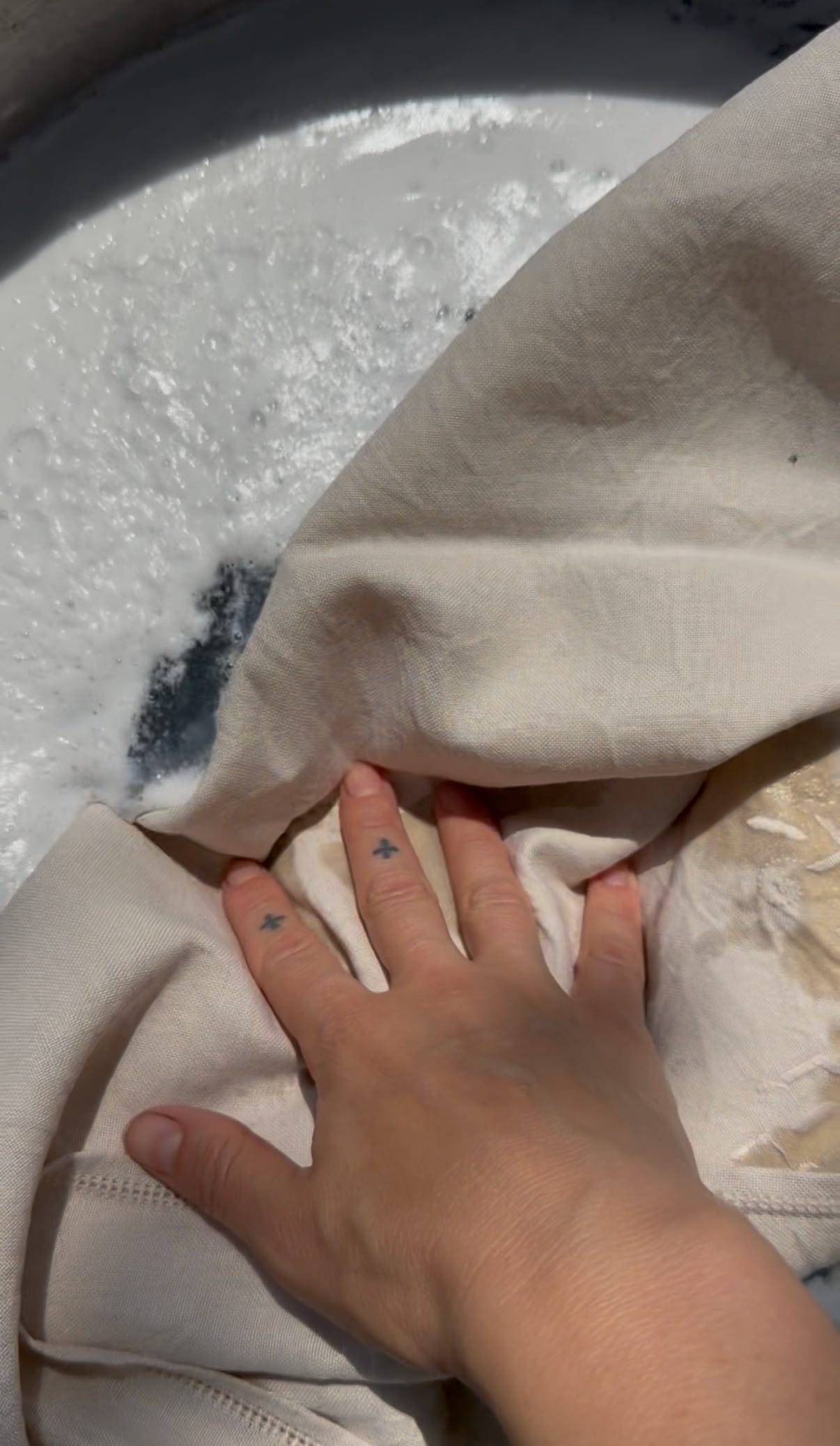
Ancient linens, meet hot soapy water Bring the water to a simmer and stir often.
Simmer for ~2 hours. Stir often to make sure all fabric is submerged.
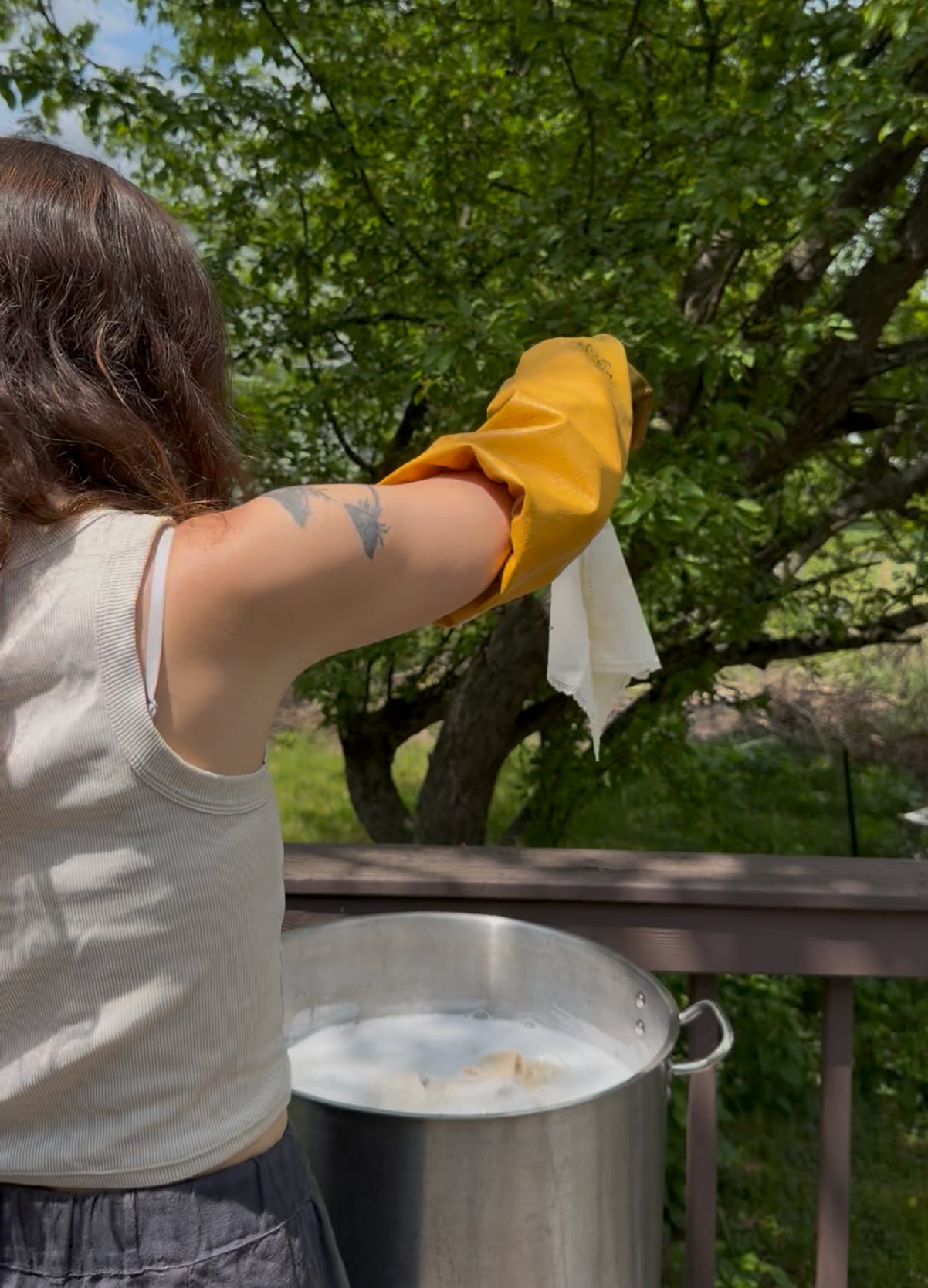
Above the elbow gloves are truly the best botanical dye accessory, so useful Allow water to cool enough that it is easy and safe to access the fabrics.
Run them through a rinse cycle in your washing machine.
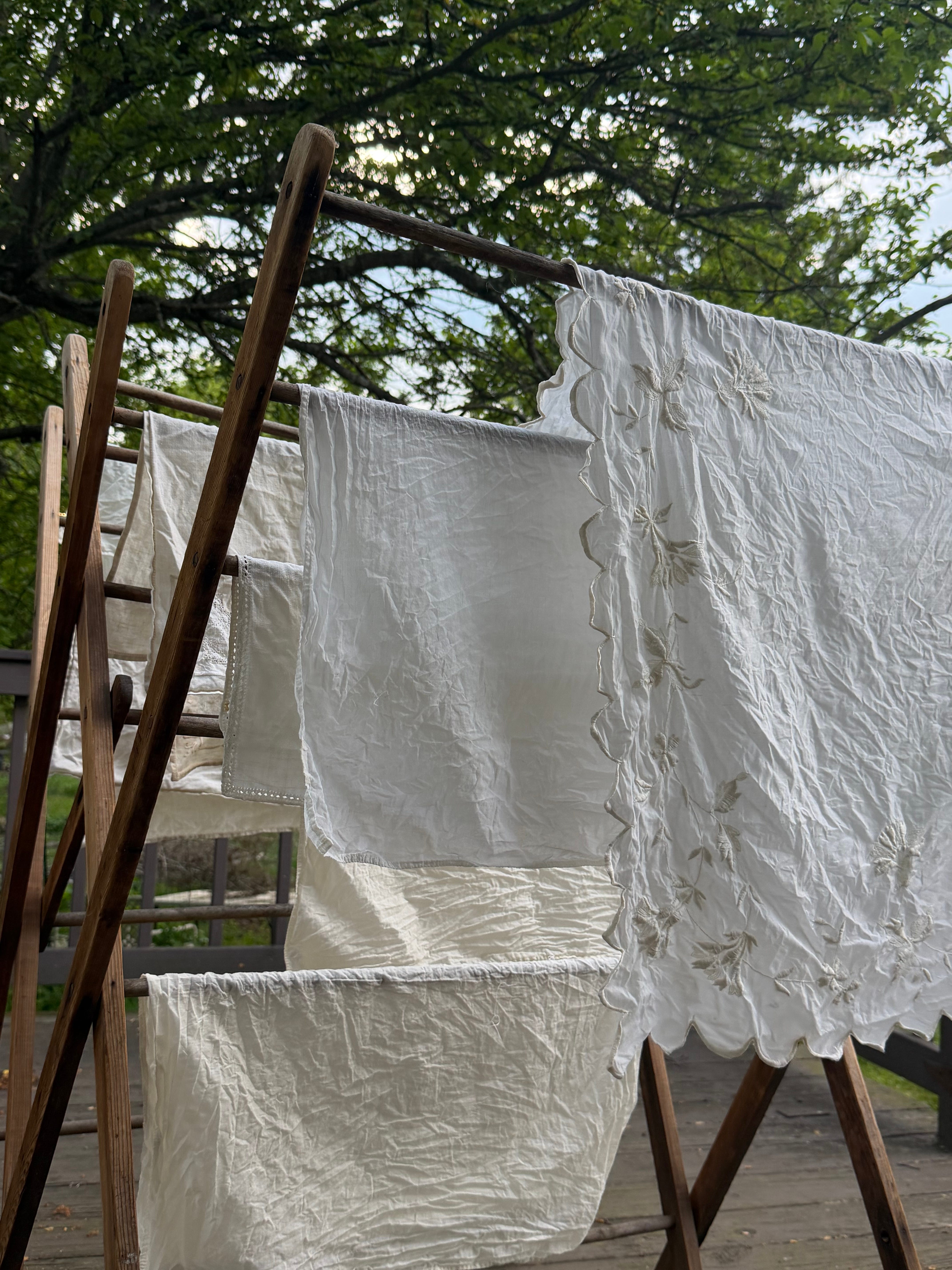
Hang to dry. (or submerge in water if they will be going into the mordant step in the next ~24 hours)
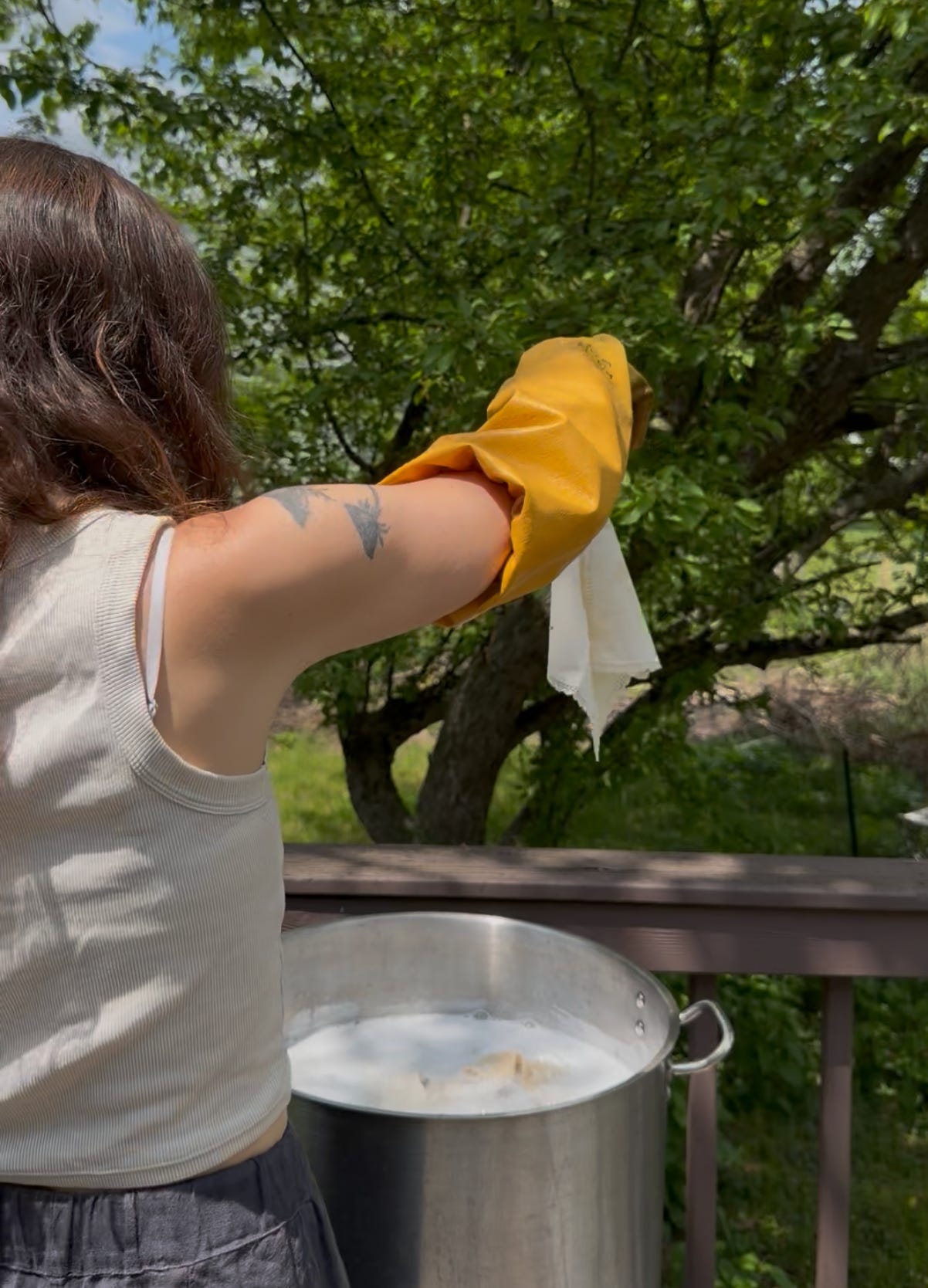
I made a short video of the process:
Caveat: there are some dyers who advocate for simply running your vegetable fibers through a long, hot wash cycle. Many dyers would argue that is not enough, myself included for most cases. But just leaving that information there for you to do with what you will.
The next installment in this series will be mordanting. I will be discussing Aluminum Acetate as a mordant as well as a plant based alternative: using soy milk as a binder.
If you are excited for this botanical dye series hit that little heart below! And feel free to ask botanical dye questions in the comments.
xx
Geraldine
Comments
Nothing yet. Say the first thing.
Sign in to join the conversation.