
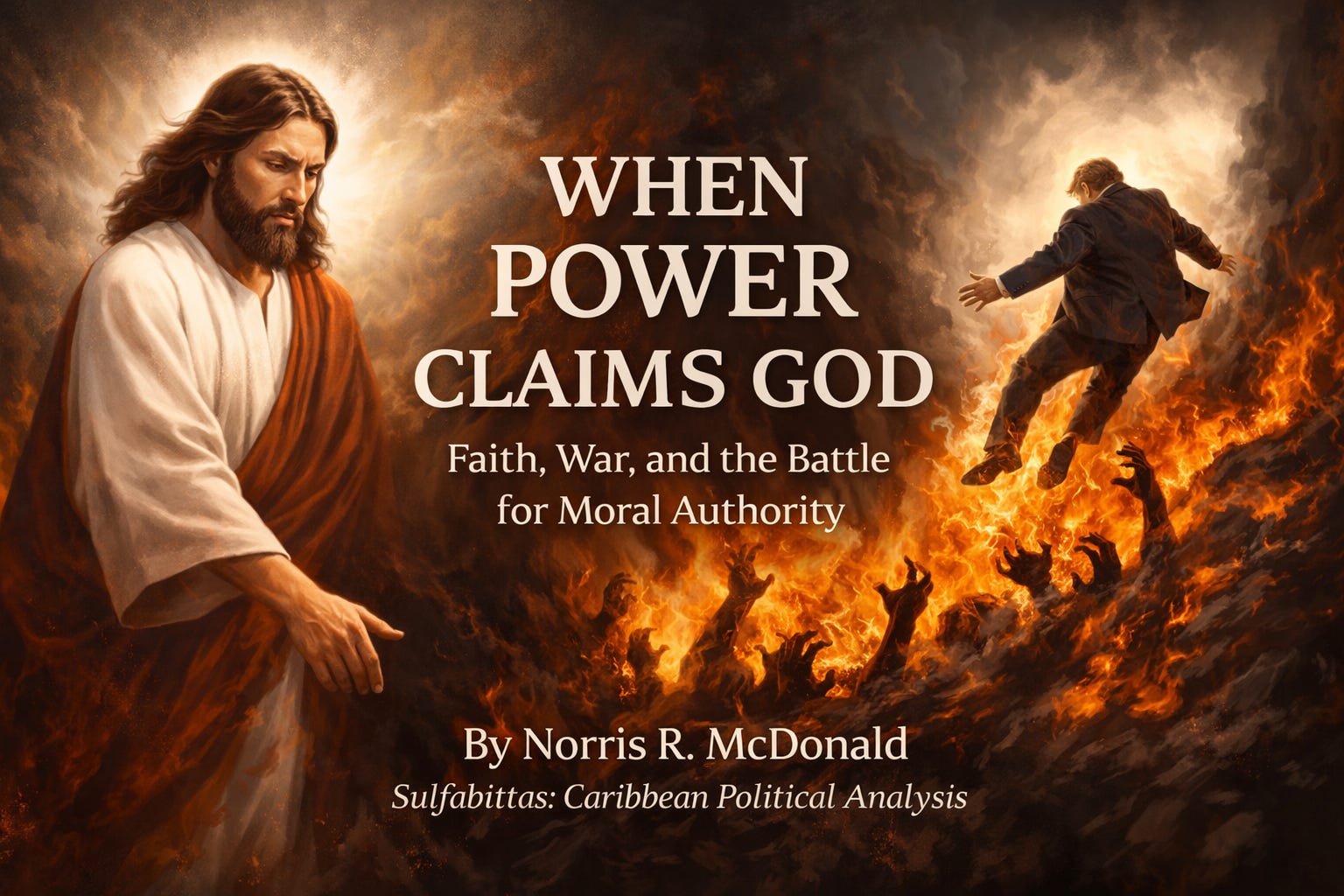
“Woe to those who manipulate religion… dragging that which is sacred into darkness and filth.”
— Pope Leo XIV (April 2026)
Share SULFABITTAS NEWSMAGAZINE
By Norris R. McDonald, DIJ, Author | Economic Journalist | Human Rights Advocate
From Washington to Tel Aviv, a dangerous transformation is underway: war is being repackaged as destiny, and religion is being conscripted into its service.
Donald Trump’s attack on the Vatican is not an isolated outburst—it is part of that transformation. What looks like a personal clash is, in reality, a struggle over moral authority in an age where war must not only be fought, but justified, normalized, and made to appear inevitable. When political leaders begin to wrap themselves in religious language, they are not defending faith; they are repositioning it as a tool of power.
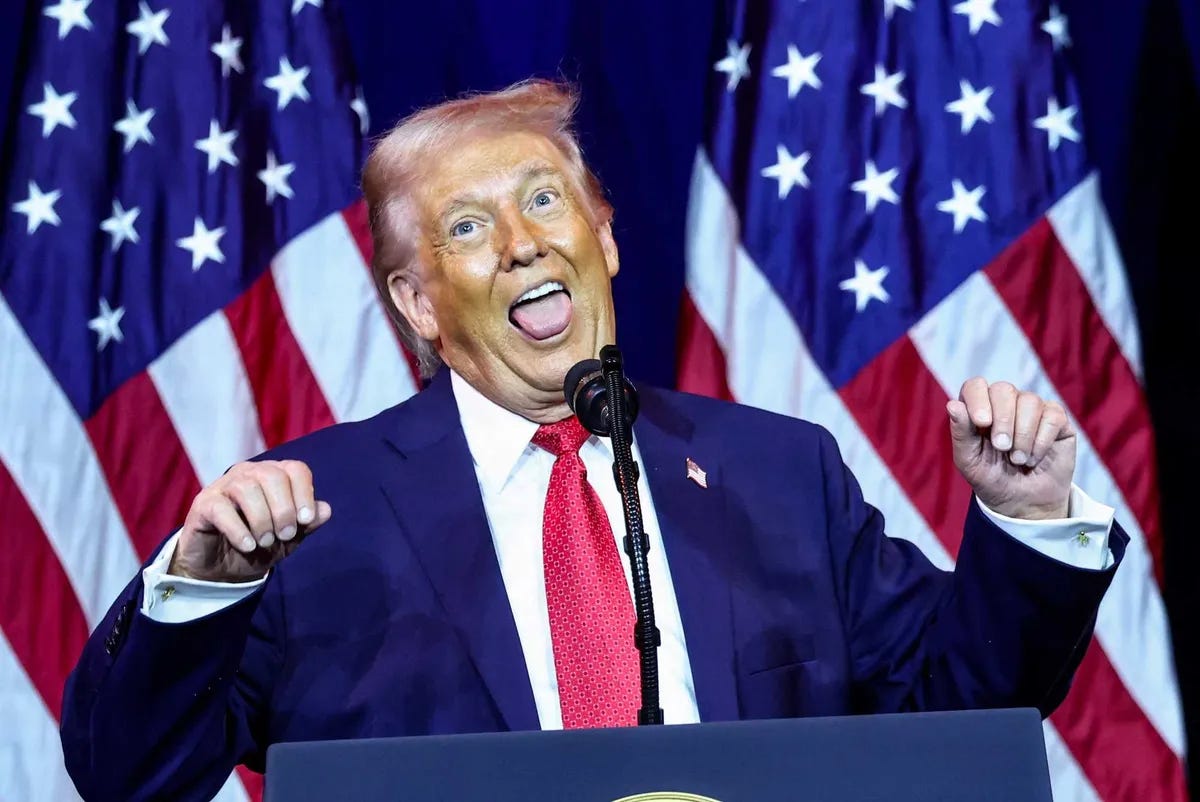
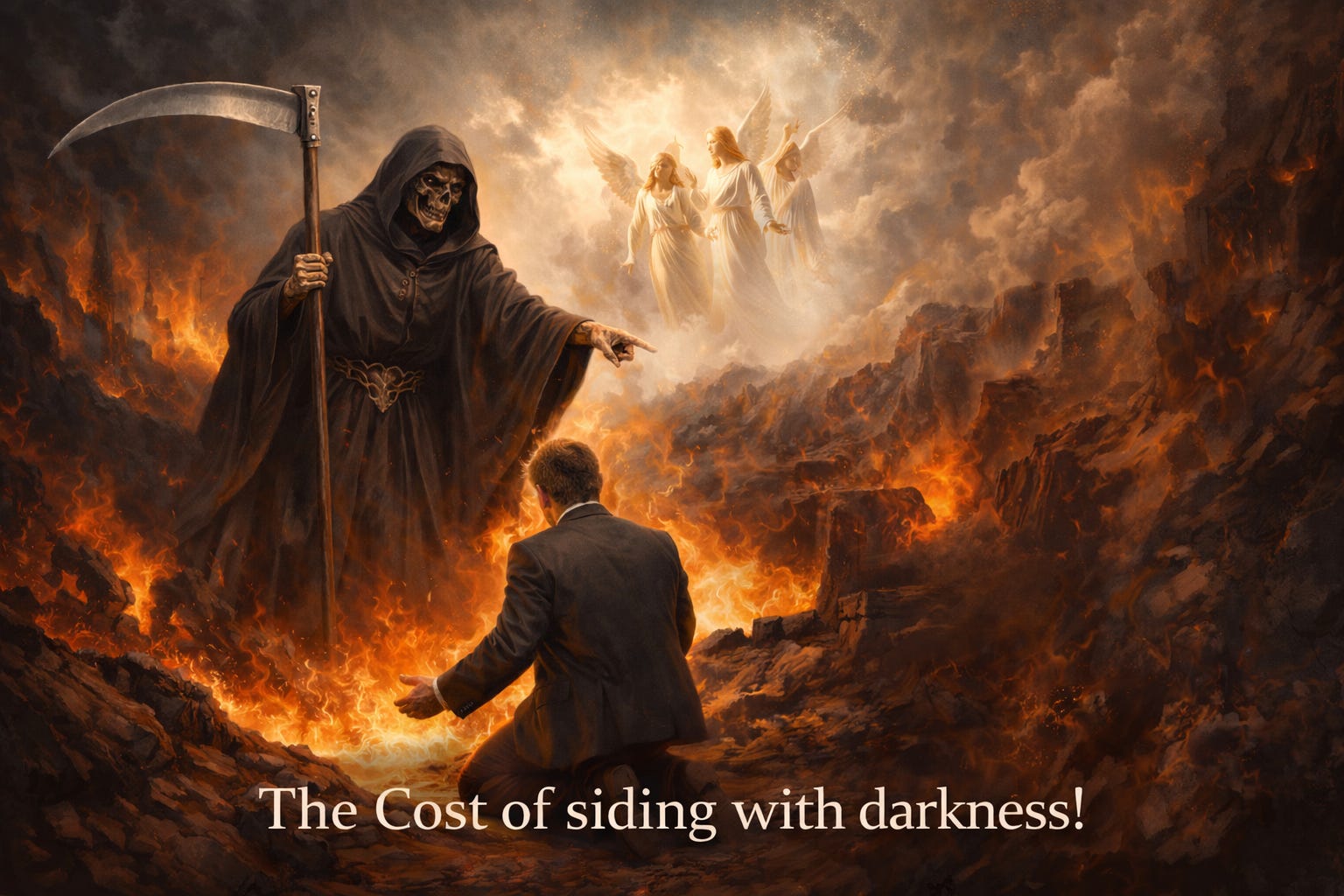
Trump’s rhetoric increasingly blurs the line between political leadership and divine sanction. Whether he believes in this framing or simply exploits it is ultimately secondary. The effect is what matters: he places himself beyond critique, beyond accountability, and dangerously close to moral immunity. In that space, religion is no longer a guide to ethical restraint—it becomes a mechanism for mobilizing loyalty and silencing opposition. Faith is stripped down and rebuilt as obedience.
That is why the response from Pope Leo XIV carries weight beyond symbolism. His insistence that religion cannot be subordinated to state violence without losing its moral core cuts directly against this trend. It exposes the deeper conflict now taking shape—not between individuals, but between two fundamentally opposed ideas: one that treats religion as a check on power, and another that uses it to shield power from scrutiny.
Comments
Nothing yet. Say the first thing.
Sign in to join the conversation.