
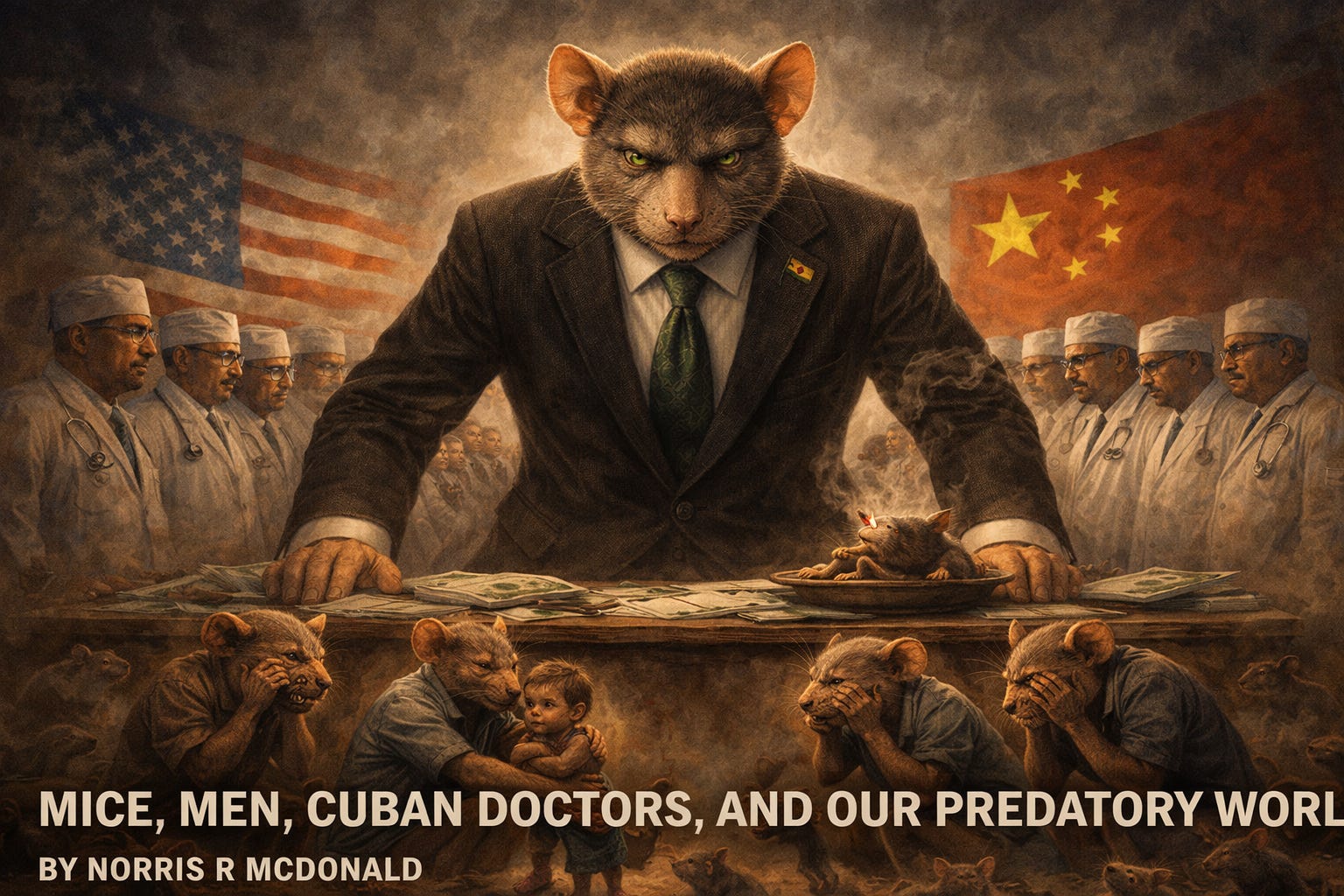
In Jamaica’s forgotten communities, survival is a daily battle—where untreated illness, poverty, and geopolitics collide. As Cuban doctors disappear and global powers tighten their grip, the question remains: who truly pays the price?
Share SULFABITTAS NEWSMAGAZINE
By Norris R. McDonald, DIJ
Author | Economic Journalist | Human Rights Advocate,

The daily struggles of poor Jamaicans – whether in rural districts or inner-city communities – rarely intersect with the grand narratives of global power. Their concerns are far more immediate: putting food on the table, caring for their children, and finding relief from the pain of an untreated toothache. For many, survival is a daily calculation, where even small health issues spiral into crises simply because timely care is out of reach.
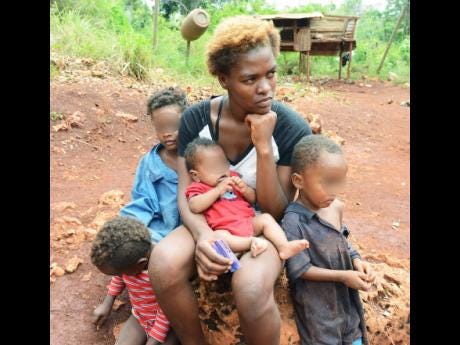
It is within this reality that the presence of Cuban doctors once made a profound difference. They served Jamaica’s poor with distinction, transcending partisan divides. Even amid the political turbulence of the 1970s between the People’s National Party and Jamaica Labour Party, Prime Minister Edward Seaga acknowledged their value. And although relations with Cuba deteriorated in the 1980s, Seaga still sought to retain the doctors – a testament to how essential their work was. Cuba declined unless diplomatic ties were restored, underscoring just how entangled healthcare and geopolitics had become, even when the needs of ordinary Jamaicans remained unchanged.
OPERATION MIRACLE: A BEACON OF HOPE

For thousands of Jamaicans suffering from cataracts, Cuba’s Operation Miracle offered not just treatment, but dignity. The removal or reduction of Cuban doctors and other medical personnel stripped clinics and hospitals of critical support. Over 25,000 Jamaicans had their vision restored through this initiative – elderly people could read again, farmers returned to their fields, and children finally saw the blackboard clearly. This wasn’t merely healthcare; it was empowerment.
Today, as Jamaica faces mounting economic pressures and natural disasters, the loss of that support feels like yet another blow to those already struggling.
Comments
Nothing yet. Say the first thing.
Sign in to join the conversation.