
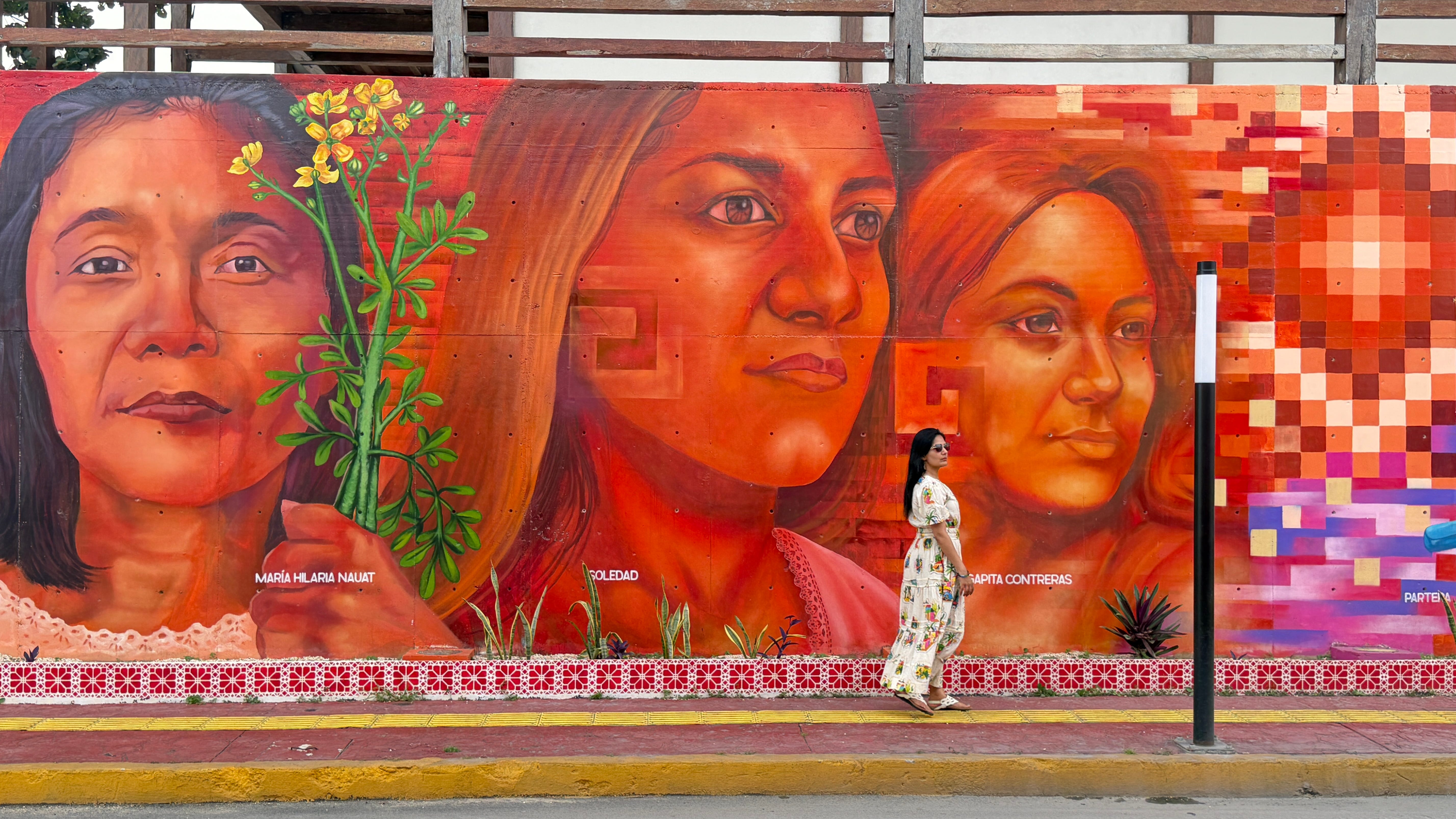
One of the most common comments I hear when I return from a work trip is, “That looked like so much fun!”
And yes, it often is. I get to visit extraordinary places, eat incredible food, meet people I might never otherwise encounter, and gain access to experiences most travelers don’t see.
But here’s what you don’t see on Instagram: I am usually working far more than eight hours a day.
A travel assignment isn’t a vacation with a notebook tucked into my handbag. From the moment I arrive, I’m observing, interviewing, photographing, recording, researching, and constantly asking myself: What is the story here?
On a recent research trip through Mexico, for example, I spent four to five hours a day in a car traveling between communities. Over the course of the trip, I recorded roughly 50 interviews and took hundreds of videos and photographs. Then I came home with all of it.
So, what does a travel journalist actually do on a trip—and what happens after we get home? Here are some of the questions I get asked most often.
It generally starts early and ends late. When I check in to a hotel, I first photograph my room before touching anything or even bringing my luggage in.
After a quick refresh, it’s time to check out the property with the GM or do a self-guided exploration.
Meals aren’t necessarily downtime. I’m photographing the buffet, looking at menus, talking to the chef, noting where ingredients come from, and making notes on what distinguishes this hotel from another I’ve visited.
Then I may spend several hours interviewing people, touring a site, attending dinners, tasting ingredients and taking vigrous notes.
Even during the drives, I am organizing my thoughts, reviewing what I’d learned, taking notes, and thinking about which questions I still needed answered.
By the end of the day, my body may be tired, but my brain is usually even more exhausted.
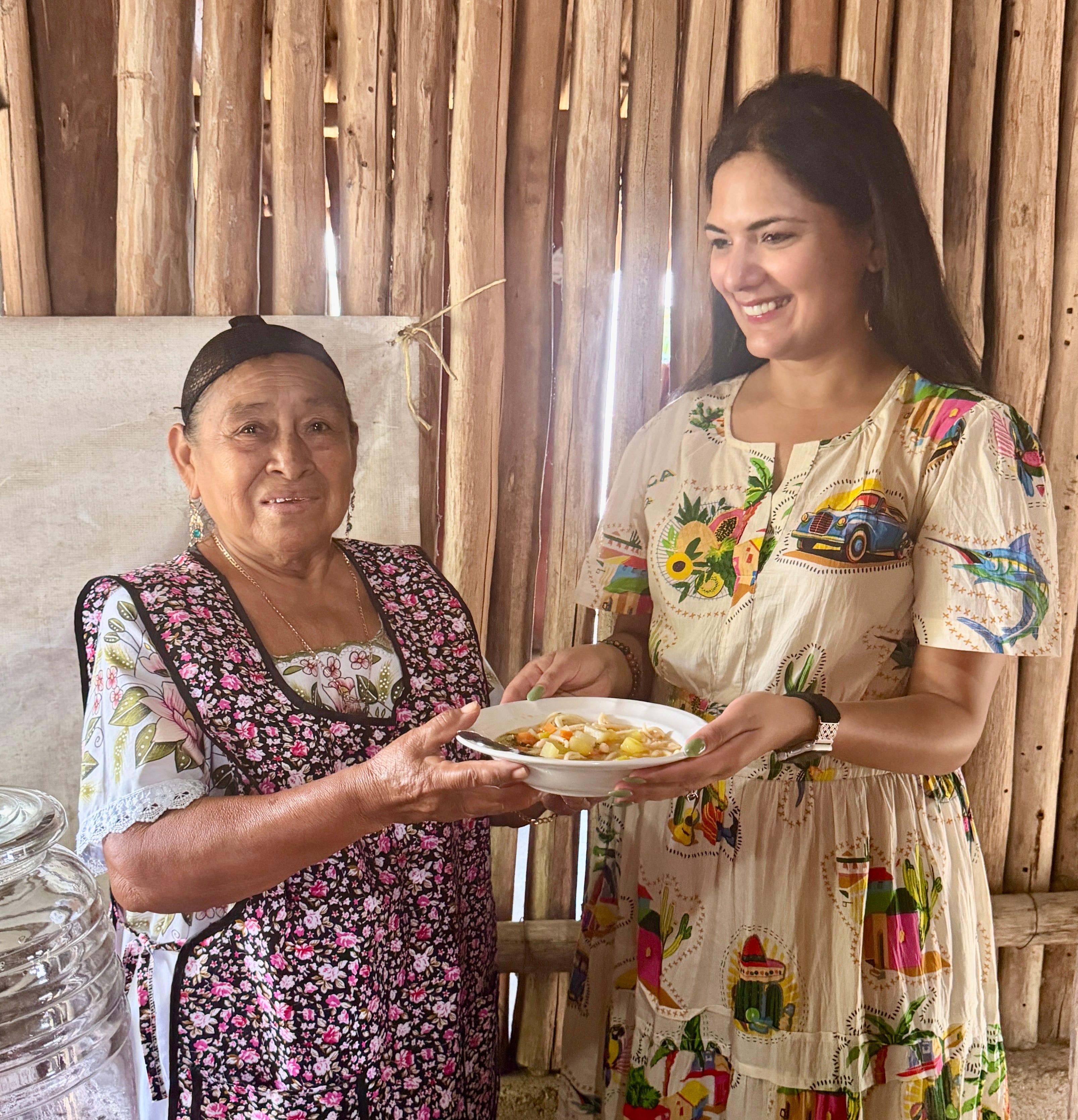
That’s where journalism differs from simply experiencing a destination.
I don’t want to passively listen to a presentation and repeat what someone tells me. I want to understand why it matters.
When I’m interviewing someone, I try to give them room to talk without constantly interrupting. Often the best information comes when someone gets comfortable enough to move beyond the rehearsed talking points.
But I’m also listening for gaps.
Who started this project? Why? Who owns it? Who benefits economically? Has tourism changed the community? How many people work here? Where does the money go? What happened before tourists started coming? What do residents want visitors to understand?
Sometimes one answer creates five more questions.
And sometimes the most interesting story isn’t the one anyone brought me there to see.
This may be the hardest part of travel journalism.
While I’m physically standing in a village, hotel, restaurant, or nature reserve, part of my brain is sitting inside an editor’s office.
I’m thinking: Where could this story fit?
Would this work for TIME, Fodor’s, or National Geographic? Is there a food angle for another publication? Could this become a sustainability story? Is there a hotel trend here? Is this person compelling enough to anchor an entire feature?
Different publications want different things. A detail that fascinates one editor may be irrelevant to another.
So I’m constantly filtering information through multiple editorial lenses while also trying to remain present with the person standing in front of me.
That mental juggling is one of the most exhausting parts of the job.
Because photographs are my second notebook.
I’m a very visual person. I can look at a photograph months—or even a year—later and suddenly remember the person, the conversation, the smell of the room, or what was happening around me.
That’s why I photograph things most people probably wouldn’t.
I photograph every dish before eating it. I photograph menus so I can later verify ingredients and prices. I photograph hotel room numbers, bathroom amenities, artwork, bedding, views, architectural details, signs, and information boards.
I’ll photograph the exterior of a building and then the door handle.
Those images become incredibly valuable when an editor accepts a pitch months later and asks for details that felt insignificant at the time.
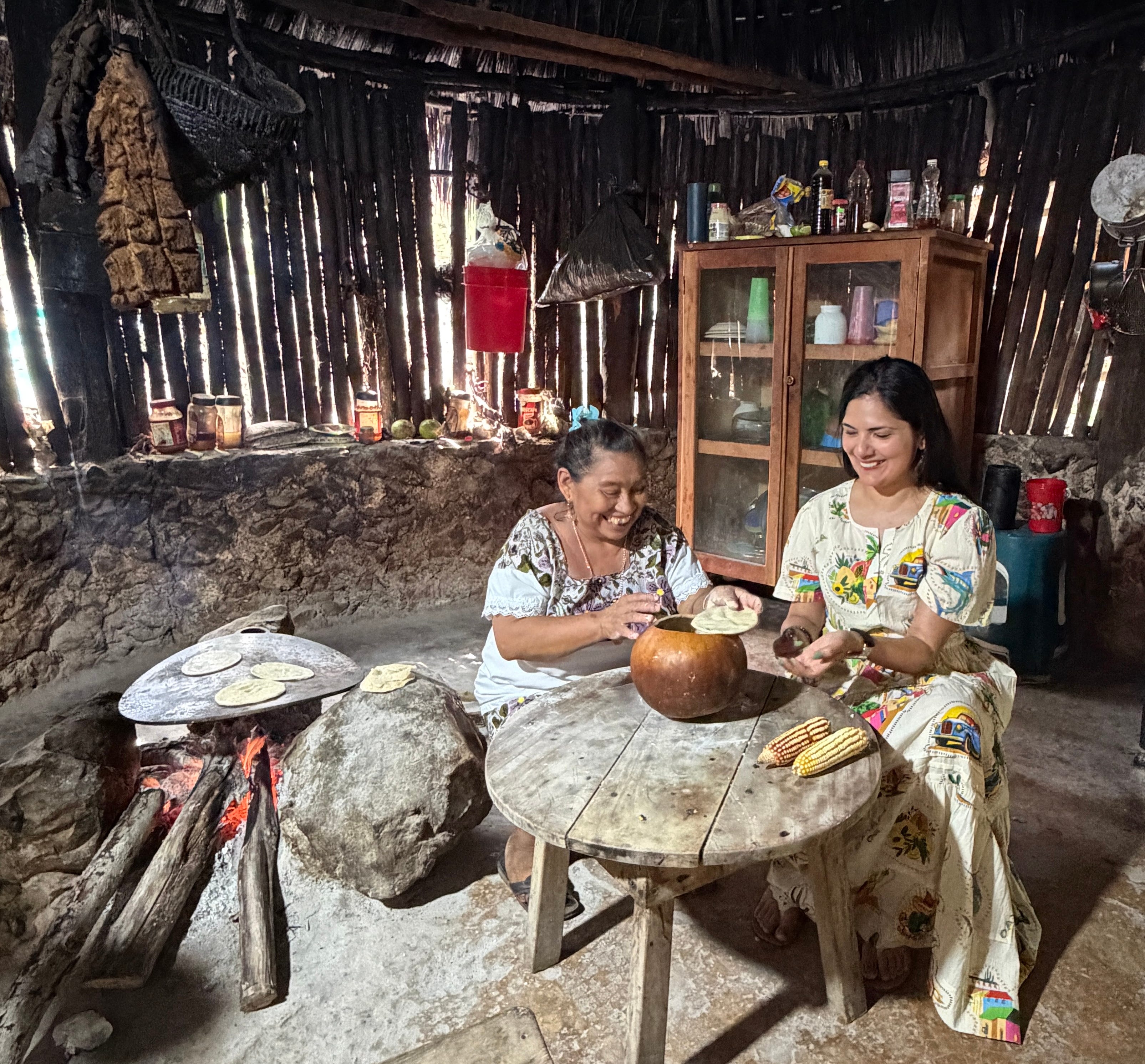
This may be the question I get asked most often.
Restaurant research can mean tasting an enormous amount of food. Sometimes a chef wants me to try nearly the entire menu. On a multi-day trip, that can mean breakfast, tastings, lunch, more tastings, cocktails and dinner—with very little control over portion sizes, ingredients or timing.
I do love to eat!
And yes, it affects my body. Travel journalism can mean irregular meals, rich foods, alcohol, dehydration, long periods sitting in cars or airplanes, disrupted sleep, and very little time to exercise.
The glamorous photograph of a beautiful dinner doesn’t show you that it may be my third multi-course meal that day.
Enjoying food is part of my work. Managing how that work affects my health is another part.
First, I need about three days to become a functioning human again.
There’s laundry, unpacking, mail, emails, household responsibilities, and the inevitable jet lag or exhaustion. But there’s also an enormous amount of information waiting for me.
I may come home with hundreds of photographs, pages of notes, recordings, business cards, menus, brochures and dozens of potential story ideas.
I have to organize it all while the experience is still fresh.
I review my notes and recordings, identify the strongest angles, verify names and facts, research what has already been written, and decide which stories are worth pitching—and to whom. That generally takes a week or two. So when a PR person asks me the day after I get back from a press trip about where I envision this story being placed, my response is a defensive, “I need some time to process first!”
The trip may be over. The work has barely started.
This is the part that surprises many people in tourism and PR.
It can take months. Sometimes more than a year.
After I return, I develop an angle and send a pitch. Then I wait.
An editor may respond immediately. They may respond weeks later. They may like the idea but not have space for it. They may ask me to reshape it. They may save it for a future issue. Or they may never respond at all.
Then I pitch another editor.
Once a story is commissioned, I research again, revisit my interviews, write the piece, verify facts, and submit it. The editor sends revisions. I rewrite. There may be another round of edits, questions, and fact-checking.
Photography may need to be sourced. Sources may need to confirm details. Publication dates may move.
That beautiful trip you saw me take last summer could become the article you’re reading this summer.
Absolutely. As long as you are in it for the right reasons.
What keeps me interested is gaining access to people and places I would never understand as deeply if I were merely passing through.
I love the moment when an interview shifts from polite answers to a real conversation. I love discovering a detail nobody put in the press release. I love meeting someone whose story changes the entire direction of my article.
And I love eventually seeing those hours of driving, interviewing, photographing, researching, pitching, and rewriting become a story that introduces readers to a place in a way they hadn’t considered before. And seeing how my little piece of writing may have some impact on the lives of people and communities.
That’s the part of travel journalism I wish more people could see.
If you work in tourism, hospitality, food, PR, or destination marketing, don’t just ask a journalist, “Would you like to visit?”
Tell me what I can’t learn from the website.
Who should I meet? What is changing? Who has been there from the beginning? What unusual access can you provide? What story hasn’t been told yet? And most importantly, why should an editor—and their readers—care right now?
Those are the conversations I want to have.
If you have a destination, hotel, restaurant, tourism project, or person with a story you think deserves deeper coverage, reply to this Substack and tell me the story—not just the itinerary.
I may already be thinking about where it could fit.
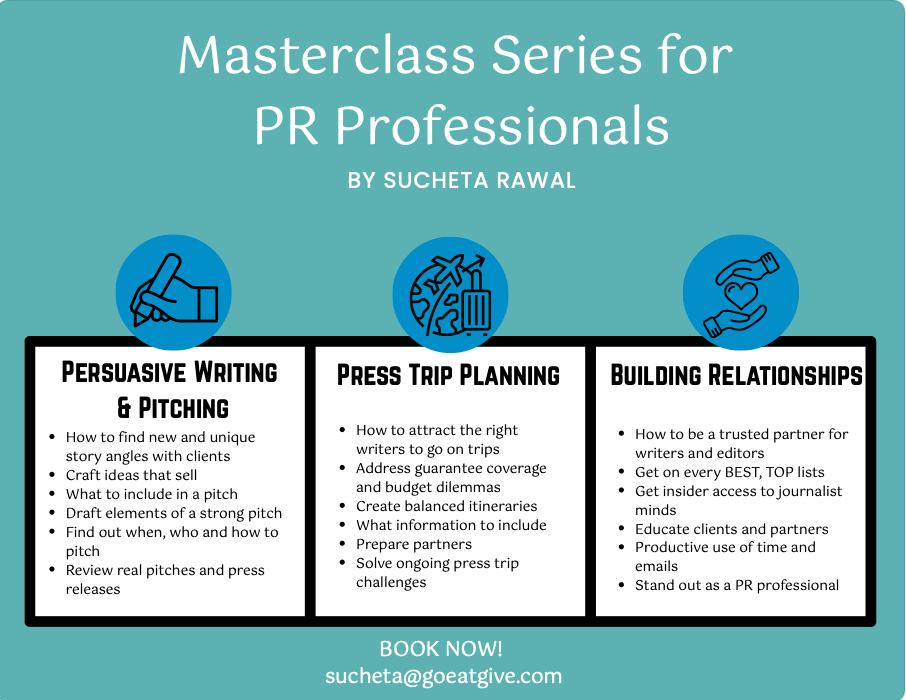
Please take a moment to read my Substack post about what I cover and the kinds of stories I would like to be pitched. Please do not follow up asking for deadlines, outlets, etc. I will reach out with details if your pitch is a good fit.
Themes
Trends in types of travel, new openings, where to go next, and most importantly, why in 2027. Can be the US or anywhere in the world. If you are open to hosting individual media on a press trip, please mention it in your pitch. No need to send pictures, and please don’t include large attachments. Deadline Aug 17
Places
Peru (going: October 2026)
I’m actively researching stories around Peru and would welcome conversations regarding hosted media stays, boutique hotels, sustainable tourism experiences, culinary programs, agritourism properties, food producers, and unique cultural experiences. Preferably in new destinations that have not been written about already.
Gift Guides (publishing: November 2026)
Planning ahead, as testing products consumes a lot of my time. I am looking for products related to travel, lifestyle, and culinary, but really anything worth giving and receiving. Must have a “give back” angle.
Northeast India (going: December 2026)
I am heading to India and would love to do a media visit in the Northeast states - specifically Assam, Meghalaya & Orissa. If you represent any hotels or tour operators in the area, let me know. Open to other locations within or around India as well.
This Landlocked Country Has a Navy, and the Reason Will Surprise You - Fodor’s Travel
From Makhana to Truffle Masala Truffles: My New Indian Snack Obsession - Khabar Magazine (Print)
Southern Elegance at Barnesley Resort - Georgia Trend Magazine
The 6 Most Beautiful Food Trails Around the World - Food & Wine
Why Buffalo, New York Deserves More Than a Stop on the Way to Niagara Falls - Go Eat Give
How Just 10 Words in Japanese Changed My Trip in Kyushu - The Real World by Trafalgar
Comments
Nothing yet. Say the first thing.
Sign in to join the conversation.