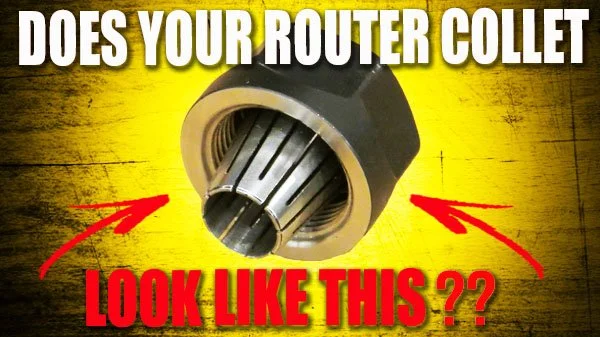
Ever wondered why your router collet seems to loosen twice before the bit comes free? This article explains the clever engineering behind self-releasing collets, revealing how the two-step loosening process actually helps eject the bit safely and prevents the frustrating sticking problems common in older router designs.
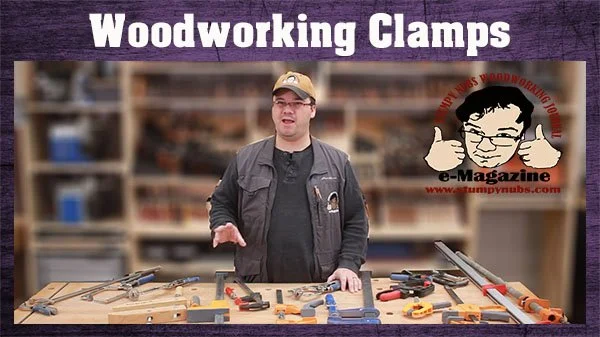
Choosing the right clamps can save you a surprising amount of money, frustration, and shop space. Learn the strengths and weaknesses of 12 clamp types—and discover which ones are actually worth buying first as your woodworking needs grow.
Not all finishing gloves protect against the same chemicals, and the wrong choice can expose you to solvents—or even ruin your finish. Learn the strengths and weaknesses of vinyl, latex, and nitrile gloves, plus the surprising contamination problem that catches many woodworkers off guard.
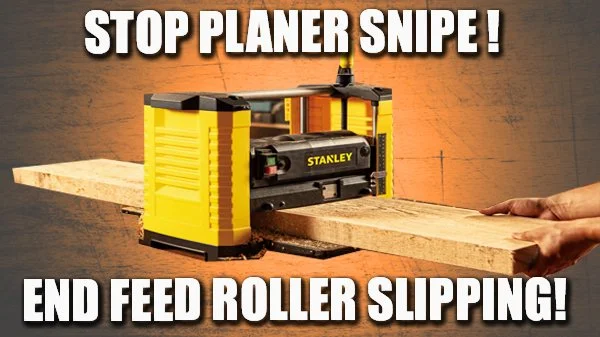
Most thickness planer problems—slipping rollers, snipe, and dull blades—aren’t flaws in the machine, but issues with setup and maintenance. With a few simple fixes, you can get cleaner cuts, smoother feeding, longer knife life, and a planer that’s far more enjoyable to use.
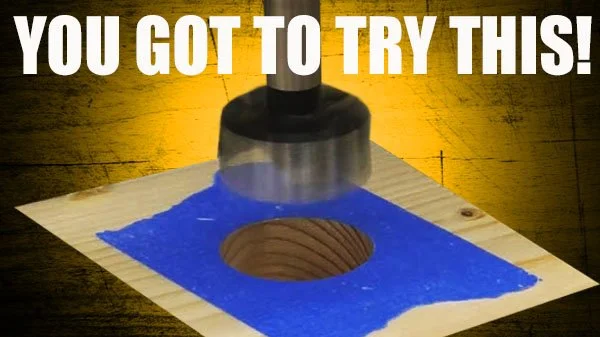
Forstner bits can drill incredibly clean, precise holes—but only if you control heat, speed, and chip buildup. Learn how rim styles, drilling techniques, and a few simple tricks can dramatically improve accuracy, reduce tear-out, and extend the life of your bits.
You don’t need a shelf full of mystery chemicals—just a few key solvents that match the job. Understand what each one does, and you’ll get better results with less hassle, cost, and confusion.
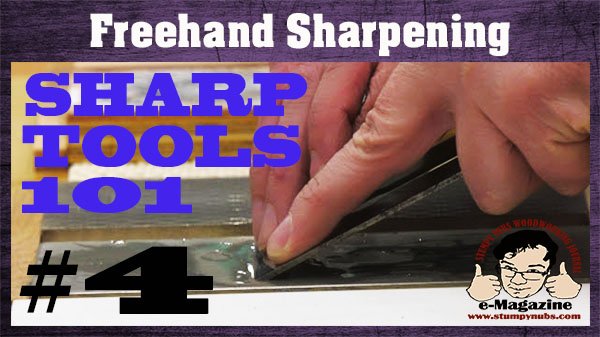
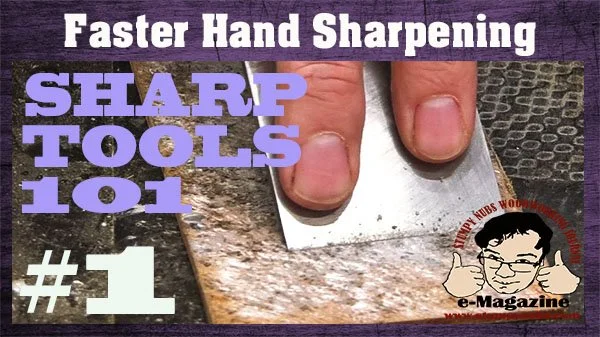
Freehand sharpening isn’t about ditching precision—it’s about building control so sharpening becomes fast, automatic, and friction-free. Once you can reliably find and hold the bevel by feel, maintaining sharp tools turns into a quick habit instead of a chore.
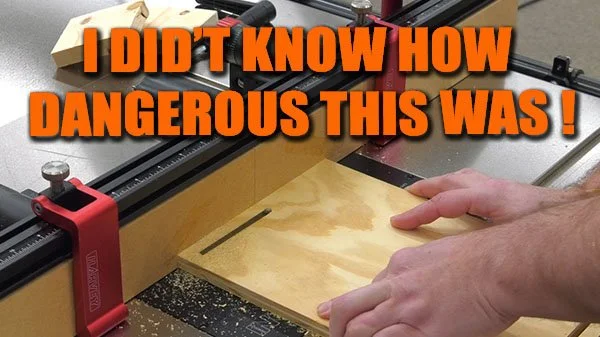
Cutting slots on a router table seems simple—but without the right technique, it can turn dangerous fast. Learn how to hit your start and stop marks accurately, avoid climb cuts, and maintain full control for safe, clean results every time.
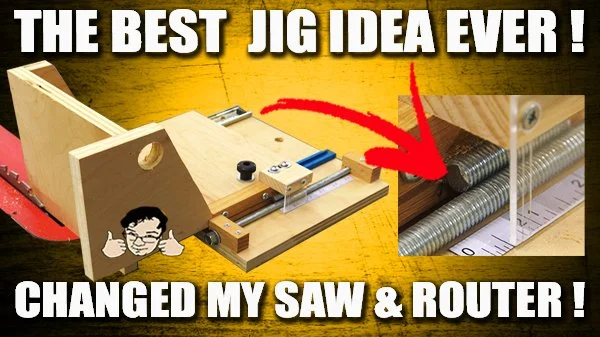
An incremental positioner turns a simple setup into a powerful system for ultra-precise, repeatable cuts. Build it into a table saw jig, and you can cut perfect tenons, joints, and micro-adjustments with speed and accuracy.
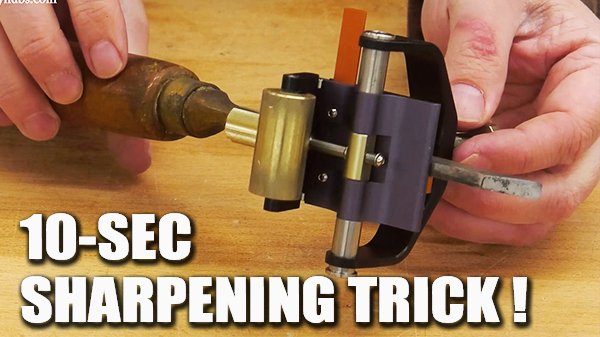
If freehand sharpening isn’t sticking, a fast, consistent jig setup can keep your tools razor sharp without the frustration. With a simple honing board, repeatable angles, and micro-bevels, you’ll sharpen faster, remove less material, and get back to work sooner.
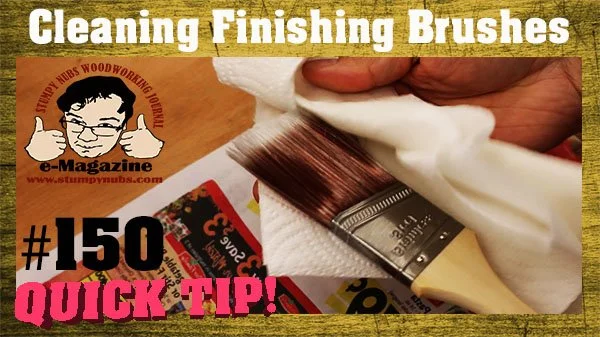
Cleaning oil-based finish brushes isn’t just about the solvent—it’s about smart technique from the moment you start applying finish. Keep bristles clean at the source, use a two-step solvent rinse, and finish with soap and water to make your brushes last for years.
Sharp tools aren’t just nice to have—they’re the difference between smooth, efficient woodworking and constant frustration. By touching up edges early with a strop and using simple, fast sharpening techniques, you can spend less time sharpening and more time building.
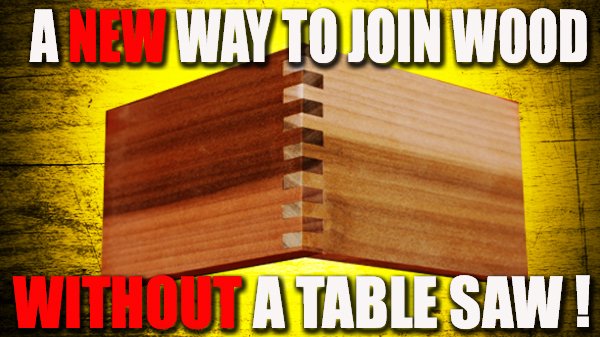
With a few scraps of wood, a straight router bit, and a simple indexing pin, you can turn a compact router table into a surprisingly accurate finger joint machine. This easy DIY jig makes strong, clean box joints for drawers, boxes, and cabinets—without buying an expensive dado set or specialty jig.
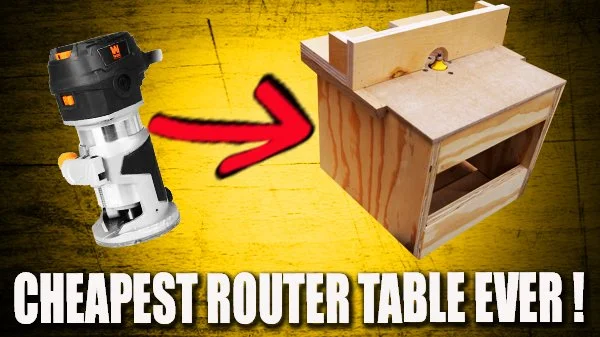
This simple DIY portable router table turns a handheld trim router into a compact, versatile workstation you can build in about an hour from shop scraps. It’s cheap, clever, easy to store, and useful for far more than just cutting box joints.
The debate between long and short table saw fences comes down to a trade-off between control and kickback prevention—both sides have valid points. Understanding when to use each approach can improve both safety and accuracy, making a flexible setup the real winner.
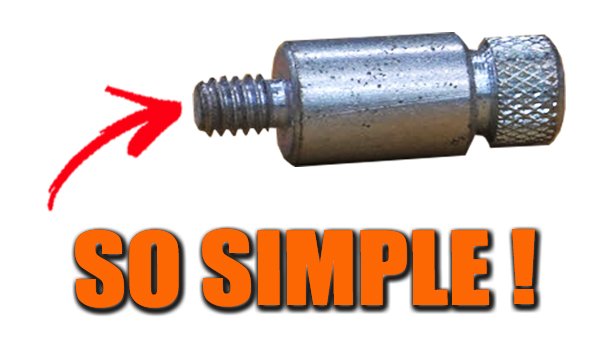
A router table starter pin may look like a simple accessory, but it dramatically improves control and safety when beginning freehand routing cuts. This small, inexpensive device acts as a pivot point that helps prevent dangerous catches—and you can make one for less than a dollar.
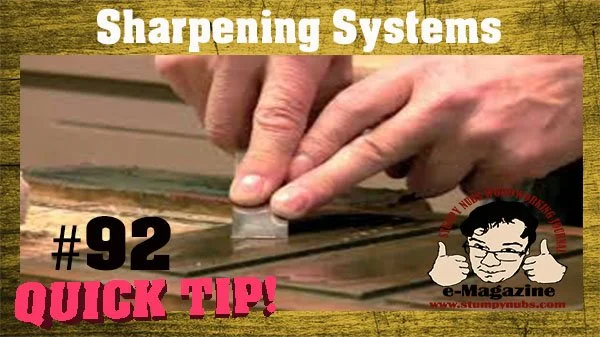
Every sharpening system—from sandpaper to diamond stones to high-end machines—works on the same simple principle: rubbing abrasive against steel until the scratches become a polished edge. The “best” method isn’t universal, but understanding the pros and cons of each system helps you choose one that fits your budget, workflow, and sharpening style.
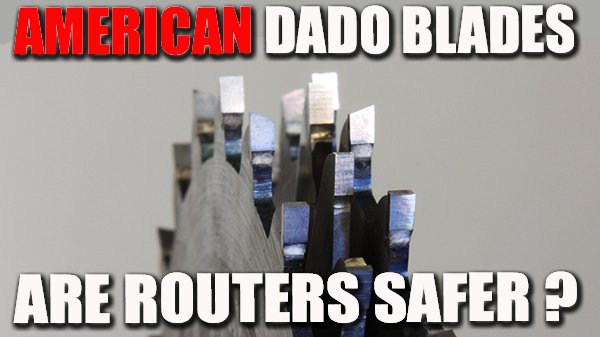
Woodworkers love debating whether routers or table saws are better for cutting dados and grooves—but the truth is both tools shine in different situations. By comparing setup, safety, cost, adjustability, and cut quality, you’ll see why the “best” tool really depends on the job at hand.
Mitered corners look great—but they’re weak unless you reinforce them. This simple 2×6 bevel jig makes it fast and accurate to cut spline slots that dramatically strengthen box and frame corners while keeping the clean mitered look.