
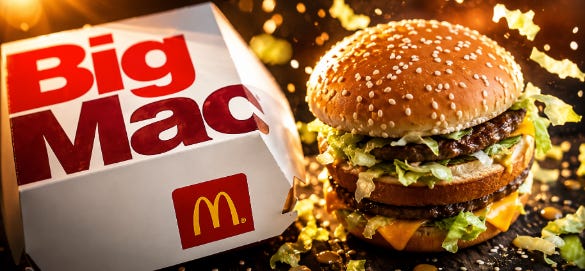
In the annals of culinary history, few creations have wielded as much influence as the iconic Big Mac. Created in the late 1960s, this simple sandwich, with its signature two patties, special sauce, and classic toppings, quickly exploded onto the global scene.
With its standardized production and assembly line preparation, it heralded a shift towards mass-produced, readily available food. But as it became massively popular, it also ultimately became the poster child for junk food, boasting a laundry list of 60 ingredients that mask its nutritional bankruptcy.
Let’s get into what you’re really consuming with a Big Mac.
We’ve all heard of people doing experiments where they keep this burger around for decades, like a museum piece, and it essentially ends up looking exactly the same.
The video is from KUTV 2 News in Salt Lake City, so it has some credibility. It appears that the person conducting the experiment kept everything quite dry, effectively preventing moisture from attacking the food, so the prolonged preservation is not entirely surprising. However, because this burger is probably comparable with Egyptian embalming methods, we’ll break down unhealthy ingredients one by one.
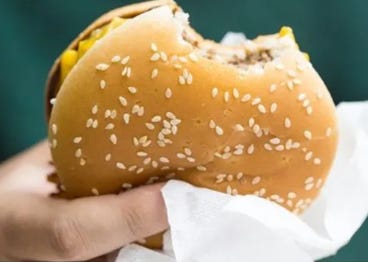
McDonald's white bun is a nutritional nightmare, made from refined flour stripped of most of its fiber, iron, and B vitamins, and grown with pesticides and hormones, stored in insecticide-coated bins, and potentially fumigated.
The refining process removes the nutrient-rich bran and germ, leaving only the starchy endosperm. This results in a product that's rapidly metabolized like sugar, causing blood sugar spikes and promoting fat storage. The bun also contains high fructose corn syrup, a cheap sweetener linked to liver damage, insulin spikes, and various chronic diseases.
We can’t forget the soybean oil, often genetically modified and high in inflammatory omega-6 fats. Finally, a slew of dough conditioners, preservatives, and potentially allergenic enzymes complete this highly processed, nutritionally questionable ingredient.
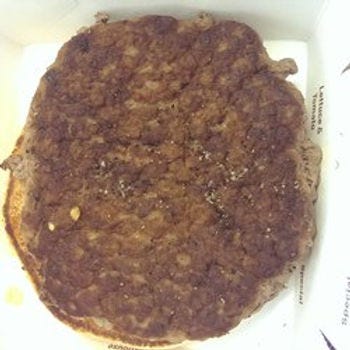
While McDonald's has eliminated "pink slime" from its patties, the claim of "100% pure beef" remains misleading. The cows used for these patties are routinely treated with antibiotics and other medications to ward off diseases in cramped and unsanitary feedlots.
They’re also often given growth hormones to accelerate their growth, leading to potential health concerns for both the animals and the consumers. Their diet consists of feed grown with pesticides, further contaminating the meat with harmful chemicals.
When you consider the entire lifecycle of the beef in this patty, the "pure" label becomes a far cry from the truth. It's a reminder that even seemingly simple ingredients can have complex and troubling origins.
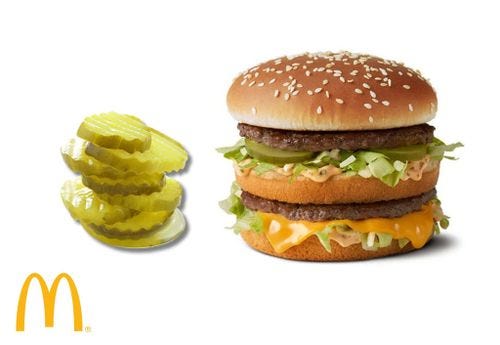
McDonald's pickles are far from a simple, natural cucumber. Instead, they're a concoction of chemicals, additives, and potential allergens. Calcium chloride, a dough strengthener, and potassium sorbate, a synthetic preservative with potential DNA-damaging effects, are both present. The "natural flavors" label hides a multitude of undisclosed ingredients, while polysorbate 80, a synthetic emulsifier, has been linked to negative effects on the immune system and gut health.
Additionally, these pickles contain high fructose corn syrup, a cheap sweetener associated with various health problems. Soy lecithin, a potential allergen often derived from genetically modified soybeans, is also used. The addition of propylene glycol alginate, a thickening agent, raises concerns about its potential to cause digestive issues. Finally, sodium benzoate, a preservative, can form benzene, a carcinogen, when combined with other ingredients like citric acid (found in many processed foods).
This extensive list of additives and potential health concerns paints a disturbing picture of McDonald's pickles as a highly processed, artificial product not closely resembling its natural origins.
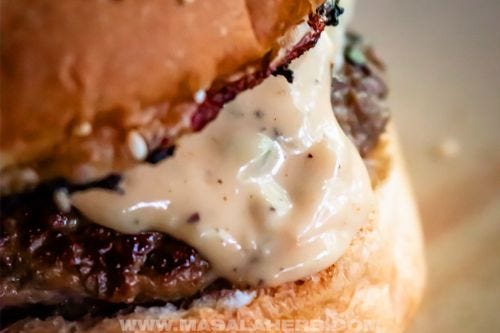
The Big Mac sauce, despite its enticing flavor, is a nutritional disaster loaded with 33 unhealthy ingredients. Some examples are high fructose corn syrup and sugar, ingredients linked to obesity, diabetes, and other health issues. Then there’s calcium chloride, a preservative known to irritate the digestive system. The inclusion of potassium sorbate, a synthetic preservative, raises concerns due to its potential to cause DNA damage.
Additionally, the sauce contains polysorbate 80, an emulsifier linked to negative impacts on the immune system and gut health. Propylene glycol alginate, a thickening agent, can cause stomach upset and nausea. Sodium benzoate, another preservative, can trigger allergic reactions in some individuals and may even form benzene, a carcinogen, when combined with other ingredients.
Finally, the sauce includes hydrolyzed vegetable protein, a flavor enhancer that often contains MSG, a controversial ingredient linked to various adverse reactions. This combination of sugars, questionable preservatives, and potential allergens paints a grim picture of the Big Mac sauce's health profile.
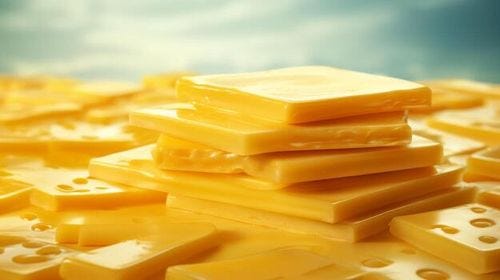
Processed cheese is so far removed from its dairy origins that it's not even fair to consider it a real product. The FDA stipulates that a product loses its original identity when over 51% of its composition consists of additional ingredients. The processed cheese product, therefore, is more of a science experiment than a food.
This concoction includes sodium citrate for flavor enhancement, sodium phosphate, which potentially contributes to osteoporosis, and sorbic acid, an artificial preservative with potential risks. Additionally, it contains sodium pyrophosphate, which, if overconsumed, can lead to elevated phosphorus levels and associated health problems.
The vague "natural flavor" label could be masking a multitude of undisclosed ingredients, while added colors and soy lecithin further contribute to its artificial nature. This laundry list of additives raises serious concerns about the health implications of consuming processed cheese regularly.
Given all the evidence, it’s easy to see that this type of ultra-processed food is hugely dangerous to health. Yet nutrition experts from the Department of Health and Human Services and the US Department of Agriculture found that ultra-processed foods (UPF) don’t cause obesity and that studies have been biased (towards UPF). They state that UPF does not cause weight gain more than any other food and that there is still a lack of evidence to support UPF leading to obesity. More research is evidently needed.
Are they really implying that junk food is comparable to a diet consisting of eggs, beef, chicken, fish, yogurt, fruits, and vegetables? The audacity of some nutrition experts is genuinely baffling.
The Big Mac is a monument to how ultra-processed foods hijack our diets. To break free from this cycle, we have to recognize the true cost of convenience and choose genuine health over temporary indulgence.
✨ StrongHealth articles stay free because of the kindness of subscribers. No grants, no gatekeepers. If unbiased, evidence-based research resonates with you, consider supporting it by subscribing via the link below.
✨ Or a small Ko-fi contribution that lets me keep this work accessible.
🌿 © 2026 (C) Jorg Mardian; “StrongHealth” on Substack.com
Comments
Nothing yet. Say the first thing.
Sign in to join the conversation.