
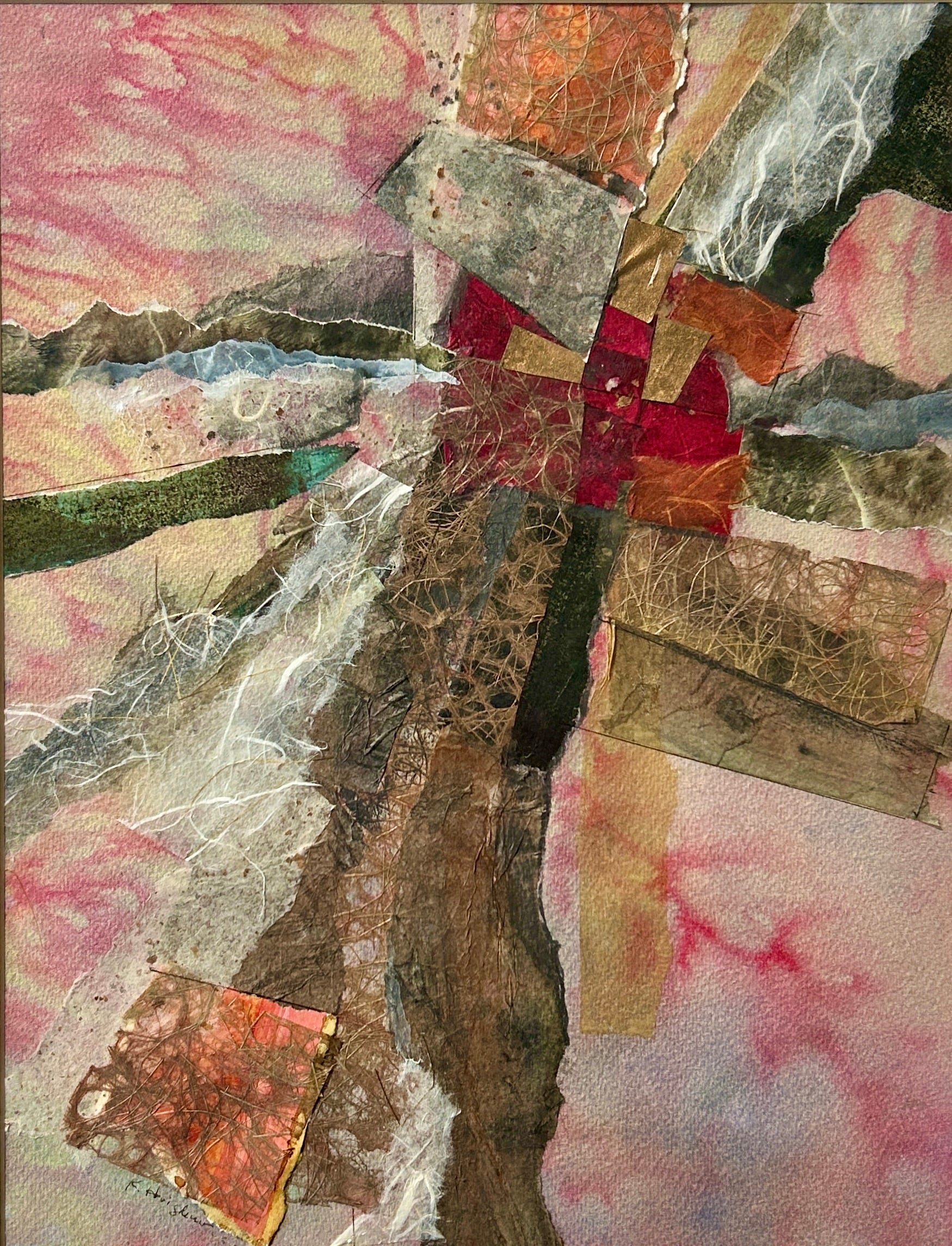
Happy Holidays Friends - We had a sweet Thanksgiving in North Carolina with the annual gang. Mom and Dad are well, marking one of my greatest blessings. One thing we did while in Galloway (near Chapel Hill) was help my folks consolidate two storage units into one, which uncovered some of my mother’s watercolor collage work. We shipped some wonderful pieces home, including the lovely “Copperline” above. I’ve had one of Mom’s watercolors in my studio for years and recently added a new one. I’m so proud of her work. It’s so hip! Anyway, I hope you’re feeling good about this festive month and I hope you get a restful winter break. I’m working through my 30 Essential and Outstanding Americana Albums list and a few last features and shows for 2025 before a pause for reading, some travel, and some more book promotion.
Speaking of which (because you’re not getting away from this thing!), I have great news. My critique from Kirkus Reviews came back, and it made me very happy. Not only did it receive “Buy It” status, and not only did it get selected for the printed edition of Kirkus Reviews that goes out mid January (to libraries and booksellers by and large), it is just so perceptive about the book. Published here, Kirkus reviews are respected and read by the book field, so this was a big threshold I was anxious about. We sent a press release this week to celebrate this and a few other notes from friends. The review itself is brief and to the point, so I’ll share it here.
Havighurst argues that anyone can deepen their relationship with music by learning to “listen like an artist”: shifting from passive, song-centered consumption to active, sound-focused engagement that enriches musicality, empathy, and cultural awareness. He makes his case in several parts that blend memoir, information regarding neuroscience, portraits of musicians, and cultural criticism. Havighurst’s own formative epiphanies in high school orchestra, and a transformative encounter with the music of Richard Wagner at a listening booth in the British Museum, set the stage for a larger argument about attention, openness, and the physicality of sound. He takes the reader on a tour of music fundamentals—tone, harmony, rhythm, and timbre—and shows in crisp, appropriately technical prose how the brain organizes them into meaning. Along the way, Havighurst laments how a general drift toward passive, algorithm-guided habits and American listeners’ widening distance from instrumental and composed music have resulted in an unbalanced and diminished collective musical diet. To counter this, he supplies approachable examples from popular, composed, and improvised traditions, providing a simple map to today’s overwhelming sonic landscape. The book moves from music’s physical foundations to its role as a cultural practice, mirroring how listeners’ awareness can expand as they deepen their appreciation. It acts as both a manifesto and a practical ear-training companion, showing how attention to texture, gesture, and emotional inflection can help listeners develop humility and empathy. As a music-theory primer, listening guide, and personal narrative, this book succeeds, thanks to its warmth, depth of research, and clarity. Havighurst explains such concepts as timbre (“the mellow fruity voice of a trombone, the velvet bloom of a piano note, the bright clarity of the acoustic guitar, the woody aura of a cello”), dissonance, and rhythm with lucidity, and his autobiographical moments lend the book the feeling of sitting beside a knowledgeable teacher, surrounded by instruments. The result is an inviting, humane work that could recalibrate how readers hear the world.
A warm, wise guide to hearing music—and each other—with renewed clarity.
Thanks for getting it, whoever you are!
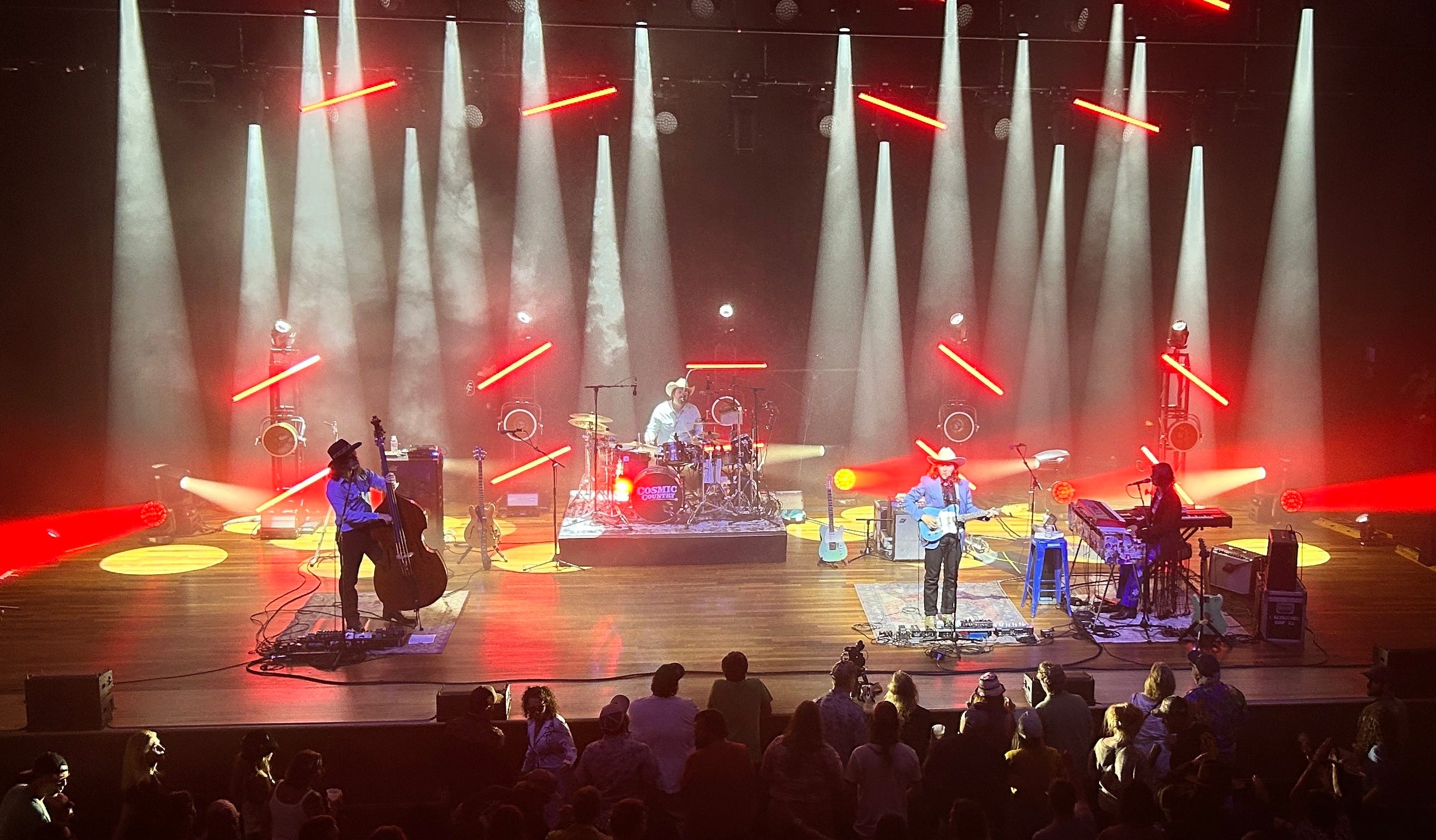
“The cold war between Americanastan And Jambandistan is over.”
I wrote that sentence in early November while brainstorming about how to introduce a series of String episodes for WMOT. It made me laugh, and then it made me think, and soon I knew there was a point to be unpacked.
To summarize, what I argue in the scripted opening of String #339 with Marcus King: In the 1990s, jam band music got its name and modern identity, but much of the most successful music was thin and lacking in a blues base or great songwriting, which were both key virtues of their icons the Grateful Dead. Phish proved to be a really great band for the long haul, if you didn’t listen to the lyrics too closely. Even so, little of this had much to do with Americana, and Americana looked down on that world. That’s the cold war I was winking at.
Nowadays, the jam world is full of really excellent bands with Americana values and foundations - Southern soul, blues, and a dash of jazz. Some, like the Marcus King Band, are inspired by the great Allman Brothers. Similarly, The Tedeschi Trucks Band, for example, is one of the best bands in the world right now, with incredible chops, a big sound with horns, and a spirit of freedom. Some second generation musicians have formed the Allman Betts Reunion. And while Billy Strings isn’t a soul or R&B band, he leads a truly rooted bluegrass band, which comes from the same blues headwaters anyway. More examples below. It’s the real thing. Hand made and transporting.
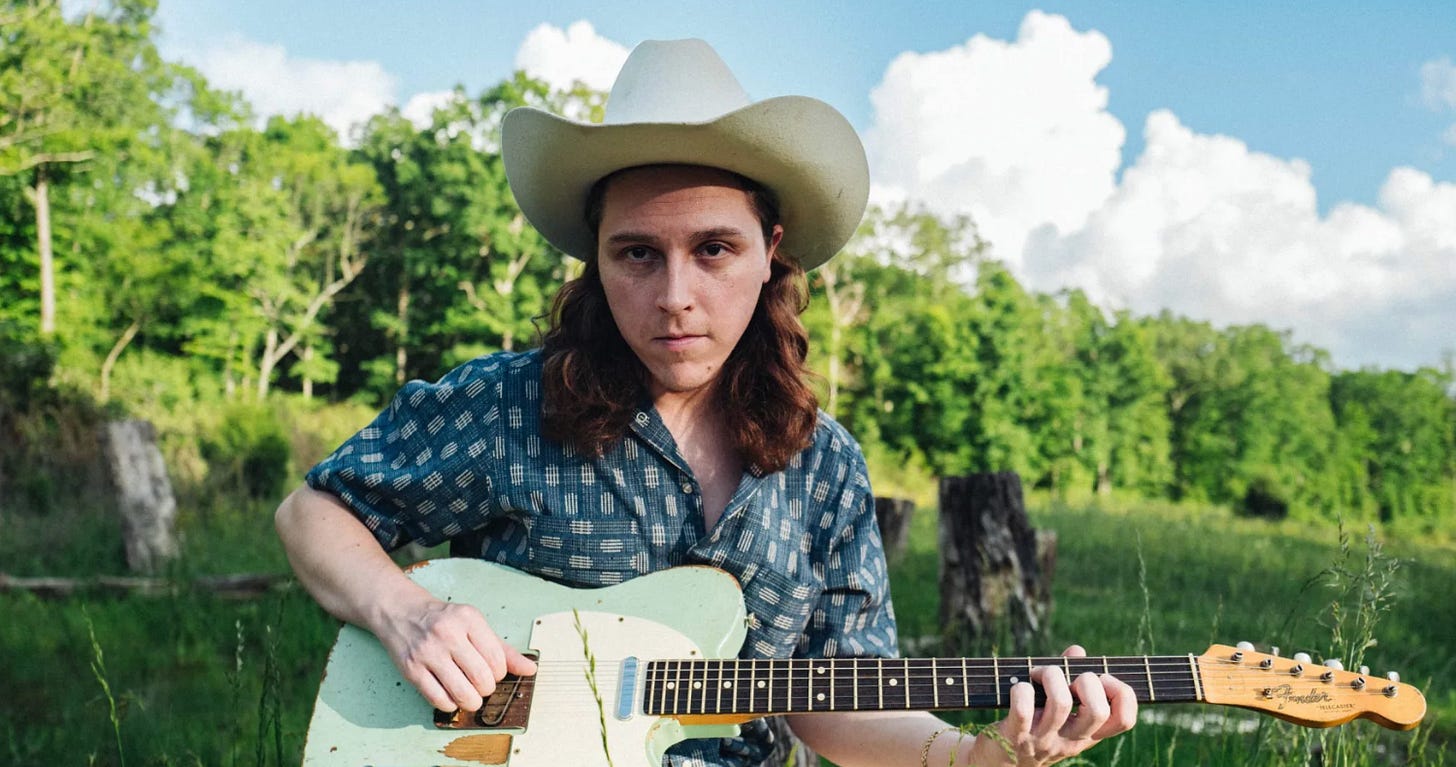
The series starts with Marcus King, a remarkable singer and songwriter besides being a killer guitar player. Then listen to my hour with Robert Randolph, the breakout crossover bandleader who took his upbringing in sacred (pedal) steel guitar from church houses to major festivals. Then it’s one of the guys who brought Randolph up into the jam/rock family, Luther Dickinson of the North Mississippi Allstars, as good a boogie band as there is, borrowing from the Hill Country, Memphis and the hip-hop diaspora. Finally, it’s Daniel Donato, leader of the band and the movement he calls Cosmic Country. His journey from Lower Broadway to the Ryman stage is amazing and worth hearing in his own words.
Click the image of each artist to go to the streaming audio with show notes.
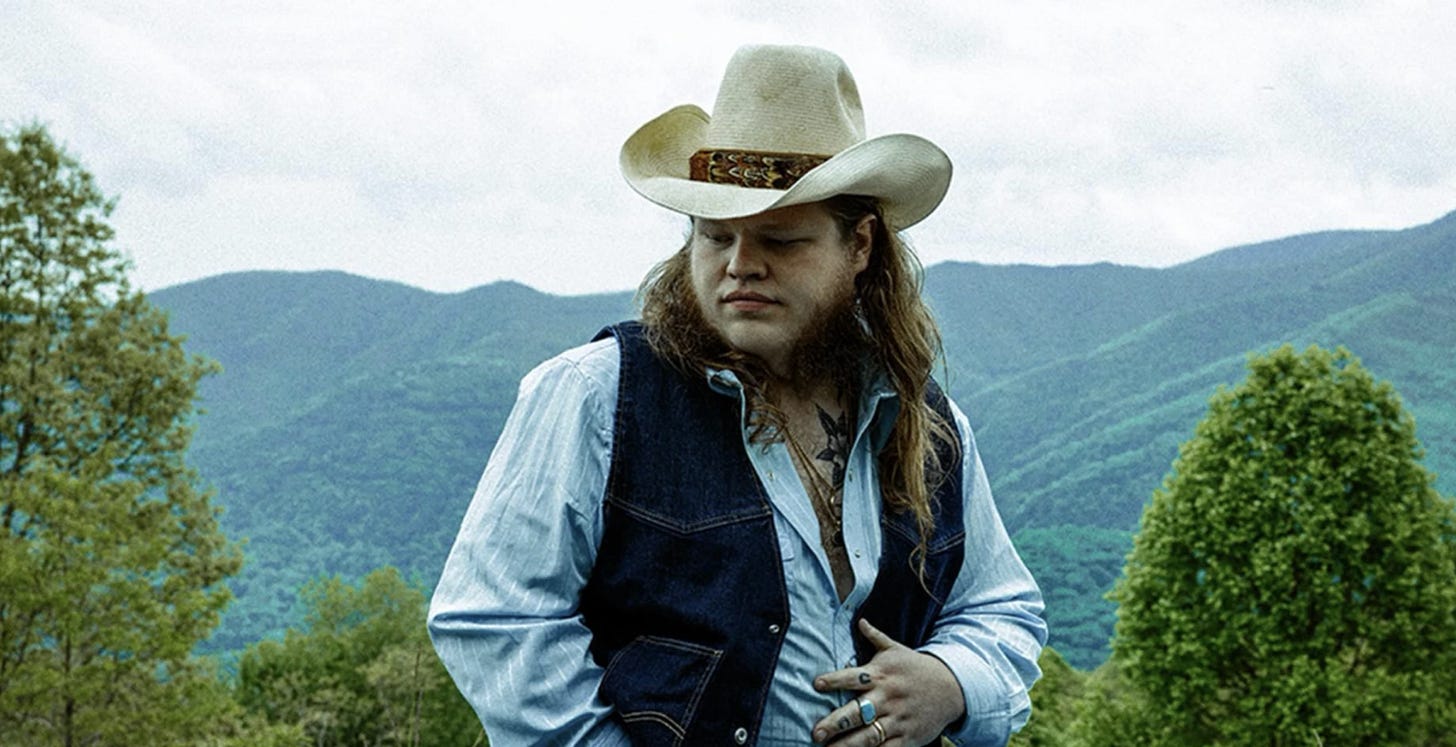

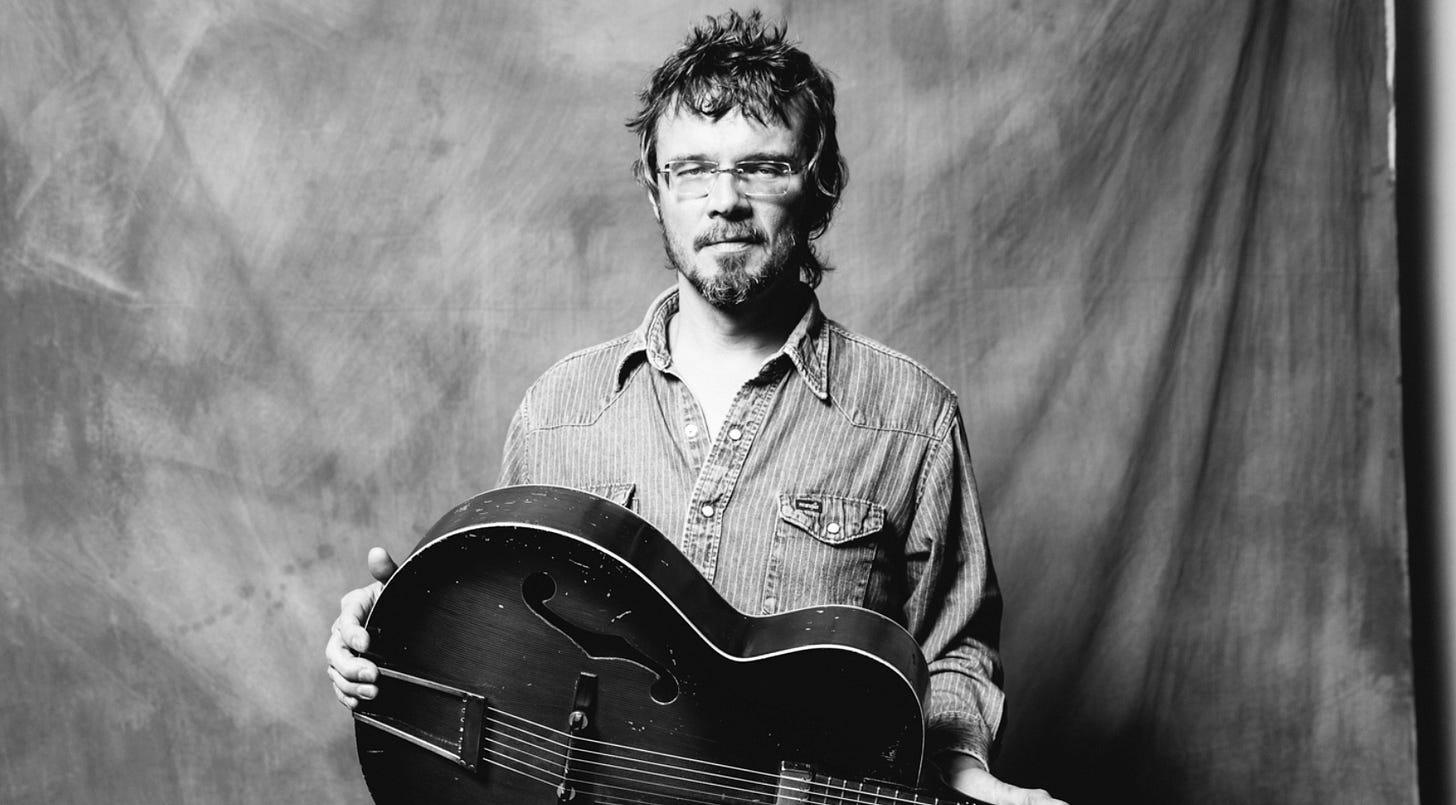
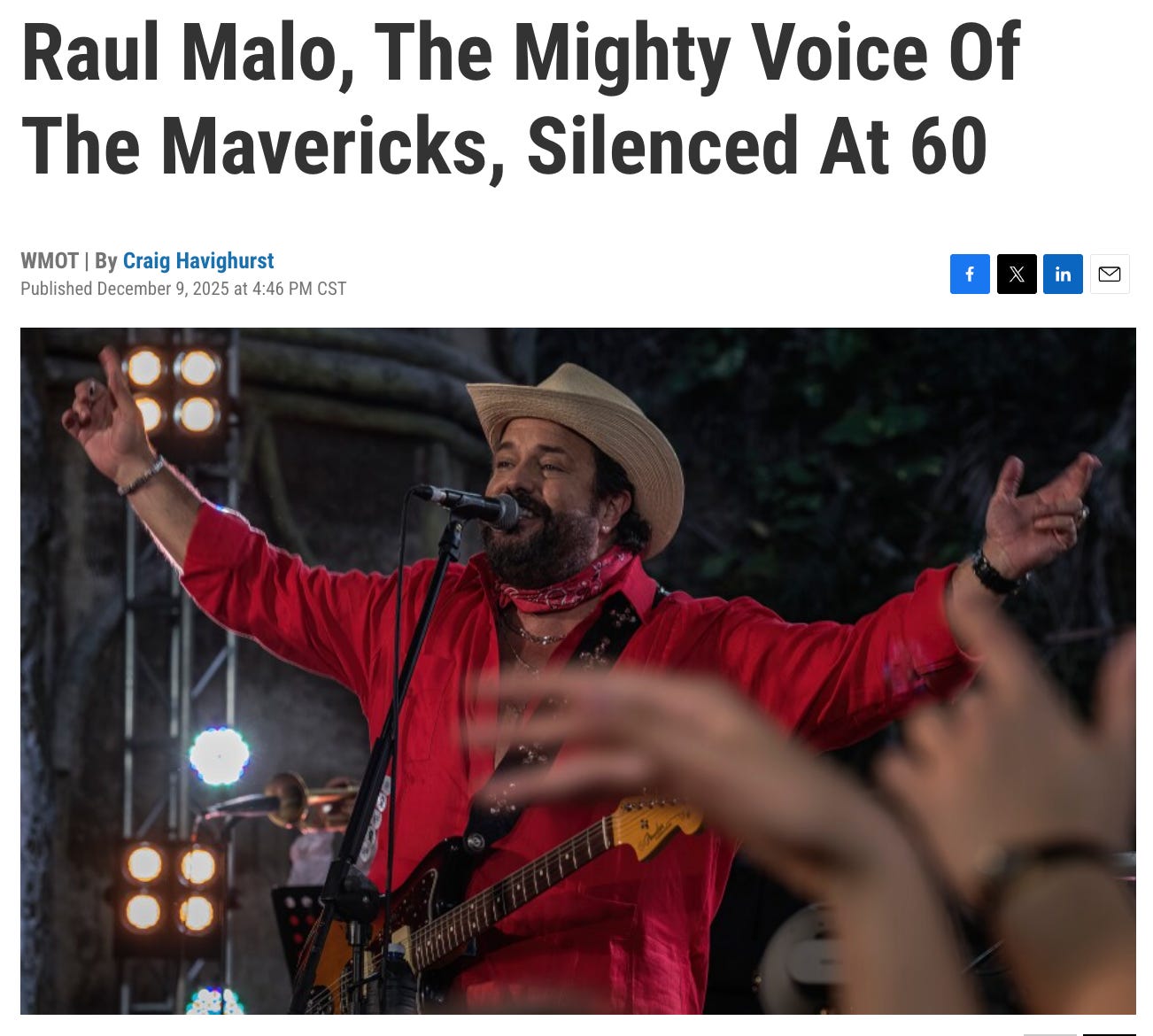
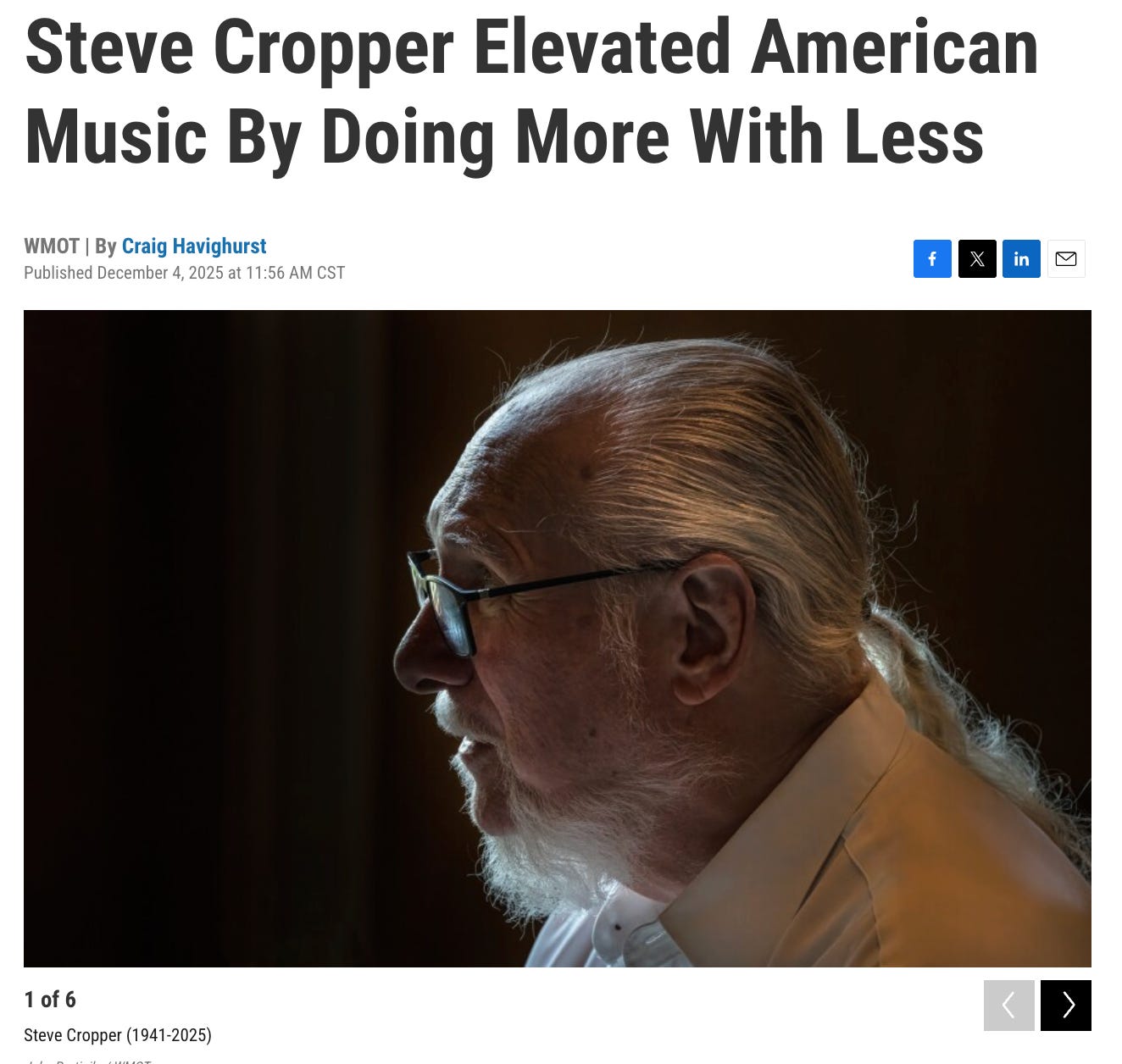
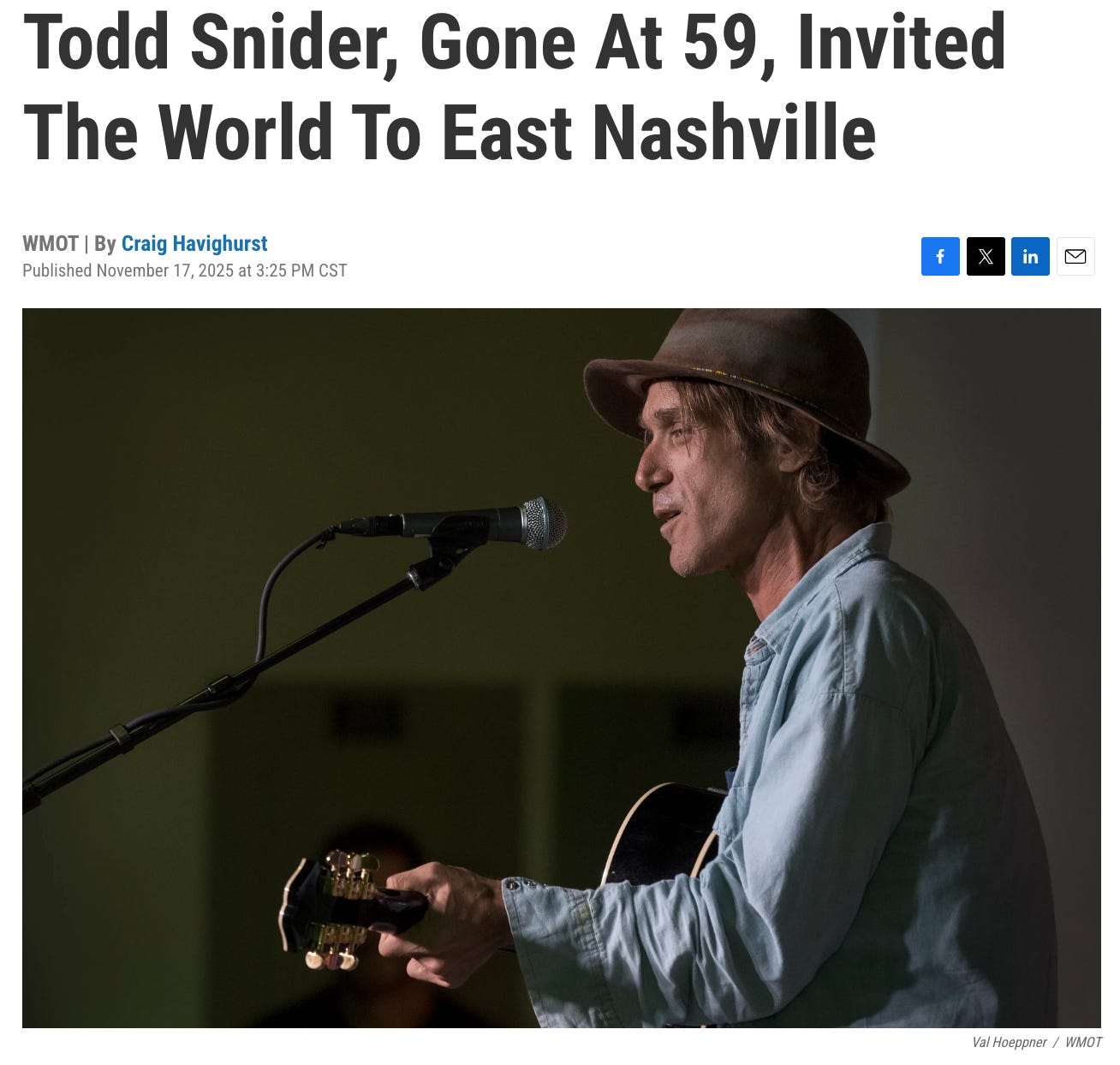
There’s this dumb notion that the deaths of famous people come in threes, but I have to admit, we’ve lost a trio of legends from our community here in the past month, and it’s been really hard. That all three made their homes here speaks volumes about Music City. They leave a huge void behind them. Raul Malo was a titan of a vocalist and a lovely, passionate man. Todd Snider was a beautiful mess, a genius performer, and a truly great songwriter who did his heroes John Prine and Jerry Jeff Walker proud. Steve Cropper was an innovative guitarist, the architect of a unique American soul sound, and a game-changing songwriter. Here are my best efforts at remembering them and their accomplishments. Click on the image for the story.

No posts
Comments
Nothing yet. Say the first thing.
Sign in to join the conversation.