
While Steve and I are appreciative of the opportunity to grow many new neurons in our brains as we learn the Nepali language, our heads are spinning like a top. The language is beautiful in its many consonants and verbs. The language has 6 verb tenses and each verb tense has another word ending to make it negative. Finally the pronoun is added with 6 options and 3 more if you are speaking about getting something or feeling something. The sentence is composed in the following sequence: pronoun-time-subject and then verb at the end. Prepositions, or sometimes postpositions, are added to the subject. You get the idea that Nepali requires a good memory! We take baby steps toward being able to communicate effectively.
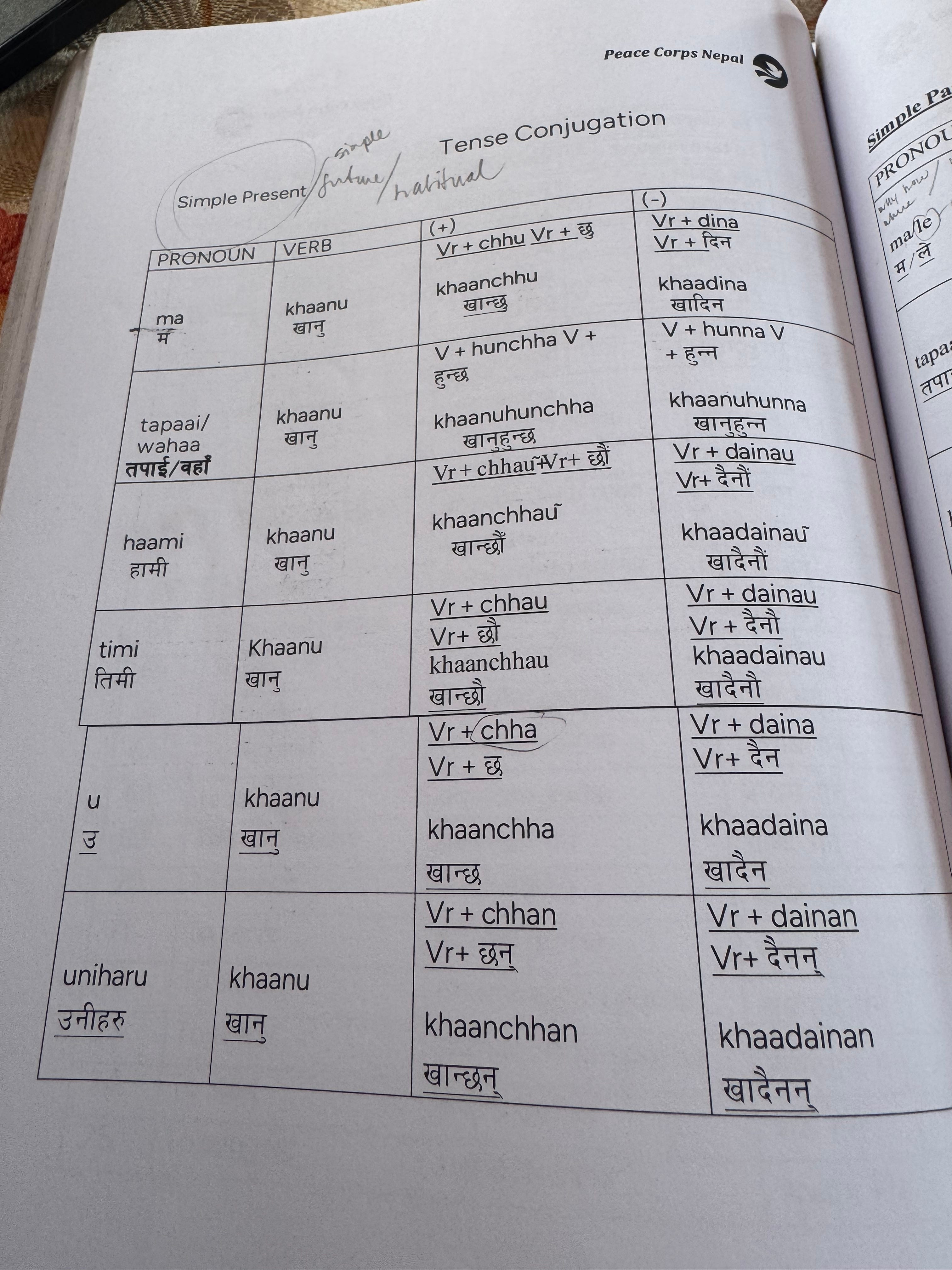
The pronunciation is another level of the language. Our ears are starting to hear all the nuances. Our mouths are slow to figure out how to form all the sounds. We are meet with many questioning looks as we speak Nepali. Often times we engender much laughter, which makes the learning entertaining.
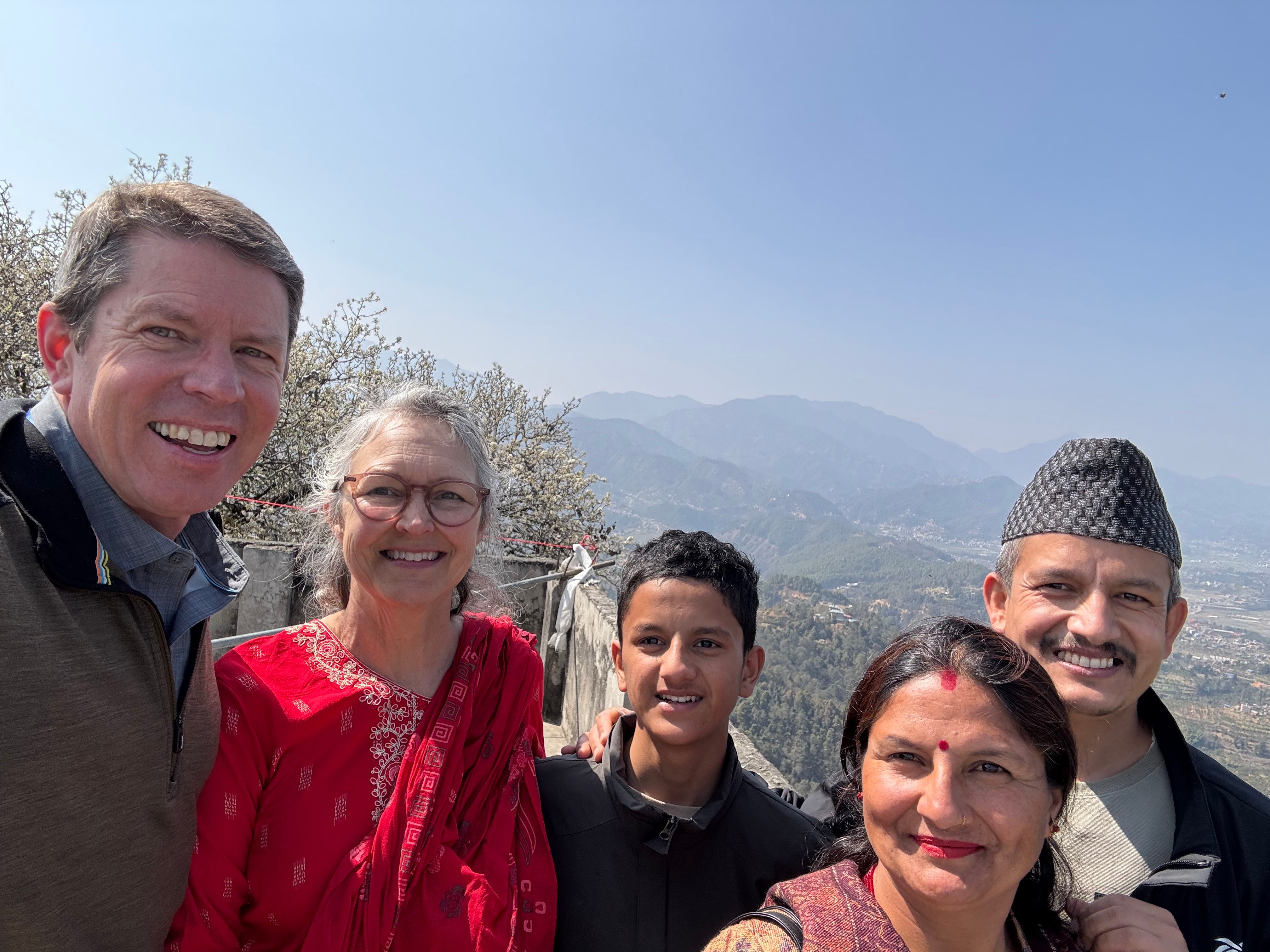
Our fellow Peace Corps trainees voted Steve to be the person to give the speech of appreciation to our Nepali host families during the goodbye-thank you party as we move on to our permanent site. I am so proud of him especially since the speech needs to be in Nepali.
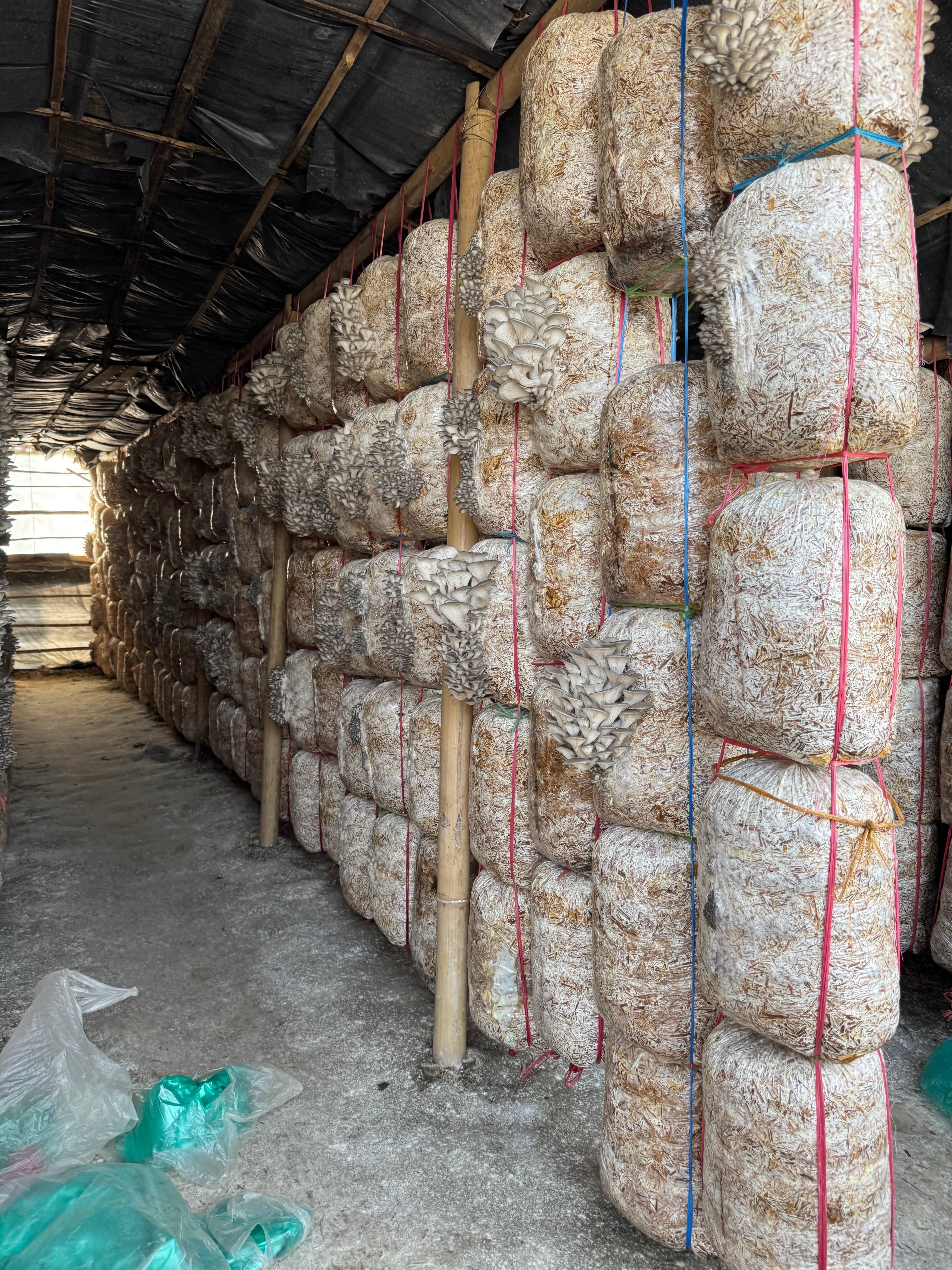
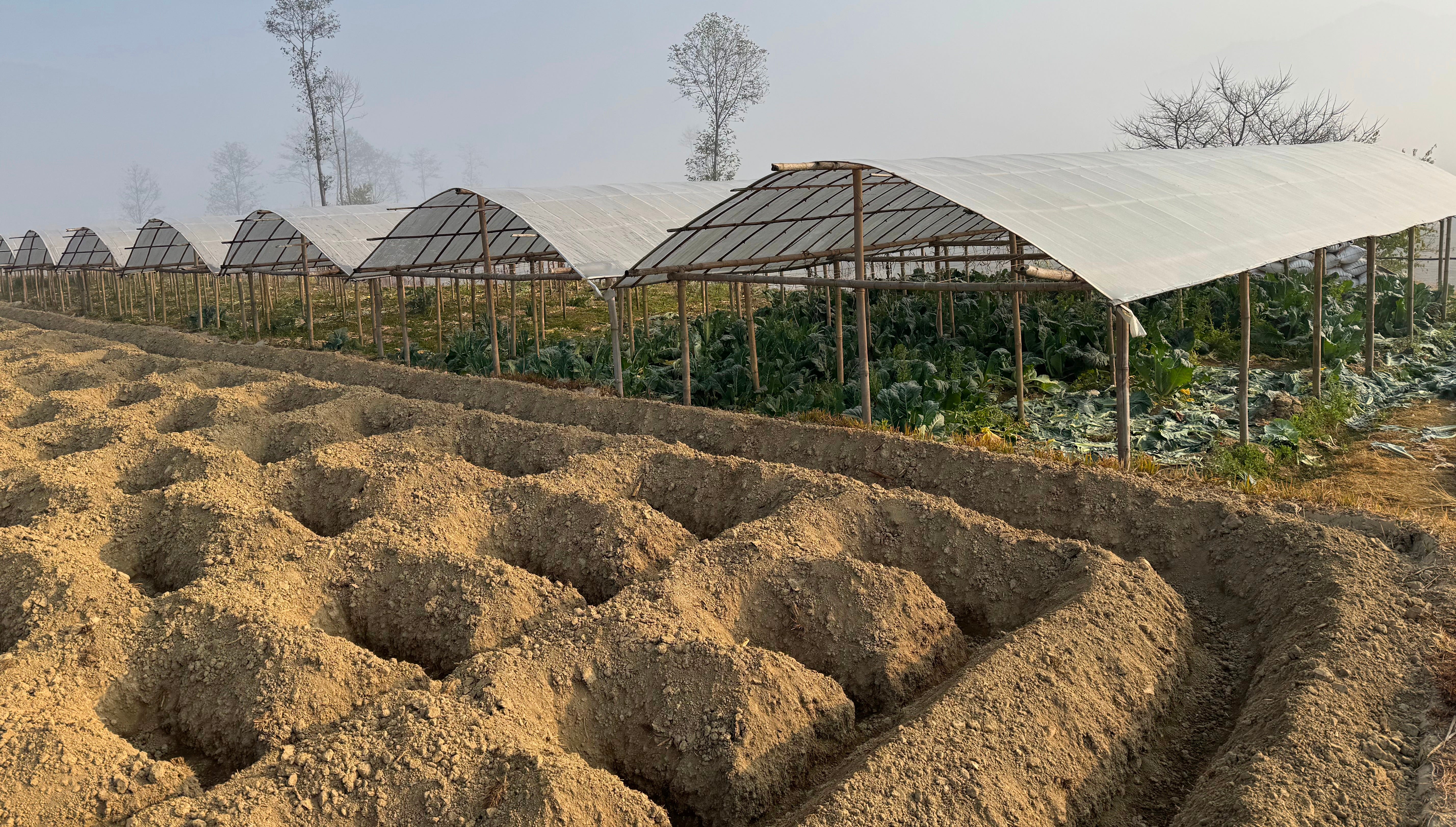
We have been learning how to grow mushrooms in a plastic bag, make a plastic low tunnel to extend the growing season, vermiculture, composting, and seedling nursery construction. The soil at our training site is mostly clay which requires much manure compost. Everything is done with very few tools and all people power
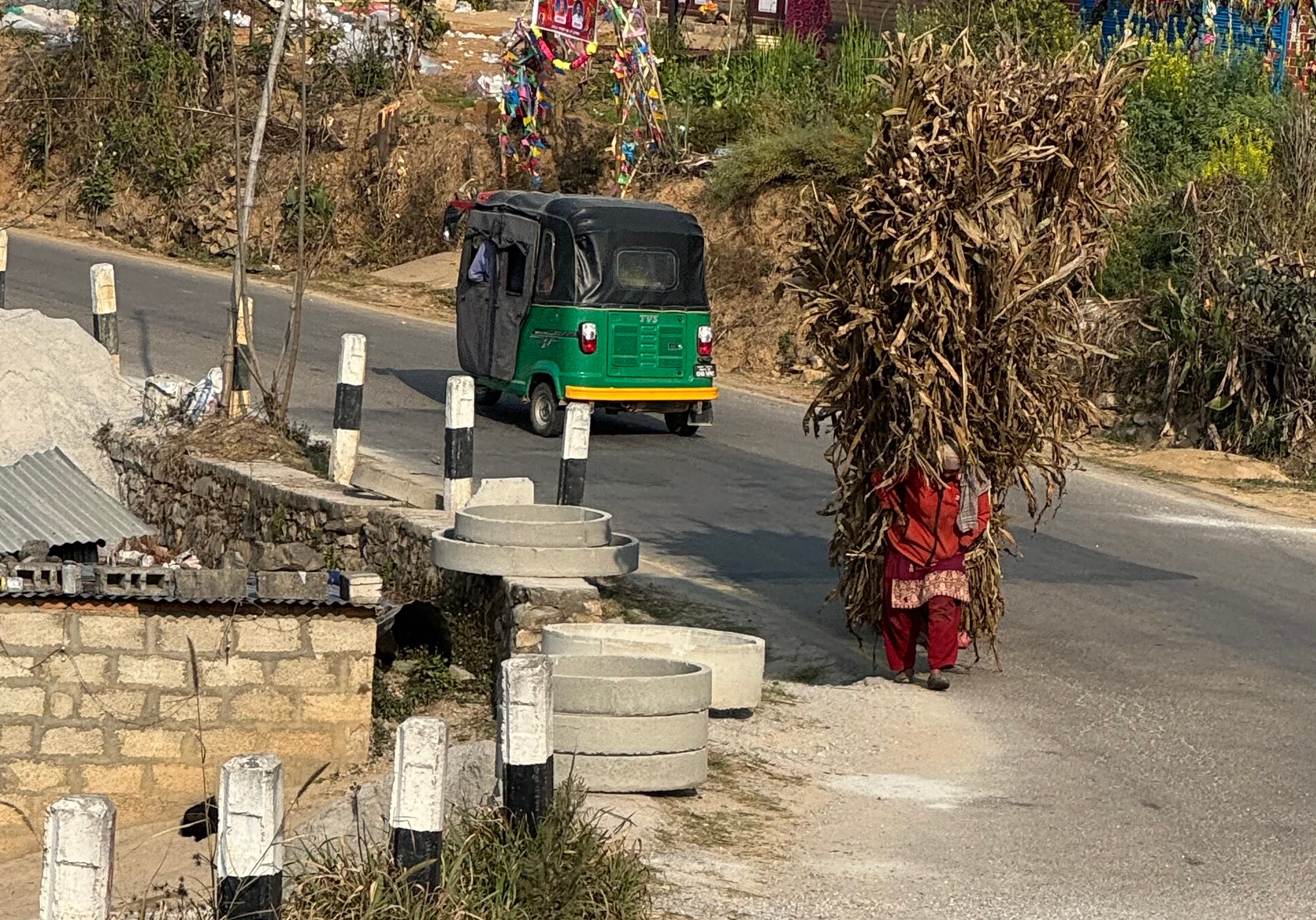
The pace of life is rhythmic and not stressful, even if the day is long. Most people are up by 6:00 as the sun is rising and go to bed after the last dhal bhaat (yes, their meals are called lentils and rice) as late as 8:30 (after milking the cow). There is always time to visit as you cross paths with neighbors on the road, by your house, in the field or at the market.
Nepal is proving to be a friendly place. Even though our language is lacking, we greet people with a friendly and respectful namaste!
Liisa
No posts
Comments
Nothing yet. Say the first thing.
Sign in to join the conversation.