

When I think about how close some of the world’s greatest books came to being forgotten entirely, I start to wonder about the ones that didn’t make it.
You know the stories. An author dies, and ten years later somebody “finds the manuscript” in a trunk, in a desk drawer, in a box at the back of a relative’s garage — and then spends years fighting to get the thing into print, and it turns out to be a masterpiece. We love those stories. We tell them like fairy tales!
But for every manuscript that got found, how many got thrown out? Maybe it was tossed by an estate auctioneer clearing a house or swept into a bin by someone who had no way of knowing. It kind of trips me up to think about the fact that there are almost certainly world-changing works of literature that no one will ever read. We’ll never know about those because they’re just gone. I SHUDDER at the thought.
But here’s the category we can do something about: the books that didn’t get thrown away — they just got forgotten. They’re still technically in print. They survived. But they don’t fly off the shelves, and they’ve maybe had one or two editions in fifty years, instead of the fifty-plus editions that pile up around a book like The Great Gatsby — the kind of book that gets a new cover every couple of years and a fresh stack on the front table forever. The forgotten classics don’t get that. They sit quietly in the catalog, out of the light, waiting for somebody to remember they exist.
So this one’s for them. Six forgotten classics — one for each kind of reader.
Because here’s what I’ve learned watching people take the Read Your Color assessment: when we open a book, we’re not all chasing the same thing. Some of us read for connection, some for intensity, some for wonder, some for clarity, some for meaning, and some for pure surprise. Six different longings. Six different kinds of reader. And the wonderful thing about forgotten classics is that they were also written for specific kinds of readers — they just lost their audience along the way. Below, I’ve tried to reunite a few of them with the people they were waiting for.
(this article is 100% FREE TO READ but humor me and read my little pitch before the recs lol)
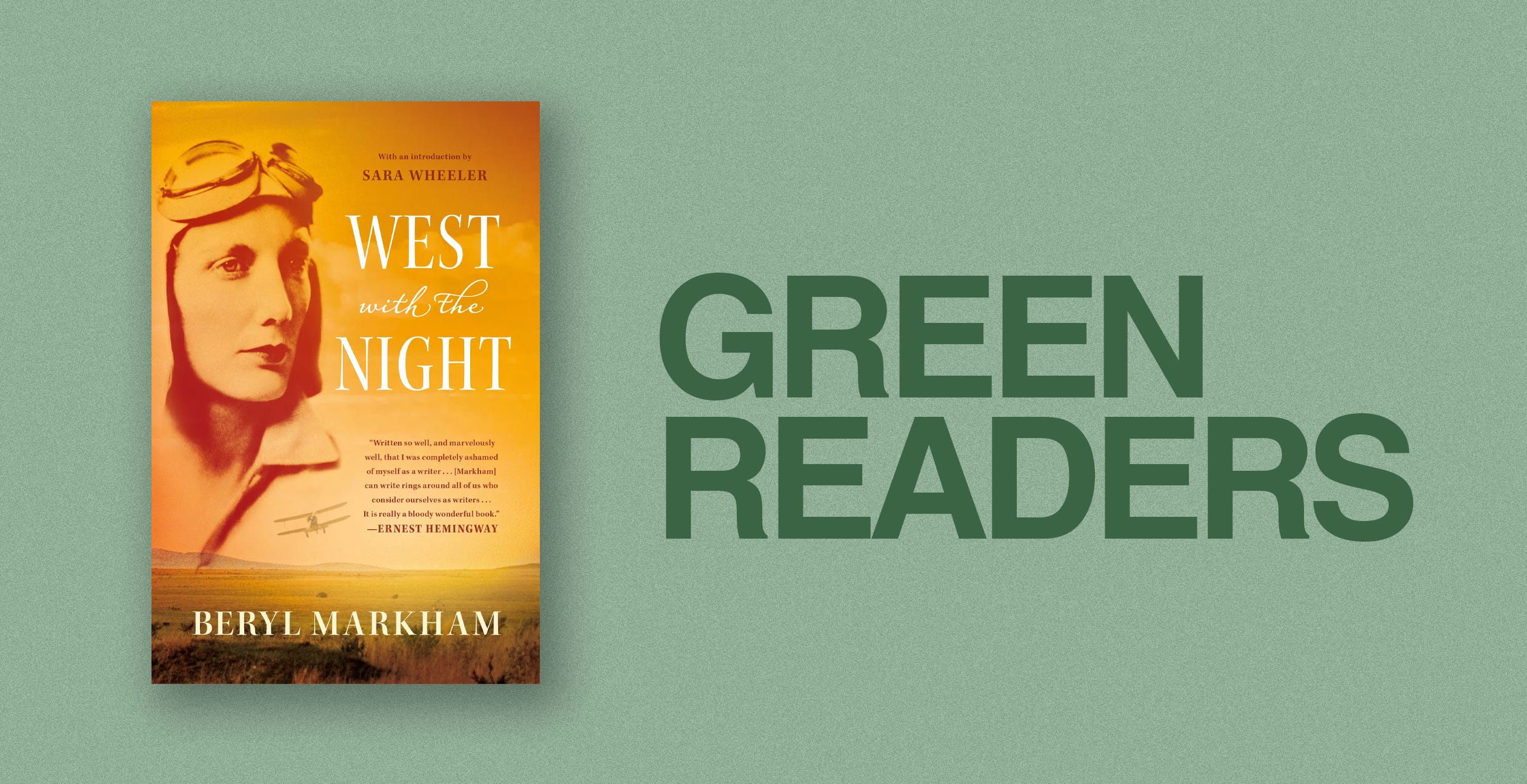
This is the best forgotten-classic story I know, so let me just tell it. Beryl Markham was a bush pilot and racehorse trainer in colonial Kenya — the first person to fly solo across the Atlantic east to west — and in 1942 she published a memoir that promptly disappeared for forty years. Then, in the early 1980s, someone came across a published letter in which Ernest Hemingway, no fan of hers personally, admitted that Markham “has written so well that I was completely ashamed of myself as a writer“ — that she could, in his words, write rings around all of them. The book was reissued in 1983 and became an instant bestseller, four decades late.
It’s a Green dream: a whole vanished world — flight, horses, the East African highlands, a way of life that no longer exists — made completely vivid and legible. You finish it understanding something you never expected to care about, which is the entire Green bargain.
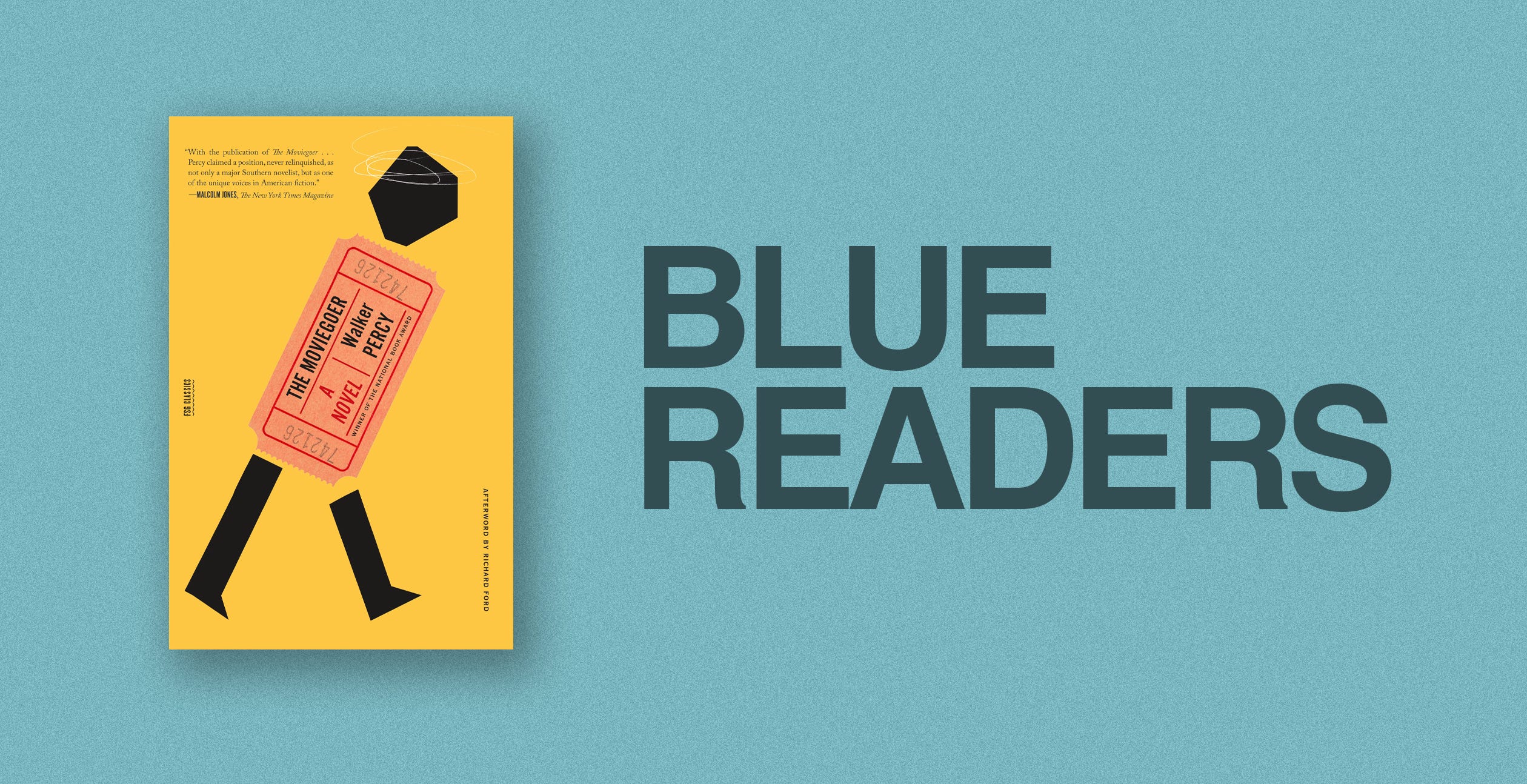
In 1962, a quiet first novel by an unknown Louisiana doctor beat out Catch-22 and Salinger’s Franny and Zooey to win the National Book Award. People were stunned. And then, somehow, over the decades, the book that won slipped out of the conversation while the books it beat became permanent fixtures.
It deserves better. The Moviegoer follows Binx Bolling, a New Orleans stockbroker drifting through the week before Mardi Gras, half-consciously on what he calls “the search” — the attempt to figure out how to live an authentic life instead of sleepwalking through a comfortable one. It’s the purest Blue book imaginable: nothing much happens, and everything that matters happens. If you read to go beneath the surface, this one’s been waiting for you for sixty years.
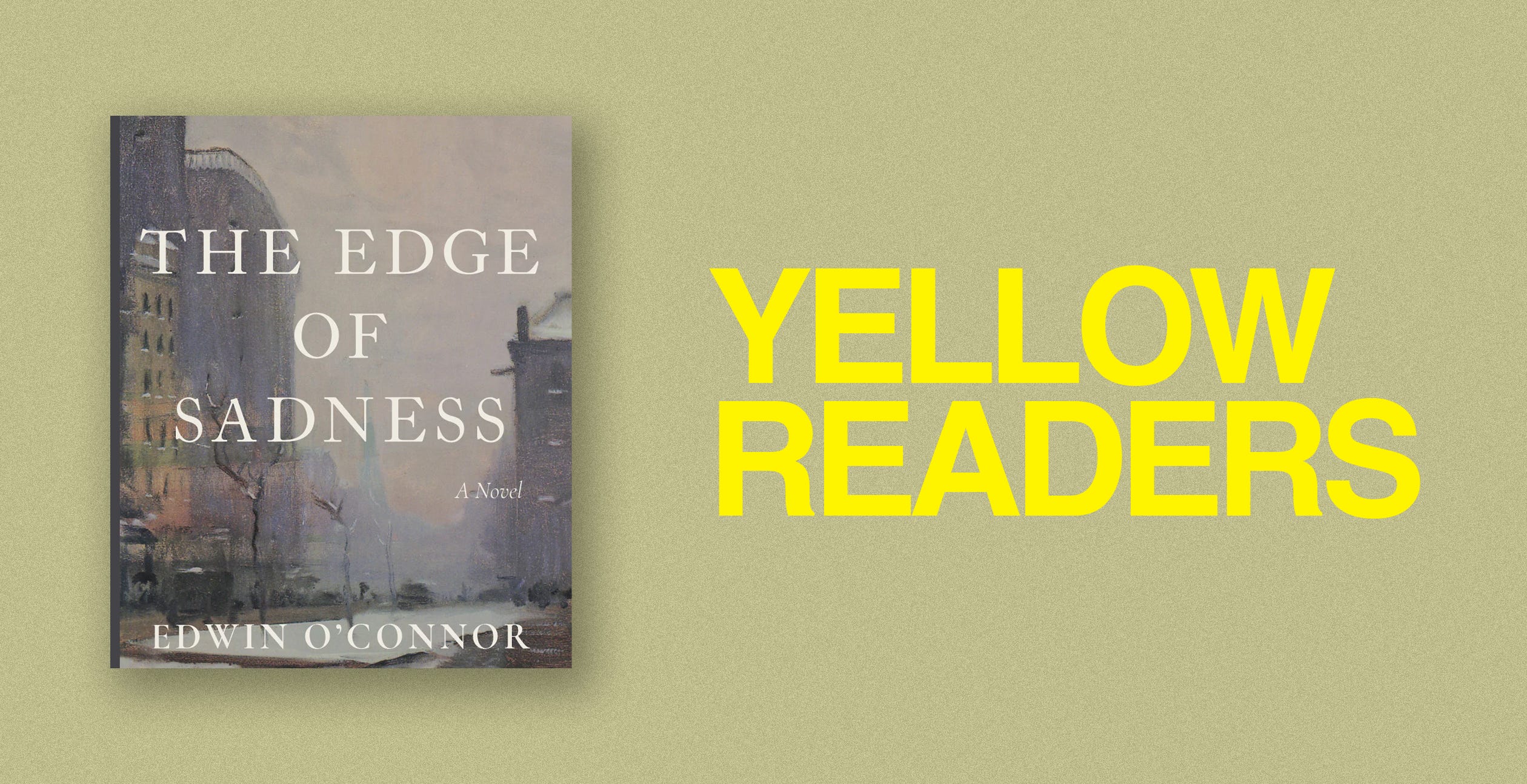
Here’s a book that won the Pulitzer Prize and then vanished so thoroughly that most lifelong readers have never heard the title. The Edge of Sadness is narrated by Father Hugh Kennedy, an aging priest recovering from alcoholism, who gets slowly pulled back into the orbit of the Carmodys — a sprawling, difficult, magnetic Irish-American family he’s known his whole life.
It’s a Yellow book to its bones. It’s about connection: about the people who keep finding you, the families that aren’t quite yours but claim you anyway, the slow work of coming back to the living after you’ve withdrawn from them. Quiet, warm, deeply human, and criminally under-read. You’ll want to press it on someone the moment you finish.
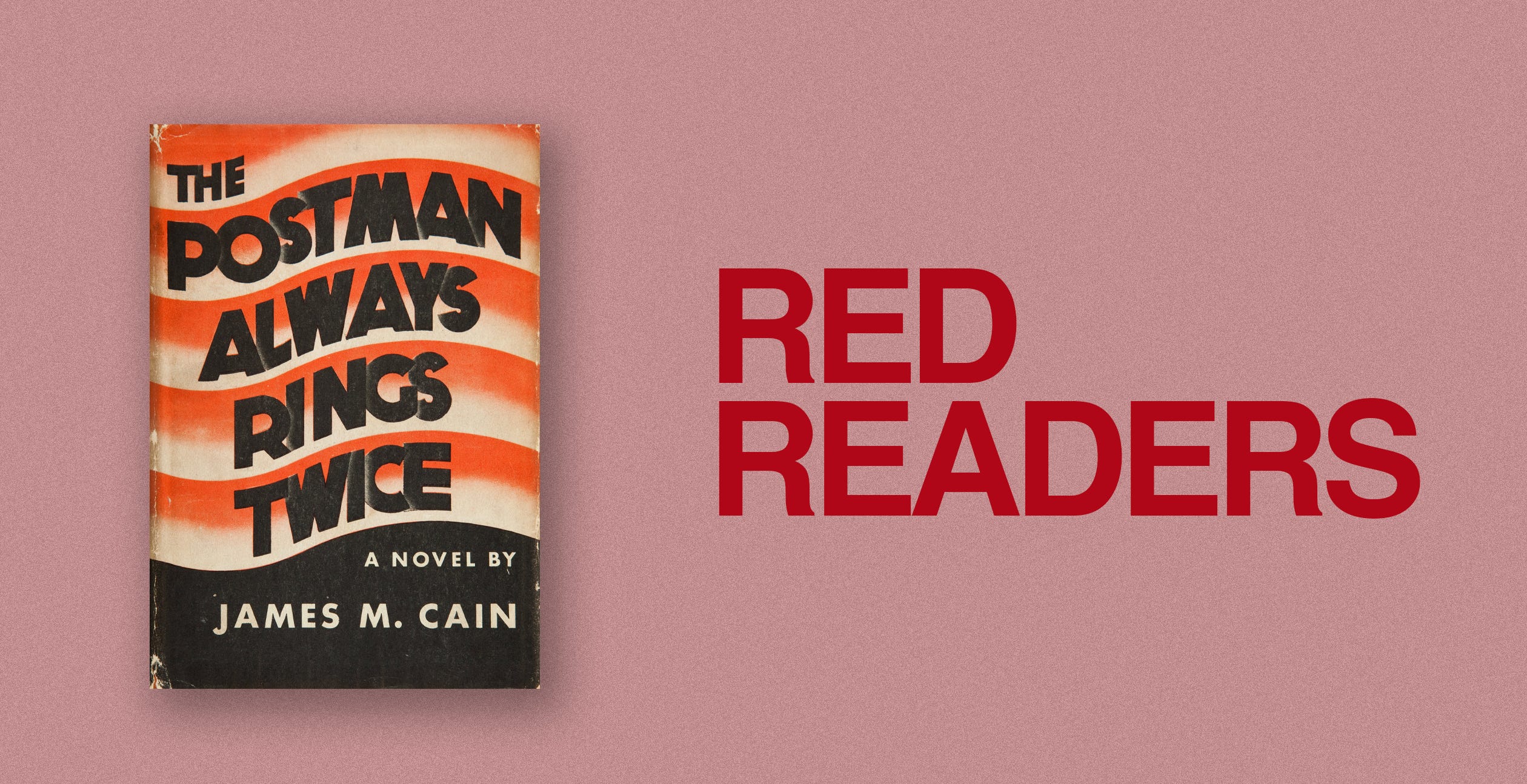
Everybody knows the title. Almost nobody under a certain age has actually read the book — and the book is a weapon. A drifter wanders into a roadside diner, falls for the owner’s restless wife, and the two of them decide there’s only one way out. That’s it. That’s the whole engine, and James M. Cain runs it at full throttle for barely 120 pages.
This is the novel that basically invented American noir — lean, mean, propulsive, not a wasted word in it. If you read for the 3 A.M. can’t-stop grip, the forgotten classic that delivers it hardest isn’t on any front table. It’s a ninety-year-old paperback that still reads like it might actually kill you.
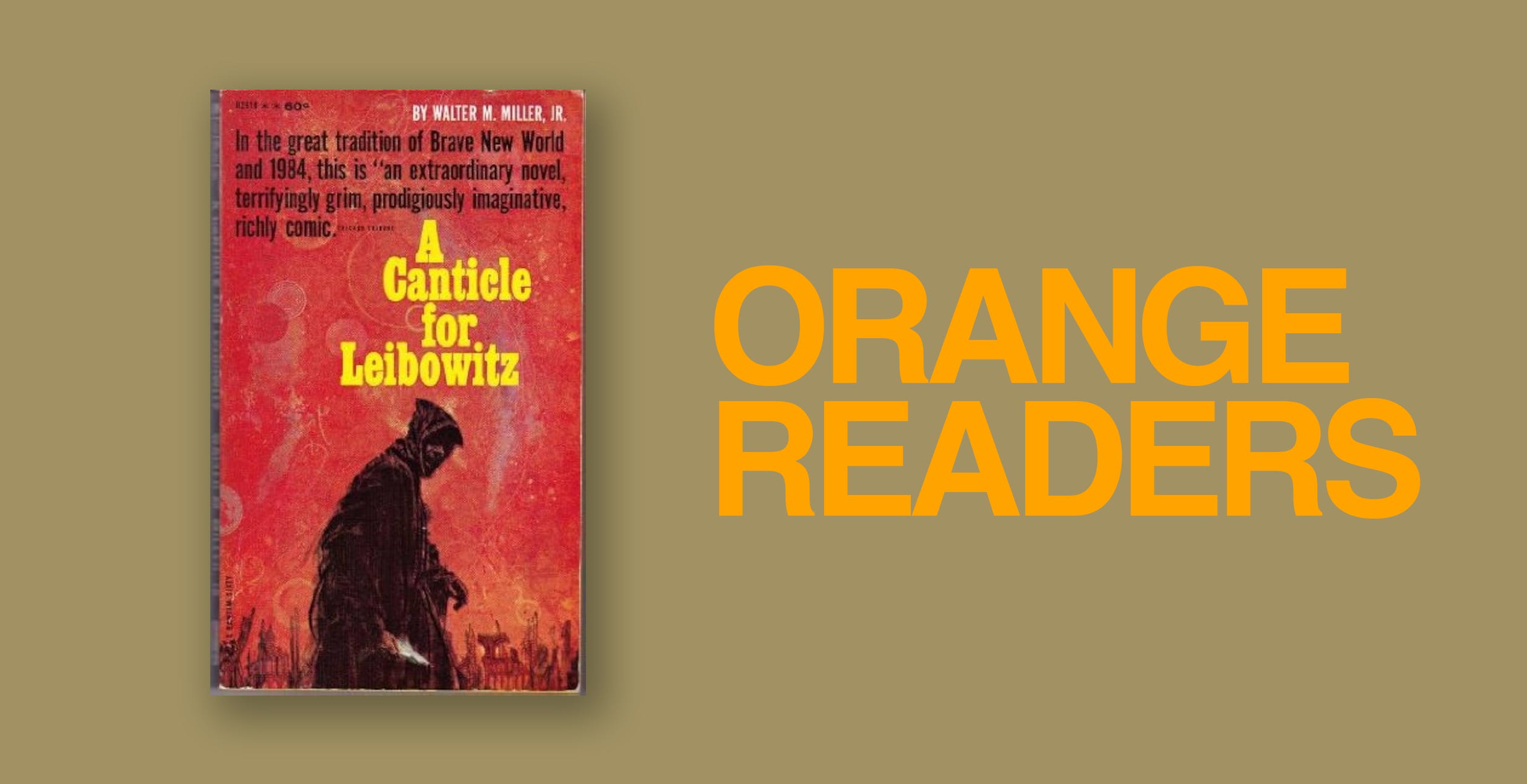
Centuries after a nuclear war has bombed civilization back into a new dark age, an order of monks in a desert abbey labors to preserve the scraps of lost human knowledge — even when they no longer understand what the fragments mean. The novel unfolds across hundreds of years, watching humanity slowly, painfully climb back toward the light, and toward the same edge it fell off before.
It won the Hugo, sold millions in its day, and has quietly faded from the shelf — which is a shame, because it delivers the Orange feeling like almost nothing else: that vertiginous sense of vastness, of deep time, of being a tiny part of something immense and strange and sacred. Transcendent in the truest sense.
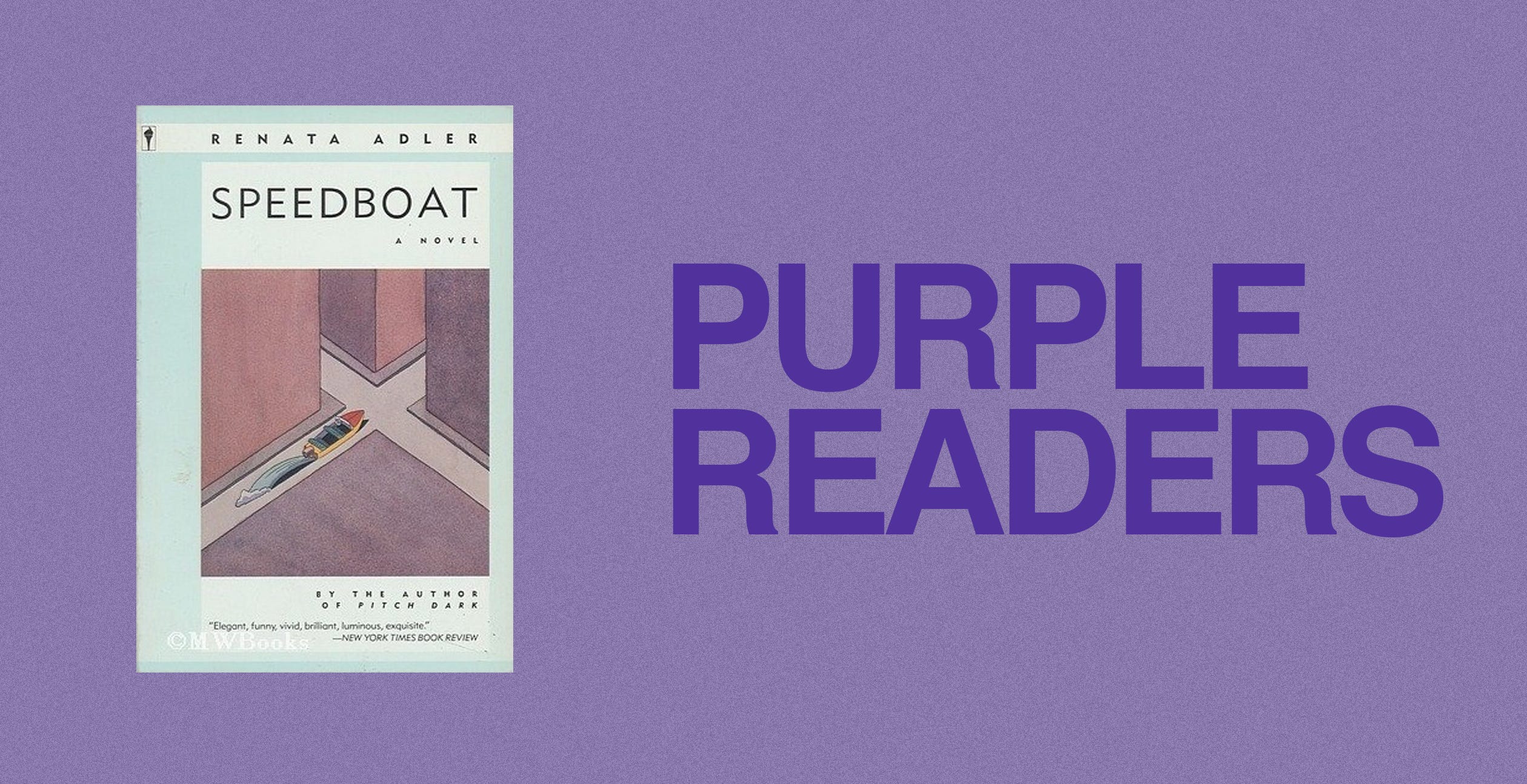
This one barely behaves like a novel at all. Speedboat is narrated by a journalist named Jen Fain, and it arrives as a cascade of brilliant, disconnected fragments — observations, scenes, one-liners, half-stories — that never resolve into a conventional plot and somehow add up to a complete and unforgettable portrait of a mind and a moment anyway. It won an award, went out of print, and was rescued from oblivion by NYRB Classics in 2013, where it found the cult following it always deserved.
It’s the definition of a Purple book: it does something you didn’t know a book was allowed to do, and once you’ve read it, you see its fingerprints on a whole generation of writers who came after. Start here, and you’ll understand where a lot of “experimental” fiction quietly got its ideas.
These six aren’t lost. That’s the good news — you can still find every one of them. They’re just waiting on the quiet shelf for the right reader to walk by. If one of them is yours, consider this your reminder to go pull it down.
P.S. — Not sure which color you are? The brand-new Version 2 of the Read Your Color assessment just went live at ReadYourColor.com. Take it, find your color, and you’ll know exactly which of these forgotten classics was written for you. (And if you want a full season of reading built around your color, my Six Summer Reading Plans are waiting for you, too.)
No posts
Comments
Nothing yet. Say the first thing.
Sign in to join the conversation.