
Union Hall Gallery, Golden Hill, San Diego, June 14th 2 - 4pm
Art of Now: Pushing Boundaries
My talk was very different from the notes for it I posted here several days ago.
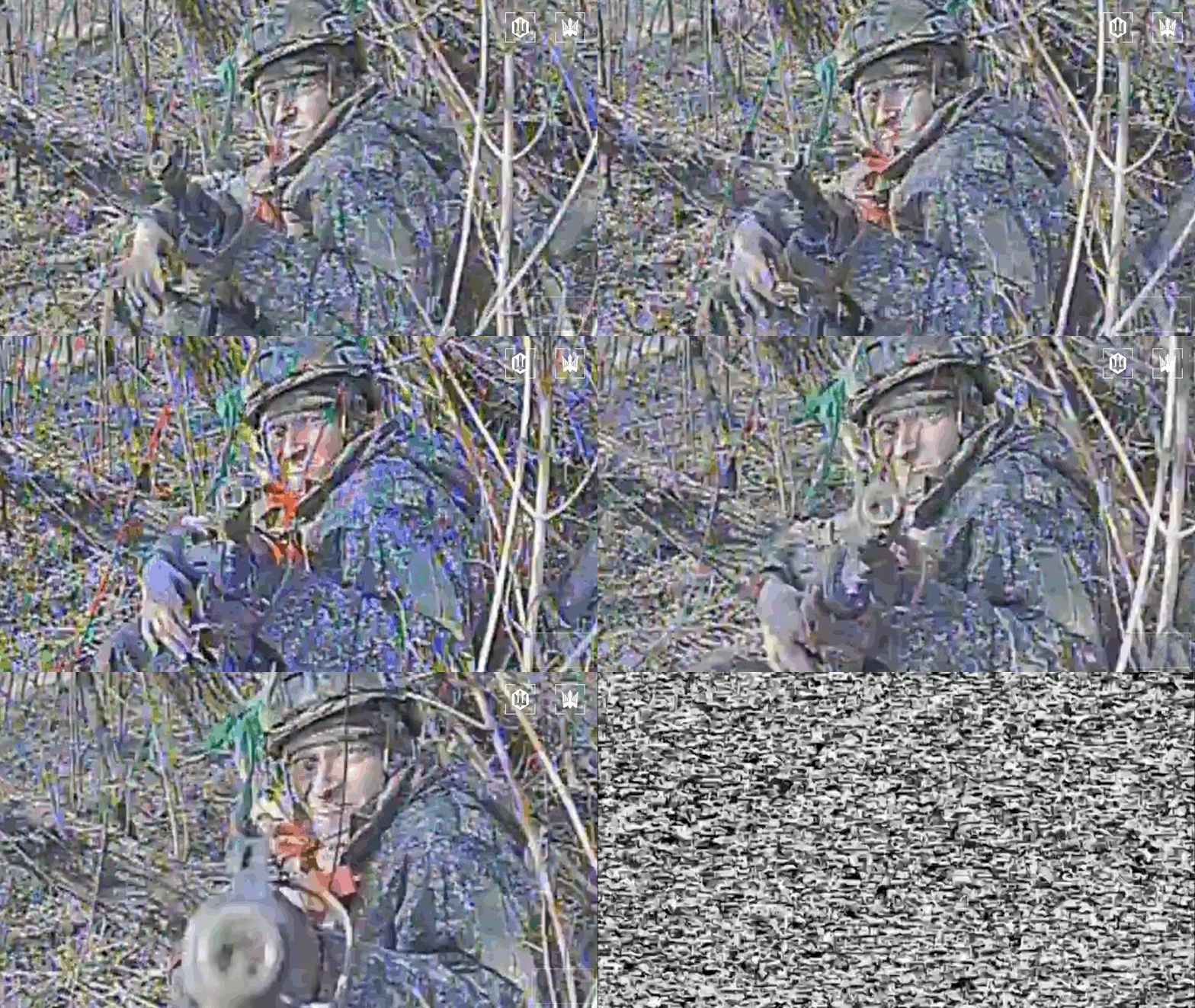
This gif animation came up as the first slide:
https://www.deviantart.com/p0ps/art/Portrait-of-a-Soldier-1317893991
When I saw it come up, I said, “I planned this to be the last slide, but let’s start here at the end.” I claimed this to be the “real Art of Now.”
It is an animation I made from screenshots of a video posted on Magyar Telegram
It is the final photograph of a Russian soldier who bravely faces his end by attempting to shot an incoming drone with his rifle. He either misses or he hits it at close range, in either case, it explodes in his face and he is kaputed, flatlined, unalived. The drone’s final transmission is video “snow.” That snow captures the remnants of “The Big Bang,” origin of our universe, what we used to call “microwave background radiation” and what Cosmologists now refer to as “the surface of the last scattering.”
With comments and questions from the audience, I spoke of the trauma faced by the drone operator and everyone responsible for equipping, training, and sending young people into positions with the instruction to kill.
I also explained the frustration with Russia sending soldiers into Ukraine to kill. I rather helplessly and rhetorically asked from the Ukrainian point of view, “What else can you do, but try to stop them?”
My talk covered a few points about my artistic vision of seeing figures immersed in equally significant oceans of atmosphere.
Near the end, talking about my painting practice, I said, “When I see my painting as so raw and clunky that I'm embarrassed to have anyone look at it, I understand it to be at its best.”
I remember concluding with, “This is a crazy world. I didn’t ask to be in it.” This got a hearty laugh.
I didn’t show any of the following example paintings important to my appreciation of Art History. I didn’t make any of the statements below that I posted here before the talk:
Painting has been a means to honor, remember, to illustrate important people and events, painting has always been communicative.
Pre-Columbian Indigenous warriors painted on their shields pictogram representations of their victories in battle, painted on their dwellings signs of their klans.
Pre-Cookian Aboriginal painters mapped their neighborhood in the stars.
Painters throughout the ancient Euro-Asian and African continents painted to honor and visually explain their lives.
Every human species painted.
Myself, an elder, in 21st Century San Diego, identify as a painter in the tradition of hundreds of thousands generations of people who painted before me, while my Art School education focused on the painting of the last few hundred generations of collected Euro-American artists. My self-guided study focuses on the past six or seven generations of painters since 1850, the approximate date of the modern cultural conditions I’m experiencing: mass media, instant electronic communication, fast travel, general middle-class education, and paintings as consumer products.
Governmental, Royal, Aristocratic patrons still commission art production, but significantly in this modern era, painters self-fund their individualistic art-making.
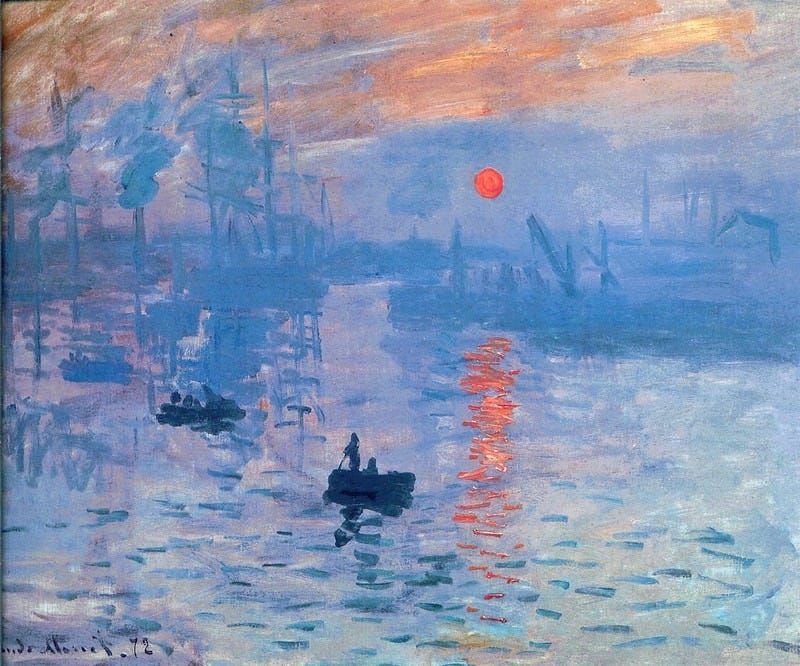
Of the hundreds of thousands of painters in the modern era, I take guidance from the paintings of a narrow band of well-known painters from Europe and post-colonial America exemplified by Monet,
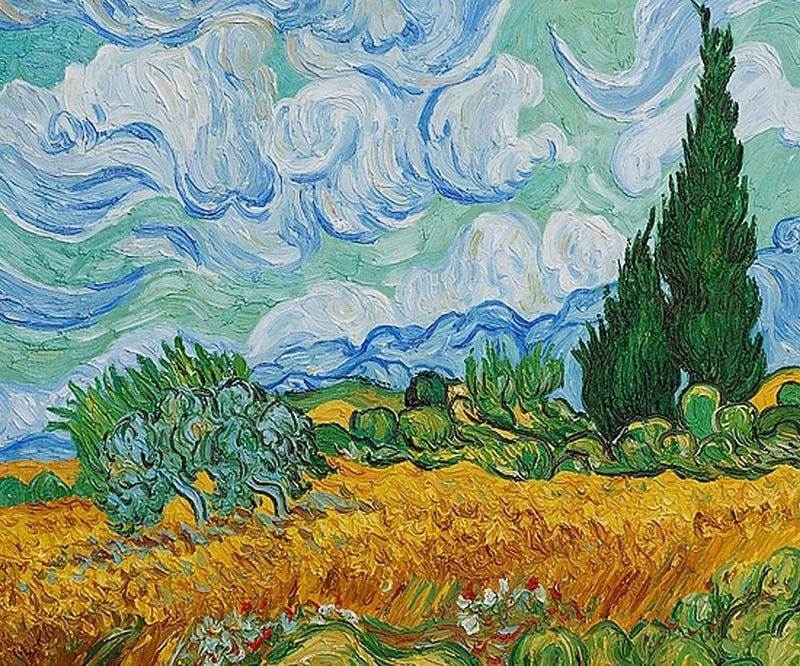
Van Gogh,
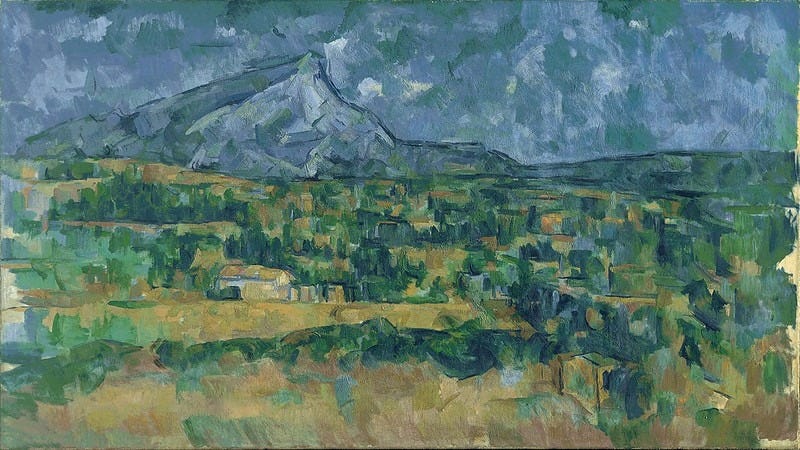
Cezanne,
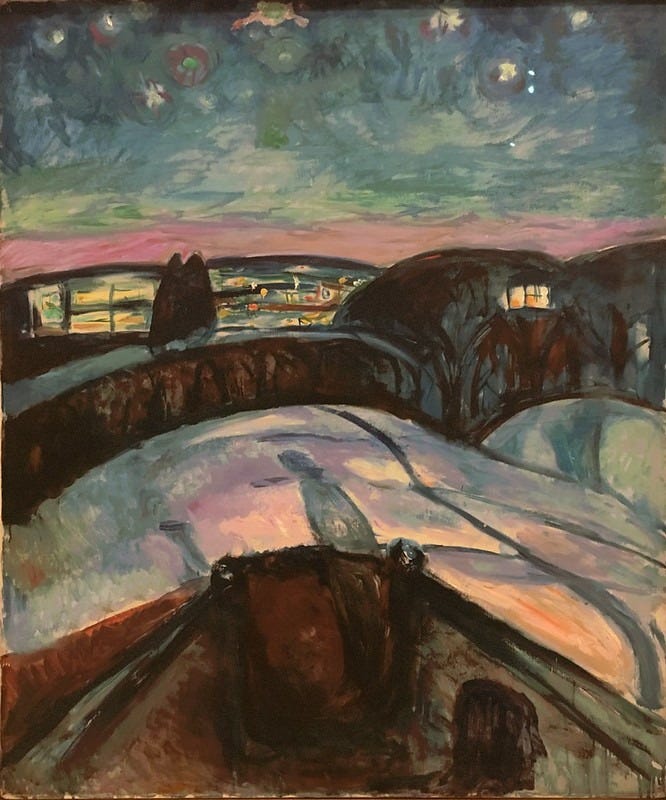
Munch,
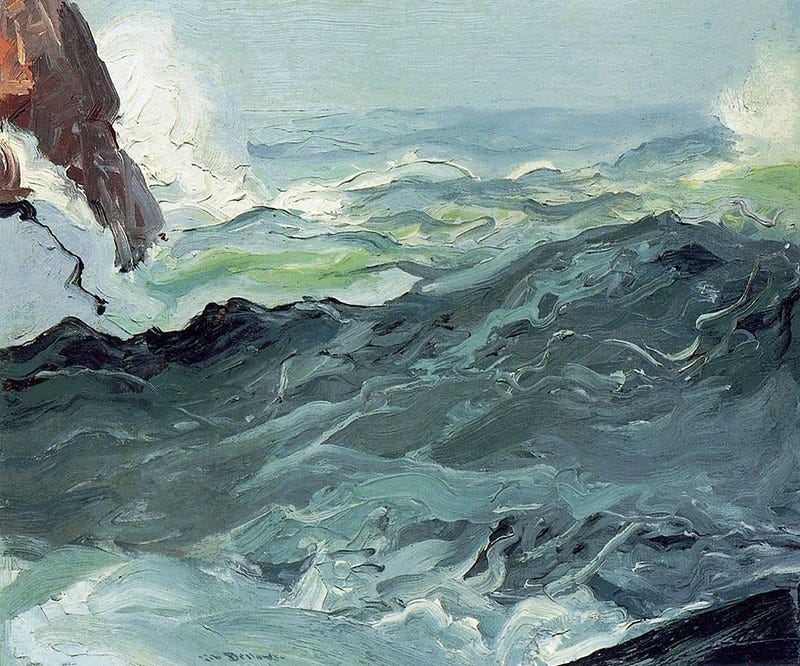
Bellows,
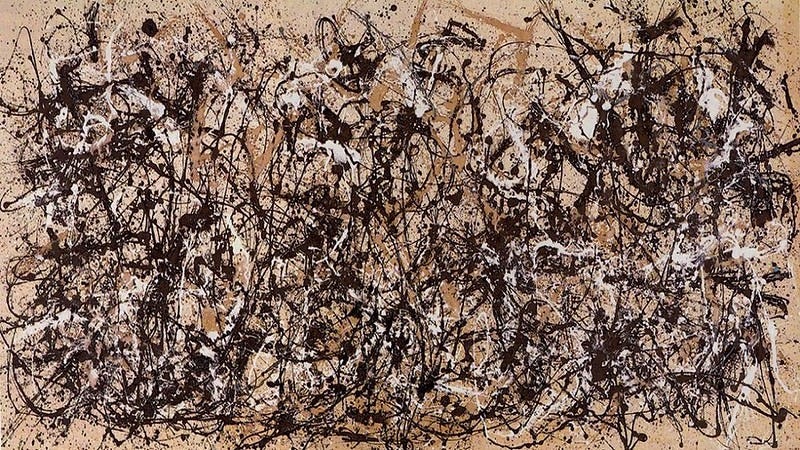
Pollock,
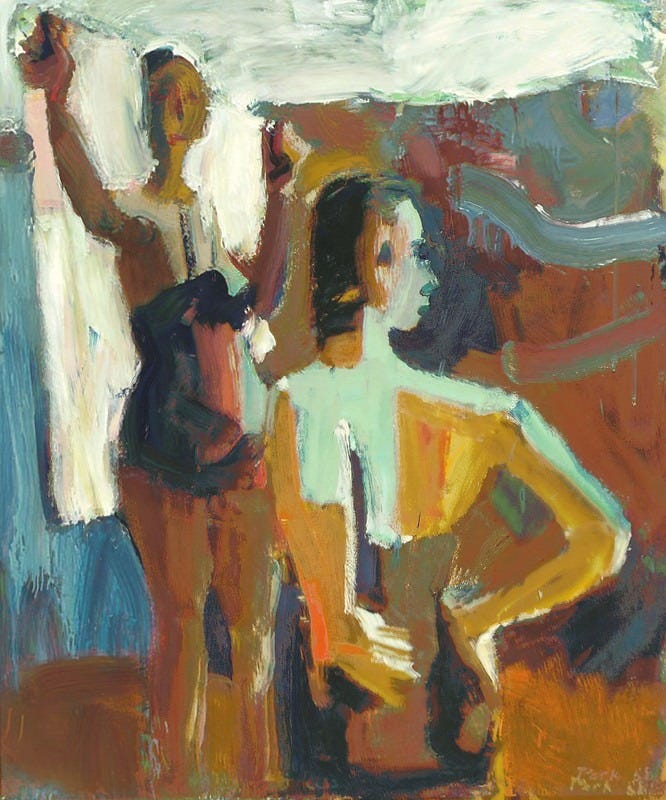
Park,
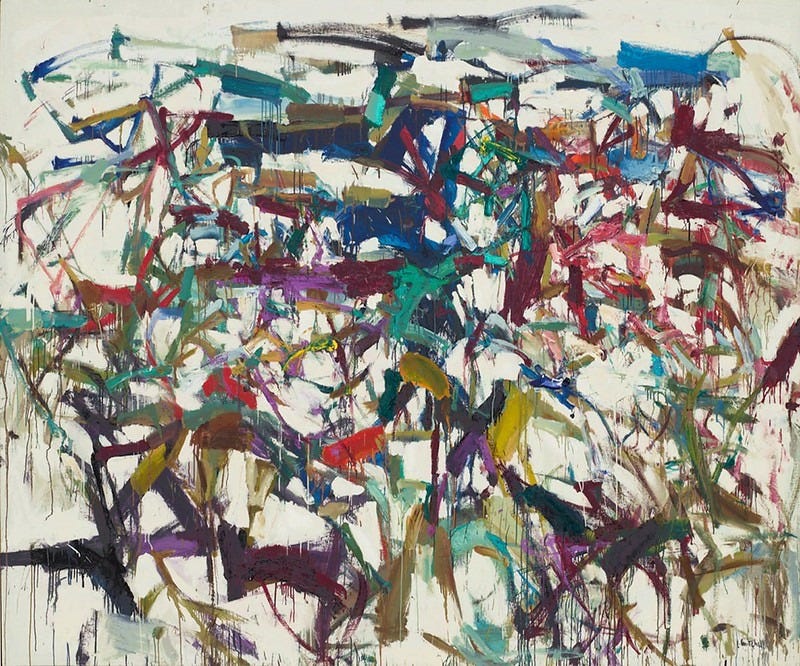
Mitchell,
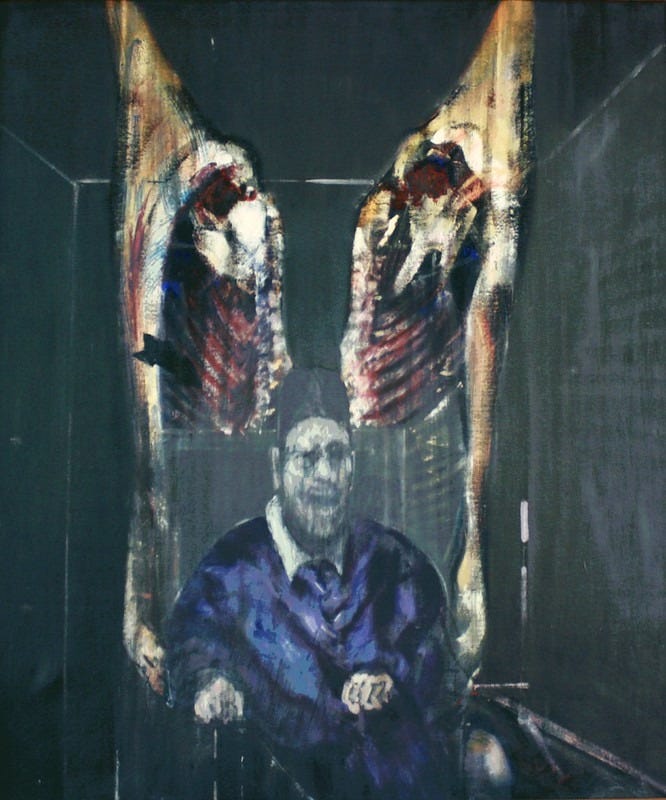
Bacon,
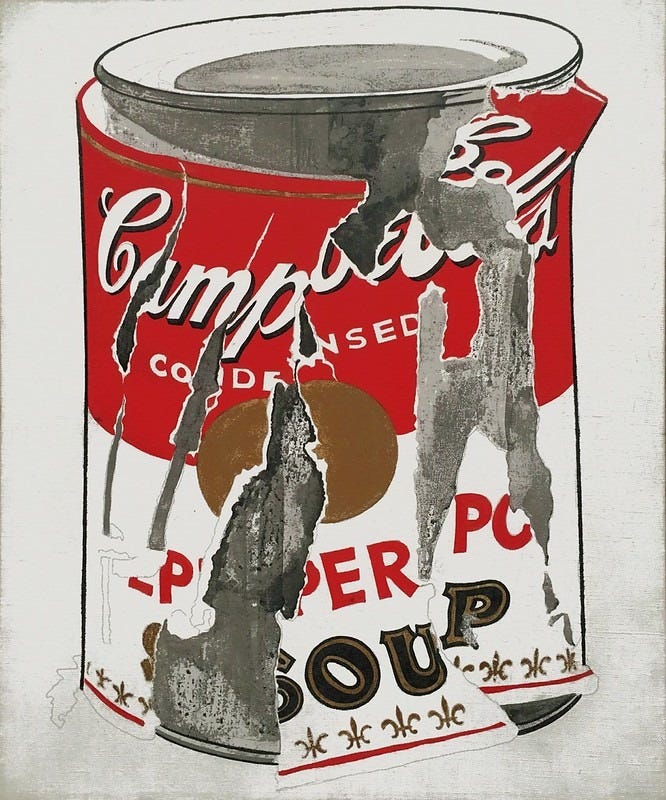
Warhol,
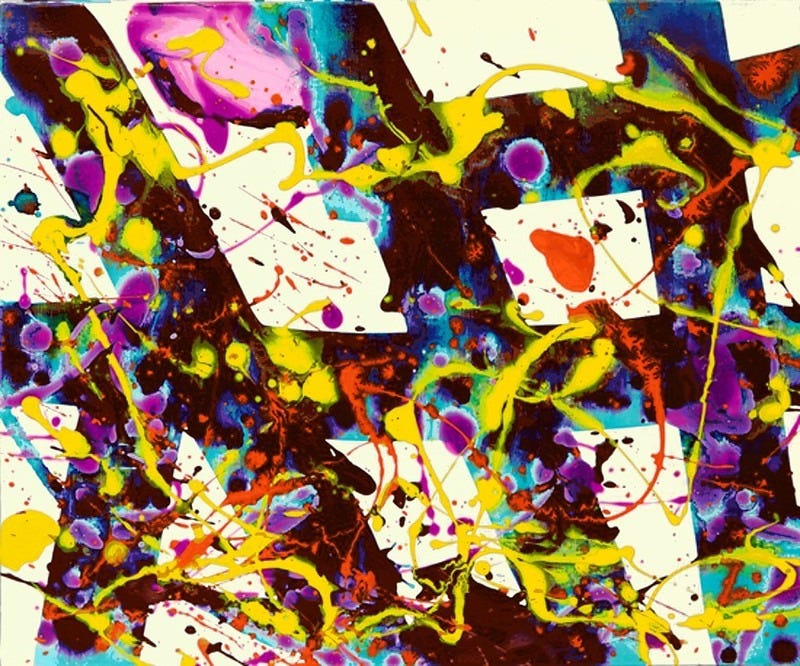
Francis,
Basquiat,
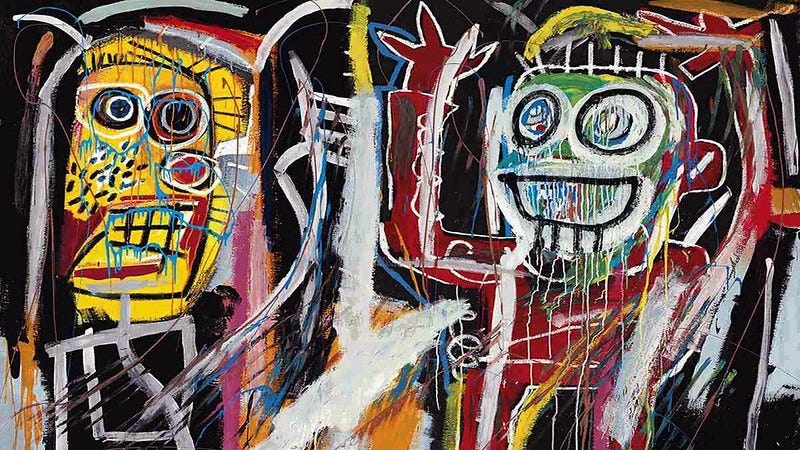
(with apologies to the several others I forgot to mention, but are in my heart).
Living artists I watch as peers are:
Hockney,
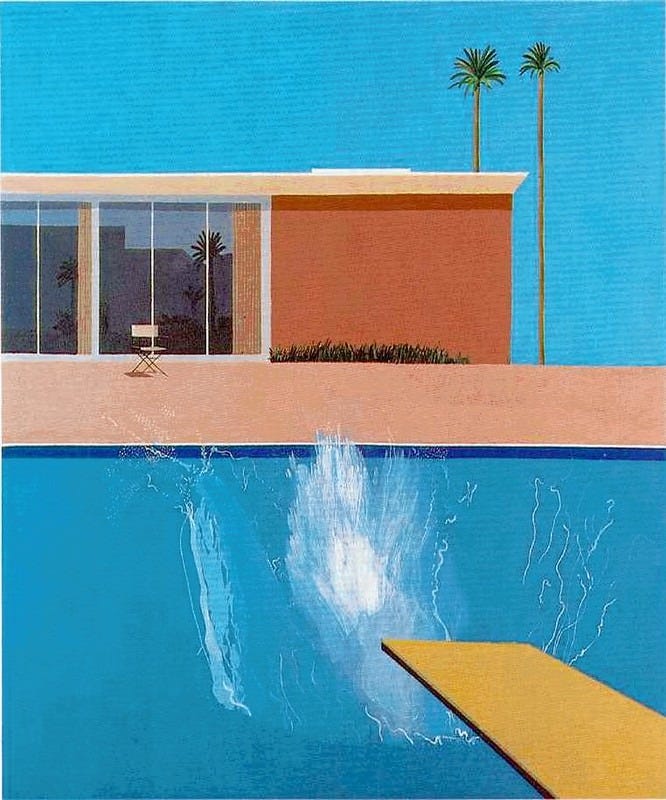
Marshall,
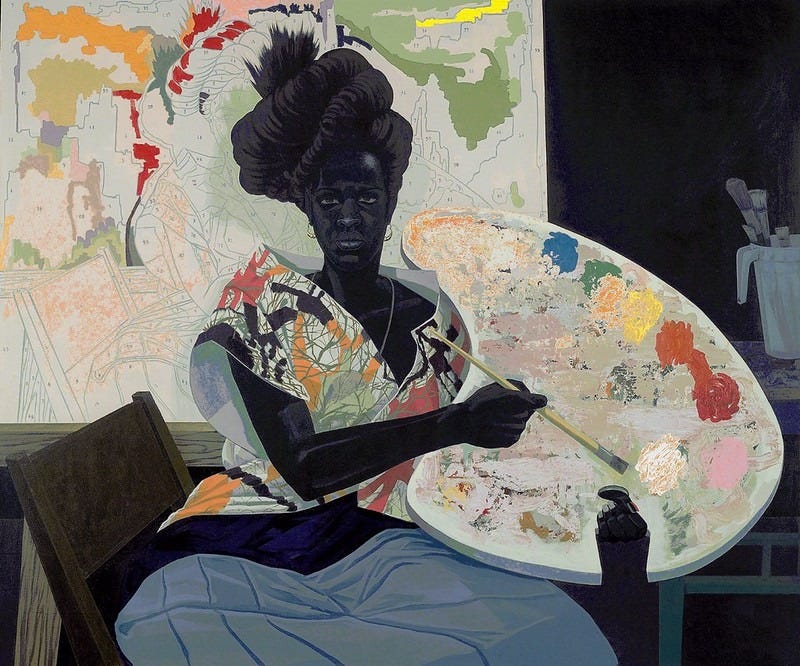
Salle,
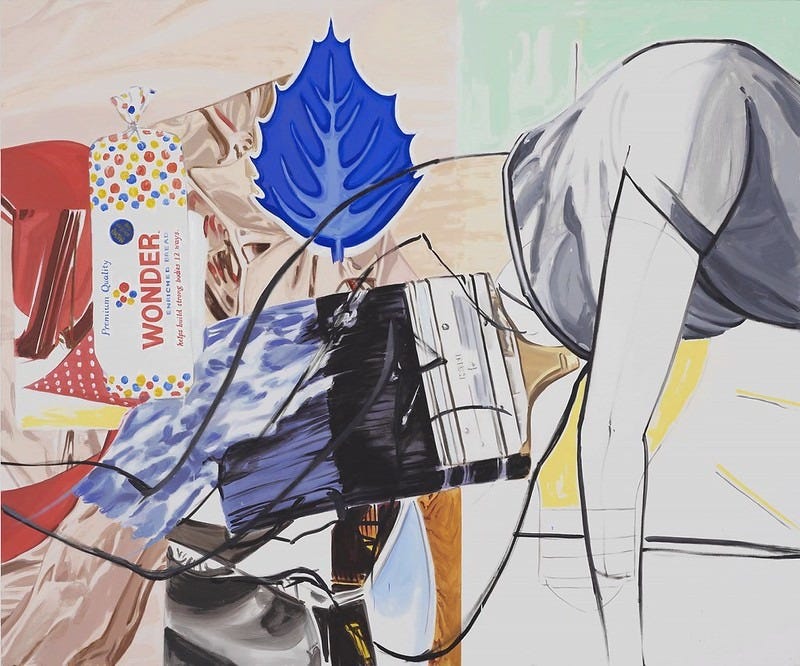
Ghenie,
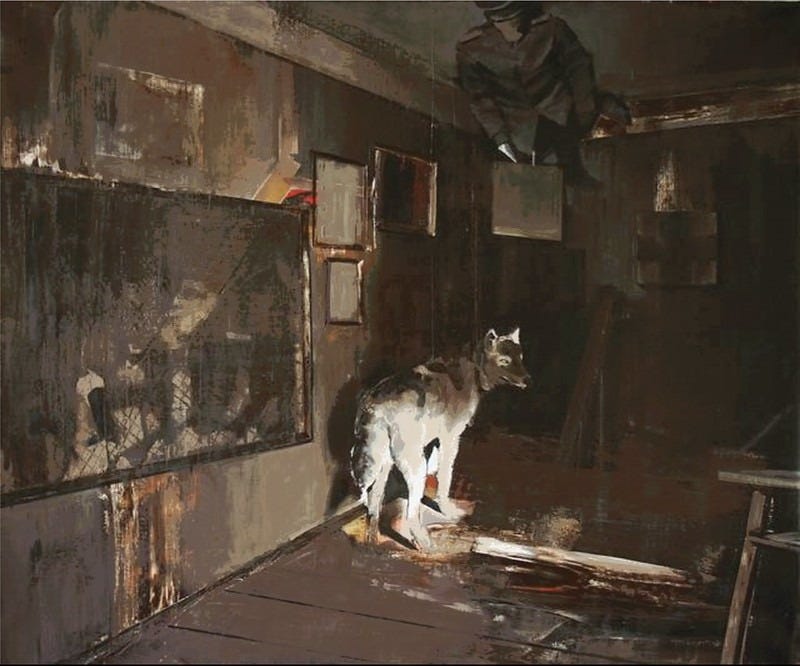
Fadojutimi
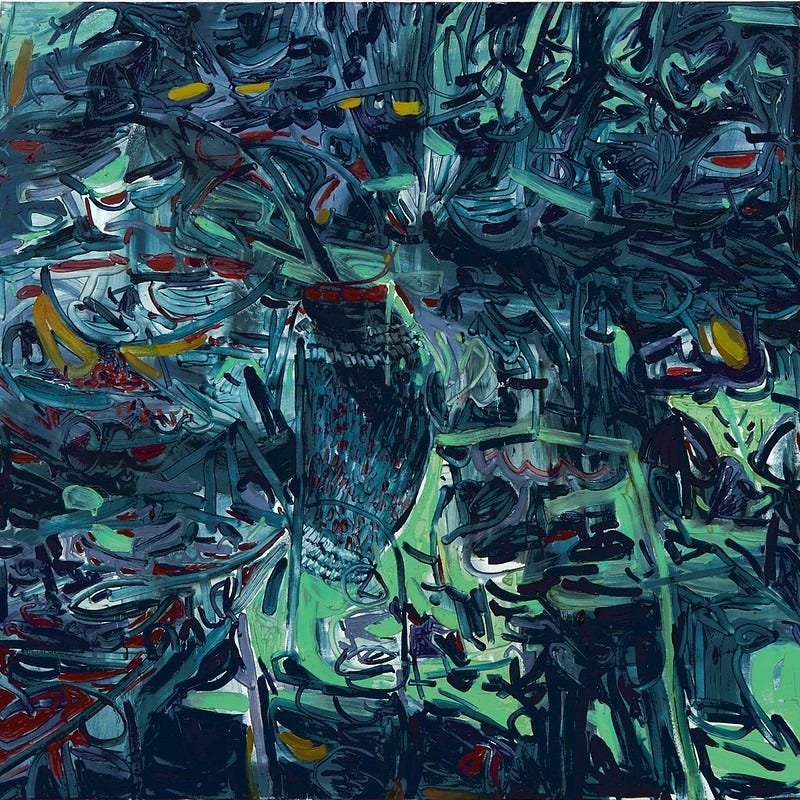
(again, apologies to those I missed).
Local artists I admire and enjoy include:
Ellen Dieter,
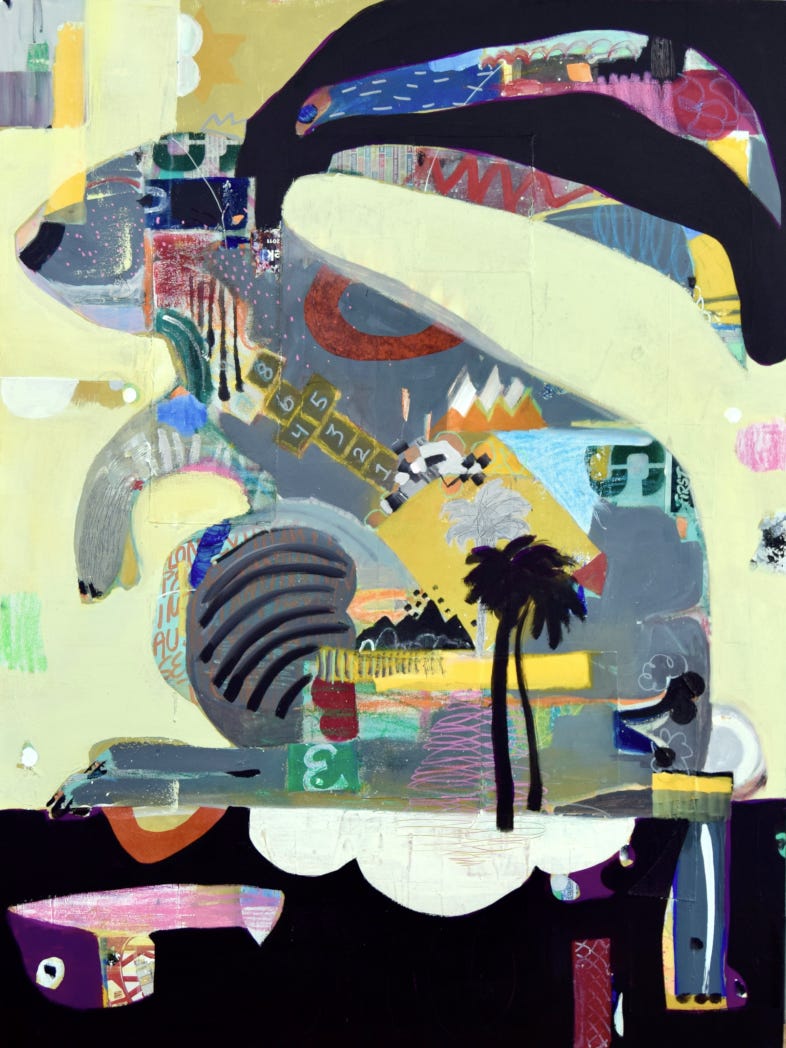
& Sylvia Fernandez.
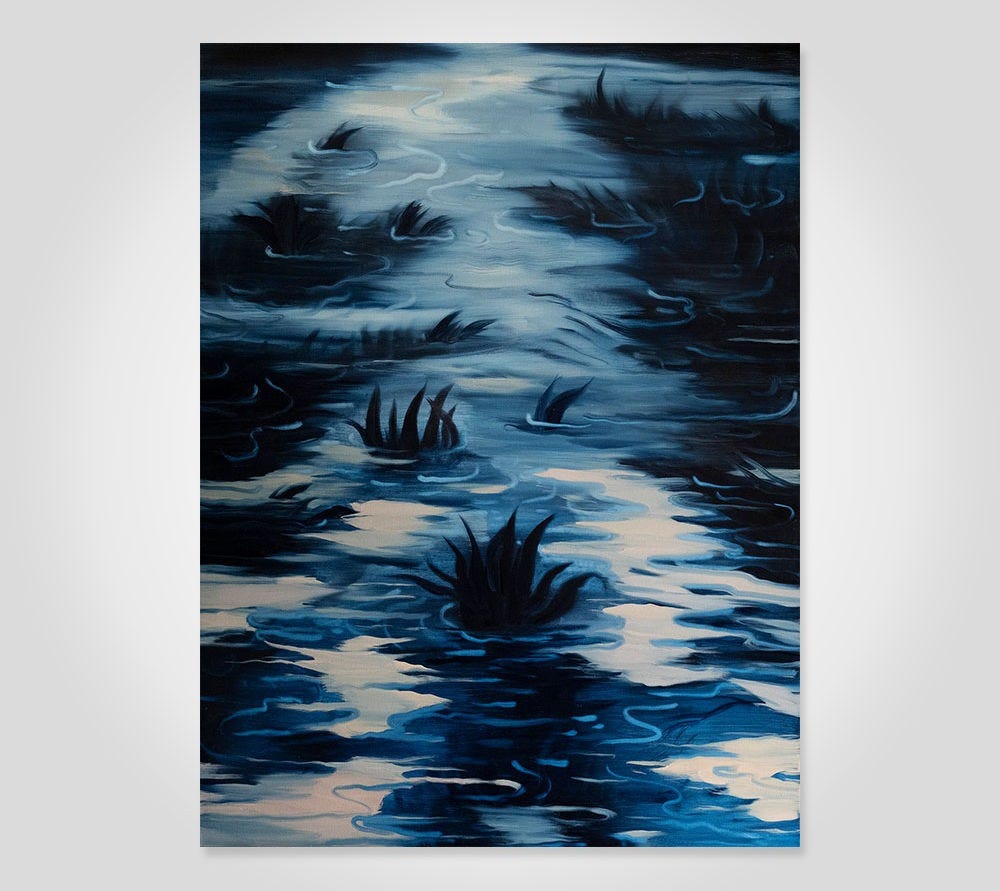
My painting is always Expressionistic, Figurative, and taking lessons from Abstraction.
In the 19th Century painting seems to have been popular as a visual medium, although print-making (primarily engraving and lithography) spread the painters’ artworks beyond the first-hand viewing of the actual paint.
Photography was a strong visual medium upstart and by the turn of the 20th Century took over, both in still images and especially popular moving images.
The 20th Century was the triumph of cinema as the leading visual art-form. Photography, Cinematography, and Videography lead as the most influential forms of art-making through the turn of the 21st Century.
Then the skills needed to produce art for the large Cinema screen and the smaller home television screen turned to the production of art for the even smaller smartphone screen.
While it is still essential to fully experience a painting live in a studio, or public exhibition — now, the most common experience of paintings is on the personal screen of our phones.
While the cinema experience has never been richer with IMax, 3D, 70mm, HFR, Et al., we experience many more moving pictures on TicToc, Instagram Reels, YouTube Shorts, etc.
The primary media experience of paintings in “The Art of Now” may be the vertical iPhone videos we shoot in the gallery and message to friends or post to social media.
Should we be sad? Or, possibly, glad?
Never has visual art reached more people even though it reaches them in these filtered transmissions.
Paintings in their physical form are events. They are unique media, both short and long form. Live, we may decide whether we are interested in a painting at a glance, but, when we decide we are interested, it becomes long-form media. If we live with it, either in our homes or offices or through repeated viewings in museums, paintings we like continue telling us ever more subtle stories over hours or years of viewing.
However, today, we most often only know that a painting exists if we see a photo of it on our phone. Or perhaps we see an exhibition announcement on our phone, attend the show and discover a painting we like there.
Comments
Nothing yet. Say the first thing.
Sign in to join the conversation.