
Active inventory now stands at 12,853 active listings, representing a net drop of 144 listings compared to last week. That’s about a 1.11 percent decrease week over week. Even with the recent pullback, inventory levels remain 16.52 percent higher than this time last year, but that annual gap has been narrowing for several weeks. In other words, sellers are starting to pull back. This week saw fewer new listings hit the market while pending home sales ticked up slightly, suggesting buyers are still moving when the right opportunity comes along.
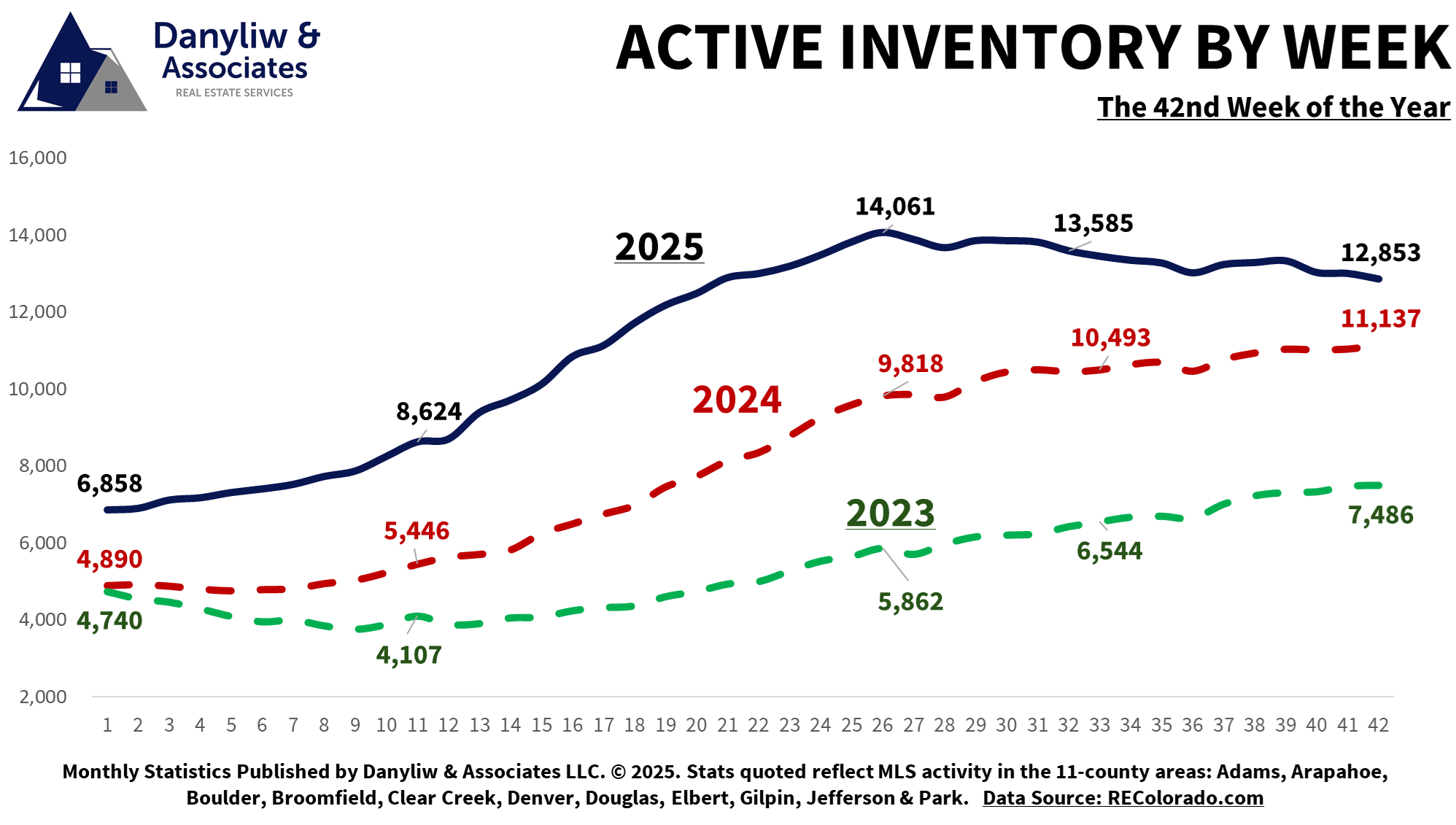
The timing of this shift isn’t a surprise. Each year, the approach of the holiday season changes the pace of the market. Many sellers prefer to wait until early January before listing, while buyers tend to make a push to get a deal done before Thanksgiving. After that, activity naturally slows. No one likes the uncertainty of keeping a contract open through the holidays. It’s one of those seasonal patterns that repeat themselves, and this year is shaping up no differently.
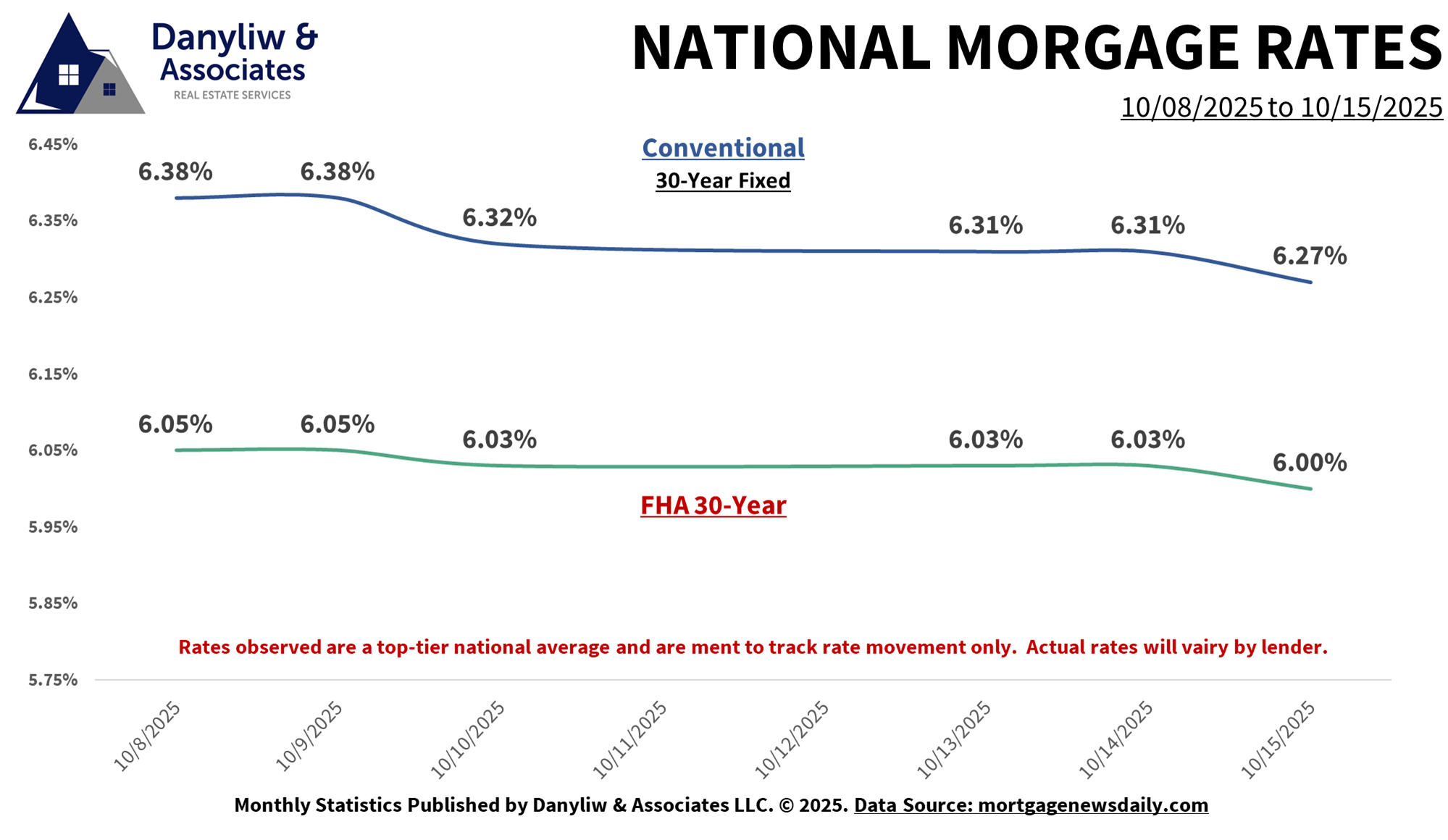
On the lending side, the average top-tier 30-year mortgage rate closed the week at 6.27 percent, which is down eleven basis points from the previous week. FHA loans followed the same direction, averaging right around 6.00 percent. On a national scale, the average 30-year mortgage rate slipped to roughly 6.30 percent. That’s giving some breathing room to buyers who have been waiting for more favorable conditions. Rates aren’t plunging, but they are stabilizing in the lower-6s, which could build momentum if the Federal Reserve maintains a softer stance going forward.
Even with rates easing, sellers continue to offer significant concessions. This week, 65.6 percent of closed sales included a seller concession to the buyer, up from 63.8 percent last week. During the same week last year, just under 60 percent of sellers were offering concessions. Most of these are still being used to fund temporary or permanent rate buy-downs. If rates continue trending lower, that particular type of concession could become less common, but for now, it remains a defining part of many transactions.
Looking ahead, there are a few key dynamics worth watching. Will inventory continue to tighten through the end of the year, or will we see a short-lived rebound before winter sets in? As rates inch lower, will sellers start offering fewer rate buy-downs, or will concessions remain the norm through the first quarter of next year? And how will Denver’s affordability metrics evolve if home prices hold steady while borrowing costs drop further?
For now, the market sits in a transitional moment. Inventory is easing again, mortgage rates have dipped slightly, and seller concessions are holding steady at high levels. In Denver, prices remain stable but affordability continues to challenge both buyers and builders. For buyers who are ready to act, conditions are improving slowly. For sellers, pricing smart and understanding how the holiday rhythm shapes activity will be the key to success as we close out the year.
The MLS data reported herein is pulled on Wednesday of each week. Days in MLS (DIM) is defined as the cumulative number of days a home remains in the MLS with an Active status. Data may not reflect all housing activity in the area. Rates quoted in this report are not an offer to provide mortgage services. Researched and authored by Steve Danyliw. Source of data: REColorado.com, Danyliw & Associates, Mortgage Bankers Association & MortgageNewsDaily.com
No posts
Comments
Nothing yet. Say the first thing.
Sign in to join the conversation.