
Part I
My colleagues Dr. Lisa Diamond and Scout wrote as my guests in a November 24 post: Don’t let this moment be erased. Tomorrow it will be one year since you-know-who took office. He wasted no time attacking the LGBTQI+ community in too many ways to enumerate here. Social science researchers Diamond and Scout understood that when the NIH and NSF killed research on the LGBTQI+ population, an easy answer to the question—to what effect?— would be hard to get. So they designed a survey to check in on our (and your) well being. It is easy to take (I took it and learned a bit about myself in the process). The more data they collect, the greater strength the results will have when we look to repair the damage. (And we will look).
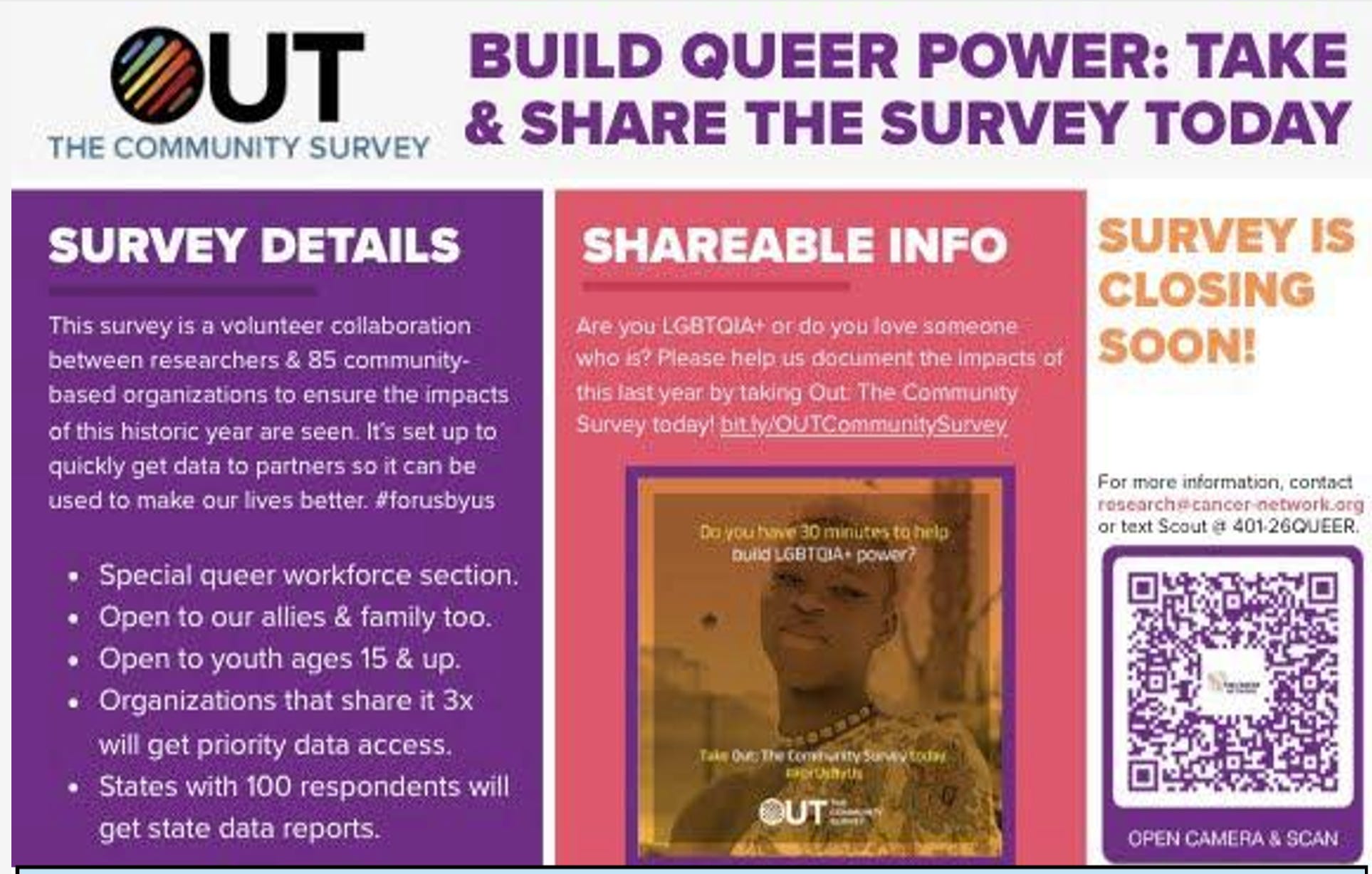
At any rate, the survey will close soon, so I urge everyone, and everyone’s friends, family (it is open to family and allies), new acquaintances, work buddies, classmates—you get the idea, to take a minute to fill it. If you need a little kick to do it, take a look a some of their preliminary findings.
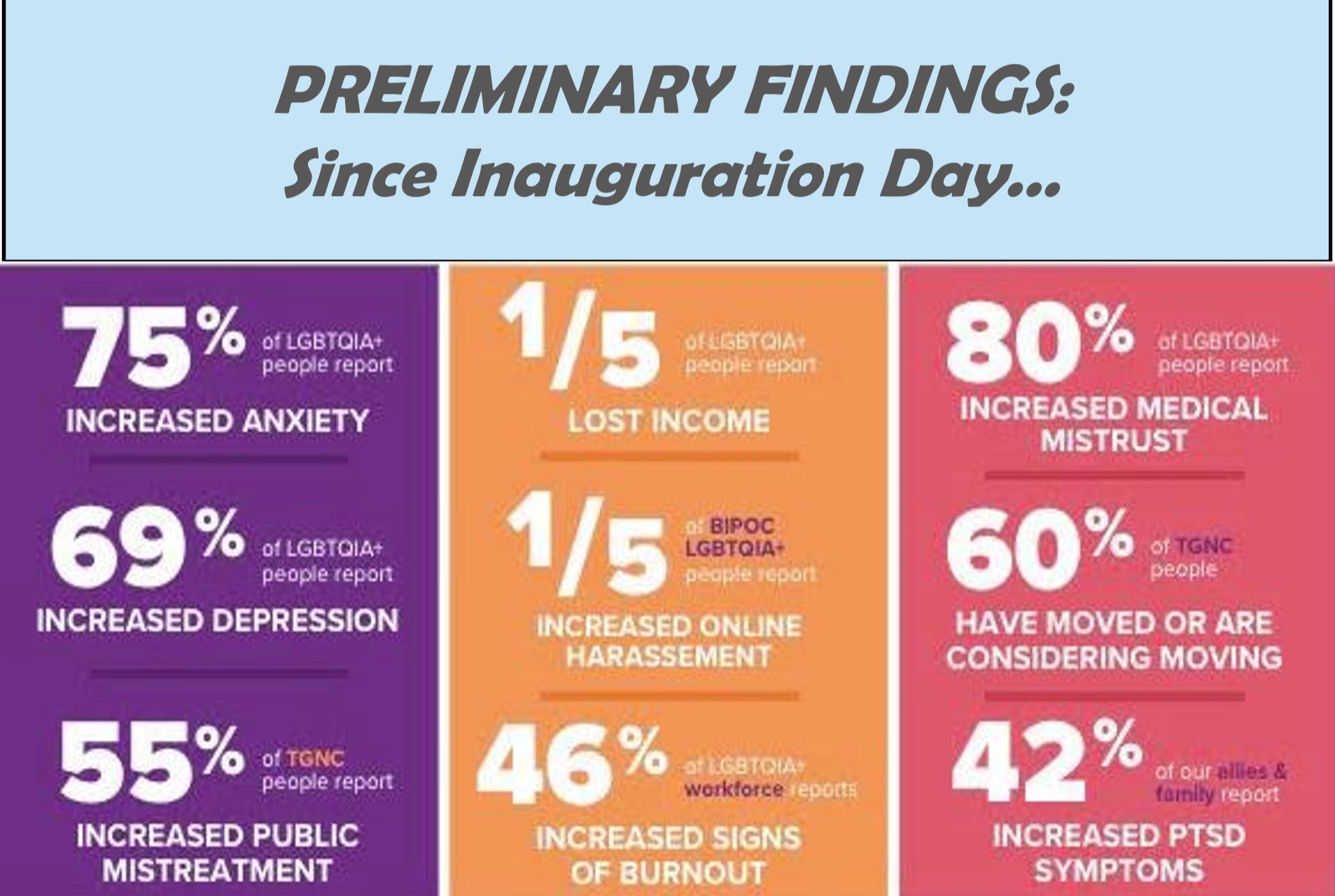
In other words, the cuts to jobs and health care, the burying of LGBTQI+ concerns, the demonizing, the unchecked spewing of hateful words, and yes, in our faces right now, the murder of a lesbian mom who was peacefully defending her community, all this matters. It has hurt our community and those around us. And it has also hurt other minoritized communities—immigrants, African Americans, other Americans who do not look like Nordic Gods. Documenting the effects of Year 1 of the Tr@#&mp regime with the Community’s survey is a critical step for addressing the now and fixing the future. Take the survey!
Part II
Writing Part I dredged up a couple of asides, things I’ve been wanting to say during the past year.
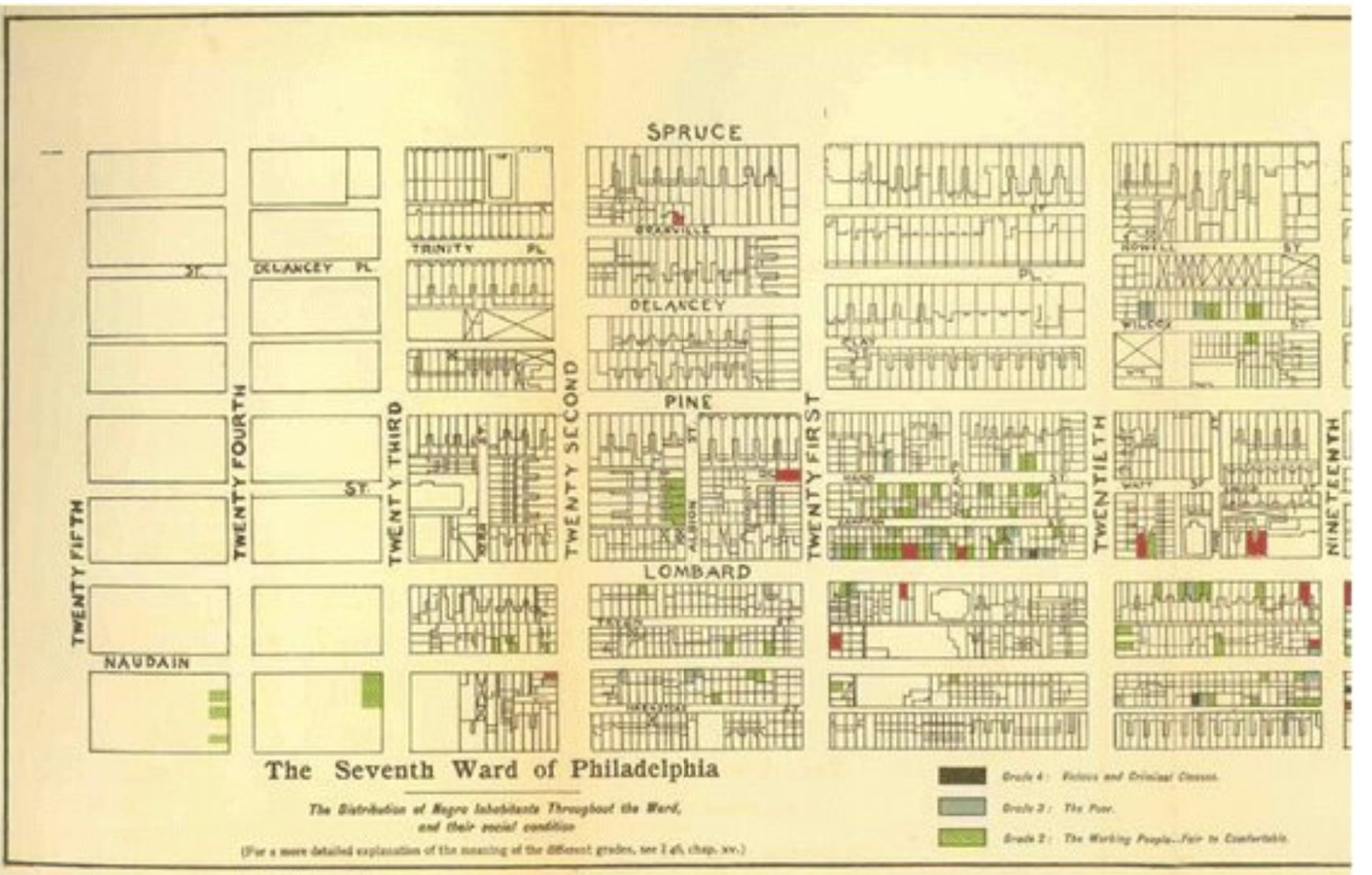
Aside # 1: Collecting community data in is not a new thing. It has been an important go to in the African American and feminist communities. Consider W.E.B. Dubois book The Philadelpia Negro. Dubois and pioneering sociologist and suffragist Isabel Eaton conducted a door-to-door survey in Phillys 7th Ward. (Eaton appended a “Special Report on Domestic Service” to the main book1). In the end they interviewed more than 5000 people, using a survey that “entailed questions about occupations, health, education, and religious, social, and family life.”2 They concluded that the problems faced by African Americans in 1888 Philadelphia arose from job discrimination, rent-gouging, and the lingering effects of slavery, not from some inherent biological difference between blacks and whites.
In the same era, feminist and one of the first women to practice medicine in the United States, Mary Putnam Jacobi answered a screed written by Dr. Edwin Clarke in which he argued that women could not tolerate the rigors of higher education because their each month menstruation disabled them. Jacobi’s 1876 essay “"The Question of Rest for Women during Menstruation," won the Boylston Prize at Harvard University.” In it she gathered “statistics, and sphygmographic tracings of pulse rate, force, and variations to illustrate the stability of a woman's health, strength, and agility throughout her monthly cycle”.3
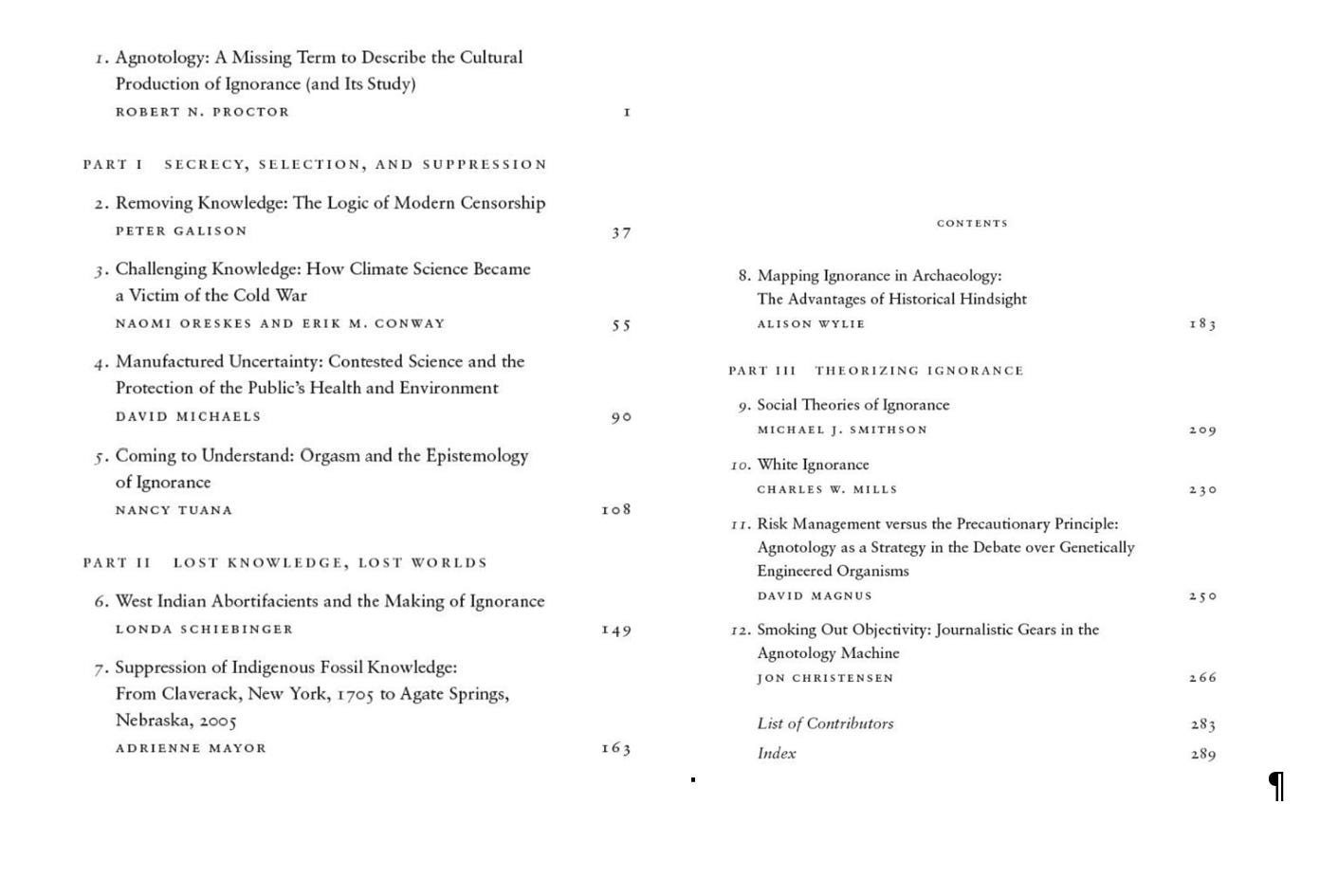
Aside # 2: It is not new that communities and talented individuals have taken data collection into their own hands. Nor is the attempt to destroy knowledge so that there is no there there against which to fight back. In fact during the second half of the 20th century (and not counting the Third Reich) it became so common, that scholars in the field of Science and Technology Studies gave it a name. It is not a word that trips off the tongue, or immediately enlightens someone unfamiliar with the practice of making information disappear. But it is the word we have—agnatology—and there is scholarship to explain it. The historian Robert Proctor coined the word from the Greek agnosis (non knowing) and “ology” (the study of) when he studied the tobacco industry’s efforts to hide the lethal effects of smoking. He and feminist historian Londa Schiebinger, edited the founding book on the study of ignorance. Agnotology: The Making and Unmaking of Ignorance (2008), contained articles on an impressive number of topics, from climate change to orgasm.
So we are seeing the process again. From Robert Kennedy’s shenanigans at the CDC to the removal from government websites of data on LGBTGI+ lives, to the cancelling of grants to study the health and well-being of minoritized populations in America, we see agnosis at work. If we have no data, we can’t define a problem. No problem? Well, nothing to fix here. So OUT : The Community Survey, responds to a regressive tactic that, itself, has a long history. And the designers of and the participants in the survey are part of a long and impressive history of pushback, from Mary Putnam Jacobi and W.E.B. DuBois, to today’s agnatology scholars . It may not require a loud whistle or a frog suit, but filling out the survey is definitely an act of resistance.
This is the first I realized a pioneering (white) woman sociologist was also reposonsible for this book. There is (another) story about a woman scientist to be told here, I suspect.
Quoted from the Jacobi Wikipedia article
No posts
Comments
Nothing yet. Say the first thing.
Sign in to join the conversation.