
Yesteryear is the story of Natalie Heller Mills, a fictional tradwife influencer on a ranch in Idaho—raw milk, chickens, rugged cowboy husband; just like Ballerina Farm, which was definitely the inspiration. Natalie is watched by millions of followers split between acolytes and the people she calls the Angry Women, who hate-watch her with equal devotion. Then she wakes up in 1855. Real 1855. No appliances. No behind-the-scenes nannies. Hands cracked from washing clothes all day. Four filthy children who are not the ones she knows. Husband suddenly acting like he’s in charge of things. Has she been kidnapped? Is she in a Truman-Show-like situation? Or is this a test of faith, like Job’s?
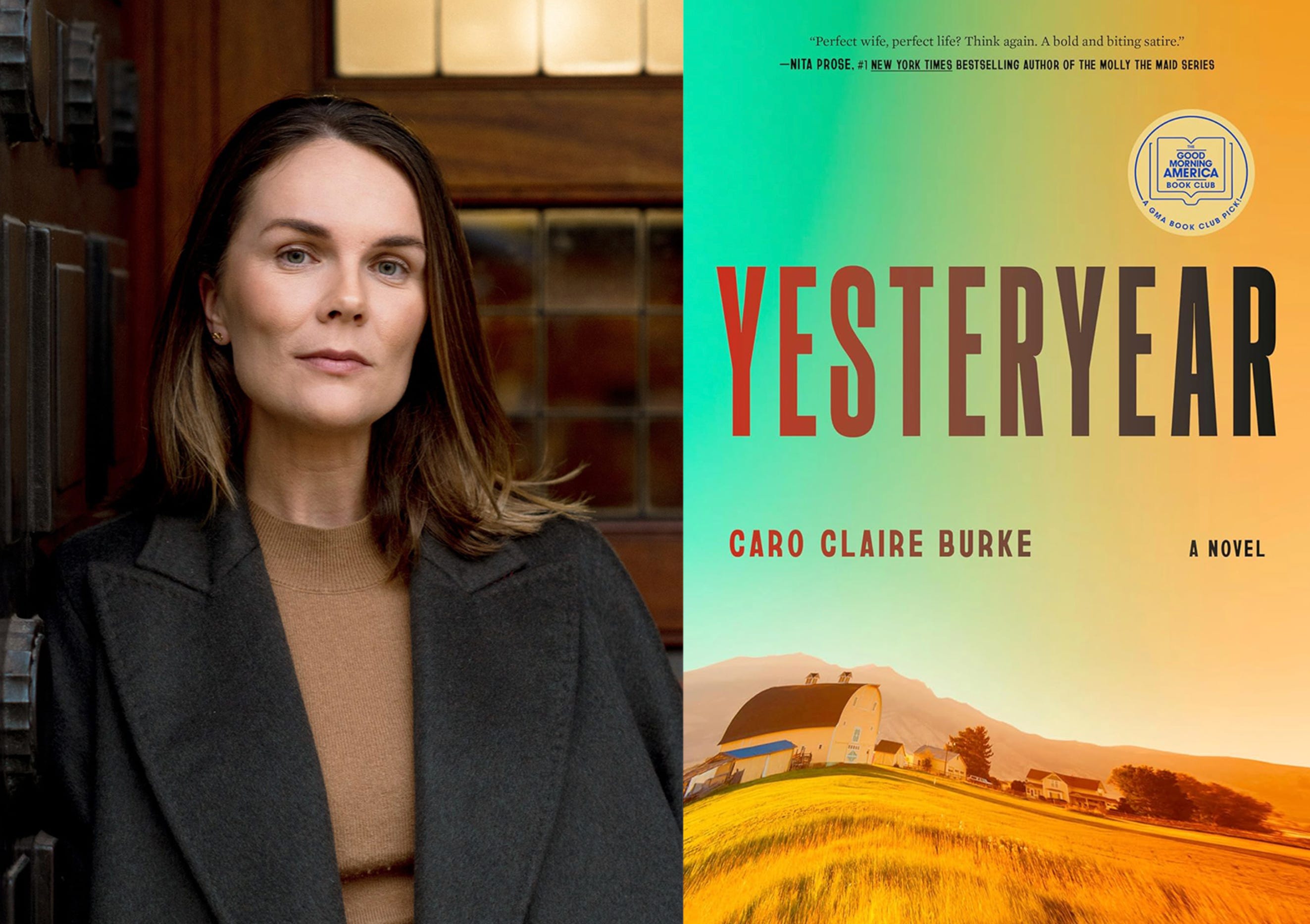
Before doing any plot analysis, I’ll just say that as a character portrayal, Burke absolutely nails Natalie. She is so far inside Natalie’s weird head that I started to feel similar thoughts drifting into my own head, which was disconcerting. “Voice” is the most critical and difficult part to pull off when writing a character-based novel, and it’s especially hard to do when writing about someone foreign to the author’s own way of thinking. Burke says in interviews that Natalie’s voice just came to her fully formed and there wasn’t anything she could do about it, which sounds correct. Natalie feels fully formed.
On the novel’s criticism: I feel like people should be aware of how many readers were really mad at the ending of this book. The consensus on Yesteryear is that Caro Claire Burke had a genius premise and then blew the landing. I’ll concede that the landing is wobbly. But I loved this book anyway, and maybe the people fighting about the ending are fighting about a novel Burke didn’t write? I’m going to get into why, below. (Spoilers abound.)
Comments
Nothing yet. Say the first thing.
Sign in to join the conversation.