
Three weeks ago I ended an essay on losing friends to cholangiocarcinoma with my phone face-up on the desk. I was waiting for news about a friend in the hospital. I wrote that I had been wrong about death before. I was asking it to make me wrong again.
It didn’t.
Sydney died on Wednesday.
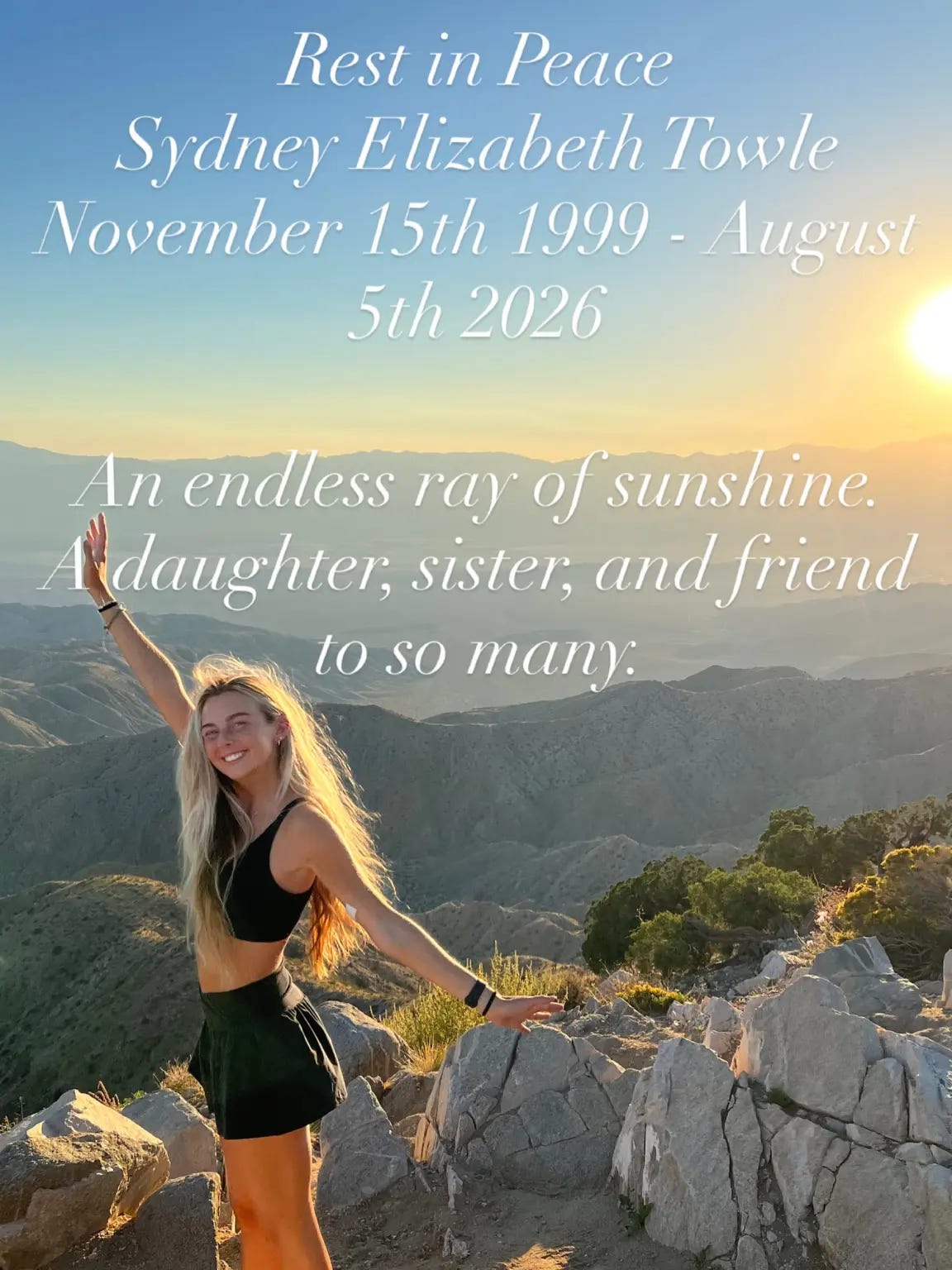
She came to New York two years ago with my disease, to be treated at MSK, by my oncologist. I will not thank cholangiocarcinoma for anything. But it put Sydney in my life, and I would choose knowing her again, even knowing how it ends.
I was older and further along the road, so I became the one she asked things.
We were in touch through many of her hospitalizations. She would send me her blood counts, what she wasn’t tolerating, what someone had said on rounds that morning, and I would send back questions to ask. That was the shape of it. Not wisdom. Logistics. How to get an actual answer. When to push and what for. How to get the scan or procedure sooner. What other doctors to pull in for their opinions.
None of that is medicine. It’s navigation.
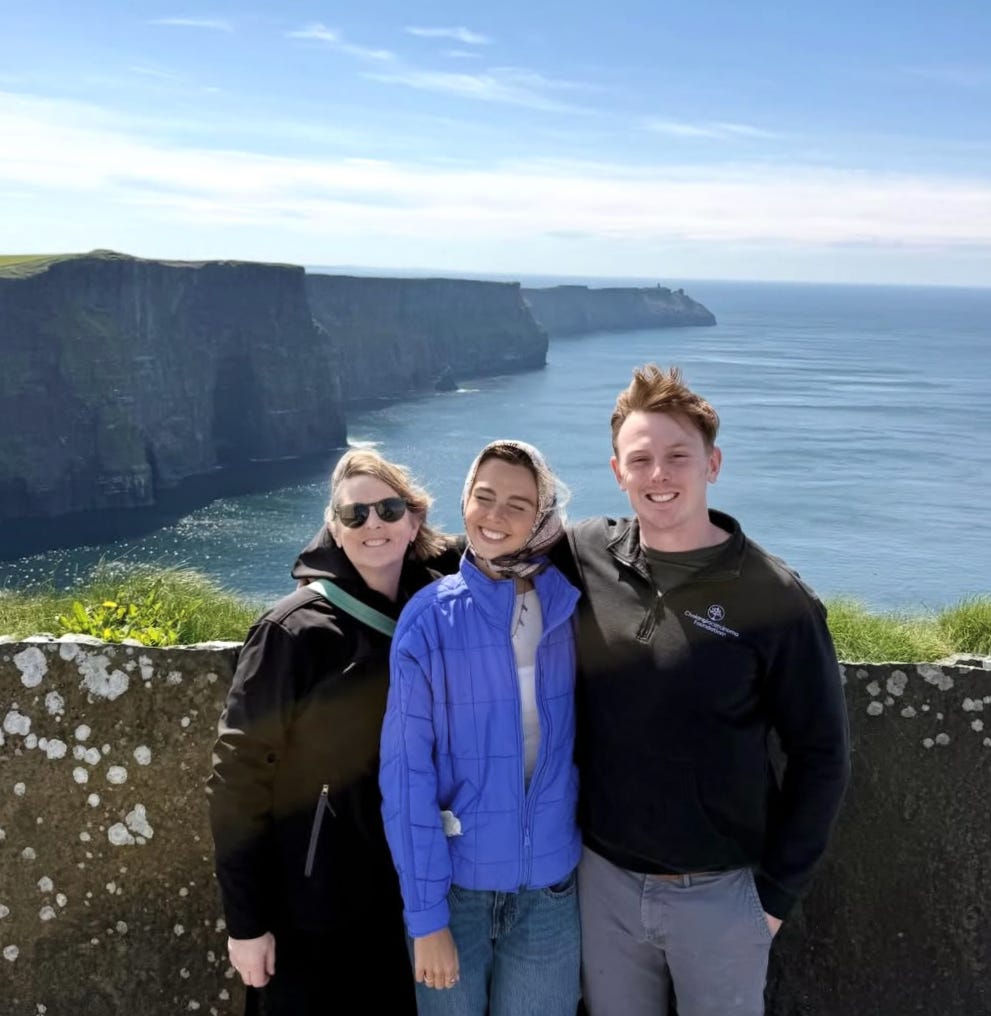
She asked about travel, too. She would plan trips and then waver. Ireland she had given to her mother for Christmas, hoping she would still be well enough to go. Then, months later, her oncologist made a comment about not delaying treatment, and it was enough to make her question the whole thing.
My answer never changed. Go.
The treatment is in service of the life, not the other way around, and your life is your mother and your brother and a country important to your history that you’ve never seen. Two weeks will not decide this. Ireland with your family happens once.
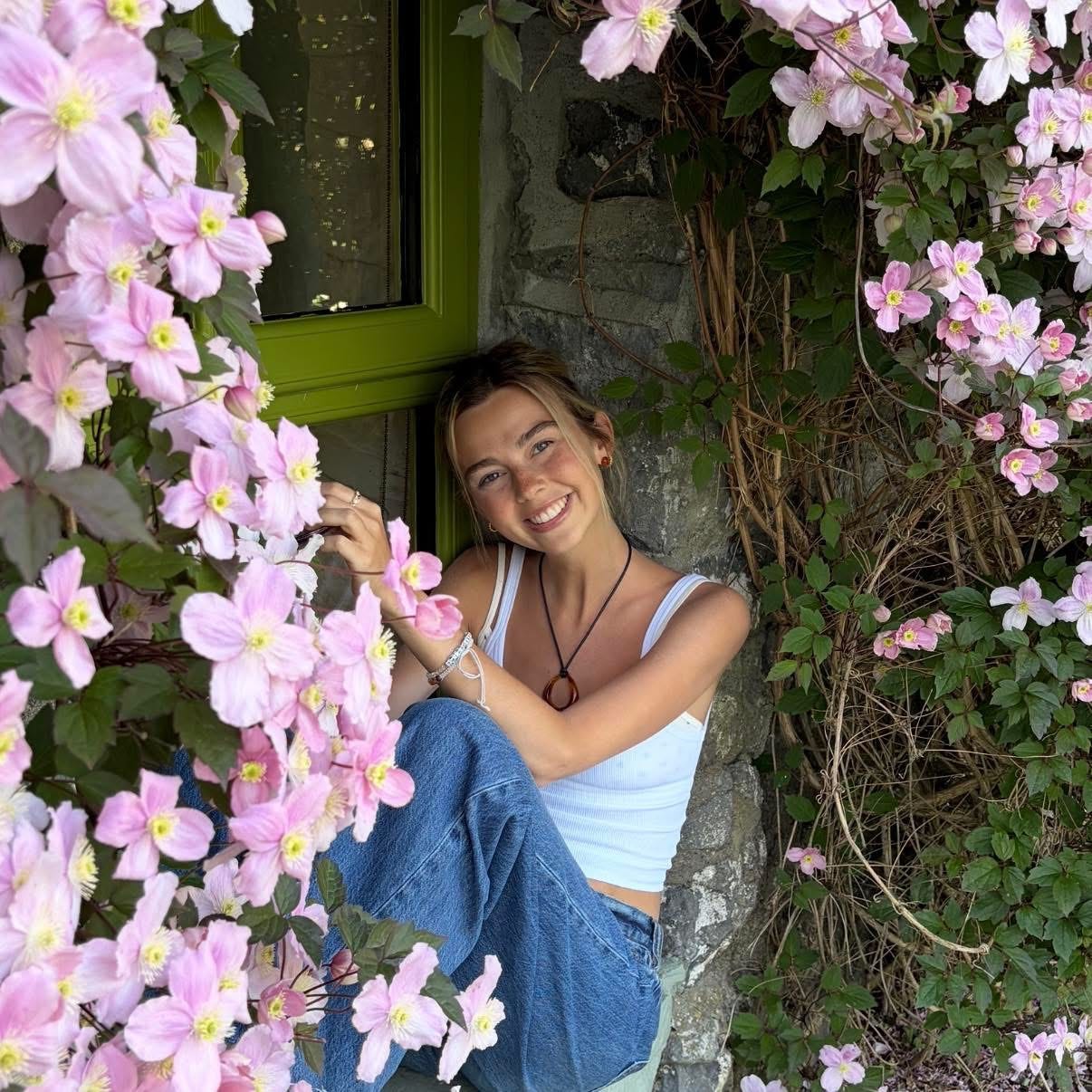
She went. Scream-singing with her brother on one-lane roads, yelling “cows” at every meadow. Afterward she wrote that April was the happiest month she’d had.
There were other things I knew how to help her with. I wish I hadn’t had to.
We worked out together how to survive an oncologist. She should never have had to learn it. I should never have had anything to teach.
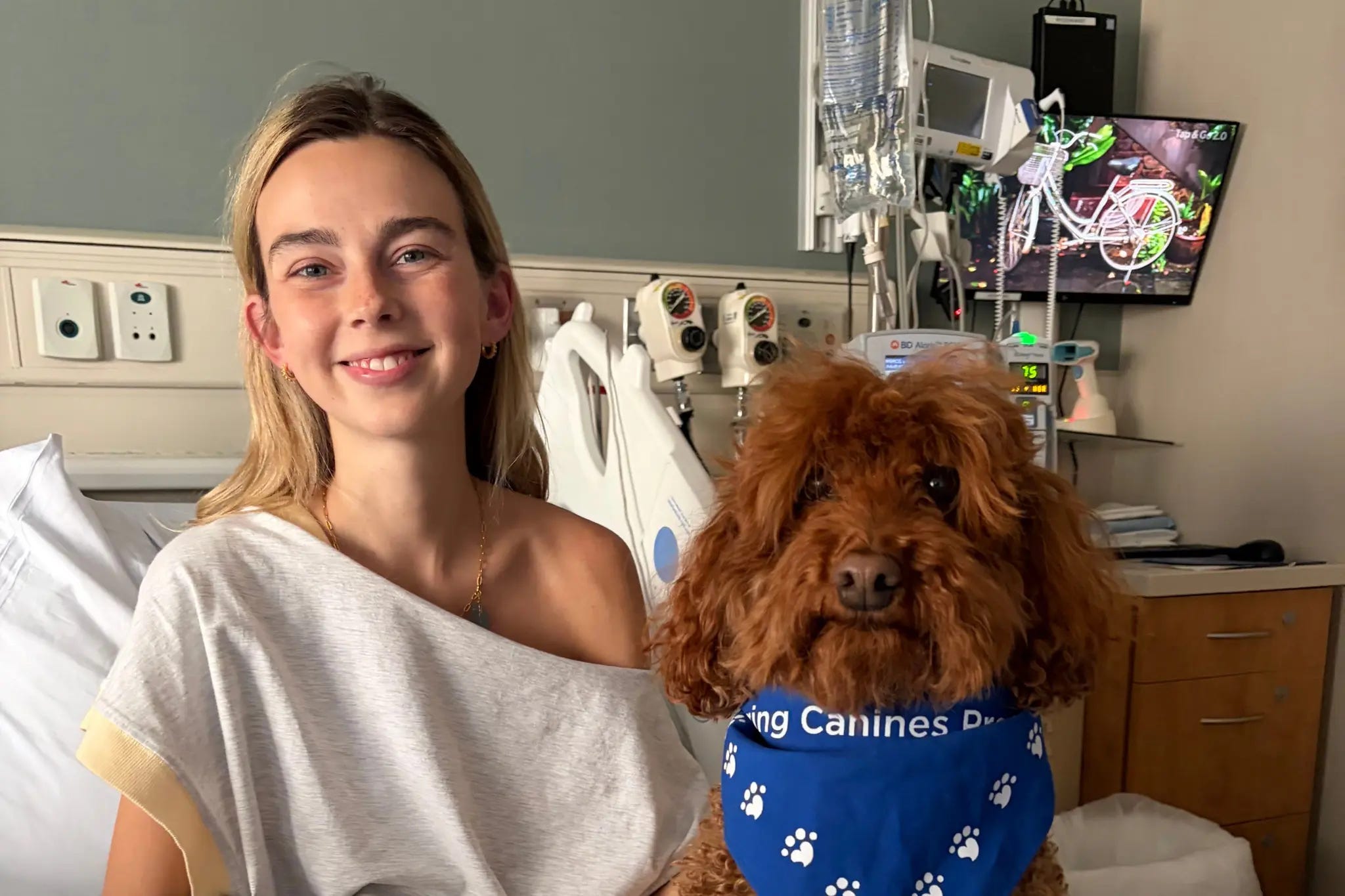
But anyone who knew Syd knew her struggles with her oncologist. She never hid them. In January, she stood in front of a room of oncologists at ASCO and told them she'd had doctors "act as if they're allergic to me, running in and out of the room before I can even ask a follow-up question."
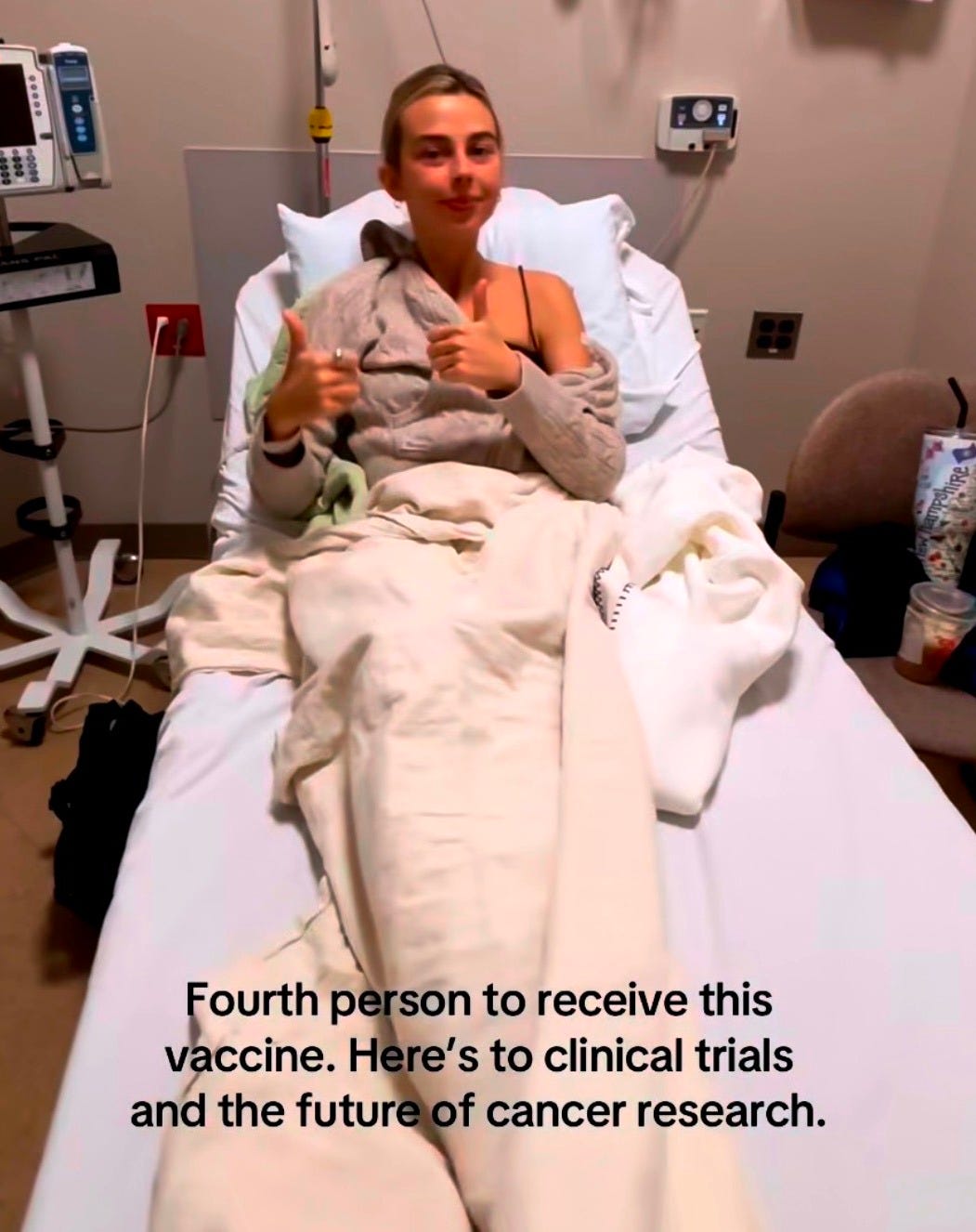
And on May 19, she shared on social media that her oncologist withdrew her treatment, leaving her to find another hospital willing to give her the few weeks of bridge therapy she needed to complete the final stage of a tumor-infiltrating lymphocyte (TIL) trial she had qualified for at the National Institutes of Health.
The timing matters. The day before, Sydney had asked to change oncologists. First thing the next morning, her oncologist came into her hospital room with the Vice President of Patient Relations and told her he was done treating her and that she had to move to end of life care.
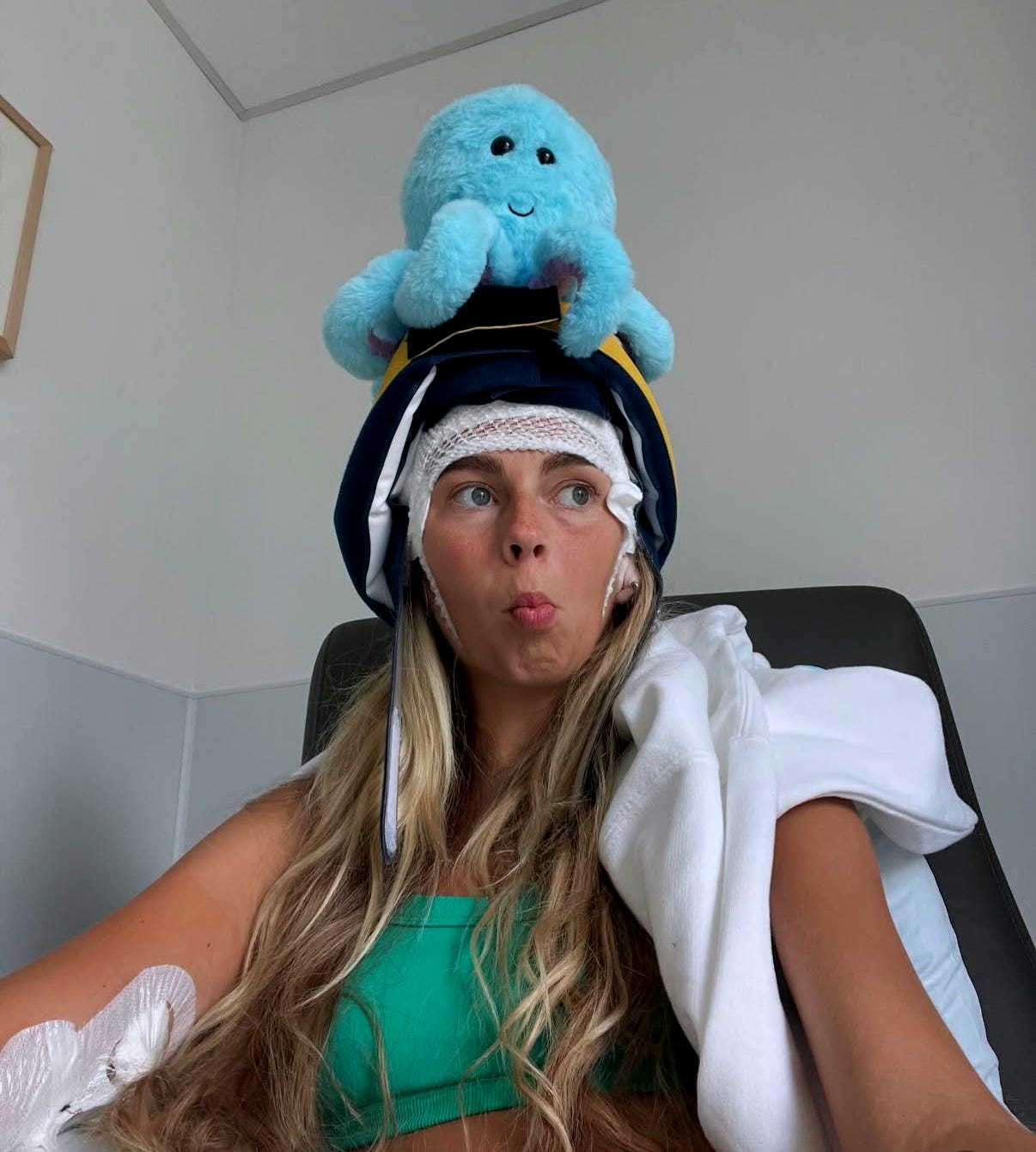
Sydney switched hospitals, arranged for more treatment, and was soon off to Miami Swim Week, where she walked in a swimsuit that proudly showed the hepatic artery pump protruding from her abdomen.
What happened with her oncologist was not an isolated incident. It was part of a larger pattern that I am not going to detail here. Several of us who had troubling experiences with this oncologist have come together to formally ask MSK to address what happened and provide accountability.
Sydney stayed involved in that effort until just days before she died.
One of the questions Syd asked me a few months back was whether to stop working. She had worked full time through treatment because she'd had no choice: the job carried the health insurance she needed. It also preserved some piece of a normal life. When disability became an option, she asked me what I thought.
My answer was yes. Immediately.
I have watched too many people spend their last good months proving something to an institution that filled their position within a couple of weeks. I understood why she had held on. But there was nothing normal left to protect. The chemo she could barely tolerate had seen to that.
She stopped.
None of us knew how little time she had left. I am so glad she did not spend it in meetings.
When she was first diagnosed, a social worker came into her hospital room and told her she would never live the life of a normal twentysomething again. With more and more treatment, she lost some of her memory, but that sentence she never forgot. Sydney spent the next three years trying to prove her wrong.
She showed people all over the world what living with cancer actually looks like: the treatment, the setbacks, the rare ordinary days, and also Coachella, Ireland, Spain, St John, the ridiculous good luck of a brand flying her to Florida. When people asked how many rounds of chemo she had left, her answer was: until it stops working. She was never given a number. Not of rounds, not of years, not of anything.
Online trolls said cruel things to her and about her. Early in her diagnosis there was a coordinated campaign to claim she was faking cancer. And one cruelty recurred for years: she went to chemo alone, by choice, when there were more people willing to sit with her than there were chairs, her mom chief among them. Strangers decided this was evidence of something wrong with her, or with her story.
She spoke about why. Her father died when she was young, and she grew up learning to need no one. I didn’t have to ask what that was like. I go alone too, for my own version of the same reason: independence learned early and kept long past its usefulness. It was one of the things we recognized in each other. And it was a choice. A woman deciding how she wants to sit through the worst hours of her week owes nobody an explanation.
I encouraged her to ignore the cruelty and the haters, which is useless advice and the only advice there is. What I meant was that they were talking about their own fear and had found somewhere to put it. It was never about her.
And then, near the end, she filled the chairs. She wrote about it: a hospital room full of her friends and family—on the floor, on her bed, on every chair, and her in the middle of it,—happy. The independence learned at her father’s death, unlearned in her own time. She got there.
Near the end, when she was no longer posting regular updates, she texted me to say she was afraid she might be losing the optimism, the positive attitude, whatever it is we are all expected to maintain in public. Most of us armor up and stay armored. She let others see her without it.
Sydney was diagnosed at 23. She got three years. I have had five, and I am more than thirty years older than she was. There is no arithmetic in which that comes out right.
The order in which we became ill was supposed to protect her. So was her youth. I was older. I was further down the road. I had the head start. She should have been far behind me on the tightrope.
Three weeks ago I wrote that if you live long enough with this disease, it asks you to outlive your teachers. Sydney was supposed to do that. She was supposed to outlive me.
Some of her last texts were not about her at all. She was concerned about what I was going through. She was days from dying and sleeping most of the day. She had almost nothing left to spend and she spent some of it on me.
Cancer narrows your attention. The managing and the waiting take up nearly all the available space. Sydney kept making room anyway, for what other people were going through.
Our cholangiocarcinoma community has been shattered by her loss. Syd was young, she was well-known, and she loved people out loud — and people loved her out loud, too. For me, she comes after other dear friends in a year that has already asked us to absorb more grief than seems possible.
Every time this happens, the community feels a little smaller. There are names we stop seeing in the group chats; people who, one day, simply stop answering; people whose families eventually tell us what happened. And new names arrive every week to take their place in line. Somehow we keep going, carrying all of them with us.
When Syd was a child she was afraid of the dark, and slept with a blanket pulled over her head. In one of her last essays she wrote that she doesn’t do that anymore. Not because the dark got safer. Because she had learned to look at it.
In our last texts she asked how I was, and I gave her some version of fine, because that is what you send to someone in a hospital bed.
Here is the real answer, a few days late. I am still on the rope. The weather is terrible and clear. I can see all the way down.
And I can see you, Syd.
Thank you for reading. Today’s essay is free for everyone. If it stays with you, consider sharing it with someone who might need it, or becoming a paid subscriber. A click of the ♡ helps too.
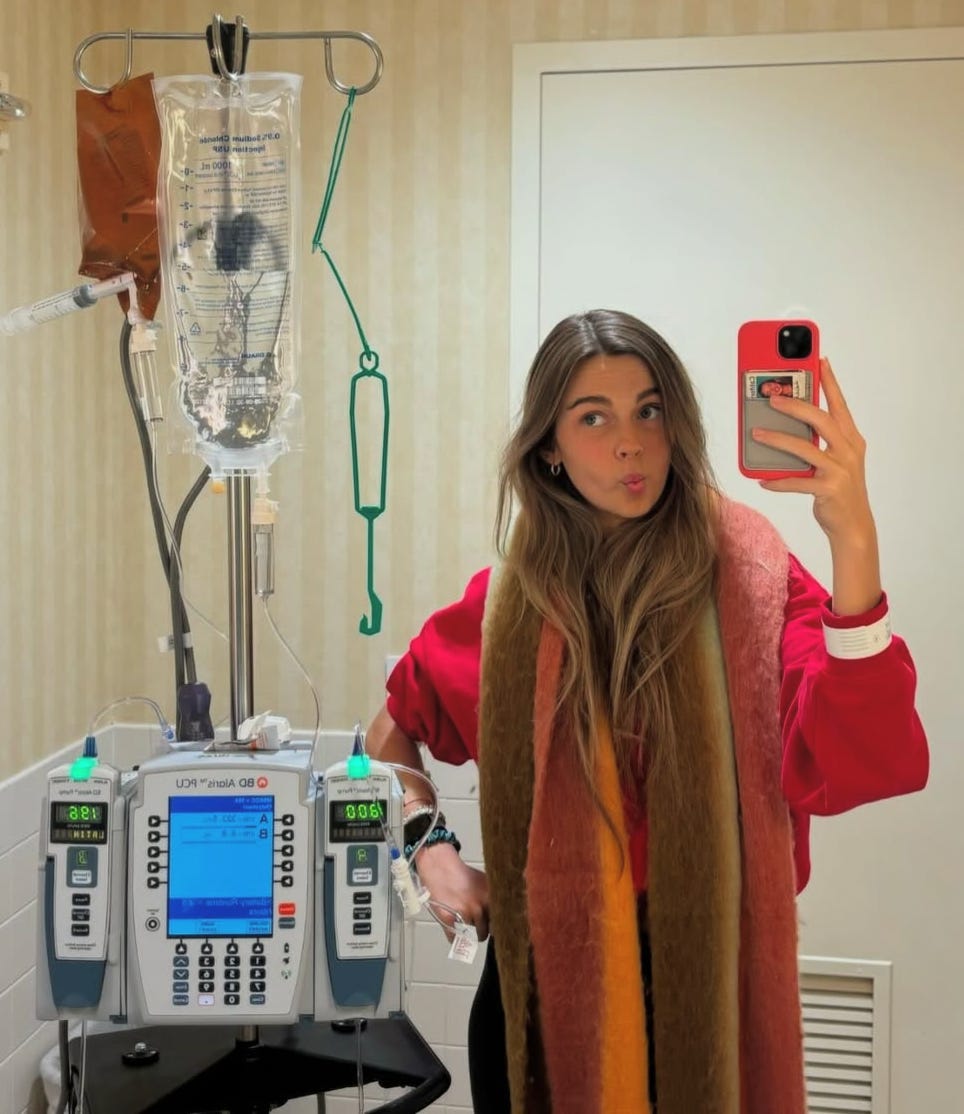
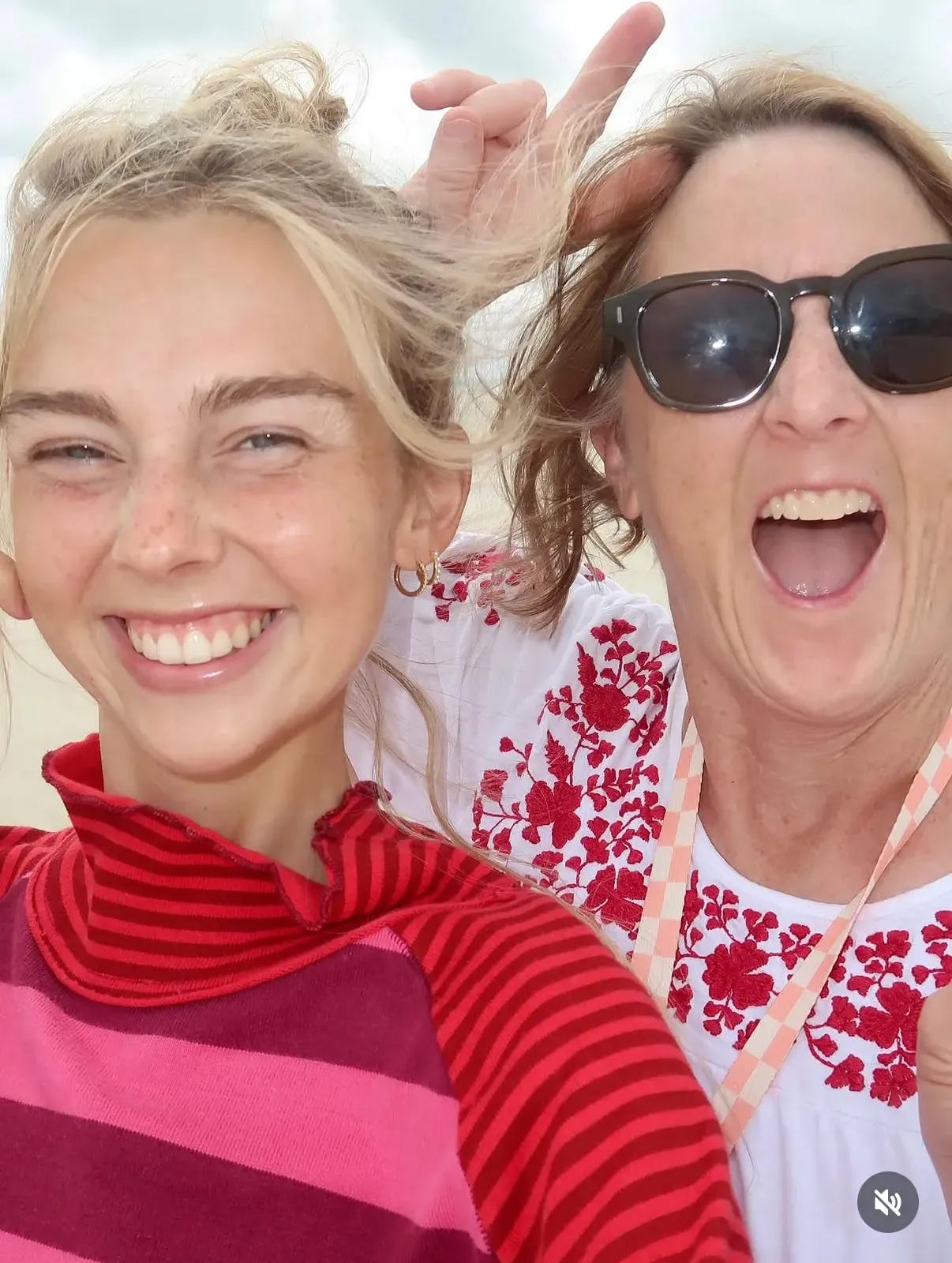
Sydney’s speech to the Cholangiocarcinoma Foundation Conference in 2025:
CNN:
Comments
Nothing yet. Say the first thing.
Sign in to join the conversation.