
This week we have a riveting – and often hilarious – conversation with documentary maker and writer Malcolm Richard Clark. Malcolm has spent the last few years researching the darker history of the trans medical movement and I can’t recommend his substack highly enough.
The conversation ranges widely, covering social contagion, medical ethics, and the cultural forces shaping modern understandings of sexual deviance. Mia and Malcolm examine the similarities between autogynephilia (AGP) and body integrity identity disorder (BIID), also known as amputee identity disorder or xenomelia and formerly known as apotemnophilia. The similarities between AGP and BIID are striking however limb amputation for individuals with BIID is illegal and yet genital amputation is celebrated for individuals with Gender Dysphoria.
The parallels are striking. While elective limb amputation for individuals with BIID is illegal, yet genital amputation for individuals with Gender Dysphoria is celebrated and accepted medical practice. Yet what is the cognitive and emotional difference beween a male with BIID who seeks to have his leg removed and a male with GD who seeks to have his penis removed?
Our discussion asks why medicine treats these seemingly comparable conditions so differently, and what that reveals about the current state of medical ethics. I have noted the rise of harm reduction as a dominant medical approach across much of the Western world. While intended to reduce suffering, harm reduction has become an increasingly dubious treatment, with initiatives such as needle exchange programmes and supervised drug consumption sites prompting debate.
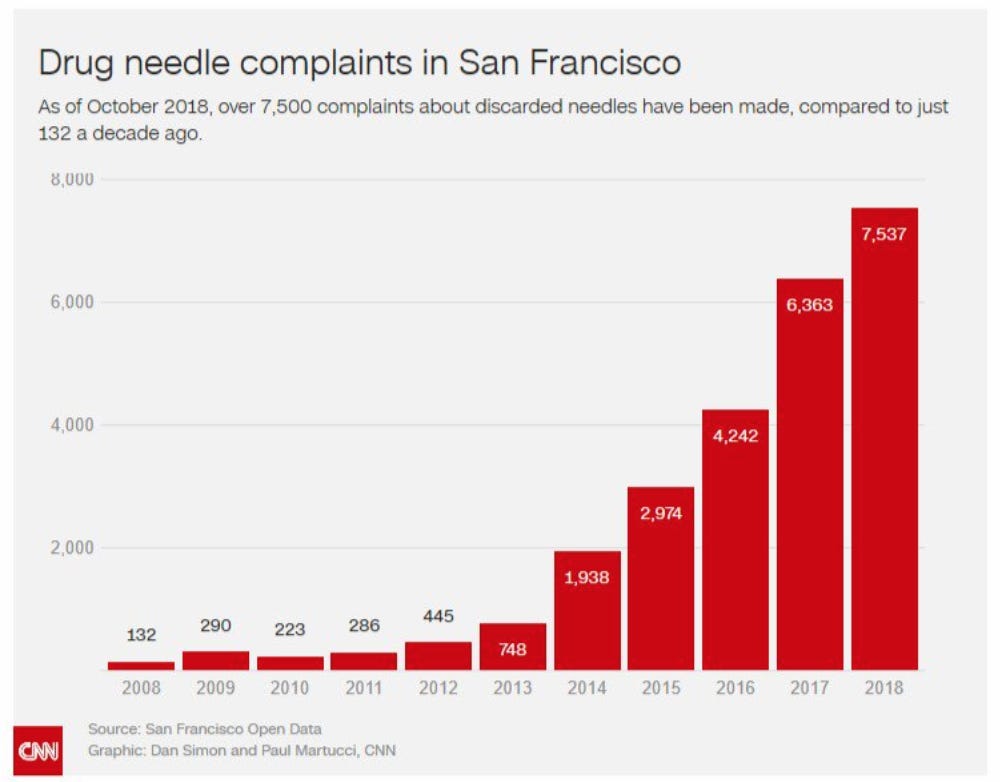
Scratch beneath the surface and the whole fabric of modern medical ethics begins to unravel. Should medicine focus on alleviating suffering, even if doing so may inadvertently legitimise or reinforce harmful behaviours? Should medical treatment be used to fulfil a person's desired identity through irreversible intervention? And if society chooses that path, who should bear the ethical, medical, and financial responsibility?
Our conversation with Malcolm is not intended to sensationalise unusual conditions but to ask how medicine should respond when deeply held beliefs about the body come into conflict with physical reality. We discuss the remarkable case of Neil Hopper, the former NHS surgeon who, in 2019, deliberately froze his own legs with ice and dry ice in order to force their amputation. In 2025, Hopper was sentenced to two years and eight months in prison after being convicted of insurance fraud and possessing extreme pornography. His story raises profound questions about the ethics of medical intervention, bodily autonomy, and where medicine should draw the line between treating psychological distress and facilitating irreversible physical change.
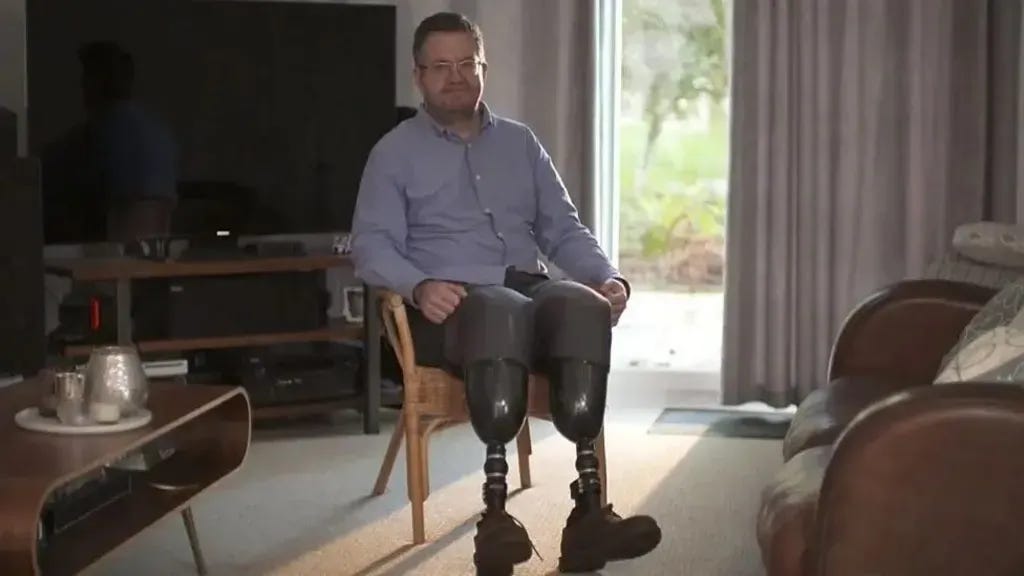
For years, Neil Hopper was regarded as an inspiring figure. A respected NHS vascular surgeon, he claimed he had lost both legs to sepsis after a camping trip, returned to work as an amputee, became a media favourite, and received more than £466,000 in insurance payouts. The truth was that Hopper had deliberately frozen his own healthy legs because he had long harboured a sexual interest in becoming a double amputee. It is notable that even after his conviction, the court heard that Neil Hopper did not regret the amputations themselves.
The investigation that ultimately exposed Neil Hopper began with the arrest of Marius Gustavson, the Norwegian ringleader who is also known as "Eunuch Maker". Gustavson operated a subscription website where thousands of paying members watched videos of extreme body mutilation, including castrations, genital amputations, and limb freezing. He earned almost £300,000 from the site before being sentenced to life imprisonment, with a minimum term of 22 years. Six accomplices - Ion Ciucur, Peter Wates, Janus Atkin, David Carruthers, Ashley Williams, and Stefan Scharf - were also jailed for carrying out or assisting with these procedures. Police uncovered thousands of messages between Gustavson and Neil Hopper, revealing that Hopper had sought advice on how to amputate his own legs. It was this investigation that led to Hopper's arrest, exposing the deception behind the story he had told the public for years.
A crucial part of this story is the role of the internet. People with extreme sexual fetishes can now find one another with ease. Before online forums and anonymous communities existed, individuals with rare and extreme interests often believed they were alone. Today, they can connect instantly, share ideas, reinforce one another’s beliefs and build communities around desires that might previously have remained isolated.
The fact that people with extreme sexual fetishes are meeting online to carry out severe body modifications on themselves and others - and may then use medical services to complete those modifications - raises urgent questions about medical ethics and clinical management.
At the beginning of our conversation, Malcolm points out that our culture is constantly drawn towards the new. Human beings are always pushing at boundaries to discover how far they can go. But when someone is suffering from a severe mental disorder, should we permit them to inflict serious and irreversible harm on themselves? Is it genuinely a harm-reduction strategy to facilitate that harm in the hope that it will satisfy them, or does doing so risk reinforcing the disorder and leading to further injury?
Society has not yet fully grappled with these questions and yet it urgently needs to.
Watch “When Sexual Fantasy Becomes Medical Treatment: a conversation with Malcolm Clark” on the Beyond Gender podcast and decide for yourself where the boundaries of ethical medicine should lie.
Comments
Nothing yet. Say the first thing.
Sign in to join the conversation.